 Vietnamnet.vn

 Podcast



After the full moon of the fourth lunar month, Buddhist temples across Vietnam begin entering the annual Rains Retreat. More than a period for monks and nuns to devote themselves to study and practice during the three-month rainy season, the tradition serves as a reminder for both monastics and lay Buddhists to return to a life of mindfulness and discipline.
Origins of the Buddhist Rains Retreat
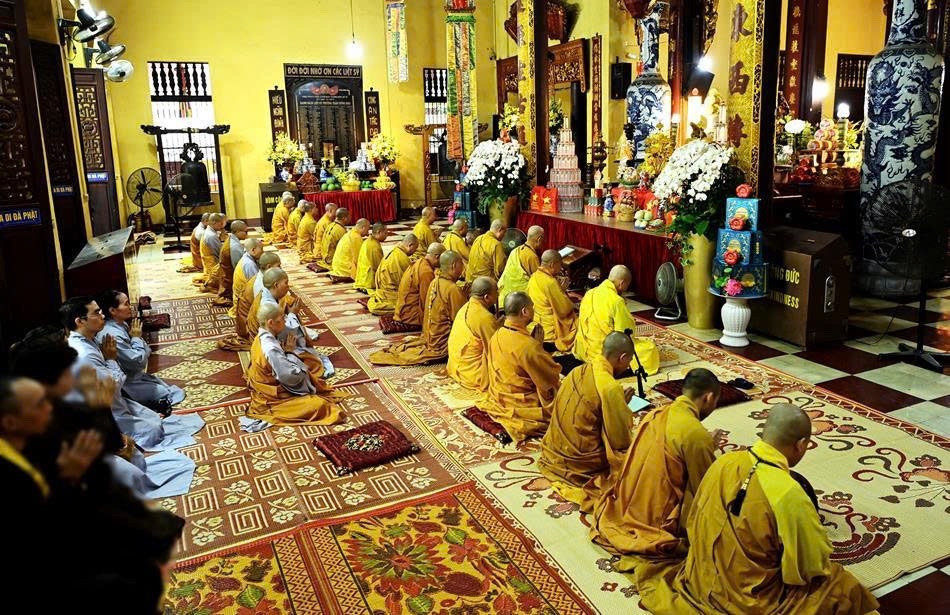
Rains Retreat opening ceremony for Buddhist Year 2570 at Quan Su Pagoda. Photo: Phat Su Online
The Pali term for the retreat is Vassa, while the Sanskrit equivalent is Varṣā. In English, it is commonly known as the Rains Retreat or Rainy Season Retreat.
The Buddhist legal text Tu Phan Luat San Bo Tuy Co Yet Ma explains the term as follows: "An" means peace and tranquility of body and mind, while "cu" refers to residing in a fixed place for a designated period.
According to Buddhist teachings, during the rainy season floodwaters rise and countless insects and small creatures emerge onto roads and pathways. As monks and nuns traditionally traveled from place to place, they could unintentionally step on and harm living beings.
Out of compassion, the Buddha cared not only for human beings but also for the smallest forms of life. He therefore established a three-month period during which monastics would remain in one place, avoiding harm to insects and other creatures during the rainy season.
The retreat reflects the Buddha’s boundless compassion and commitment to nonviolence. It also creates an opportunity for monks and nuns to gather together, receive guidance from highly respected teachers and deepen their spiritual cultivation.
Through the teachings of experienced practitioners, younger generations of monastics are able to continue progressing on the path of practice without losing direction or motivation. The Rains Retreat also serves to strengthen and replenish the inner resources needed after months of serving Buddhism and the wider community.
Although the retreat formally lasts only three months each year, its spirit can be maintained in every moment of daily life.
During the retreat, monks and nuns not only enhance their understanding of Buddhist teachings and strengthen their moral discipline, virtues and spiritual energy, but also practice communal living in accordance with the principle of harmony.
The season provides opportunities to exchange insights and experiences in spiritual practice while nurturing fraternity, solidarity and mutual support within the monastic community.
Lasting service begins with nurturing inner strength
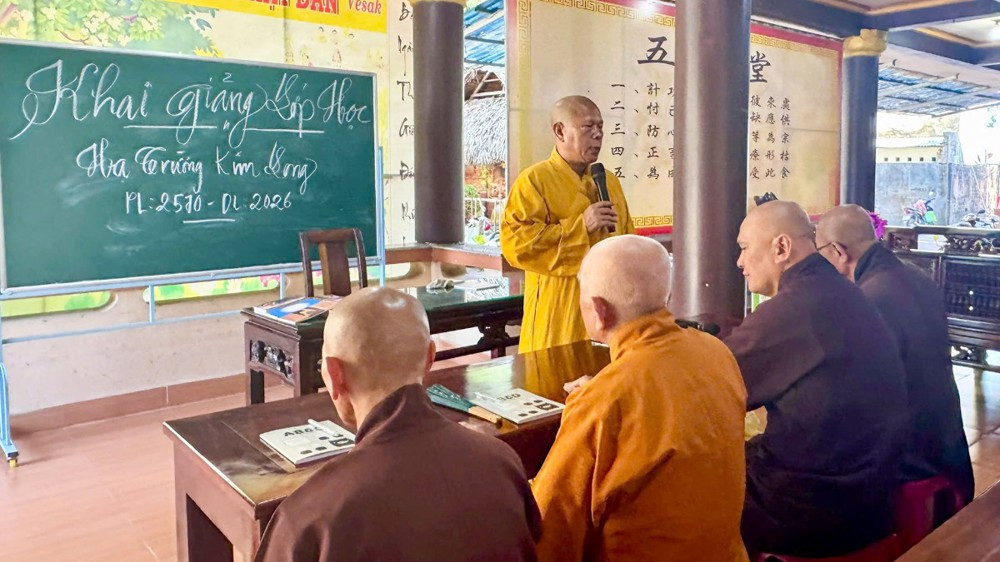
Monks at Kim Long Pagoda in Duc Pho Ward, Quang Ngai Province, engage in study and practice during the Rains Retreat season. Photo: Ngoc Hang
Today, according to Vietnamese Buddhist tradition, monasteries begin the Rains Retreat after the full moon of the fourth lunar month. The retreat concludes on the full moon of the seventh lunar month with the Tu Tu ceremony, marking the end of the season.
In the context of modern society, where people face mounting pressures from rapid development, information overload and constant uncertainty, the Rains Retreat carries a message that remains highly relevant: those who wish to serve others sustainably must first cultivate and renew their inner strength.
For monastics, after months dedicated to Dharma propagation, charitable activities, education and community service, the retreat provides valuable time for focused study, meditation and self-discipline.
For lay Buddhists, the spirit of the retreat encourages a more mindful way of living - one that allows time for self-reflection, personal adjustment and the nurturing of wholesome values in everyday life.
Hong Phuc
.svg)
