 Vietnamnet.vn

 Podcast



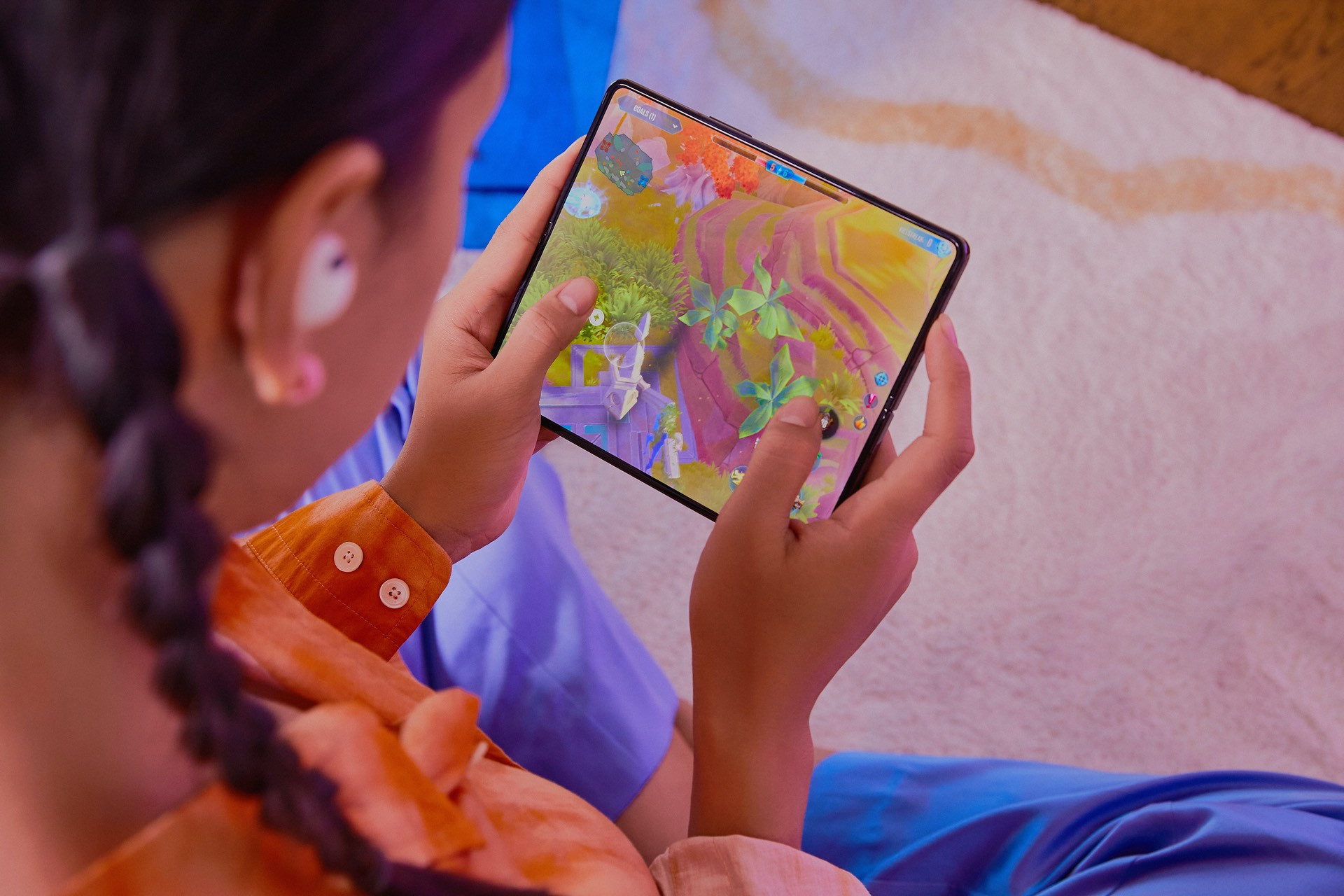
Vietnam is currently among the world’s leading producers of mobile games, generating billions of downloads every year.
Yet alongside these impressive figures lies a paradox: while Vietnamese-made games reach hundreds of millions of users globally, relatively few brands are widely recognized by name.
According to a GameGeek report, Vietnamese developers released more than 27,000 games in 2025, generating 4.9 billion downloads and ranking second worldwide in total downloads. Around 95 percent of those downloads came from international markets.
Based on these figures, many might assume Vietnam has built a gaming industry with numerous globally recognized brands.
“The current gap is that players enjoy these games very much, but they often do not know they are playing products made in Vietnam,” said Minseok Song from Unity, on the sidelines of the recent U/Day Hanoi 2026 event.
This revives a familiar question: after Flappy Bird, why has Vietnam not produced more titles with similar global impact?
Many games, few brands
When Flappy Bird appeared in 2013, few imagined that a game with simple graphics created by a Vietnamese developer could top download charts across multiple countries.
Its success demonstrated that Vietnamese studios were fully capable of creating products with worldwide appeal. However, a phenomenon and a lasting brand are two very different things.
Over the past decade, many domestic studios have operated under a growth model focused primarily on user acquisition. Teams continuously tested new ideas, optimized player engagement, and pursued short-term advertising revenue.
While this approach enabled rapid expansion, it also produced another consequence: long-term investment in brand building and intellectual property development was often not a priority.
According to Song, the market has changed significantly.
“In the past, the key question was whether a game could scale in terms of user numbers. Today, the question has become: how do you build a game that can survive over the long term?”
The Unity executive noted that a unique gameplay may create an initial advantage but is difficult to sustain.
“Game mechanics can be copied very quickly, while elements such as a game world, distinctive characters, or a strong player community are much harder to replicate.”
This is why many games can explode in popularity but disappear quickly.
Another challenge, he said, lies in how many studios approach game development. Under a project-based mindset, the process often ends once a game is launched and targets are met before moving on to the next project. Many leading global game companies, however, operate differently.
“With a product-development mindset, launch day is not the finish line, it is only the starting point,” he said.
That means developers must continue adding content, adjusting game balance, nurturing communities, and improving user experiences long after release.
The new race is no longer about producing more games. Industry experts say changes in the global gaming market are making traditional approaches ineffective.
“We are seeing developers realize that they need to stop producing large quantities of games and instead focus on quality and player retention,” said Ashley Navon from Unity.
According to Gamota’s Vietnam Mobile Gaming Year-in-Review 2025 report, about 73 percent of studios have begun adopting hybrid monetization that combines advertising with in-app purchases.
This reflects a broader shift: competition is no longer about who releases the most games, but about who can keep players engaged the longest.
“Users do not hate advertisements. They simply dislike monetization methods that feel disruptive and disconnected from the game they are playing,” Ashley said.
The smoother the experience, the greater the likelihood of retaining players. At the same time, creating a good game is no longer sufficient on its own.
As more creators enter the market and more games are released, simply being discovered by users has become a much greater challenge.
As a result, studios now face two tasks: creating a high-quality product and delivering that product to the right audience.
Downloads may help attract attention to a market. But more than a decade after Flappy Bird, what Vietnam’s gaming industry seems to be seeking is no longer the next viral sensation. It is rather the ability to create names and brands that remain in players’ memories for years to come.
Du Lam
.svg)
