 Vietnamnet.vn

 Podcast



Editor's note: This July marks the third anniversary of Ho Guom Opera House. More than a landmark of contemporary architecture, the venue has steadily established itself as one of Vietnam's premier cultural institutions, hosting world-class performances from both Vietnamese and international artists.
It has become a place where cultures meet, artistic exchanges flourish and Vietnam's image is showcased to global audiences while supporting the country's growing cultural industries. In this special series, VietNamNet looks back at the opera house's journey over the past three years.
As Ho Guom Opera House celebrates its third anniversary, what memories stand out most for you?
Conductor Tran Nhat Minh: Ho Guom Opera House holds a very special place in my career because I have been fortunate enough to be part of its journey from the very beginning. I conducted during its opening concert series, its first and second anniversary celebrations, and will soon return for the gala marking its third anniversary.
When I look back, I do not think only about individual performances. What impresses me most is how quickly a new venue has grown into an important destination on Vietnam's cultural map.
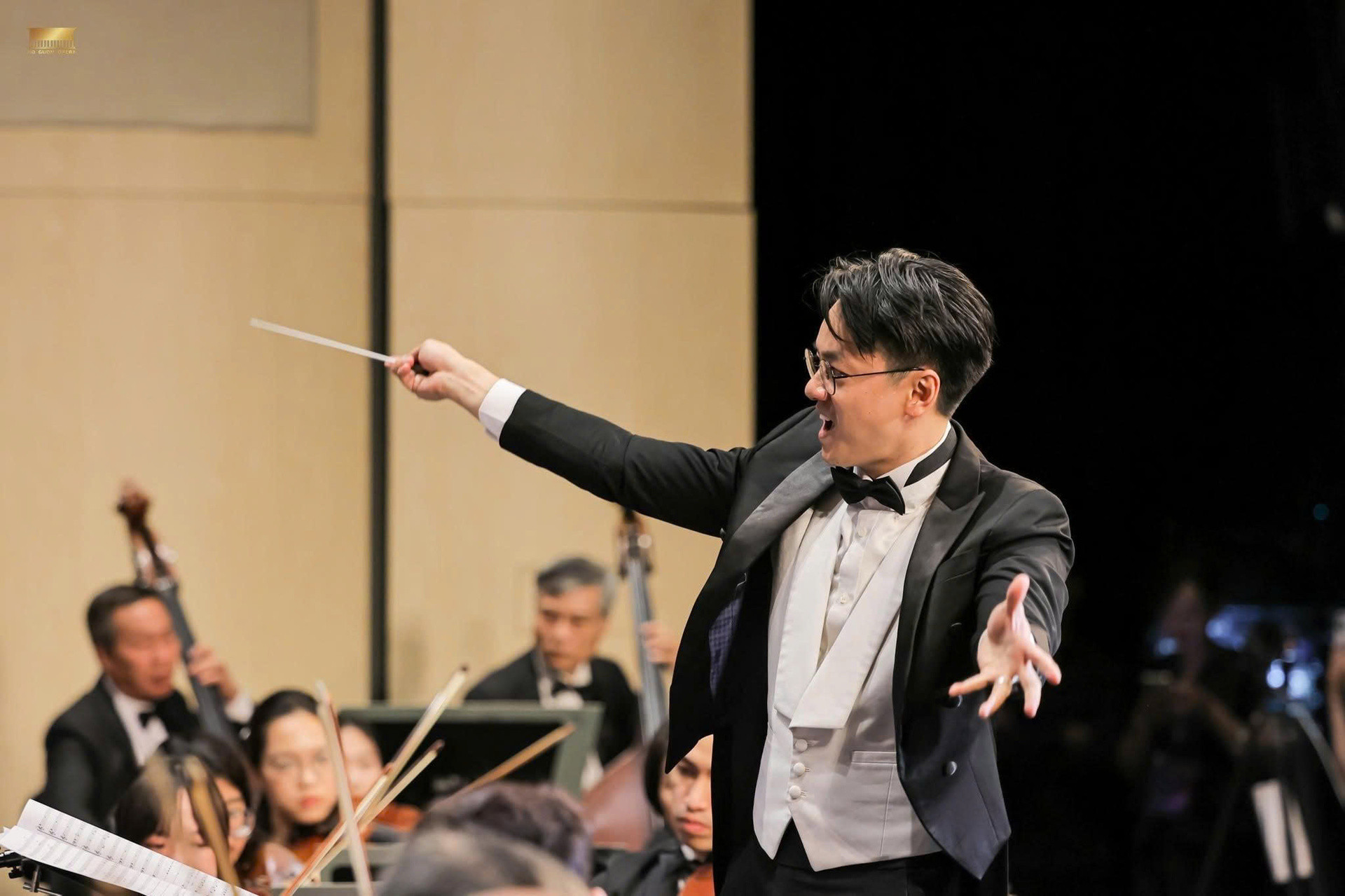
One of the greatest gifts the opera house has given me is the opportunity to perform more frequently for audiences in northern Vietnam while collaborating with internationally renowned artists without leaving the country.
For someone working in symphonic music and opera, this is exactly the professional environment I had always hoped Vietnam would have - a stage where Vietnamese and international artists can create productions of outstanding artistic quality, ambition and influence.
Perhaps my strongest memory is not a single performance but the privilege of watching, and contributing in a small way, as Ho Guom Opera House developed into a venue where artists, production teams and audiences come together in an atmosphere of professionalism and deep respect for the arts.
How do you evaluate the venue's facilities and artistic standards?
Conductor Nhat Minh leads a medley performance of "For the People, Forgetting Ourselves – The Youth of Ho Chi Minh's Generation" at the Ho Guom Opera House.
I consider Ho Guom Opera House one of Vietnam's finest performance venues today, especially for symphonic concerts, opera, ballet and other large-scale productions.
Its greatest strength is not simply its impressive architecture. Every aspect of the building has been designed to support artistic excellence, from the stage, acoustics and lighting to the auditorium, backstage facilities and technical operations.
When artists step into a venue built to international standards, they immediately feel a positive sense of responsibility. It encourages everyone - musicians, soloists, singers, choir members, dancers and technical staff - to work with greater concentration, precision and professionalism.
A great venue does not automatically produce great performances. It creates the conditions that allow artists to perform at their very best.
Over the past three years, Ho Guom Opera House has also helped raise the overall standard for presenting classical music in Vietnam.
Having a venue that meets international standards makes it much easier to invite leading classical artists to Vietnam because they know they will perform in an environment worthy of their artistic expectations.
As more major productions and internationally acclaimed performers appear on its stage, Vietnamese artists also gain valuable opportunities to grow through direct collaboration.
Meritorious Artist Tran Vuong Thach once said Vietnamese classical music before and after the opening of Ho Guom Opera House represents "two different levels." Do you agree?
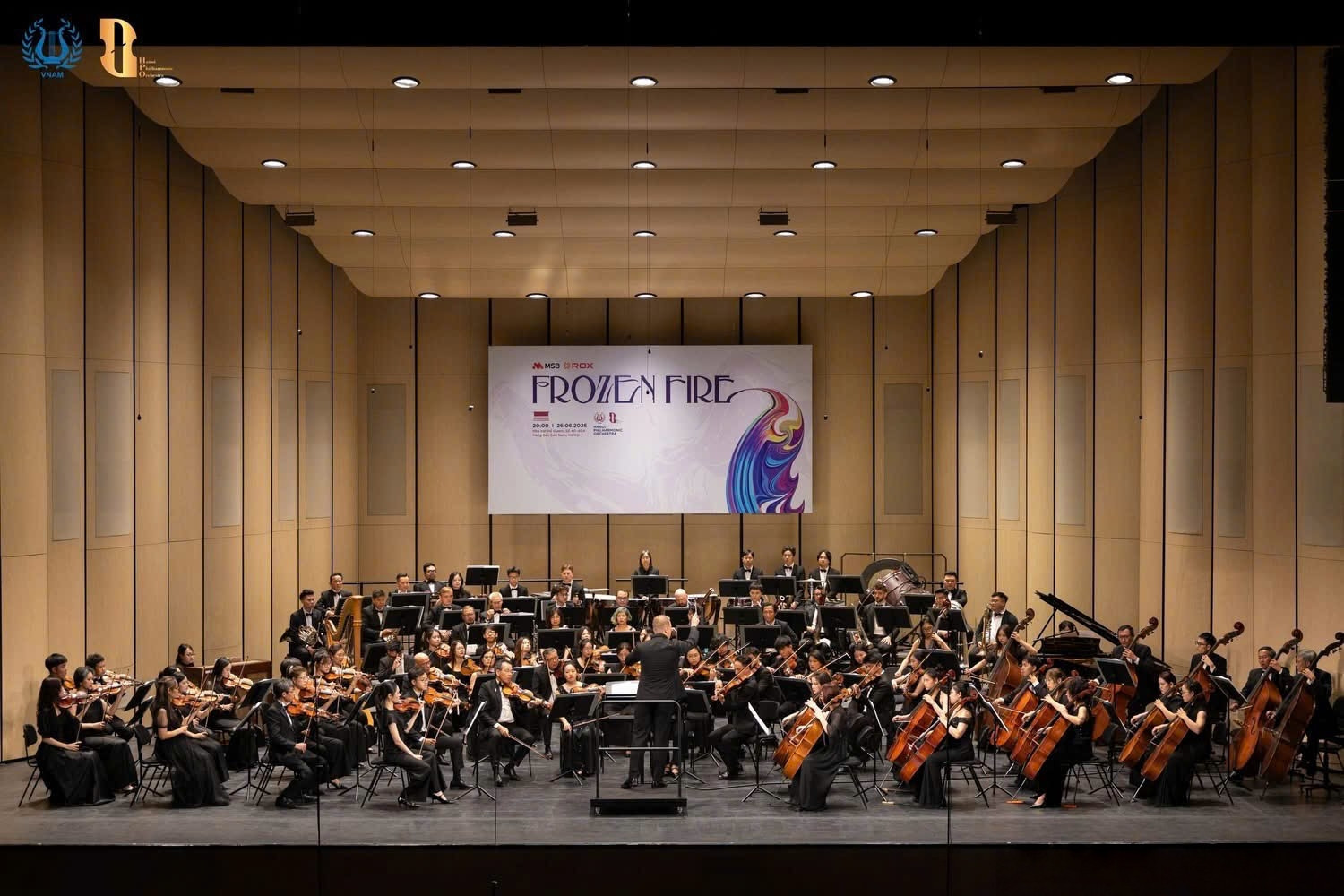
I completely agree.
The opening of Ho Guom Opera House marks a significant milestone in the development of Vietnam's symphonic and classical music scene.
Vietnam already has a strong foundation built over generations by composers, conductors, soloists, orchestral musicians, singers, educators and many dedicated professionals.
But for classical music to continue growing, we also need stages capable of lifting professional standards. I believe Ho Guom Opera House has played exactly that role.
Today, we have a venue capable of bringing together artists, audiences, large-scale productions and international standards.
To me, Ho Guom Opera House is not only one of Vietnam's leading performance venues today. It is also the dream stage for today's artists and for future generations of Vietnamese performers.
Many believe Ho Guom Opera House has become an important bridge between Vietnam and the international arts community. What is your view?
I believe Ho Guom Opera House is genuinely serving as a bridge between Vietnamese performing arts and the world.
International exchange is about much more than inviting foreign artists to perform. It is about creating an environment professional enough for them to collaborate with Vietnamese artists as equals.
The opera house is gradually becoming a new stop on the international touring circuit for celebrated soloists, orchestras and ballet companies.
In the past, Vietnamese audiences often had to travel to Europe, the United States or other major cultural centers to enjoy performances of this caliber.
Now those experiences can take place in the heart of Hanoi.
From my own experience, many international artists are impressed by Vietnamese performers - their enthusiasm, willingness to learn, adaptability and passion for their craft.
When they return home, those positive experiences help build an even stronger international image of Vietnam and its artistic community.
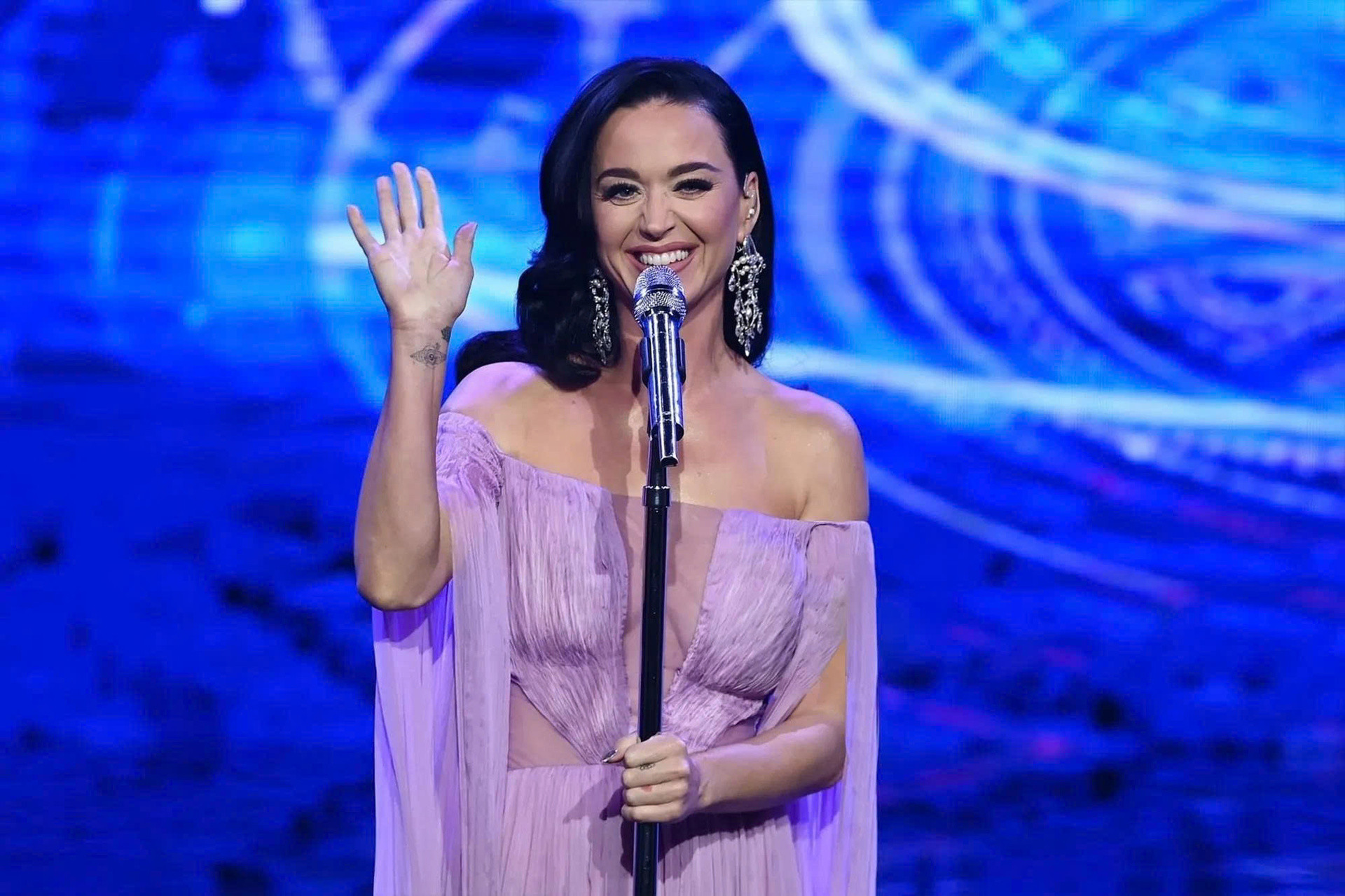
Artists who have appeared at Ho Guom Opera House include Kenny G, Katy Perry, violinist Caroline Campbell, soprano Sumi Jo, tenor Marcelo Alvarez, the Royal Opera of Versailles Orchestra, soprano Kathryn Lewek, tenor Joseph Calleja and, most recently, soprano Diana Damrau.
What do you hope to see from Ho Guom Opera House in the years ahead?
After such an impressive first three years, my greatest hope is that Ho Guom Opera House continues pursuing ambitious goals with a long-term vision.
A great opera house is not simply a venue for excellent performances. It should also build carefully planned artistic seasons with a distinctive identity and lasting influence.
For symphonic music, opera and ballet, continuity is essential.
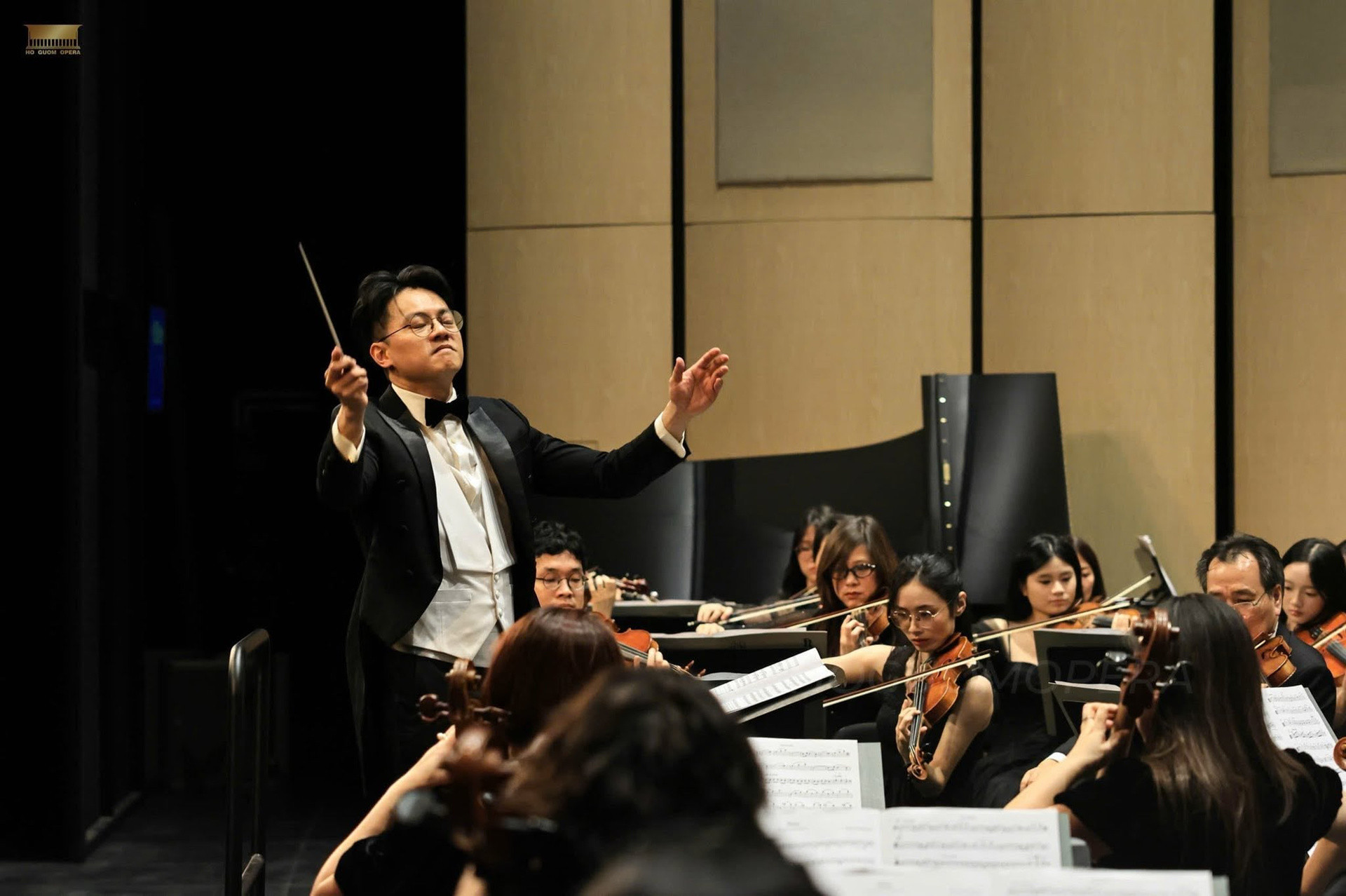
I hope the opera house will continue developing seasonal programming that balances classical masterpieces, international guest artists, Vietnamese performers and new creative projects.
When performances are presented as part of a long-term strategy, artists have greater opportunities for sustainable development while audiences gradually develop lasting appreciation for the arts.
I also hope Ho Guom Opera House will continue investing in younger audiences.
Family concerts and performances designed specifically for children and parents would be especially valuable.
When children first enter an opera house with their families and experience music in a welcoming environment, a lifelong appreciation for the arts can begin.
Over time, classical music will become not something unfamiliar but a natural part of family cultural life.
Ho Guom Opera House has made an outstanding beginning.
My hope is that over the coming years it will become not only one of Vietnam's premier performing arts venues but also a cultural destination with growing influence across the region.
Gia Bao
.svg)
