 Vietnamnet.vn

 Podcast



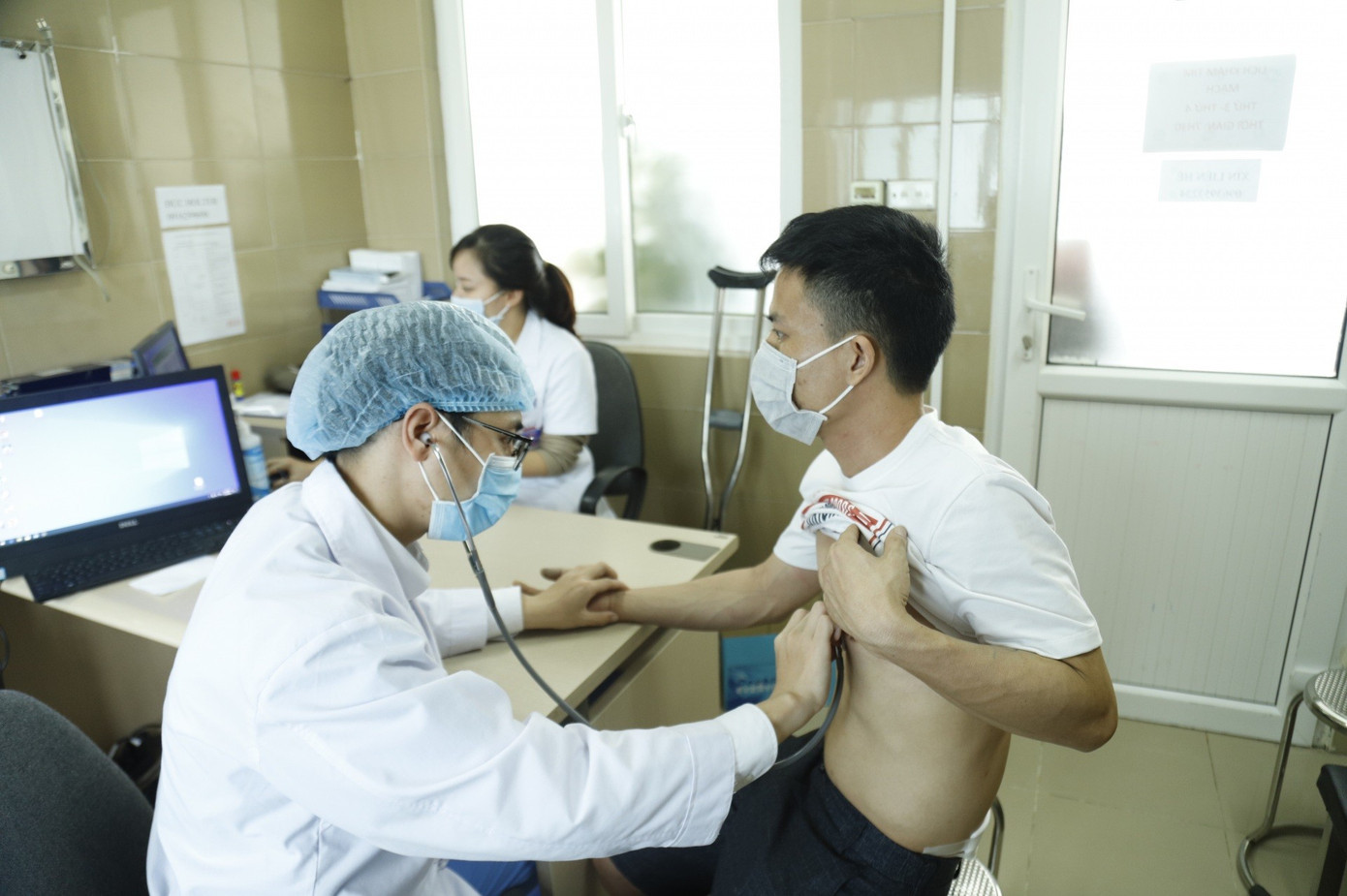
At a time when most patients are diagnosed at late stages, experts argue that shifting the focus toward prevention and early screening is the key to reducing both the disease burden and healthcare costs.
According to GLOBOCAN 2022 data, Vietnam records more than 24,000 new lung cancer cases annually, ranking second among all cancers. It is also the leading cause of cancer deaths, with over 22,000 fatalities each year.
This makes lung cancer one of the diseases imposing the heaviest medical and socio-economic burdens in the country.
Dr. Le Thai Ha, Deputy Director of the Department of Preventive Medicine under the Ministry of Health, said non-communicable diseases account for around 79 percent of total annual deaths in Vietnam.
These conditions create significant pressure not only on the healthcare system but also on the broader economy and society.
Cardiovascular diseases, cancer, diabetes and chronic respiratory diseases are among the leading causes.
“This reality requires an urgent transformation in healthcare models, from treatment-centered approaches to a comprehensive life-cycle strategy that prioritizes prevention, early detection and risk management,” Dr. Ha emphasized.
One of the greatest challenges is that the majority of lung cancer patients in Vietnam are diagnosed at advanced stages.
This significantly reduces the chance of successful treatment and quality of life, while driving up medical expenses and placing heavy financial strain on families and society.
Prof. Dr. Le Van Quang, Director of K Hospital and President of the National Cancer Institute, noted that more than two-thirds of lung cancer patients seek medical attention when the disease is already at a late stage.
International studies show that effective screening among high-risk groups can reduce lung cancer mortality by 20 to 30 percent.
“Early detection is the decisive factor in controlling lung cancer,” Prof. Quang said. “This is not only a clinical issue but also a long-term health policy challenge.”
Recognizing the urgency, the Party and State have issued several major policies to strengthen disease prevention and improve public health.
Resolution No. 72-NQ/TW of the Politburo outlines a clear orientation toward proactive prevention, positioning it as a pillar of the healthcare system.
The development of a Law on Disease Prevention, the implementation of health and population programs and the proposed establishment of a prevention fund reflect strong political commitment to investing in preventive care, screening and early detection of non-communicable diseases, including cancer.
The Ministry of Health has identified lung cancer as a priority area within the National Strategy for the Prevention and Control of Non-Communicable Diseases, with a consistent focus on prevention, early detection and long-term management.
According to Dr. Le Thai Ha, the ministry will continue to strengthen tobacco control, protect public health from air pollution and manage occupational and environmental risk factors.
Lung cancer remains one of the deadliest cancers.
Primary prevention through smoking cessation can significantly reduce mortality.
At the same time, the ministry will gradually research, design and evaluate prevention and screening models suitable for Vietnam, based on international scientific evidence, domestic epidemiological data and cost-effectiveness analysis.
Strengthening healthcare capacity is also a central task.
This includes training human resources, standardizing diagnostic procedures, applying digital technology and artificial intelligence in early detection and enhancing data integration among preventive care, treatment facilities and cancer registries.
“International experience and evidence provide an important foundation for Vietnam in shaping policies and piloting appropriate models, with the ultimate goal of reducing mortality and disease burden from lung cancer – one of the major challenges facing Vietnamese healthcare today and in the decades to come,” Prof. Quang stressed.
According to Prof. Quang, countries such as the United States, Japan, South Korea and Taiwan have implemented lung cancer screening programs at national or regional levels.
Some have applied artificial intelligence in analyzing X-ray and CT images to support early detection, achieving positive results.
Low-dose computed tomography is recommended for lung cancer screening because it is cost-effective, reduces radiation exposure compared with conventional CT scans and has been shown to lower mortality.
Routine chest X-rays and sputum tests are not recommended for lung cancer screening.
Screening is indicated for high-risk groups, including individuals aged 50 and older, those with a smoking history of 20 pack-years or more, and people exposed to dust, smoke or radiation.
The recommended screening method is an annual low-dose chest CT scan.
A screening test is considered positive when non-calcified pulmonary nodules of 4 millimeters or larger are detected.
Ha Minh
.svg)
