 Vietnamnet.vn

 Podcast



Treating every theft as a major case
Several years ago, when taking up the role of Deputy Director of the city’s police force, Lieutenant General Mai Hoang issued a directive that marked a turning point: every theft or snatch-and-grab case - regardless of whether the stolen item was a low-value phone or a simple chain - must be formally documented, investigated, and pursued as a major criminal case.
The directive reflected the mindset of a seasoned crime-fighting commander and served as a strong declaration of war against street crimes such as theft, robbery, and snatching - long-standing issues that once caused insecurity among residents and tourists.
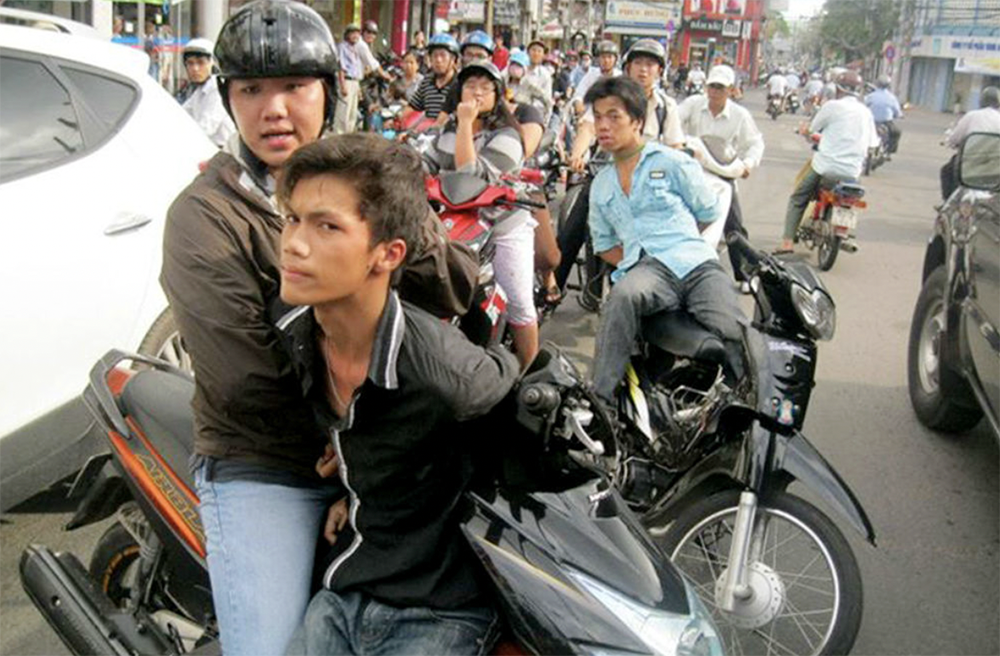
Once a source of public anxiety in Ho Chi Minh City, street snatching is now losing ground; spontaneous “street knight” groups are no longer seen as necessary. Photo: L.H.L.
A leader from the Criminal Police Division said that elevating the severity of property-related crimes has helped mobilize maximum resources, from criminal investigators and ward-level police to the 363 patrol units, all working in coordination. Under the direction of the Ho Chi Minh City Police leadership, operational forces and grassroots police units have been reorganized to become more streamlined and effective.
“In the past, many victims of theft or snatching often accepted their loss, especially when the value was small, due to hesitation in reporting or doubts about recovery. But that situation has now changed,” the official noted.
Now, when a phone-snatching incident occurs, investigative teams are immediately activated to conduct rapid pursuit based on available traces, rather than waiting for administrative procedures as before. This swift response has created strong deterrence, discouraging potential offenders.
Even cases such as pet theft - once often overlooked at the commune or ward level - are now handled decisively. Recently, the Criminal Police Division has dismantled multiple rings, tracing operations through to distribution networks and slaughter points for prosecution.
In another dimension, the city’s growing sense of safety is reflected in the prompt handling of traffic-related conflicts and swift verification of information circulating on social media. This approach has created a clear deterrent effect, helping maintain social order.
“Eyes in the sky” and cutting crime at its roots

Theft cases involving pets are now treated as major crimes and pursued to the end. Photo: Police
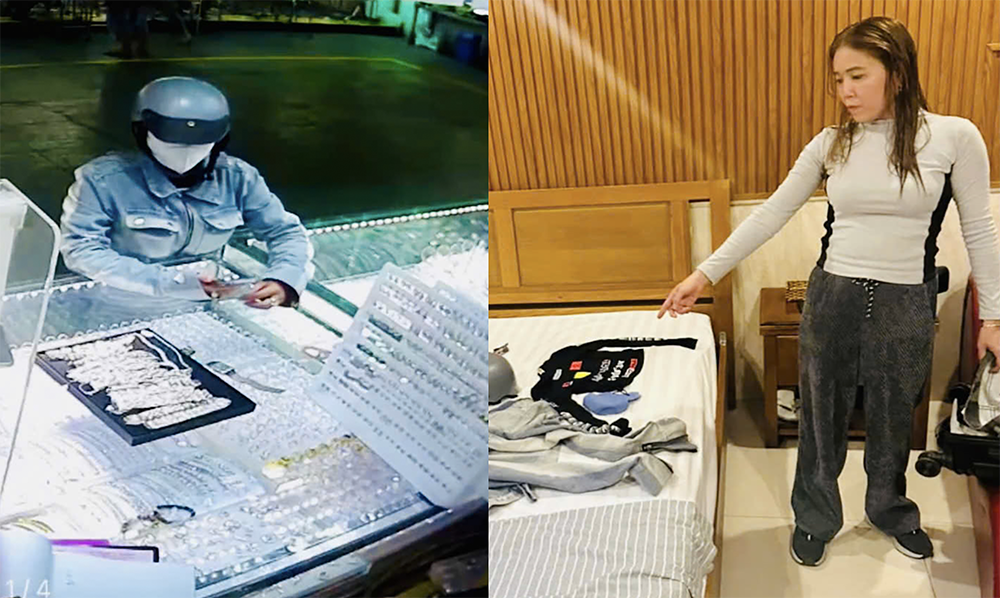
A suspect involved in thefts at gold shops in Ho Chi Minh City was arrested just seven hours after committing the crime. Photo: Police

The city’s smart surveillance camera system acts as an “all-seeing eye,” deterring street crime. Photo: Nguyen Hue

According to Ho Chi Minh City Police, the decline in street crime also bears the imprint of technology.
Colonel Nguyen Dinh Duong, Deputy Director of the city’s police, said the smart city initiative has turned surveillance cameras into an effective “extended arm” of law enforcement. AI-powered camera systems at gateways and residential areas can recognize license plates, identify faces, and analyze the movement of suspicious individuals.
As a result, in many snatching cases, images of suspects are immediately transmitted to command centers, enabling patrol units to intercept and apprehend offenders within minutes.
With fewer “blind spots” on the streets, criminals are losing their ability to hide. The rising success rate in solving robbery cases reflects the effectiveness of this surveillance network.
At the same time, in-depth analysis of criminal records shows that more than 70 percent of street crime offenders are drug users or have links to narcotics. Drugs are identified as a root cause, driving impulsive and often reckless criminal behavior.
Recognizing this, the city has intensified efforts to build “drug-free communes and wards.” Local authorities have strengthened community management of addicts, dismantled retail drug points, and enforced compulsory rehabilitation. As supply chains are disrupted and users are more tightly controlled, the number of high-risk offenders has declined significantly.
Another key pillar sustained over many years is the nationwide movement to protect national security. Public vigilance, combined with rapid response from community-based security groups, has helped form a strong grassroots security network.
In the era of digital connectivity, interaction between citizens and the police has been maximized. Each resident becomes a “watchful eye,” providing valuable information that supports effective local management. Many community-based models have been expanded, delivering positive results.
Recently, the Volunteer Club for City Safety - a collaboration between Ho Chi Minh City Police and socio-political organizations, led by the Drug Crime Investigation Division - has shown initial effectiveness in raising public awareness, particularly among young people, about crime prevention and drug control.
According to city police, ensuring that street crime no longer has “room to survive” requires a combination of synchronized professional measures. It is the result of a sustained effort, not only by law enforcement but by the entire political system and every citizen.
A more livable city is gradually taking shape - reflected in improved security, social order, and a growing sense of safety on every street.
Dam De
.svg)
