 Vietnamnet.vn

 Podcast



Although he graduated from university, A Huyen, an ethnic Xo Dang man from Village 3 in Dak To commune, Quang Ngai province, chose a different path: to return to his hometown and devote himself to crafting traditional musical instruments. For him, the sound of these instruments is the voice of the great forest.
Growing up with the music of the mountains
Born and raised in Tu Mo Rong commune, home to majestic waterfalls, towering mountains, ancient forests, and traditional Xo Dang villages, A Huyen was immersed from a young age in the rhythms of gongs, the T’rung, Ting ning, and Klông pút whenever his village celebrated a festival.
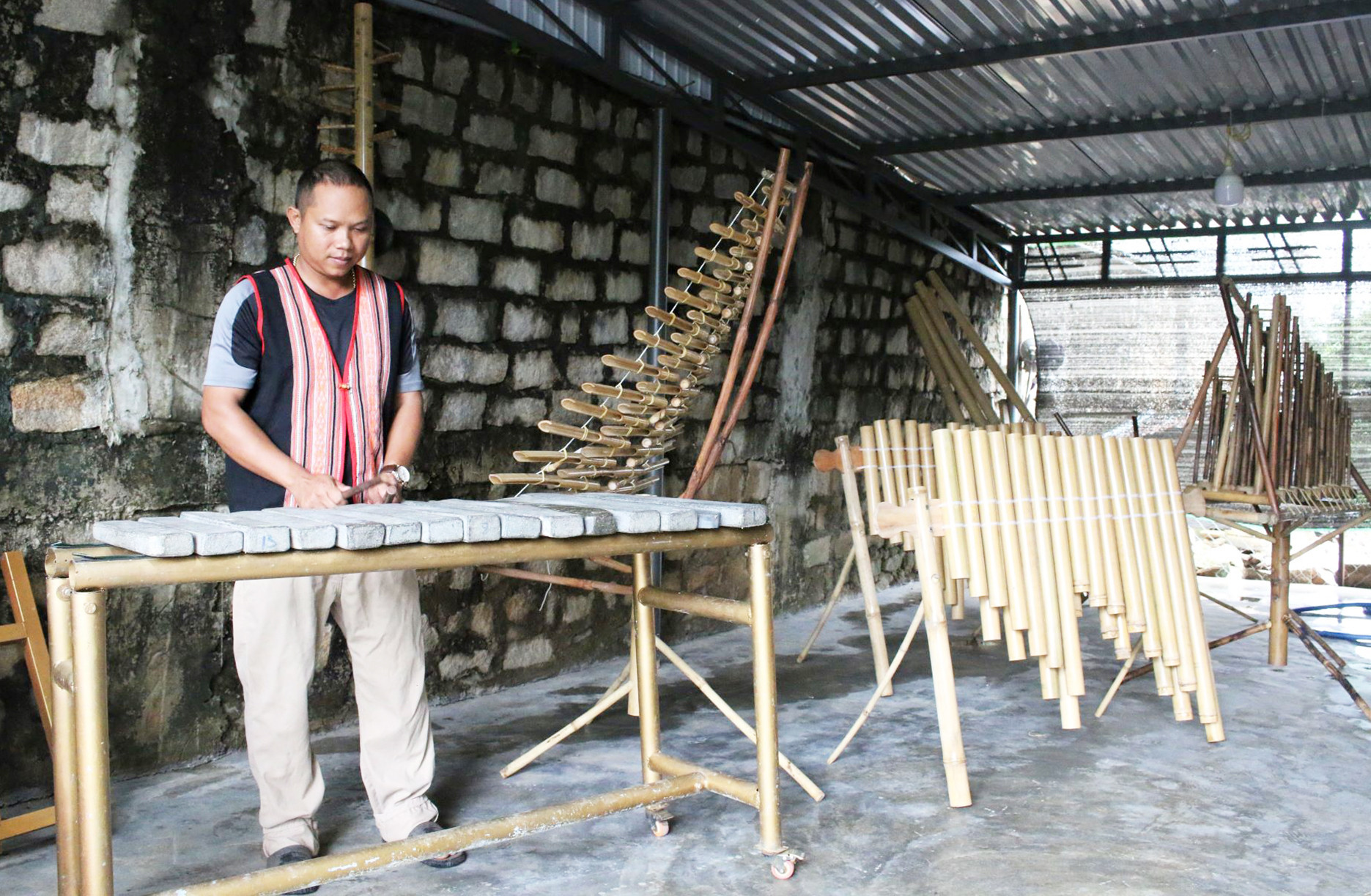
“As a child,” A Huyen shared, “I would go to every village celebration and watch the elders rehearse or perform traditional music. I was fascinated by the sound - it had a strange pull. I started learning to play, and over time, I picked up various performance techniques. When I was 15, my family moved to Dak To, away from the village. But the passion stayed with me, and I dreamed of crafting those instruments myself.”
With support from his family, A Huyen attended the Military University of Culture and Arts in Hanoi. After graduating in 2014, he chose to return to his roots and dedicate himself to preserving the fading sounds of traditional Xo Dang instruments.
In the early days, crafting instruments was a struggle. The sound wasn’t quite right, and tuning was a challenge. But with knowledge from university and guidance from elderly artisans, he gradually honed his skills.
“Since I crafted my first T’rung over ten years ago, I’ve learned to make many instruments, including bamboo zithers, Klông pút, T’rung, Ting ning, stone xylophones, and tuned gongs,” he said.
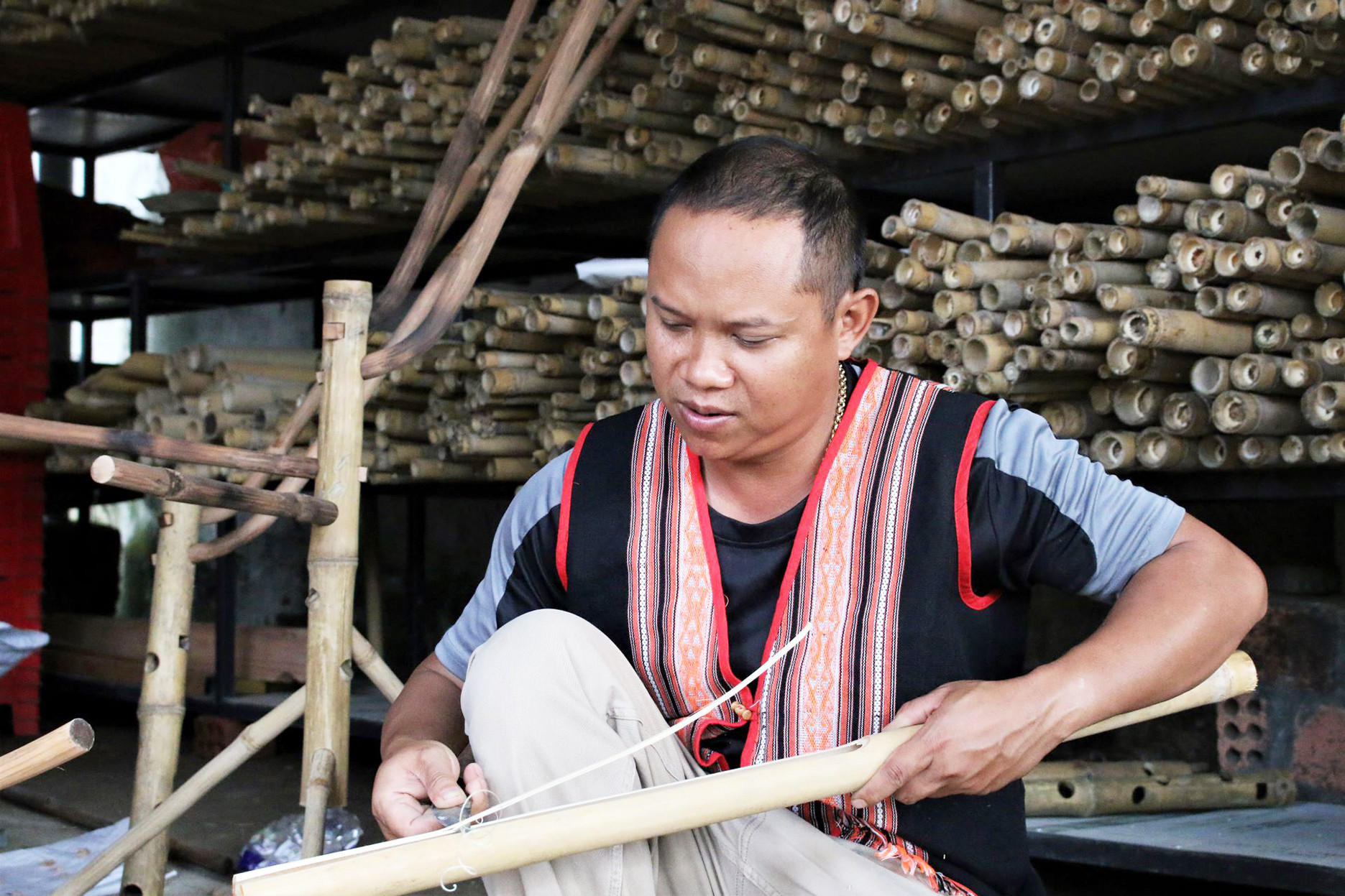
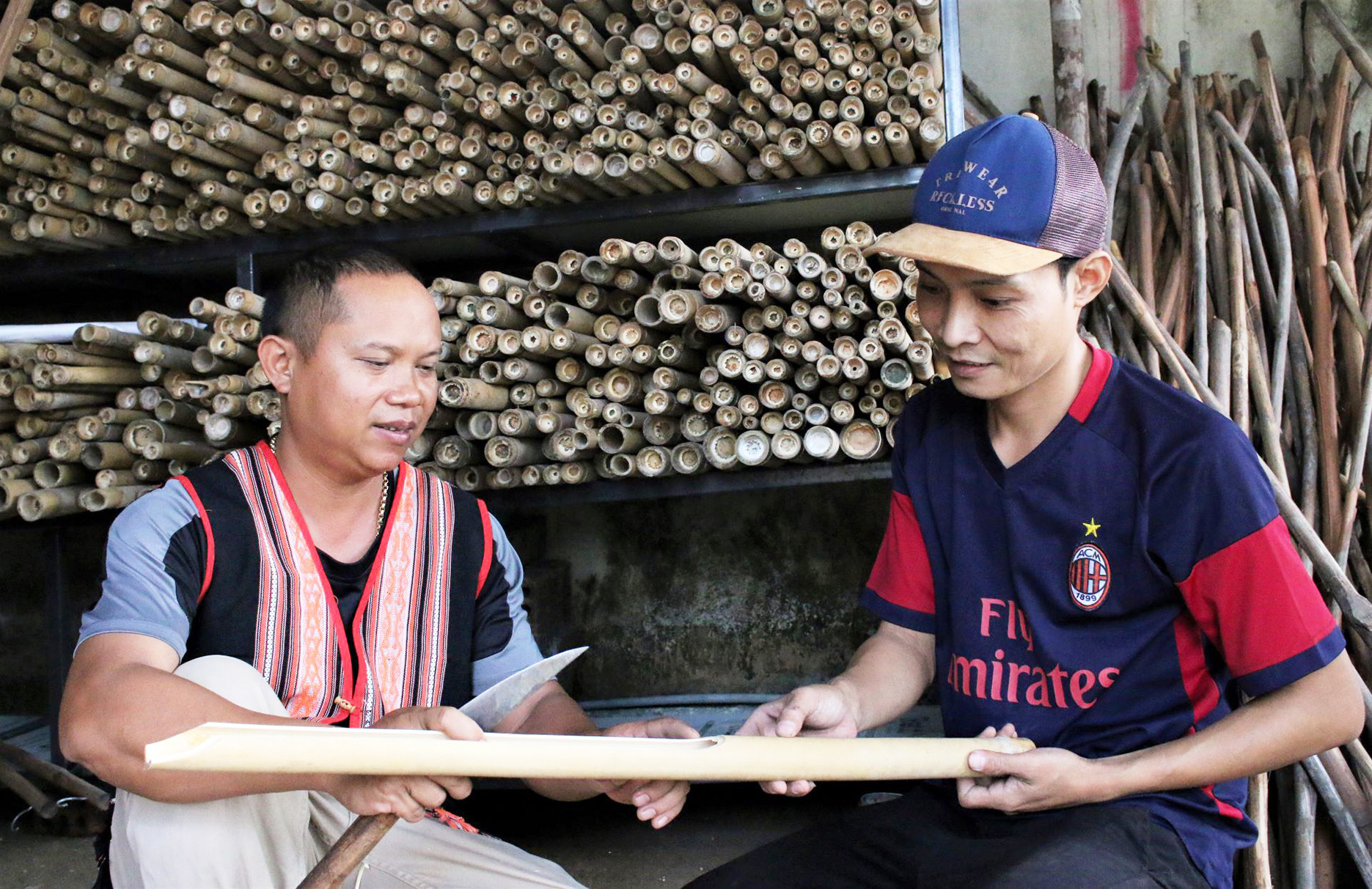
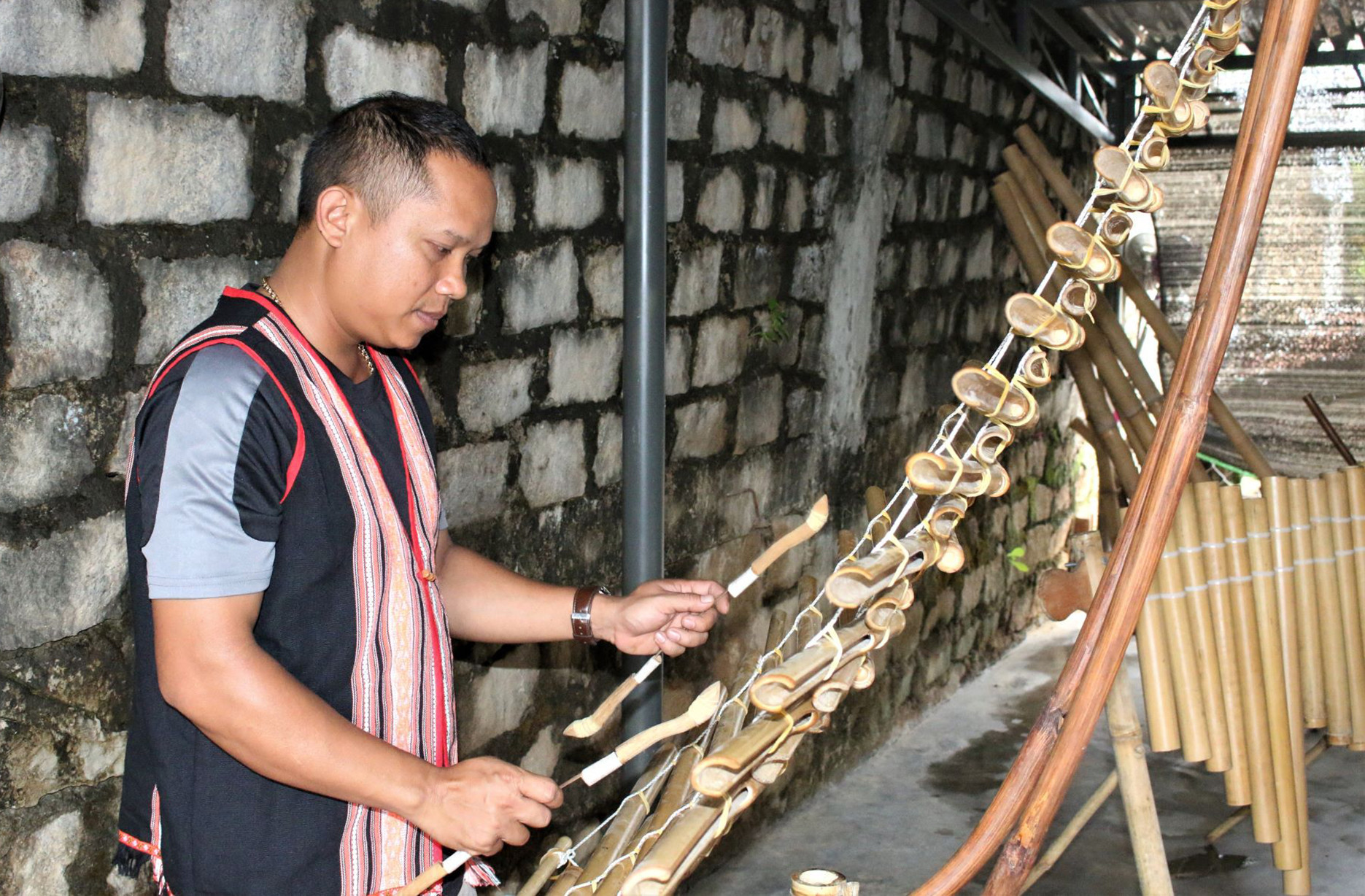
Now, he is one of the few people in Dak To commune who can both craft and expertly perform with Xo Dang instruments, including the ceremonial gongs. More importantly, he’s passing that fire on to the local youth.
Living through his passion
To support his livelihood while pursuing his passion, A Huyen actively promotes his instruments on social media. Local authorities also regularly invite him to perform at cultural events and festivals within and beyond the province. This visibility has brought recognition and steady orders, helping generate income.
“In the past,” he recalled, “it was easy to find materials - bamboo, rattan, and reeds were everywhere. Now, I have to go deep into the forest to source them, which increases costs. Fortunately, orders for my instruments, priced from USD 120 to 600, help cover production expenses and allow me to save.”
Beyond crafting, he actively teaches gong and traditional music classes at ethnic minority villages and local schools across Quang Ngai. For him, spreading cultural values to the next generation is his greatest joy.
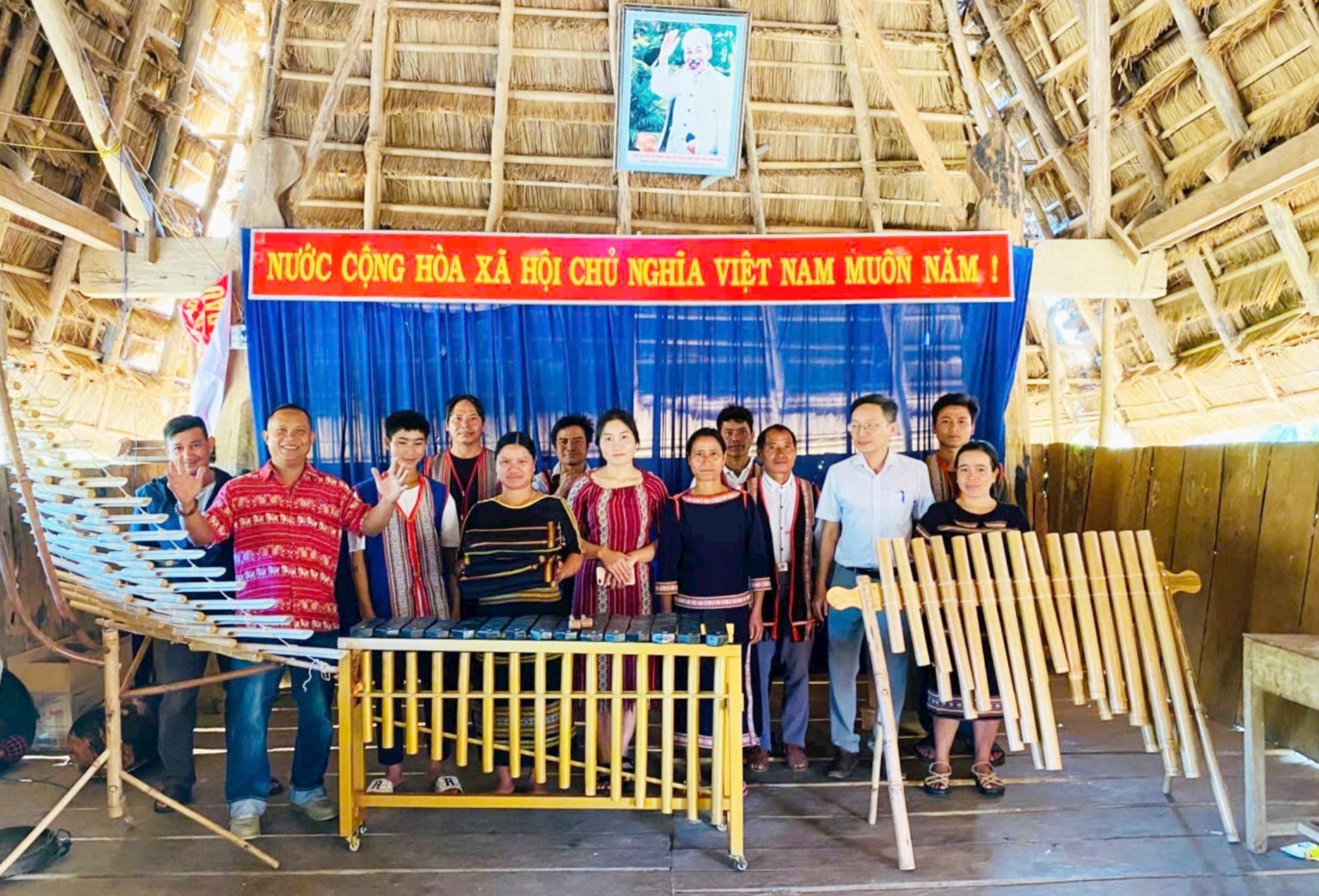
“During workshops with youth, I see genuine enthusiasm for our heritage,” he said. “That’s why I plan to form a youth group focused on traditional music and instrument-making, so we can preserve and share our culture more widely among the younger generation.”
Now 40 years old, A Huyen considers the crafting of traditional instruments not just a passion but a lifelong mission to protect and promote the cultural identity of his people. Thanks to his tireless efforts, the preservation of local heritage in Quang Ngai is on a hopeful path.
Phan Huu Trung
.svg)
