 Vietnamnet.vn

 Podcast



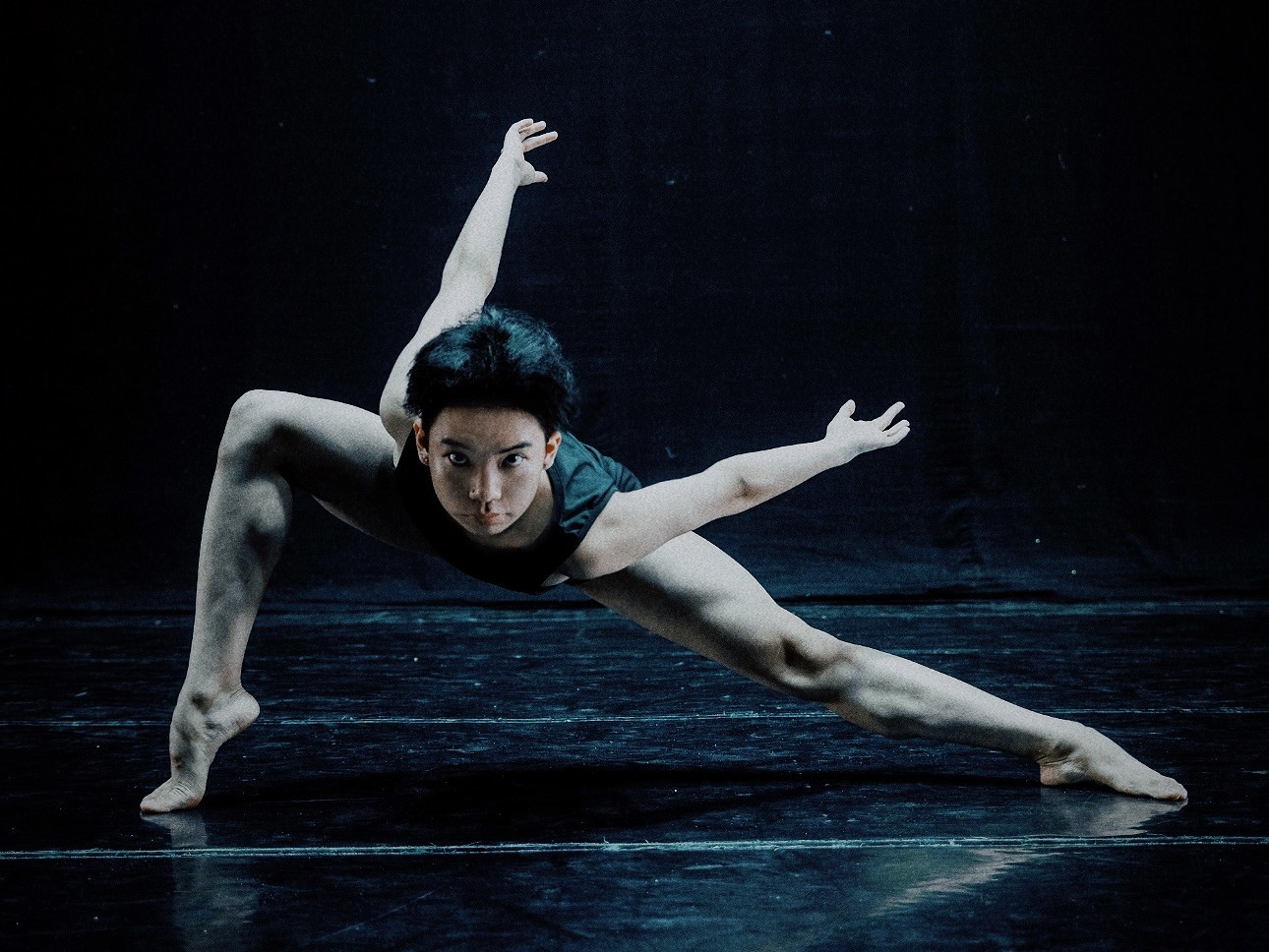
Tai Quang Thanh, born in 2006, is currently a first-year student majoring in dance choreography at Hanoi University of Theatre and Cinema. Growing up in Dong Van commune, Tuyen Quang province (formerly Dong Van district, Ha Giang), Thanh’s childhood was closely tied to the rich cultural traditions of the Nung ethnic group.
Leaving home at 13 to follow passion for dance
Coming from a family with a tradition in the arts, Thanh often followed his father to performances and art programs from a young age. The memory that left the deepest impression on him was the first time his father took part in organizing the Buckwheat Flower Festival, a major cultural event of the rocky plateau. From that vibrant stage, Thanh’s passion for dance gradually took shape.
In 7th grade, noticing his son's passion, Thanh’s father suggested he try auditioning for the Vietnam Dance Academy. That suggestion marked a major turning point for the Nung young boy.
At 13, Thanh decided to leave his hometown for Hanoi, officially beginning a six-year journey at the academy.
The early days away from home were not easy. At the dormitory, many friends would go home to their families on weekends, while Thanh, because of the distance, had to stay at dorm. He only returned home for the Lunar New Year and summer vacations. Occasionally, his parents would arrange their work to visit him.
"There were times when I felt lonely and homesick; I would dance by myself as a way to release my emotions," Thanh said.
At the Vietnam Dance Academy, Thanh balanced general education with specialized training. In the evening, he spent his time practicing. Occasionally, he took on outside performances to earn his own pocket money instead of asking his parents.
During six years of study, the most memorable milestone for Thanh was winning first prize at the provincial semi-professional singing and dancing festival of the former Ha Giang province when he was only in grade 9.
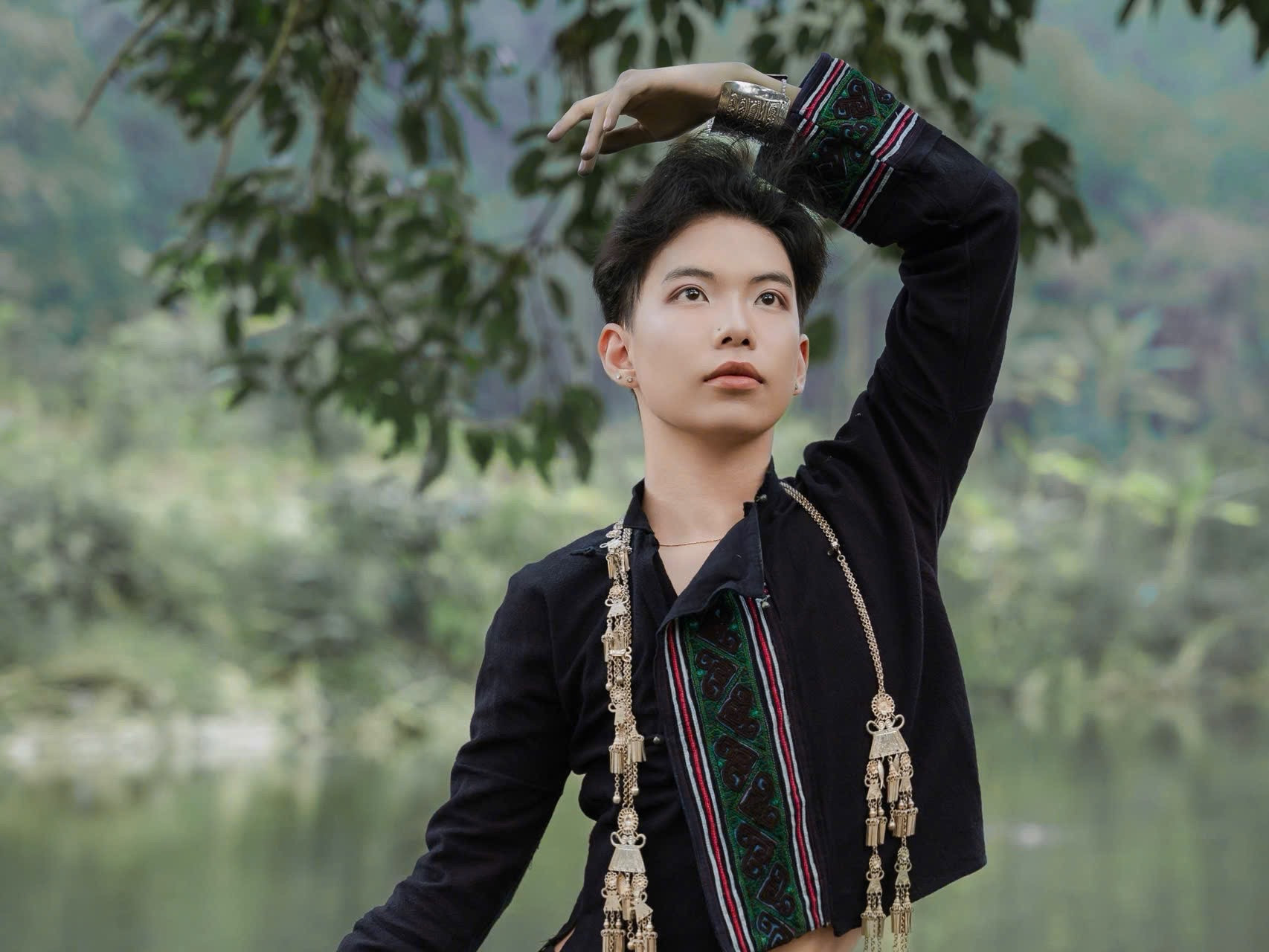
“Representing Dong Van district, I was extremely happy when my name was announced. That award strengthened my belief and motivation to stay committed to dancing,” Thanh said.
Torn between two paths
In 2024, after graduating, faced with the choice of continuing to go to university or starting work immediately, Thanh decided to work at the former Ha Giang Provincial Art Troupe, following the path of many seniors. There, he had the opportunity to take part in a national singing and dancing festival.
Standing on a major national stage for the first time, despite his anxiety, Thanh poured all his emotions and technique into the performance "Ka DongKu" (Black Mask) of the Dao ethnic group. As a result, he won a Gold Medal.
The award was not just personal recognition; it gave Thanh the courage to step out of his comfort zone and reinforced his belief that ethnic minority dance still holds public interest and has strong potential for development.
While working with the troupe, Thanh developed a desire to be more creative and go deeper into preserving and developing the traditional dance heritage of ethnic minorities through modern artistic language.
Previously, at the Vietnam Dance Academy, Thanh had been formally trained in dance drama and ballet. At the local troupe, he primarily performed folk and ethnic dances. This shift made him realize that the cultural treasury of ethnic groups is incredibly rich, with many "lands" yet to be explored.
Believing that studying choreography would allow him to turn creative ideas tied to daily life, customs and beliefs of ethnic communities into reality, Thanh decided to sit the formal entrance exam for Hanoi University of Theatre and Cinema. Thanks to persistent effort, in 2025 he became the runner-up in the entrance exam for the dance choreography major.
Entering a new learning environment, Thanh gradually realized that men studying dance face few limitations, and may even have advantages due to physical strength, explosive power, endurance and the ability to perform difficult techniques. He also highly values the training environment of the Dance Department, where lecturers are dedicated, attentive, inspiring and passionate about passing on the profession to students.
“This is a very good environment for me to learn from experience, practice my professional skills and create unique dances,” Thanh said.
According to Thanh, to become a good choreographer, technique and emotion must always go hand in hand. “If there is only technique without emotion, the work will lack depth,” he said.
Thuy Nga
.svg)
