 Vietnamnet.vn

 Podcast



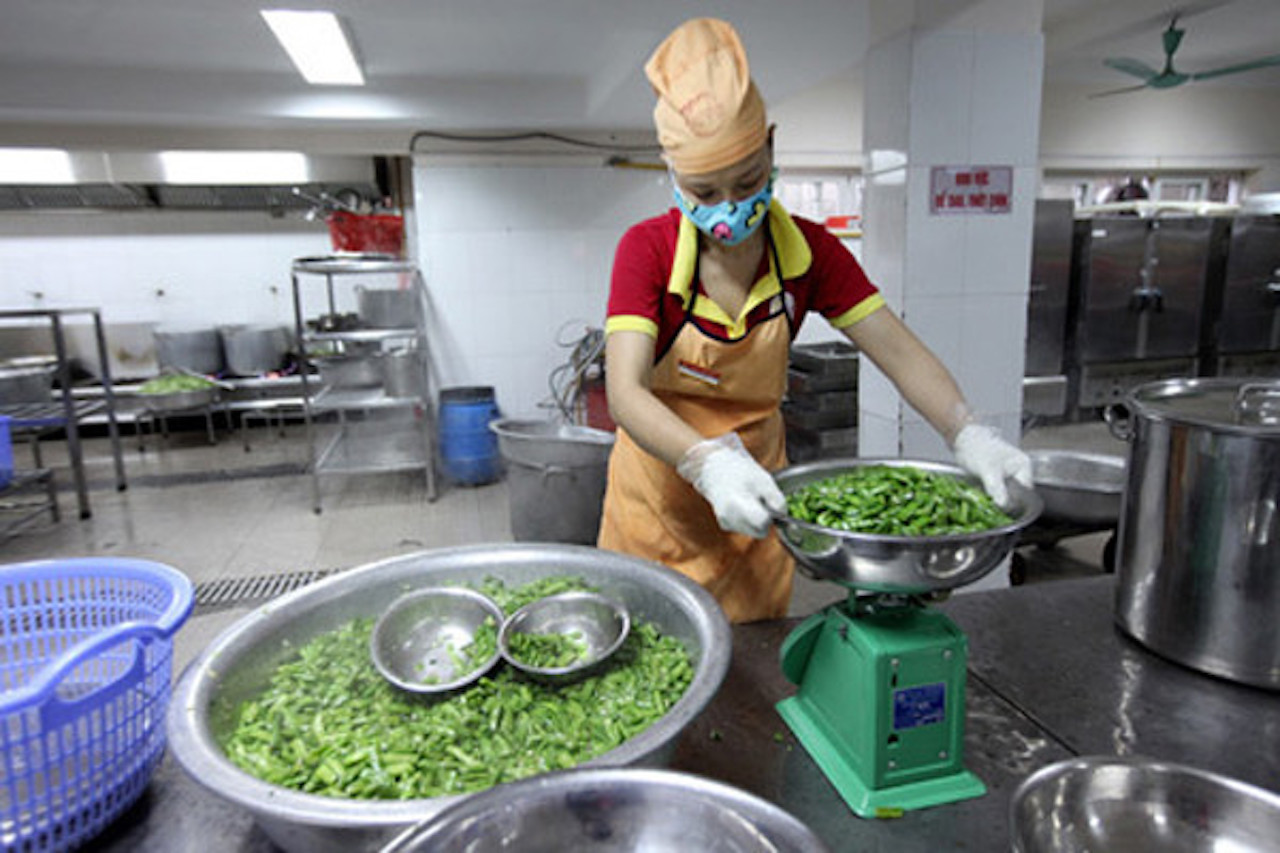
According to the agency, intersectoral inspection teams from central and local levels carried out simultaneous enforcement campaigns across the country, focusing on strict monitoring of the food supply chain.
The inspections targeted food production and trading establishments, industrial kitchens, catering services, street food vendors, importers, wholesale markets, shopping centers, supermarkets, traditional markets, slaughterhouses and food transportation facilities.
Authorities also strengthened oversight of smuggling activities, counterfeit products, substandard goods and expired food items.
Inspection results showed that among 62,052 establishments examined nationwide, 5,749 were found to have violated food safety regulations, representing 9.26% of the total inspected.
Competent authorities imposed penalties on 3,687 establishments, with total fines exceeding VND22.4 billion ($862,000).
In addition, enforcement agencies confiscated 15 tonnes of smuggled goods during the campaign.
Beyond financial penalties, authorities suspended the operations of 29 establishments. Goods ordered for destruction from 110 violating businesses were valued at more than VND3.35 billion ($129,000).
Inspection teams also seized 15 tonnes of products with unclear origins.
The confiscated goods primarily included pork skin, sausages, confectionery products and frozen foods.
The Food Safety Authority said complete case files relating to 17 serious violations had been transferred to investigative agencies for further handling in accordance with the law.
The nationwide campaign comes amid heightened public concern over food safety and a series of recent incidents involving contaminated food supplies, school meal programs and the distribution of substandard food products.
Strengthened oversight across the food supply chain
Officials said the inspections were designed to tighten control over every stage of the food supply chain, from production and importation to distribution and consumption.
Particular attention was given to collective kitchens, food service providers, traditional markets and facilities considered at higher risk of food safety violations.
The Ministry of Health has repeatedly emphasized the need for stricter enforcement and stronger accountability as authorities work to reduce foodborne illness risks and improve consumer confidence.
N. Huyen
.svg)
