 Vietnamnet.vn

 Podcast



The Gia Long Royal Well, also known as the Gia Long Ngu Well, is more than 200 years old and remains one of the relics associated with legends about Emperor Gia Long during the years when he was fleeing the pursuit of the Tay Son army.
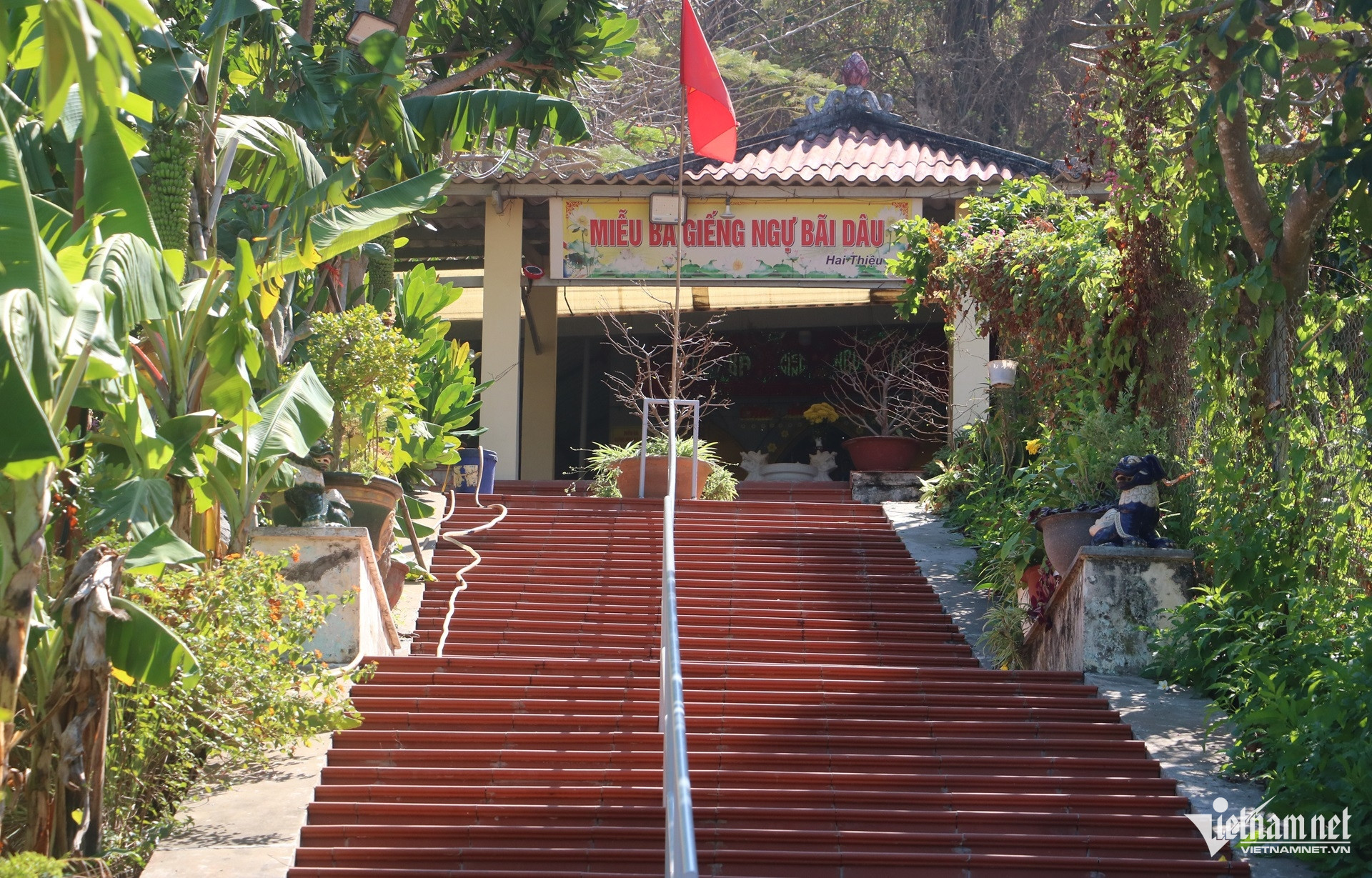
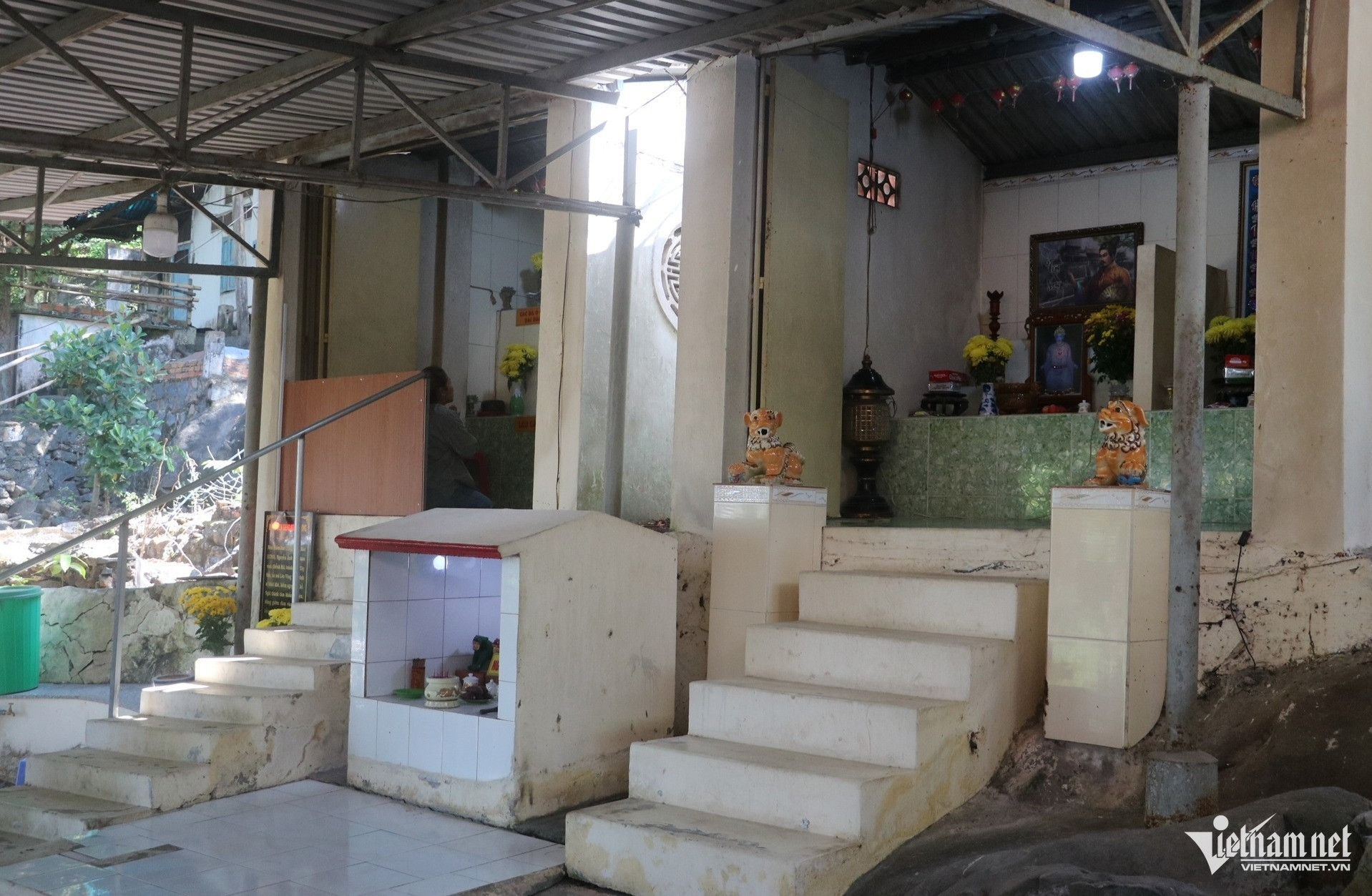
The well is located on the slope of Big Mountain, in alley 90 on Tran Phu Street in Vung Tau ward of Ho Chi Minh City. It sits behind the Five Elements Lady Temple, collectively known as Ba Gieng Ngu Bai Dau Temple.
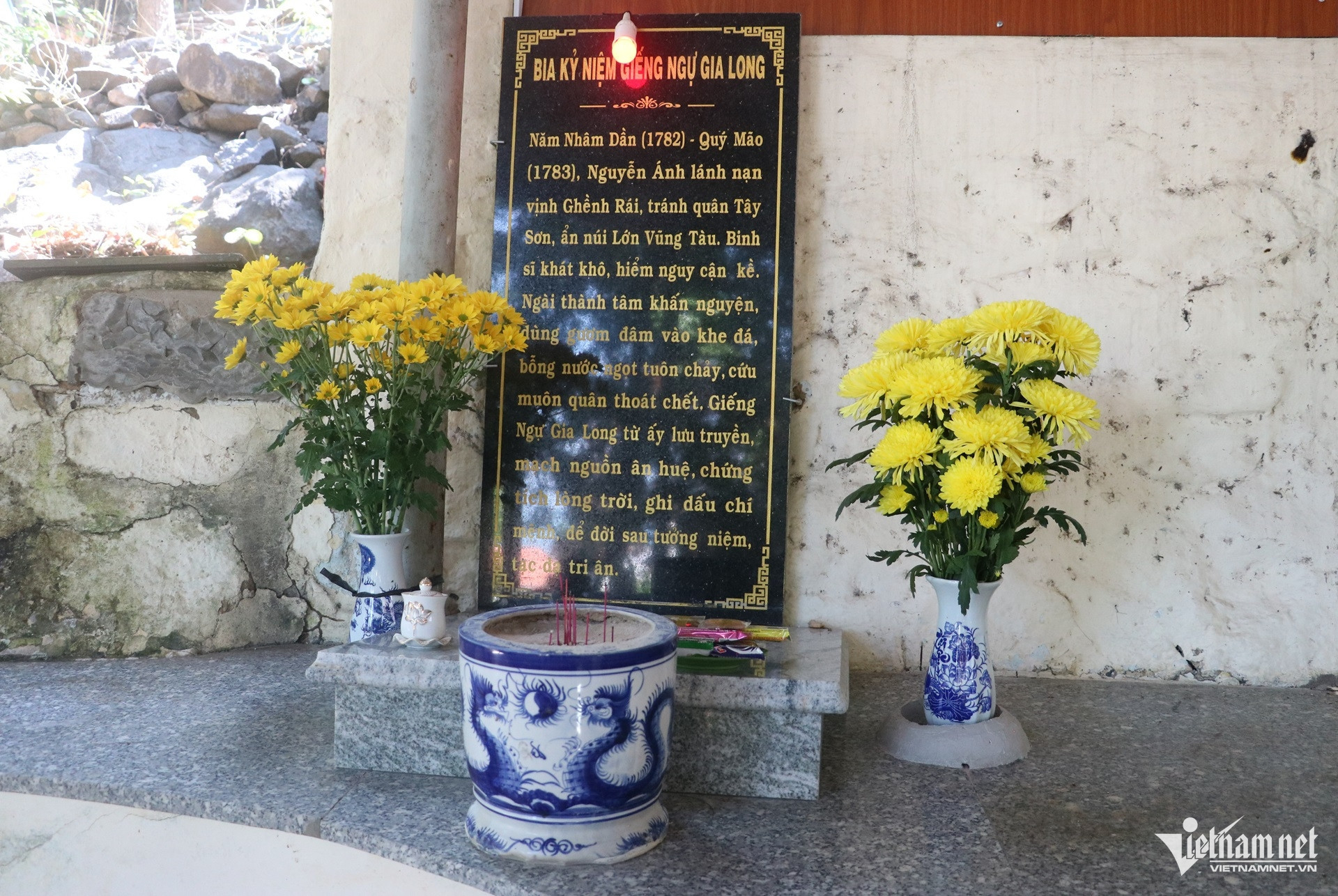
According to folk stories and records in the book Vung Tau Past and Present, in the years Nham Dan (1782) and Quy Mao (1783), Nguyen Anh - later Emperor Gia Long - fled the pursuit of Tay Son forces and arrived at Ghenh Rai Bay, taking refuge on Big Mountain in Vung Tau.
Because the area was surrounded by sea, fresh water was difficult to find and his soldiers were exhausted from thirst.
Legend has it that Nguyen Anh thrust his sword into a crevice in the rock and prayed. Fresh water then suddenly gushed out. He ordered the area to be widened and turned into a well for use.
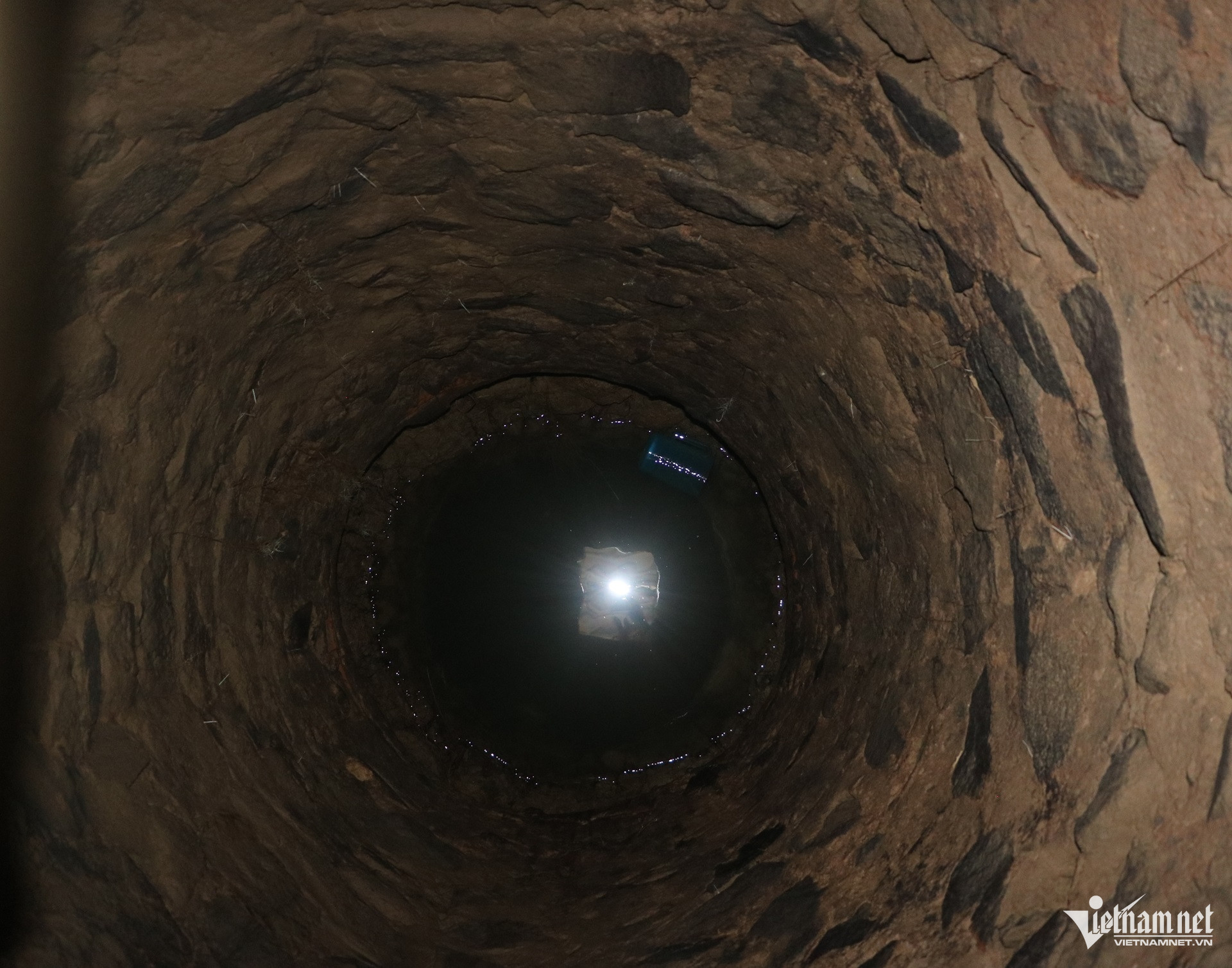
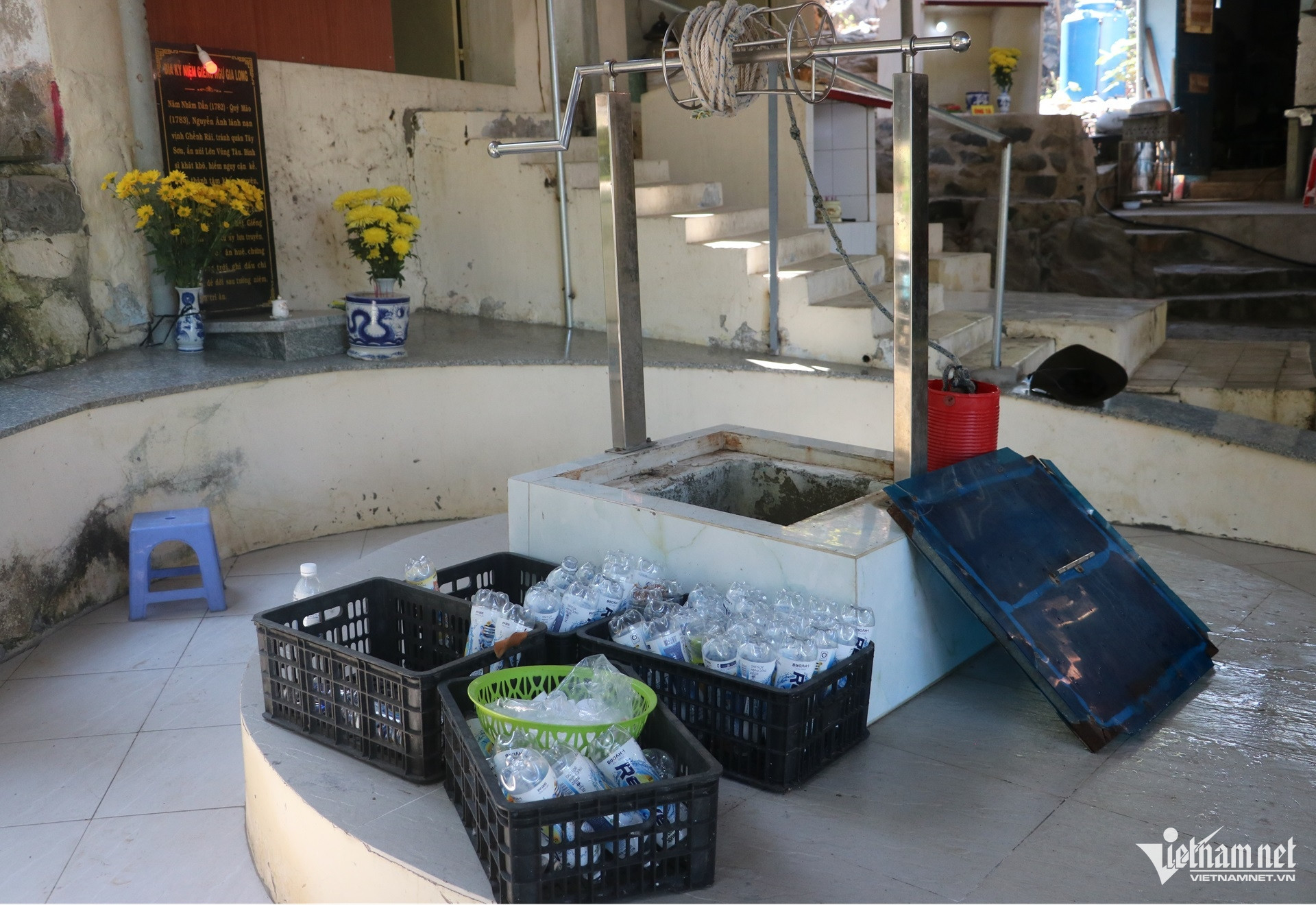
The well was built from laterite stone and has a circular shape. Its water source has never run dry throughout the year. After more than two centuries, the structure remains largely intact and is regarded as a trace of a turbulent historical period during the early Nguyen dynasty.
The mouth of the well is about 80 centimeters wide and approximately five to six meters deep. Despite its location near the sea, the water inside remains fresh year-round.
A commemorative stone stele stands beside the well. Installed by the former Ba Ria - Vung Tau Provincial Museum, it summarizes the history of the well and its connection to Gia Long’s escape from the pursuing Tay Son army.
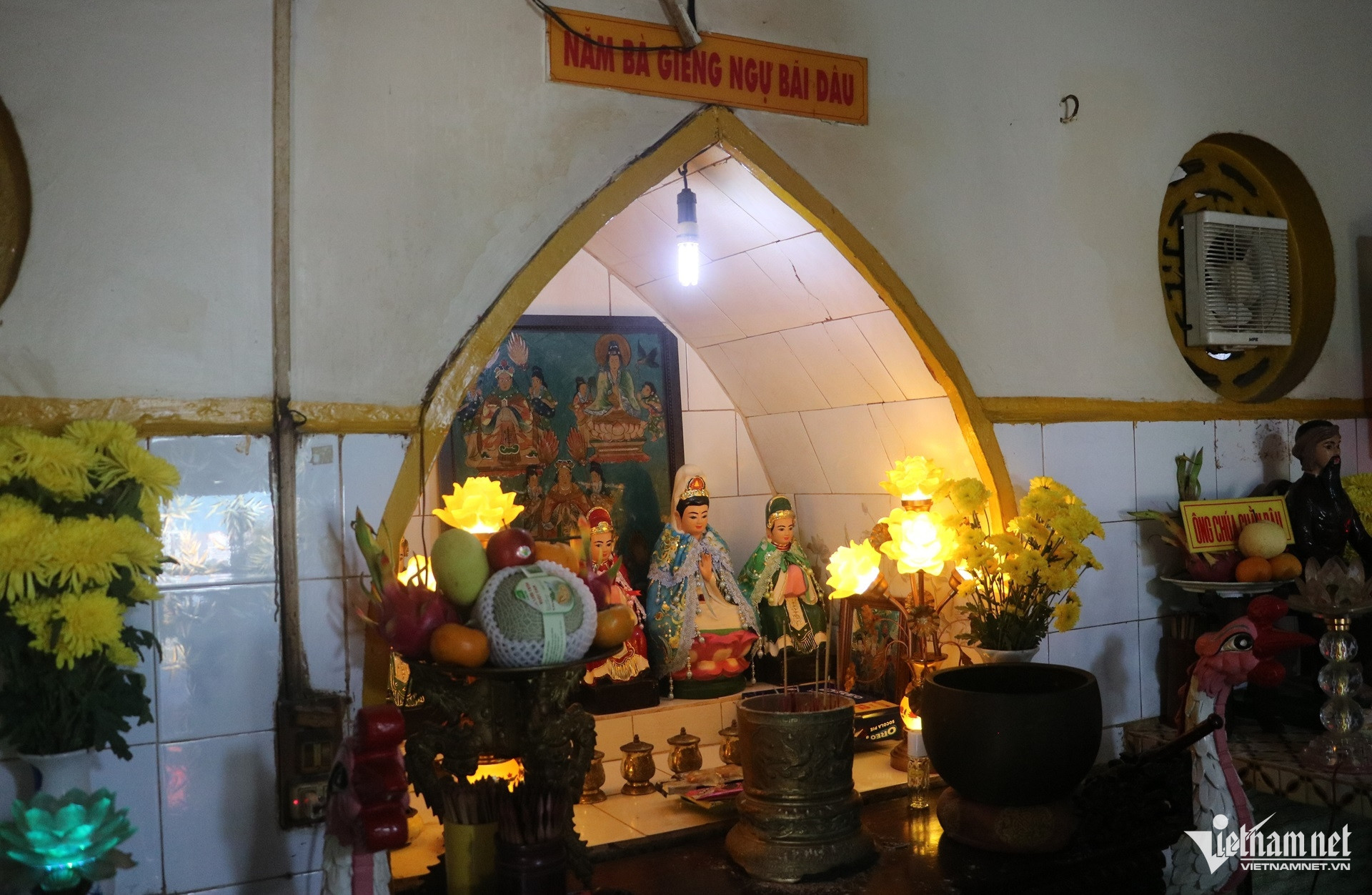
In front of the well stands a temple dedicated to the Five Holy Mothers, part of the Vietnamese Mother Goddess worship tradition. The shrine venerates five female deities believed to protect and govern the surrounding mountains. It also worships mountain spirits, Emperor Gia Long, the Bodhisattva Quan Am, the Five Tigers and the royal well itself.
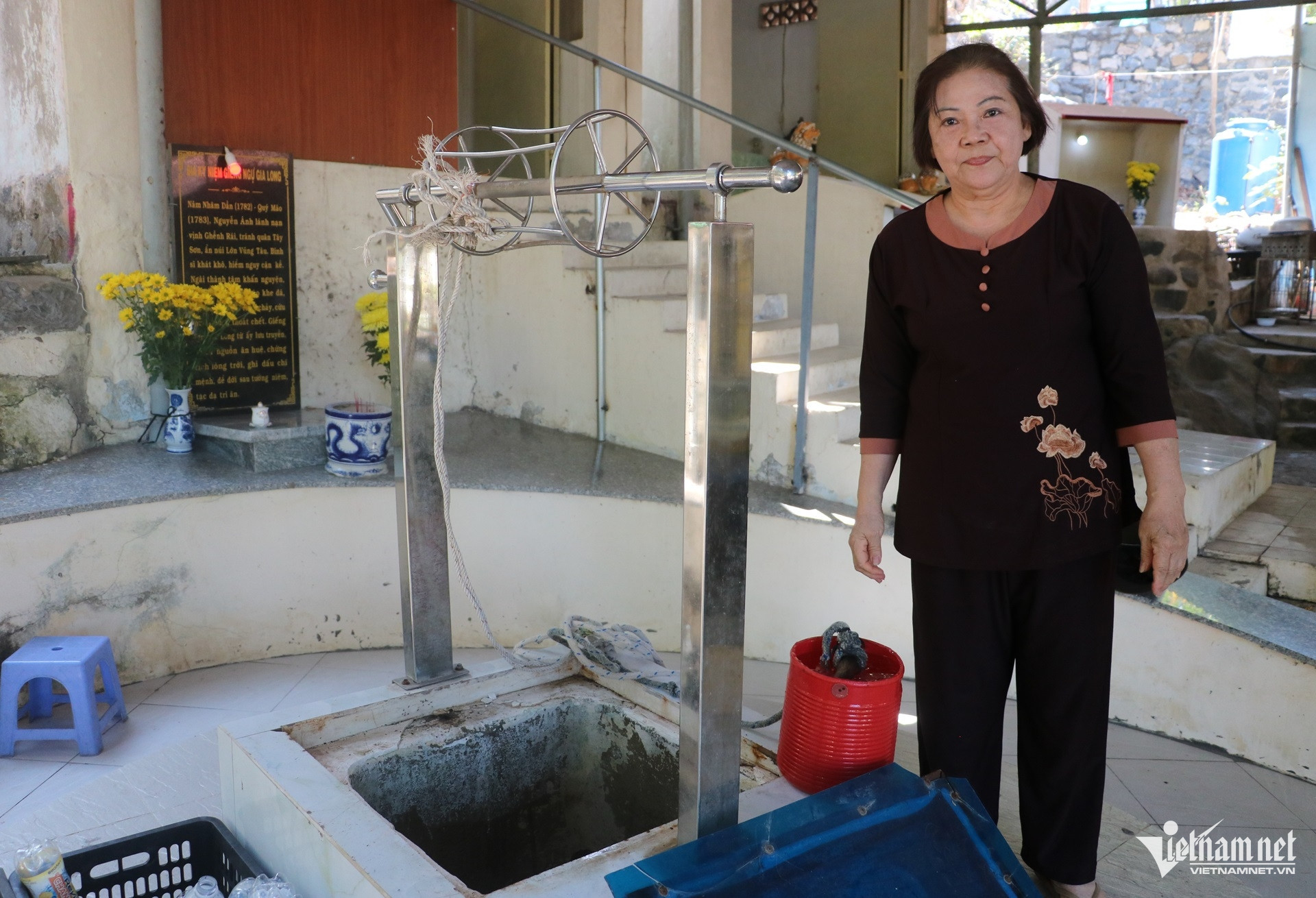
Speaking with VietNamNet, Nguyen Thi Thuy Phuong, 66, who manages Ba Gieng Ngu Bai Dau Temple, said that in 1935 her grandfather Hai Thieu discovered the site while gathering firewood in the mountains.
He found a small shrine containing images of the Five Holy Mothers, alongside the ancient well linked to the legend of Gia Long.
Afterward, Hai Thieu rebuilt the small shrine into a proper temple and named it Ba Gieng Ngu Temple. Since then, the temple and the well have been preserved and cared for by generations of Phuong’s family.
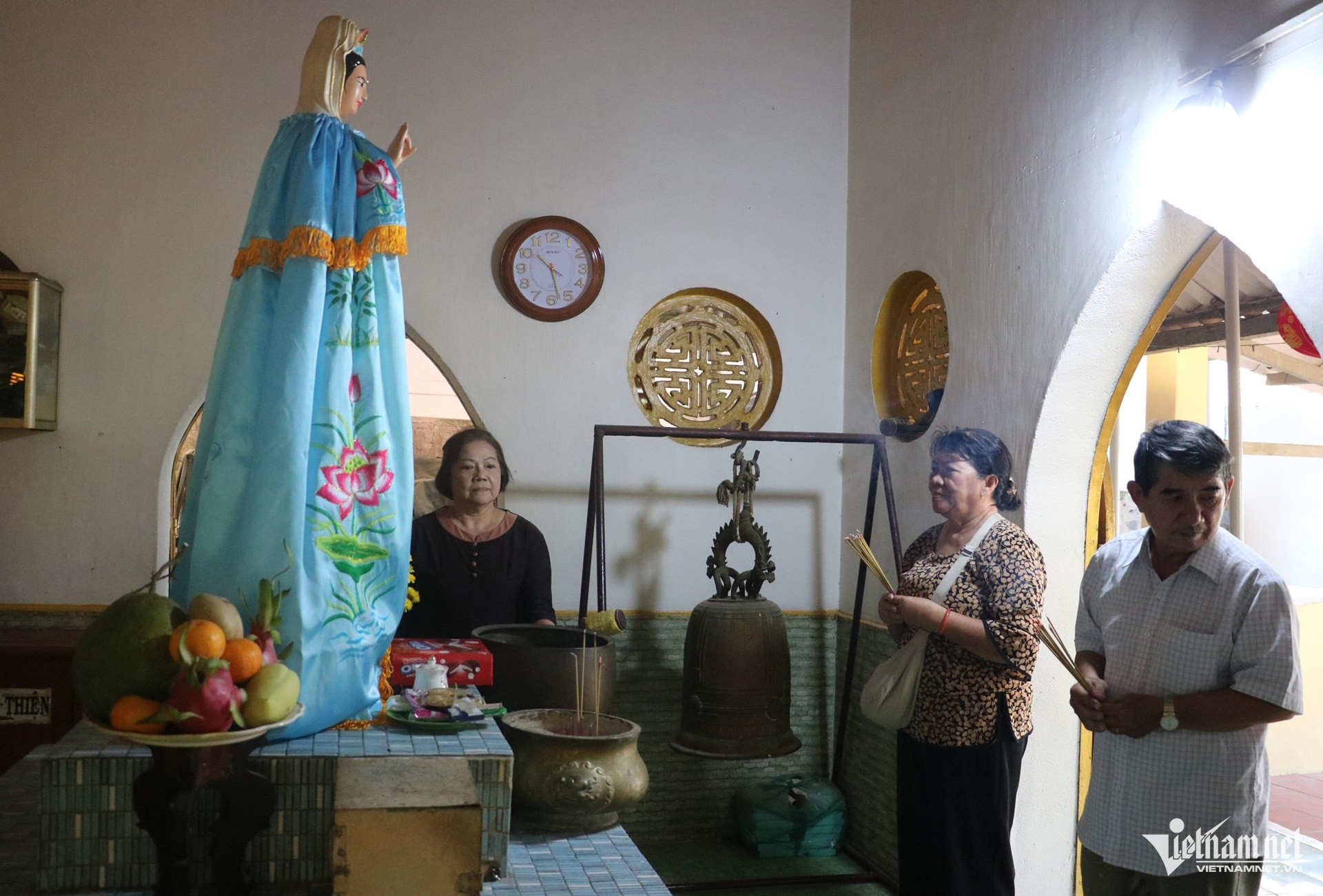
Today, Gia Long’s well is not only a historical relic but also a spiritual destination attracting both locals and tourists. Many visitors believe the water carries symbolic blessings and often take some home in hopes of health and peace.
In 2019, the temple and the well were renovated. Phuong’s family now prepares bottles filled with water from the well to give to pilgrims.
According to Phuong, each year on the 16th day of the third lunar month, the temple holds a ceremonial offering to the Holy Mothers. The ritual includes vegetarian dishes, fruit and betel leaves.
Following the traditions of Mother Goddess worship, offerings are prepared on trays and presented during the ceremony. The event attracts hundreds of local residents and visitors every year.
Quang Hung
.svg)
