 Vietnamnet.vn

 Podcast



Thao Trinh
Con lich
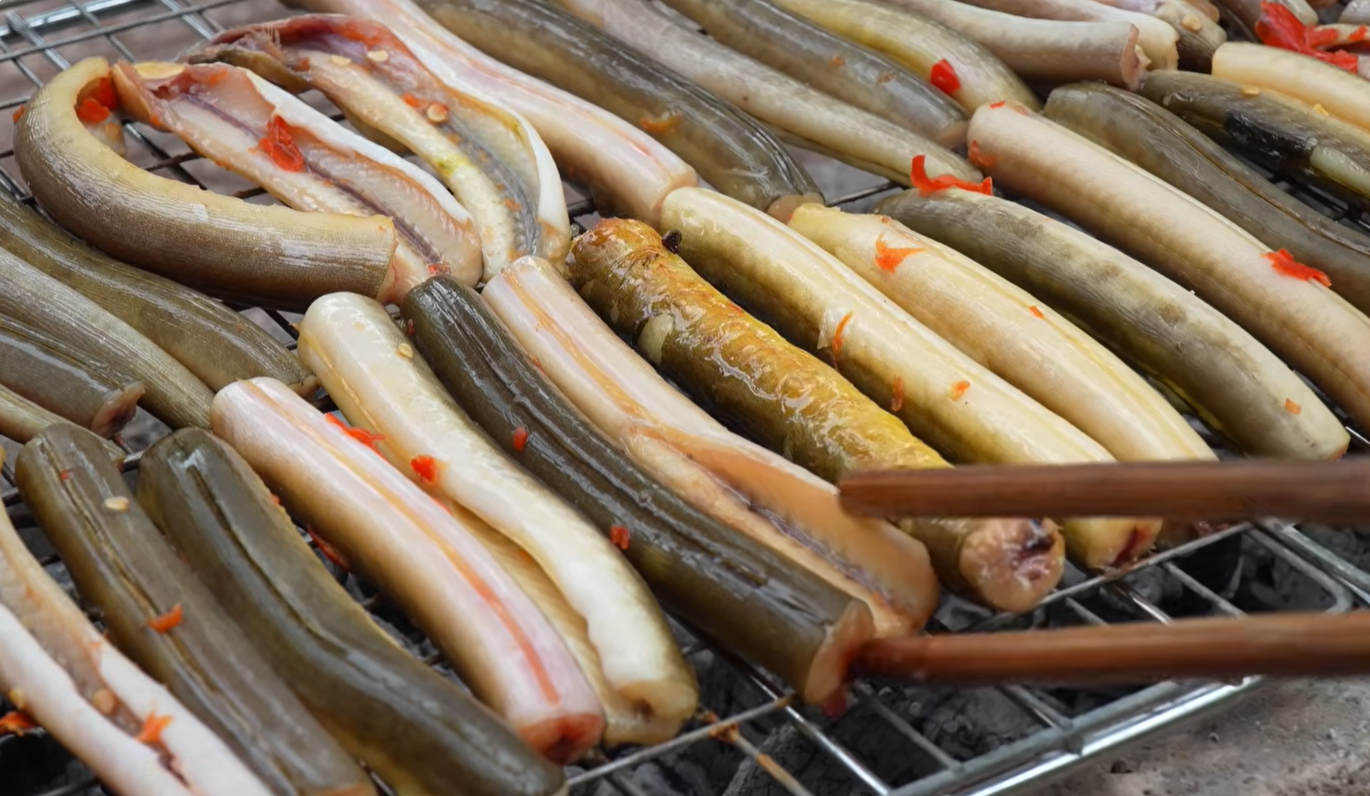
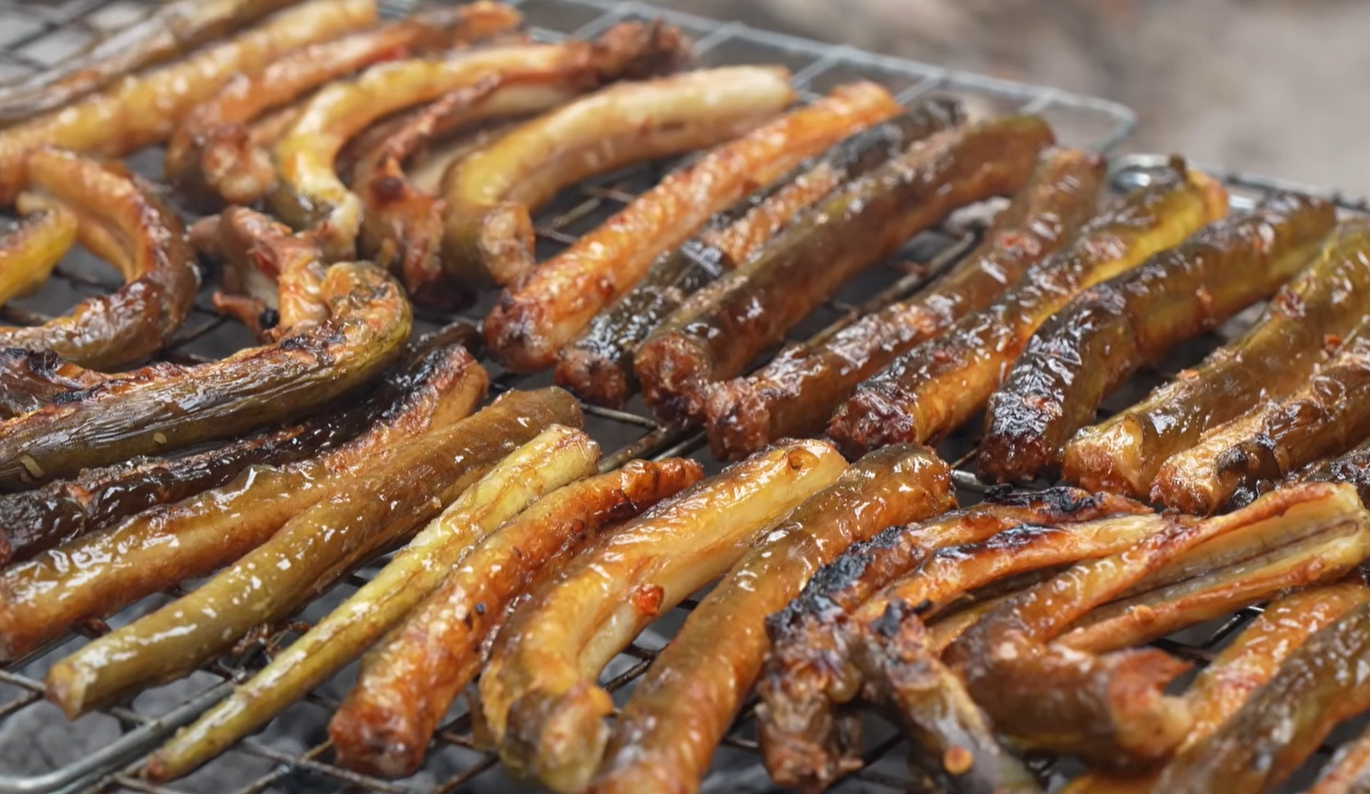
Known in Vietnamese as con lich, and in some places as lach dong, this eel-like aquatic creature is a characteristic food of Vietnam’s river and wetland regions.
It can be found in many parts of the country but is particularly common in the waterways of the Mekong Delta and along the central coast, especially around the former provinces of Quang Ngai and Binh Dinh.
Con lich is generally available throughout the year, but it is most abundant and considered tastiest during the rainy and flood season, typically from the eighth to the tenth lunar month, when rising water spreads through rivers, streams and lagoons.
Some varieties, however, appear during the low-water season, between the fourth and sixth lunar months.
According to local residents, con lich tastes best early in its main season. At this point, its bones are soft and its flesh is plentiful and rich. Later in the season, the bones become harder and there is less meat, making it less desirable.
In Vietnam, con lich can be prepared in numerous ways, including grilling, cooking in porridge, making salads, stir-frying and simmering in sour soup.
The most popular preparation, however, is om cu chuoi - a rich braised dish made with banana stem.
Rum bien
Rum bien is another of the unusual foods that locals describe as a gift from nature. It is found mainly along sandy coastal areas of central Vietnam, including Thanh Hoa, Nghe An and Ha Tinh.
Depending on the locality, it may also be known by names such as hai sam or bong thua. The name bong thua, however, can refer to different species from one region to another.
The bong thua found in central Vietnam differs in shape and size from the creature known by the same name in Hai Phong and Quang Ninh, which more closely resembles sa sung, or peanut worm.
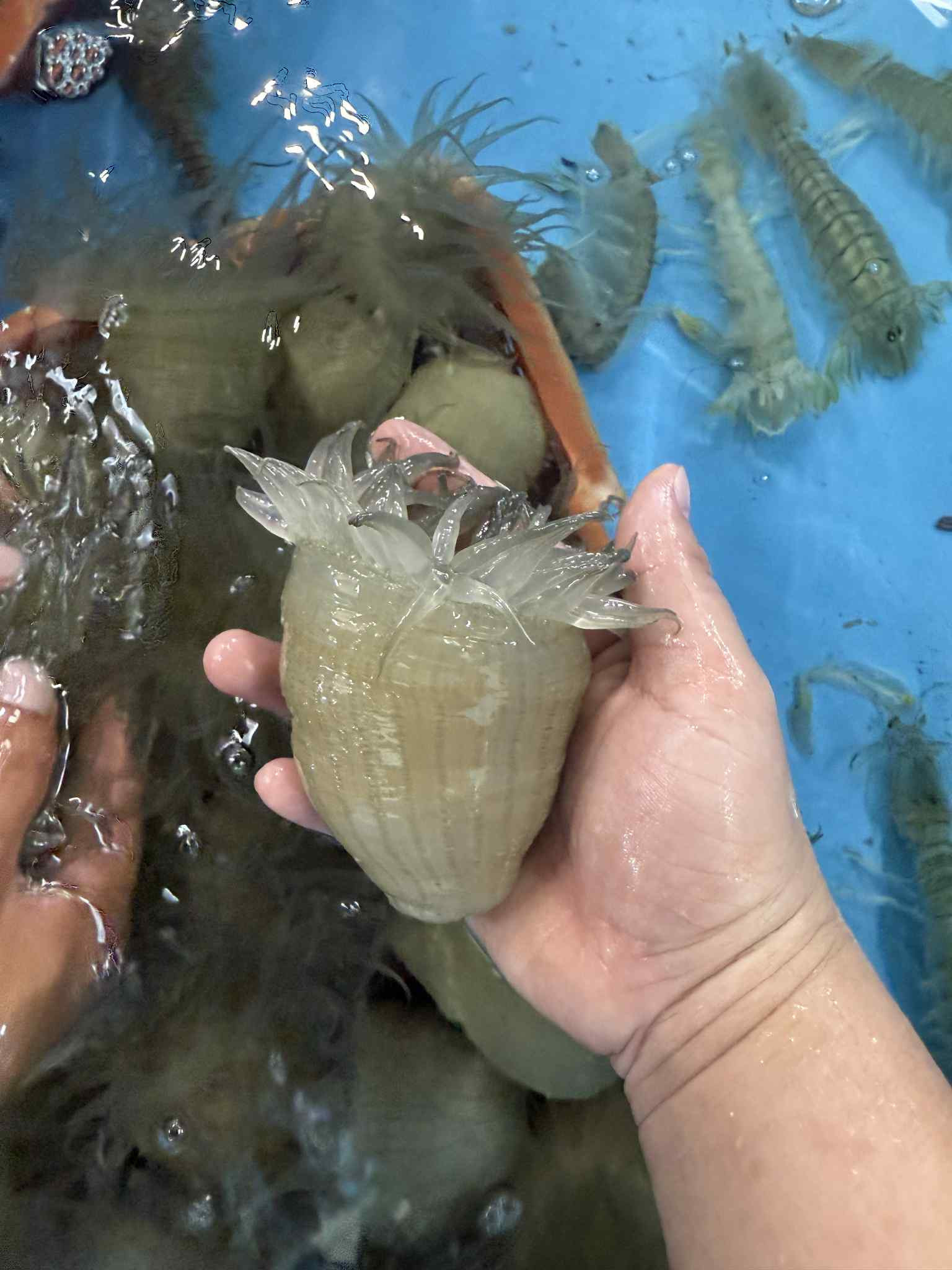
The body of rum bien burrows deep into the sand. It is swollen in the middle and tapers toward both ends. Its funnel-shaped mouth is surrounded by numerous tentacles that spread outward like a beard, helping it find food.
Underwater, the tentacles resemble a flower in bloom, but once the creature is taken out of the water, they contract. Its body is typically ivory-white or grayish.
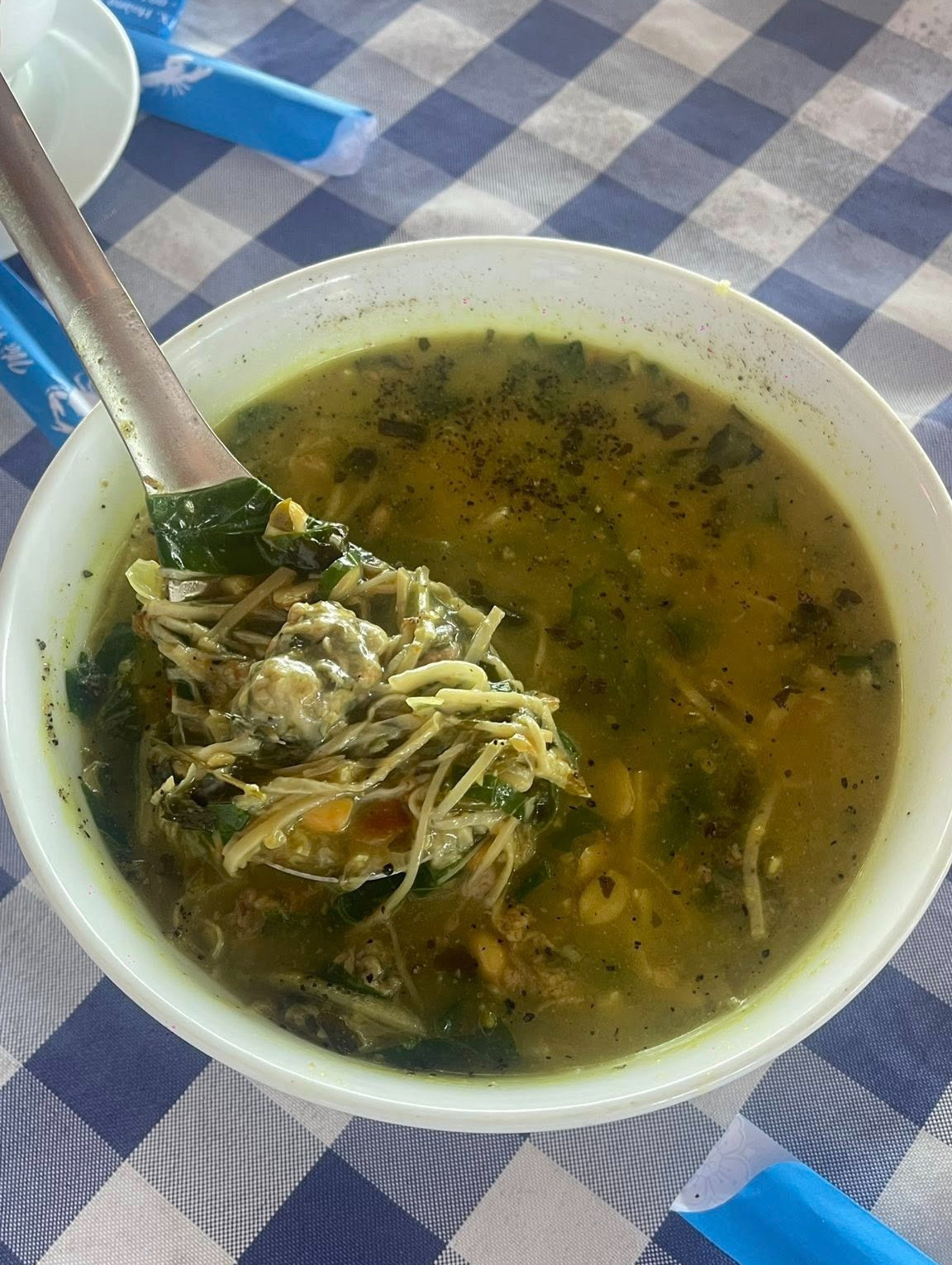
Despite its unusual appearance, rum bien is used by local residents to prepare a range of dishes, including stir-fries with banana and sour soups cooked with la vong vang leaves.
Once again, however, the most popular preparation is braising it with banana stem.
The dish offers an unusual combination of textures and flavors. The crunch of its ingredients is balanced by the gentle sourness of fermented rice and the heat of chili, cu nen - a small aromatic allium widely used in central Vietnamese cooking - and pepper.
The flesh of rum bien is pleasantly crunchy, although slightly slippery on the outside. Those containing eggs are particularly prized, with a softer, fuller texture and rich flavor.
Careful preparation also removes the creature’s fishy smell, leaving behind its distinctive texture and taste.
Ca nganh
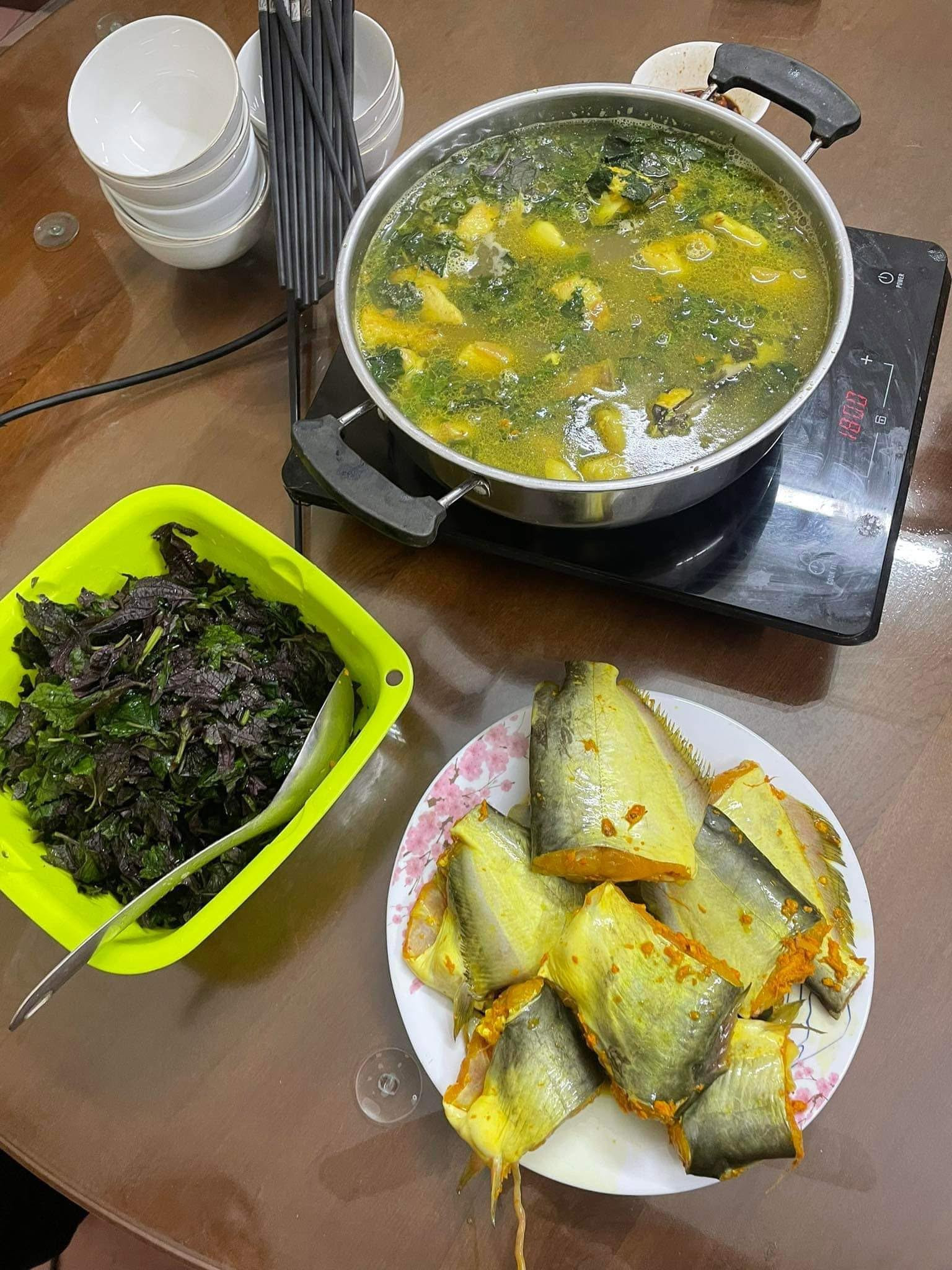
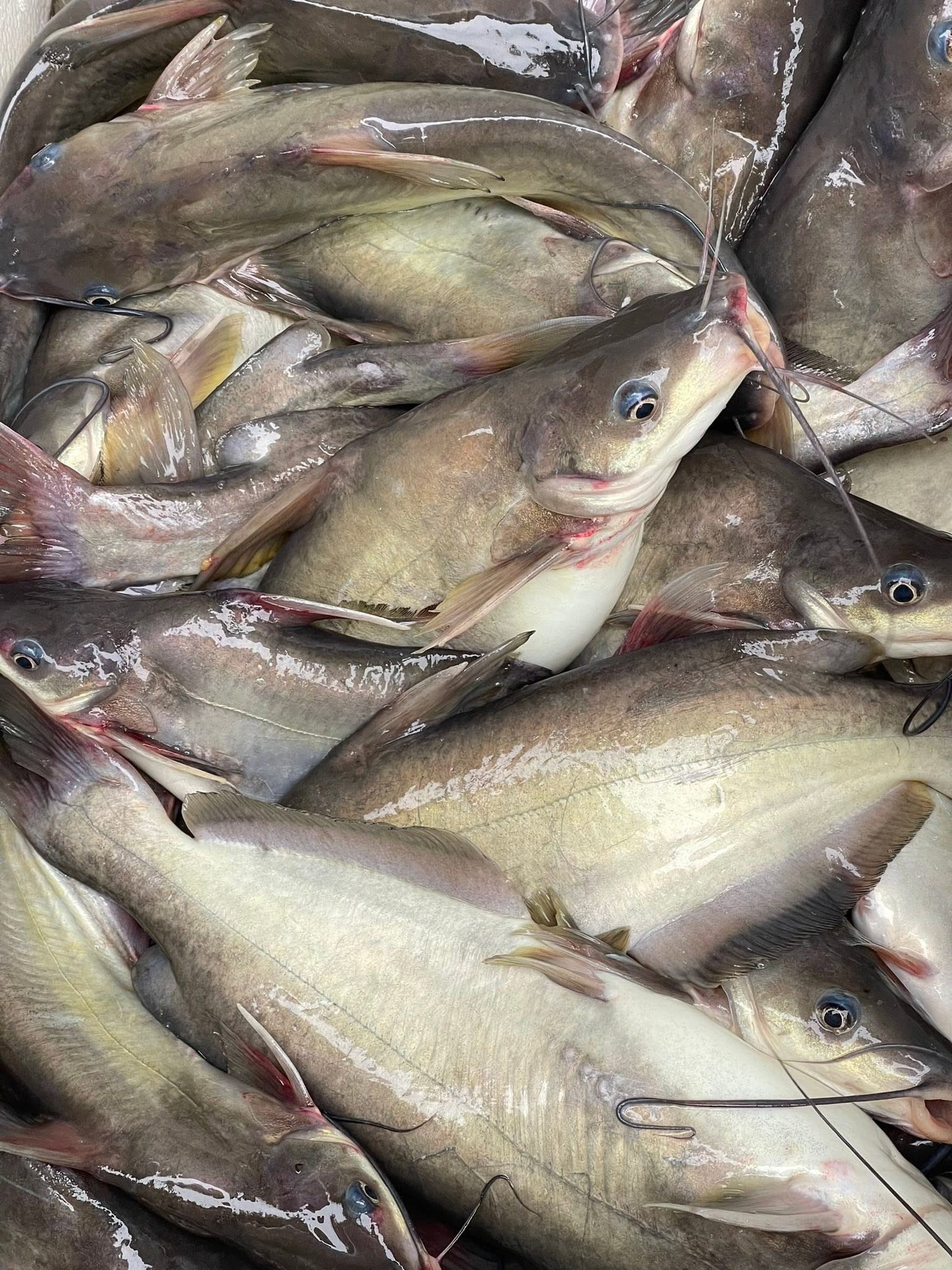
Ca nganh is a scaleless freshwater fish related to catfish, with a flattened head and body and three sharp spines.
The fish typically live in schools and feed near the bottom of the lower reaches of large rivers. Their habits make them difficult to raise in cages, meaning they are generally caught in the wild.
In northern Vietnam, ca nganh from the Da and Red rivers has long been considered a local delicacy.
Part of its appeal comes from how difficult it is to catch, but the fish is also prized for its firm, pleasantly chewy flesh and naturally sweet flavor.
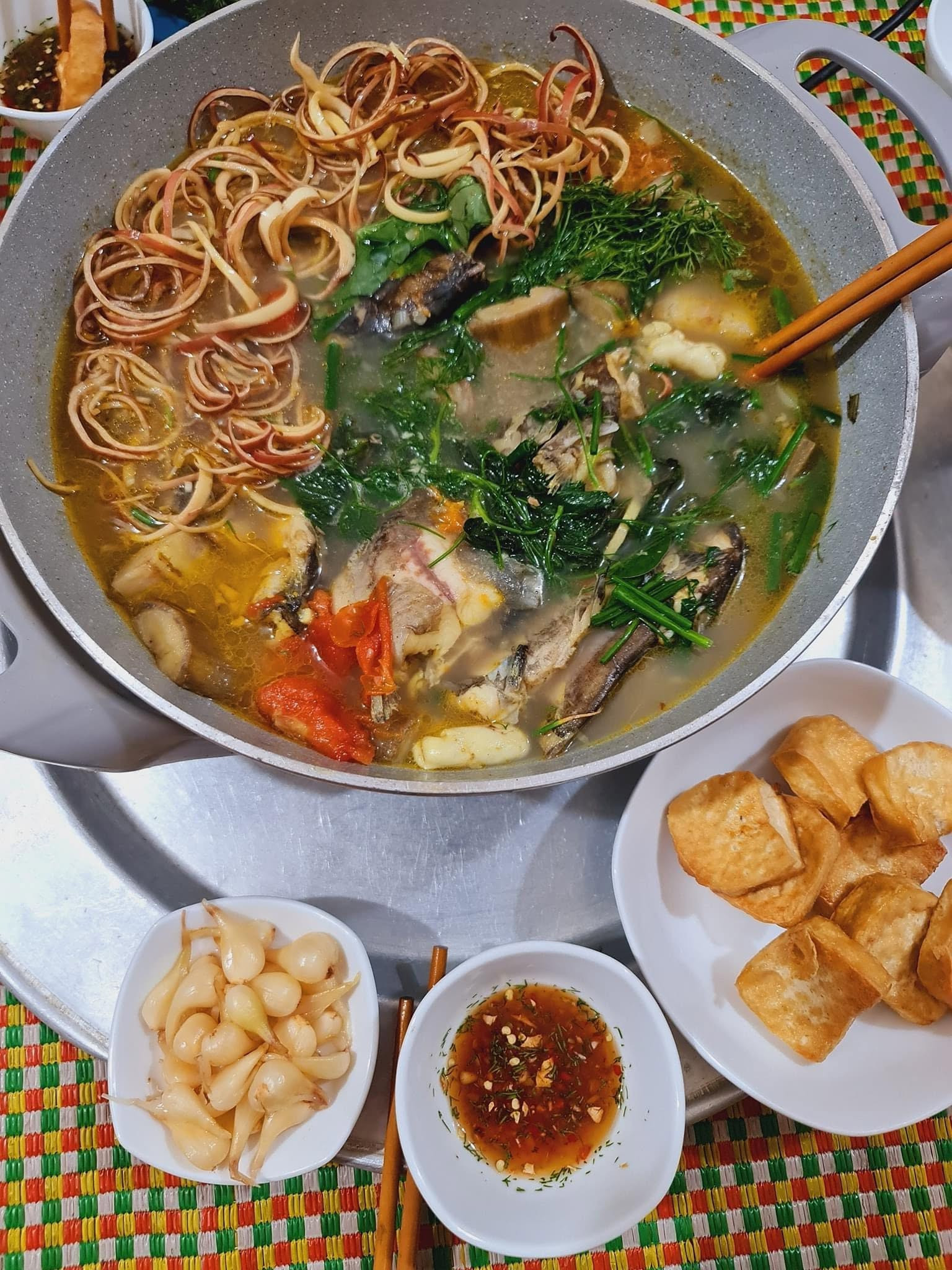
Local cooks prepare ca nganh in a variety of ways, including hotpot, braising it with vo vo - a seasonal river insect - cooking it with bamboo shoots, or grilling it.
Yet ca nganh braised with banana stem remains a particular favorite. The preparation helps eliminate any fishy taste while allowing the fish’s natural sweetness to mingle with the crunchy, slightly nutty texture of the banana stem.
.svg)
