 Vietnamnet.vn

 Podcast



Specializing in traditional Vietnamese treats, these small eateries in Hanoi’s historic center have continued to draw steady crowds after years - and in some cases decades - in business.
A fried dumpling shop drawing crowds for 44 years
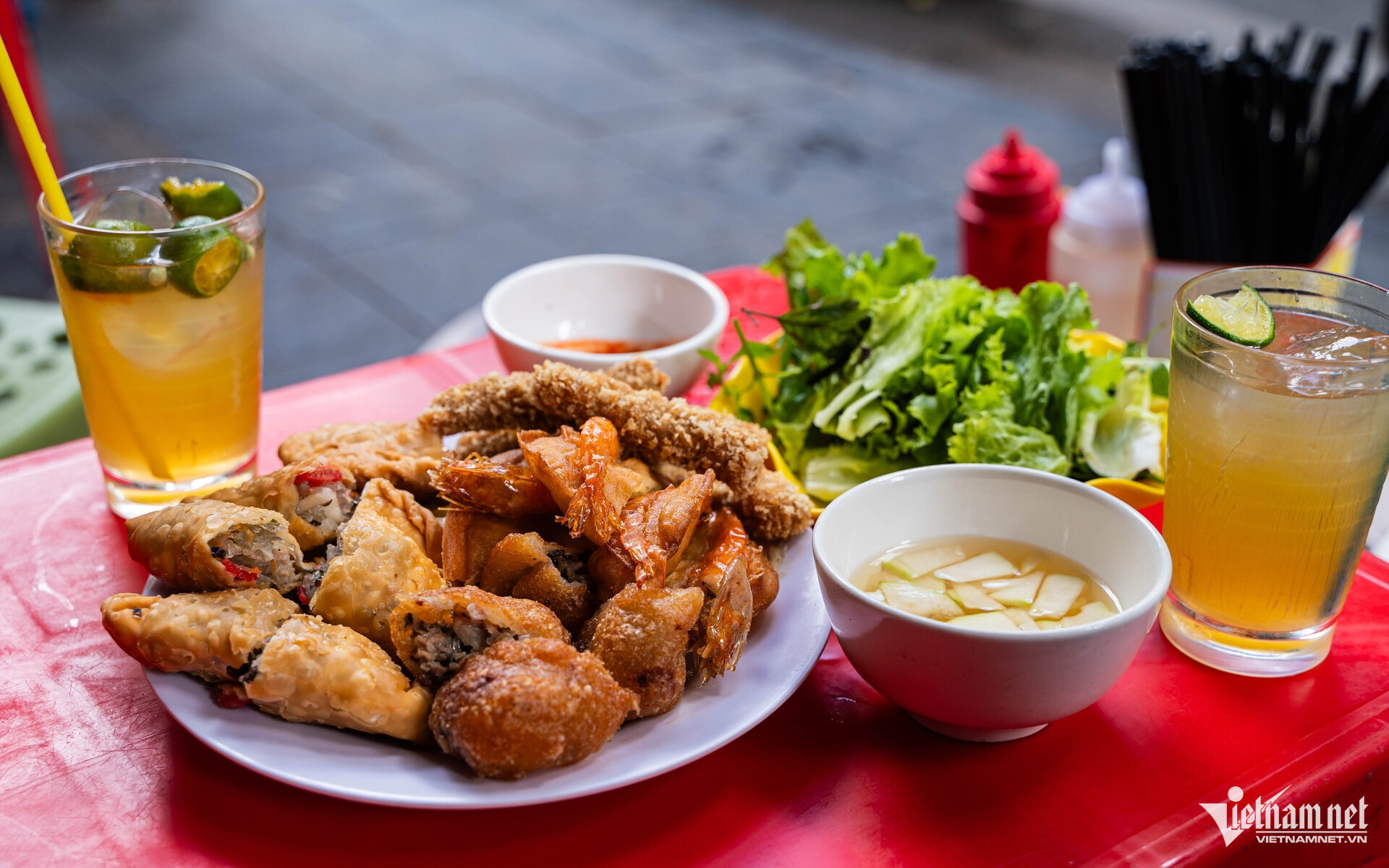
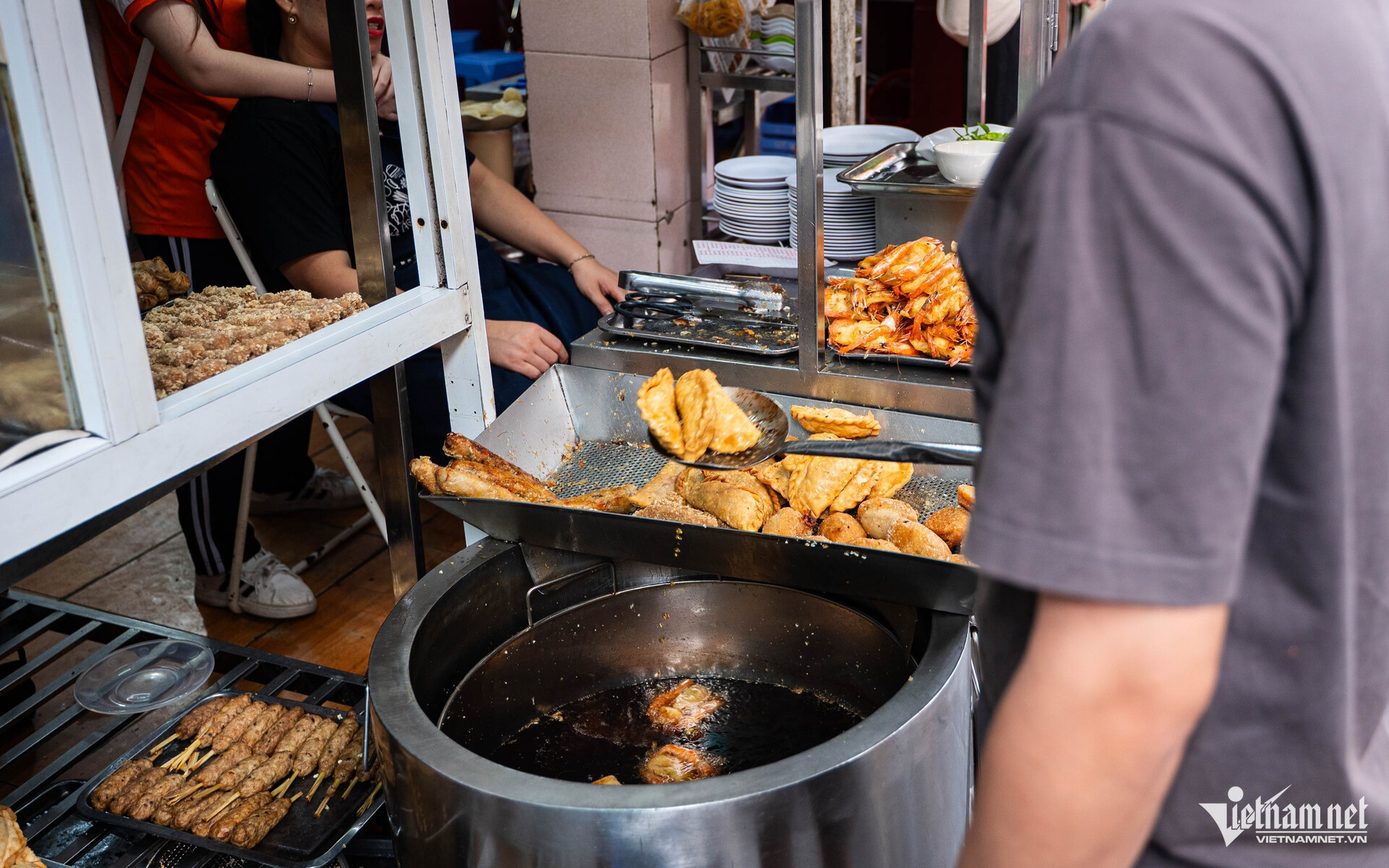
On Ly Quoc Su Street, close to St. Joseph’s Cathedral in central Hanoi, a small shop selling banh goi and fried rice-flour cakes becomes particularly busy around the evening rush hour on cool days.
Customers fill tables inside and spill onto the sidewalk, while others arrive continuously for takeaway orders.
An old banyan tree stands outside the shop, which at some point earned it the nickname “banh goi goc da,” or “banyan-tree banh goi.”
The owner, Dat, said his parents opened the business in 1982 after learning the recipes from an acquaintance of Chinese descent.
In its early years, the shop offered just three staples: banh goi, savory fried rice-flour cakes and sweet fried rice-flour cakes.
Over time, the menu expanded to include other popular Vietnamese snacks such as fried spring rolls, fermented pork rolls, dumplings, fried buns, tapioca dumplings and rolled pho noodles.
When an order comes in, previously fried cakes are quickly returned to hot oil to crisp them up before serving.
They come with a sweet dipping sauce containing thin slices of green papaya and a plate of fresh herbs and greens.
Sweet soup served in antique bowls and on brass trays
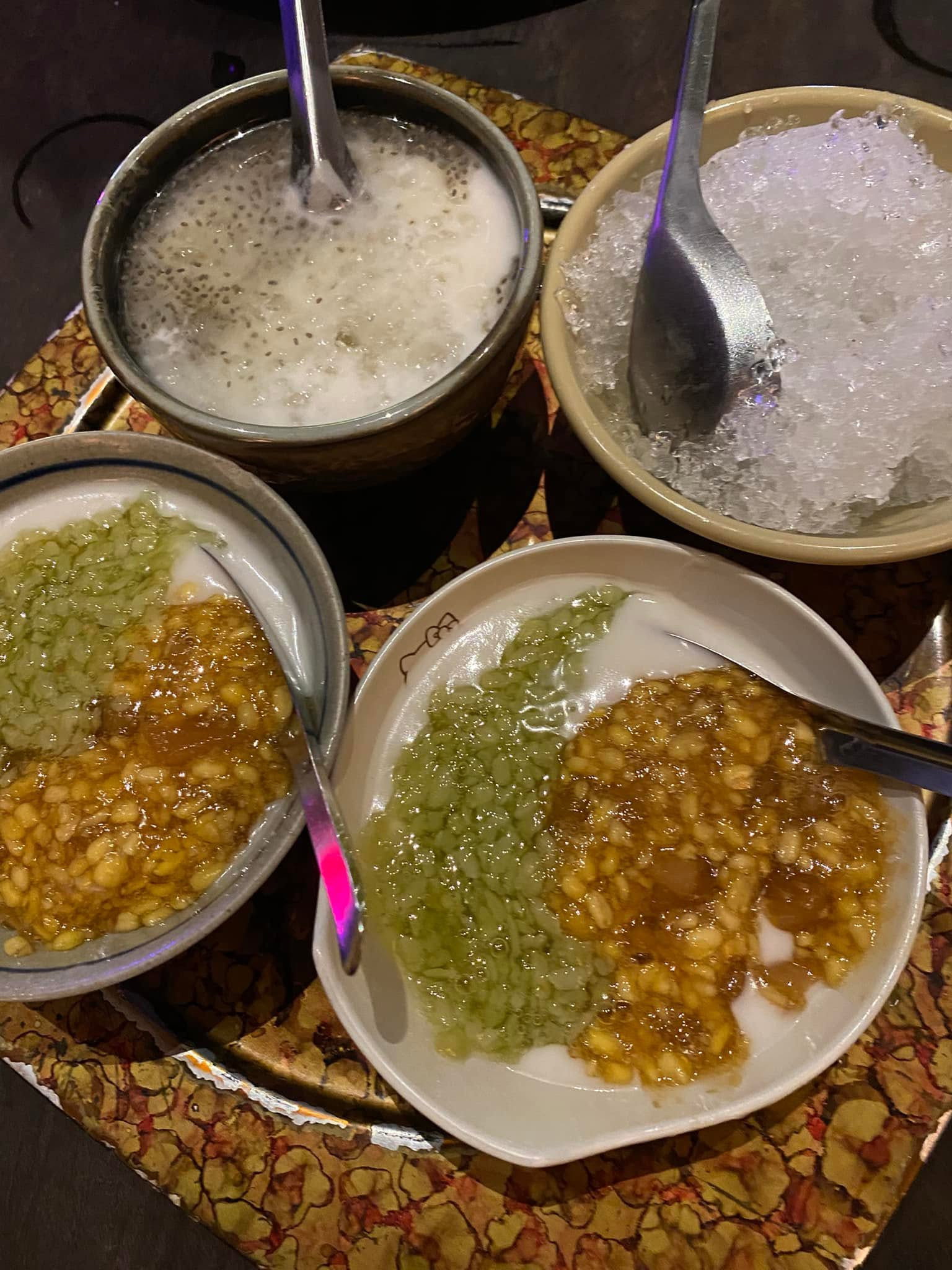
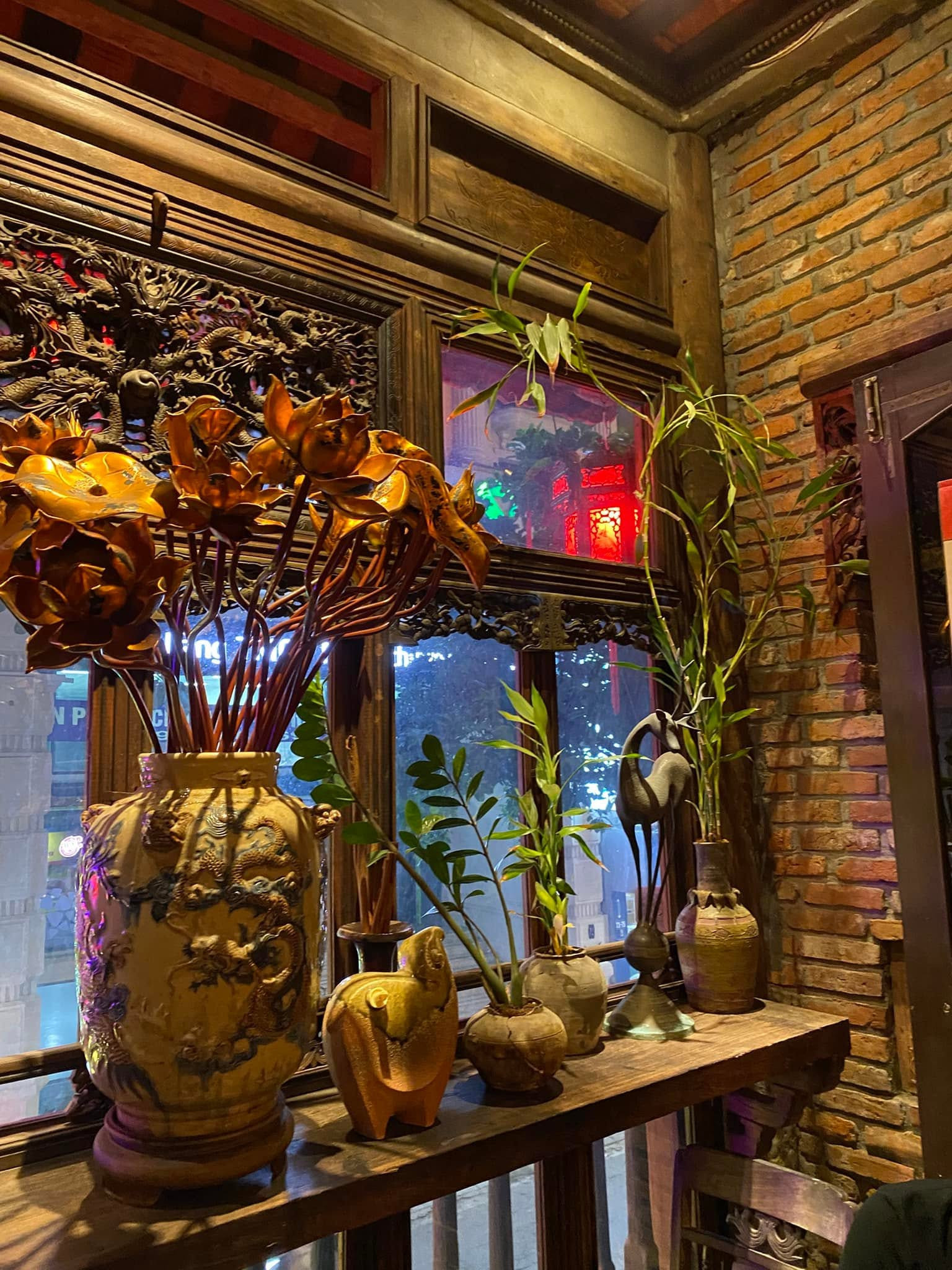
At 76 Hang Dieu Street, a family-run sweet soup shop opened by Nguyen Thanh Thuy in 2000 has become a popular Hanoi dining destination, known for both its broad menu and unusual surroundings.
In summer, favorites include lotus seed and longan sweet soup, longan stuffed with lotus seeds, black beans with jasmine jelly, young green rice sweet soup and pomelo sweet soup.
On cold winter days, diners can instead warm up with bowls of grilled banana sweet soup, hot glutinous rice balls or cassava sweet soup.
A bowl costs approximately $0.95-$1.50.
The food is only part of the attraction. The shop occupies an old house filled with antiques, creating an atmosphere reminiscent of Hanoi in the early 20th century.
Even the bowls are antiques, including white-glazed pieces decorated with blue patterns and crackle-glazed ceramics.
Food is served on old brass and wooden trays, while the dark wooden tables and chairs have faded naturally with age.
A Hanoi steamed bun shop going strong after 34 years
Despite charging relatively high prices compared with similar eateries, Ba Mau steamed bun shop - now known as Banh Bao Hoat Nguyen - on Nguyen Huu Huan Street has remained popular with diners for decades.
The shop has been operating for 34 years and is now run by Mau’s youngest son, Nguyen The Hoat.
Its steamed buns are made from a distinctive house recipe.
The dough is thick and dense, slightly chewy and fragrant, while each bun is roughly the size of a small Vietnamese soup bowl.
Inside is a generous filling of wood ear mushrooms, glass noodles, shiitake mushrooms, pork and quail eggs.
The ‘poor man’s porridge’ that has drawn customers for 20 years
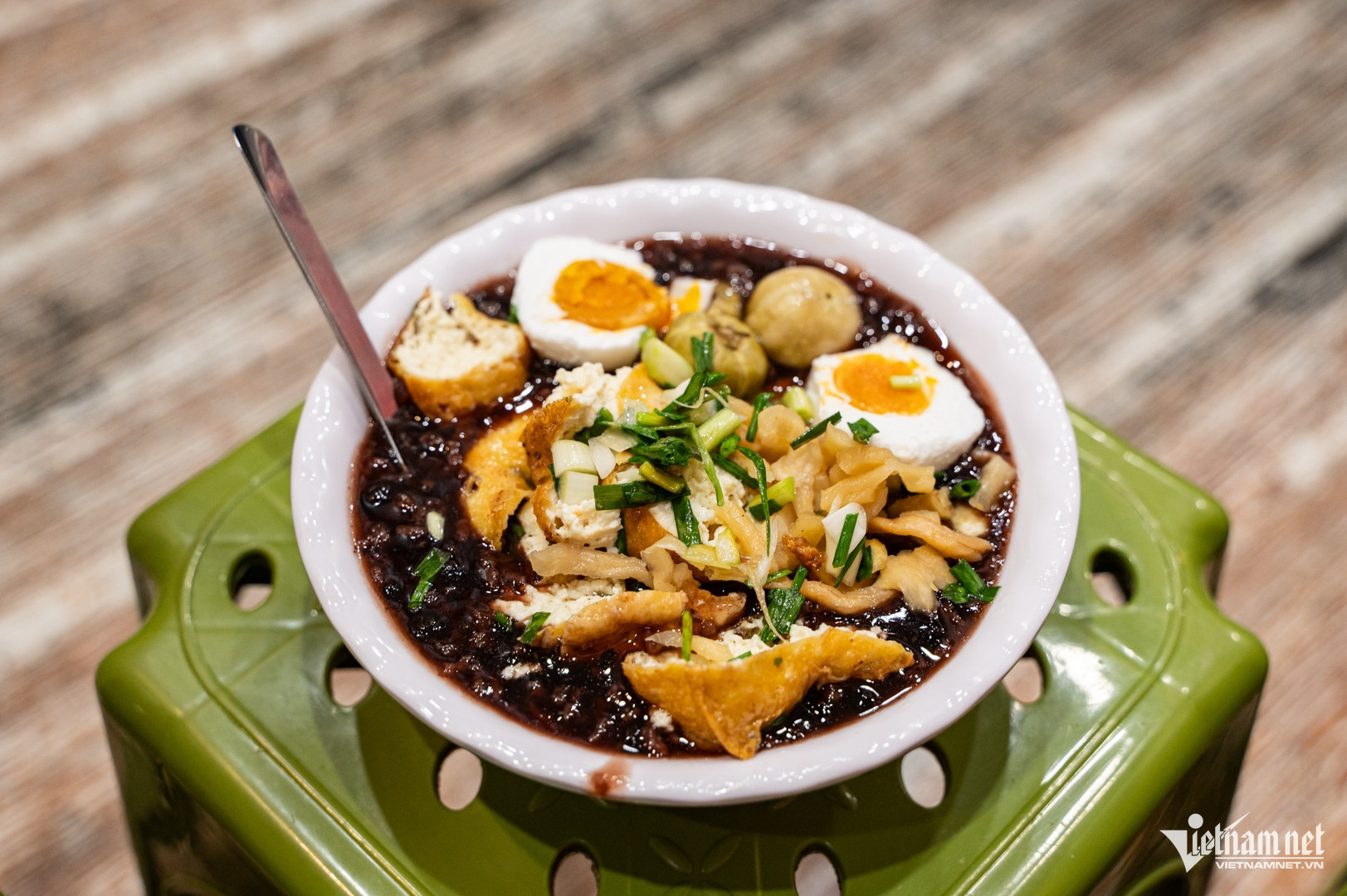
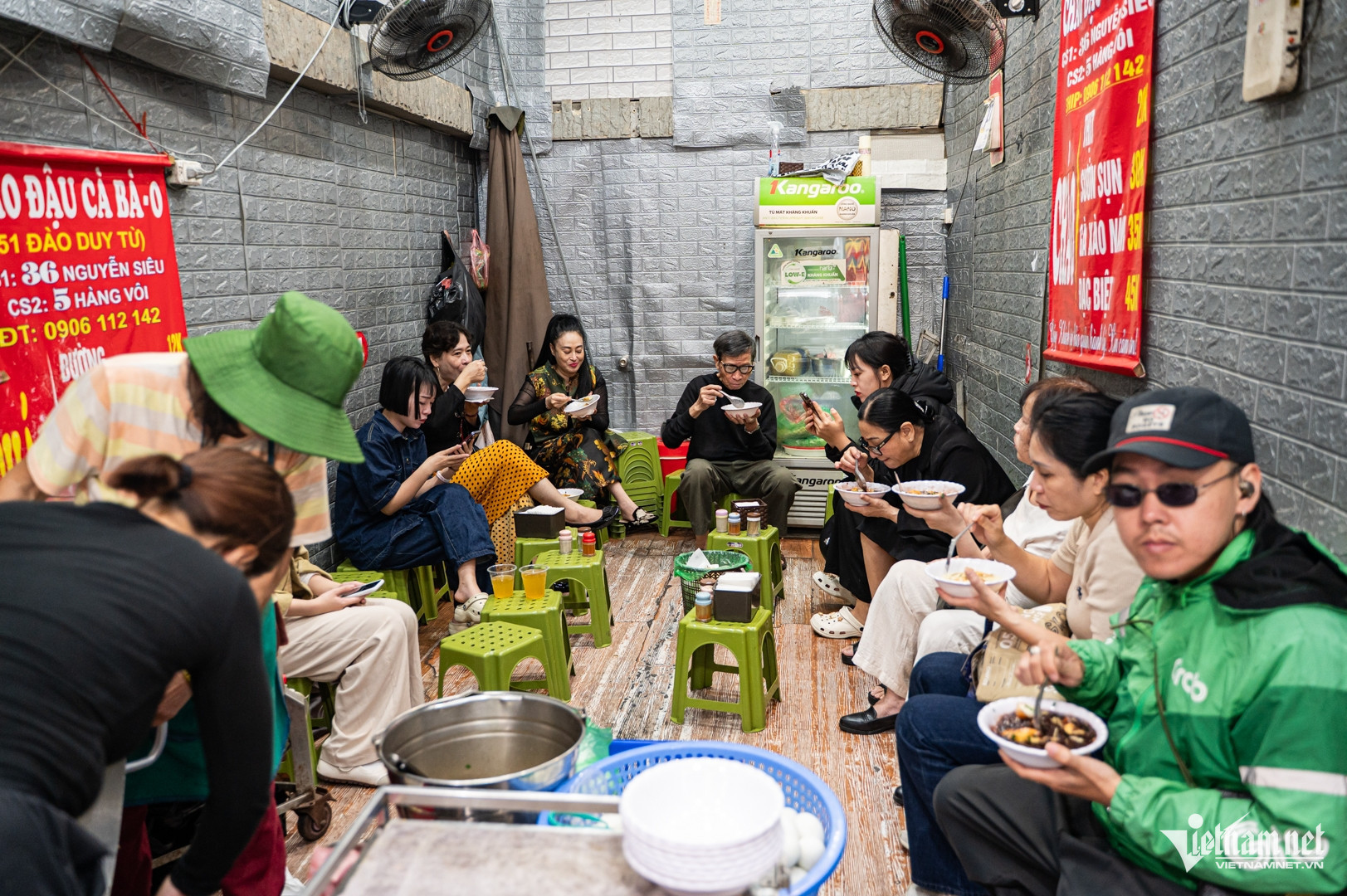
A small eatery run by 64-year-old Vo Thi Kim Oanh on Nguyen Sieu Street has spent two decades serving chao dau ca, a humble Hanoi porridge accompanied by tofu and pickled eggplant.
The dish is familiar to many Hanoians born in the 1980s and early 1990s.
It was once nicknamed “poor man’s porridge” because it was made from inexpensive everyday ingredients including rice, pickled eggplant and tofu.
Once commonly sold by street vendors, the dish is now found mainly in traditional markets.
A basic bowl currently costs about $0.70, rising to roughly $0.75-$1.15 with additional ingredients.
Few places in Hanoi’s Old Quarter still specialize in chao dau ca throughout the day while maintaining the longevity and customer traffic of Oanh’s shop.
Originally, it served only the classic porridge with tofu and pickled eggplant. The menu later expanded to include pickled radish and salted eggs.
A tiny, cramped tofu pudding shop with a loyal following
.svg)
