 Vietnamnet.vn

 Podcast



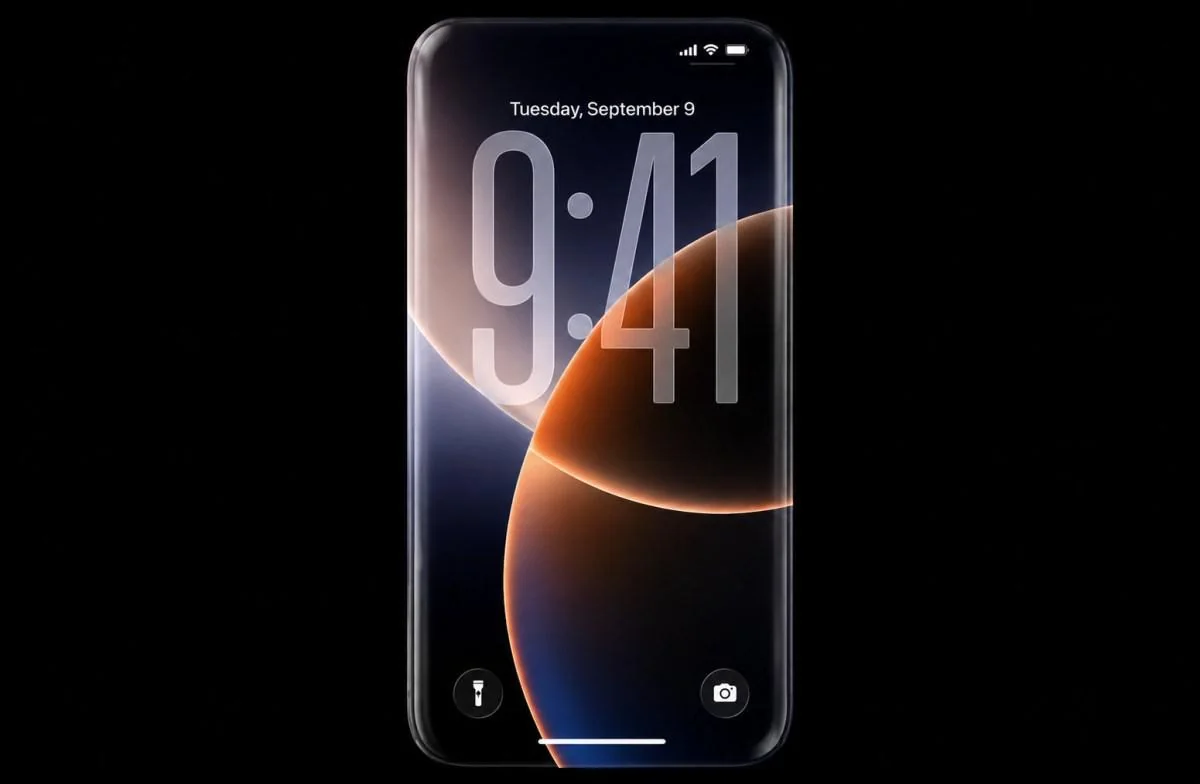
Apple’s rumored iPhone 20 Pro could follow the path set by the iPhone X for the iPhone’s 10th anniversary. The company is reportedly preparing a landmark device that could establish the design direction for its premium smartphones for years to come.
That prospect is particularly notable for users who feel recent iPhone generations have failed to deliver sufficiently significant changes. If the rumors prove accurate, the iPhone 20 Pro could make up for several major upgrades that have been missing in recent years.
Here are nine reasons users may want to consider skipping the iPhone 18 Pro and waiting for the iPhone 20 Pro.
Quad-curved display and an almost all-glass design
One of the most immediately noticeable changes on the iPhone 20 Pro could be a display with glass curved along all four edges. The design is already familiar among Chinese smartphone brands but has yet to become widespread in the US and many other markets.
Apple is reportedly developing its own take on the concept. The display could curve around all four edges while visually connecting with a separate glass panel on the back, creating the impression that the entire device is formed from a single piece of glass.
The phone would, of course, still require a metal frame and numerous internal components, but the approach could make the iPhone 20 Pro one of Apple’s most visually striking iPhones in years.
Brighter, more power-efficient OLED display
The exterior design may not be the only major display-related change. The iPhone 20 Pro is rumored to use a new generation of OLED panels that are both thinner and brighter.
The panels are expected to be supplied by Samsung and use Color Filter on Encapsulation (COE) technology. The technology is said to reduce display thickness while allowing more light to pass through.
More importantly, brightness could increase without a corresponding rise in power consumption.
Face ID and camera could move under the display
Apple has already demonstrated its ability to place a camera beneath a display by using the technology on the foldable screen of the iPhone Duo. That has fueled one of the most notable rumors surrounding the iPhone 20 Pro: both the selfie camera and Face ID system could be moved entirely beneath the screen.
If that happens, the iPhone 20 Pro could feature an almost uninterrupted display, with no punch-hole or large cutout for sensors. Dynamic Island could still survive in some form, but the overall viewing experience would likely become considerably more expansive.
Apple has gradually reduced the size and repositioned Face ID components over the years, making it plausible that the company could complete the transition with the iPhone 20 Pro.
Physical buttons could disappear
Apple has long been rumored to be working on a transition from mechanical buttons to solid-state controls, and the iPhone 20 Pro could finally be the generation that makes the change.
Instead of buttons with moving parts, the phone could use a haptic feedback system integrated directly into its body. The approach would not only complement the seamless glass design but could also offer durability benefits.
Removing moving components would mean fewer mechanical parts that could fail. It could also reduce the number of openings in the frame, potentially lowering the risk of dust and water getting inside.
A21 Pro could be the most powerful iPhone chip yet
One upgrade that is relatively easy to anticipate is the iPhone 20 Pro adopting Apple’s A21 Pro chip. Like previous generations of Apple silicon, the A21 Pro is expected to deliver stronger CPU and GPU performance while boosting the device’s ability to handle artificial intelligence workloads.
There is no reliable information yet on the scale of the performance gains, but the iPhone 20 Pro would likely become the most powerful iPhone Apple has ever produced.
iPhone 20 Pro could finally move away from Qualcomm modems
Apple has placed considerable emphasis on its C2 modem in the iPhone 18 Pro lineup, but teardown findings suggest Qualcomm has not disappeared entirely.
Component analysis by iFixit indicates that the iPhone 18 Pro Max still uses a Qualcomm modem. Such modems are known to consume relatively high amounts of power under certain conditions.
Apple’s inability to completely move away from Qualcomm has been linked to legal obligations and agreements between the two companies. However, if current reports are accurate, late 2026 could mark the point at which Apple gains greater freedom to deploy its own modem technology across the entire iPhone lineup.
Silicon-carbon batteries could make their iPhone debut
A growing number of Android smartphones are adopting silicon-carbon battery technology, and the iPhone 20 Pro could become the first iPhone to follow suit.
Silicon-carbon batteries use an anode containing silicon, allowing them to achieve higher energy density than conventional lithium-ion battery technology.
In theory, Apple could reduce the physical size of the battery while maintaining similar capacity, or increase capacity without making the phone significantly thicker or heavier.
Cameras could receive a major overhaul
The camera system could also take a significant leap forward on the iPhone 20 Pro. Apple is reportedly researching stacked image sensors that could replace the Sony sensors used in iPhones for years.
Stacked sensors could allow the camera to capture more detail in both highlights and shadows, reducing the loss of image information. The result could be simultaneous improvements in overall image quality and dynamic range.
Apple is also rumored to be following Samsung’s lead by introducing a 200MP main camera on the iPhone 20 Pro, replacing the 48MP sensor used in the iPhone 18 Pro and iPhone 18 Pro Max.
That would represent a major jump in hardware specifications. Apple has traditionally emphasized image processing and computational photography rather than competing primarily on megapixel counts, but if the company does move to 200MP, the iPhone 20 Pro could be an appropriate model on which to make the transition.
Bigger displays without dramatically bigger phones
The all-glass design could also allow Apple to increase display sizes on the iPhone 20 Pro lineup.
According to a recent leak from Digital Chat Station, the iPhone 20 Pro could feature a 6.41-inch display, while the iPhone 20 Pro Max could reach 6.96 inches. Those would be larger than the respective 6.3-inch and 6.9-inch displays on the iPhone 18 Pro and iPhone 18 Pro Max.
The increases would not be dramatic on their own. Combined with a quad-curved display, slimmer bezels and an all-glass design, however, the additional screen space could make a noticeable difference to the overall experience.
Of course, most information currently circulating about the iPhone 20 Pro still comes from leaks and has not been confirmed by Apple. The final device could therefore differ significantly from current predictions.
Hai Phong
.svg)
