 Vietnamnet.vn

 Podcast



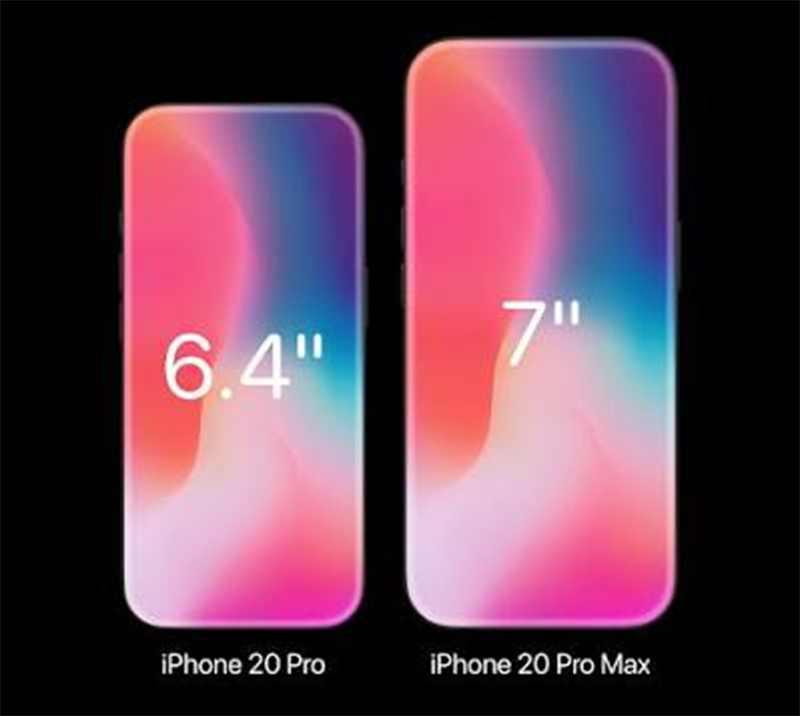
A largely glass-bodied iPhone 20 Pro Max, rumored to mark the iPhone’s 20th anniversary in 2027, may still be moving ahead according to Apple’s development plans.
The latest information comes after an earlier report suggested Apple had abandoned the distinctive design for the iPhone 20 Pro Max because of manufacturing difficulties.
According to a report from financial services firm Jefferies, the iPhone expected to launch in 2027 would no longer feature the extensively glass-based design described in earlier rumors.
A new report, however, offers a different picture, suggesting that Apple is still pursuing the project and has not scrapped its plans.
Specifically, Bloomberg, citing sources familiar with the matter, reported that the glass-heavy iPhone Pro Apple is targeting for 2027 remains in development.
That directly contradicts claims that the design had been abandoned because manufacturing yields were too low.
The debate surrounding Apple’s special 20th-anniversary iPhone is therefore far from settled. The company is believed to be pursuing a major design shift for its 2027 iPhone Pro lineup, although the final product may not look exactly like the earliest concepts suggested.
Apple has yet to decide on the name
Based on information currently available, Apple could introduce the iPhone with its distinctive glass design in September 2027.
The device could be called the iPhone 20 or iPhone 19, depending on the naming convention Apple chooses for future iPhone generations. For now, it is being referred to as the iPhone 20 Pro Max.
The iPhone 18 lineup has not even officially launched yet, but that has done little to stop the tech rumor mill from turning its attention to iPhone generations further into the future.
The year 2027 is particularly significant because it will mark 20 years since the original iPhone made its debut in 2007.
Apple has introduced major design changes around significant anniversaries before, so expectations that the company could unveil a dramatically redesigned iPhone in 2027 are hardly surprising.
A glass-focused design is considered one of the most ambitious directions Apple could take with this anniversary model.
However, the latest information suggests Apple may have had to scale back some of its original ambitions to strike a balance between aesthetics, durability and mass-production feasibility.
Could the iPhone 20 Pro Max use more glass?
In practical terms, describing the device as an “all-glass iPhone” does not mean the entire phone would literally be made of glass. A smartphone still requires a structural frame, motherboard, processor, battery and numerous other components.
The rumored concept is instead that Apple would make glass the dominant material across the phone’s exterior. The glass could extend and curve around the edges, while a metal band through the central portion of the device would provide structural support.
If realized, this iPhone 20 Pro Max design would look markedly different from current iPhone generations.
Apple would likely seek to make the glass flow more seamlessly into the overall body, reducing the impression that the device is assembled from clearly separate sections.
Notably, the rumored glass design has also been linked to the “Liquid Glass” design language Apple is promoting in its software.
Liquid Glass creates an interface characterized by transparency, reflections and visual effects that shift in response to content on the screen.
Extending that philosophy from software into hardware could allow Apple to create a more cohesive visual identity across its ecosystem.
However, the latest report suggests Apple had previously considered using even more glass in the device, only to abandon that idea relatively early in development.
In other words, Apple may have scrapped an excessively glass-heavy version rather than canceling the entire project. That distinction could help reconcile the apparent contradiction between the Jefferies report and the latest information.
Jefferies had reported that the all-glass iPhone design was canceled because of low manufacturing yields.
But if the latest information is accurate, Jefferies may have been referring only to an earlier version of the design that relied on glass to a much greater extent.
Apple, in other words, may have abandoned the “maximum glass” concept without giving up on the broader redesign.
Such a scenario would be consistent with the realities of product development. A smartphone design incorporating an unusually high proportion of glass could create significant challenges involving durability, impact resistance, heat dissipation, weight and manufacturing.
When a product is intended to be manufactured in volumes reaching tens of millions of units, even a relatively small problem with production yields can sharply increase costs.
Apple scaling the design back to make it more practical, therefore, would not necessarily mean the company has abandoned its ambition to create a distinctive iPhone for 2027.
Hai Phong
.svg)
