 Vietnamnet.vn

 Podcast



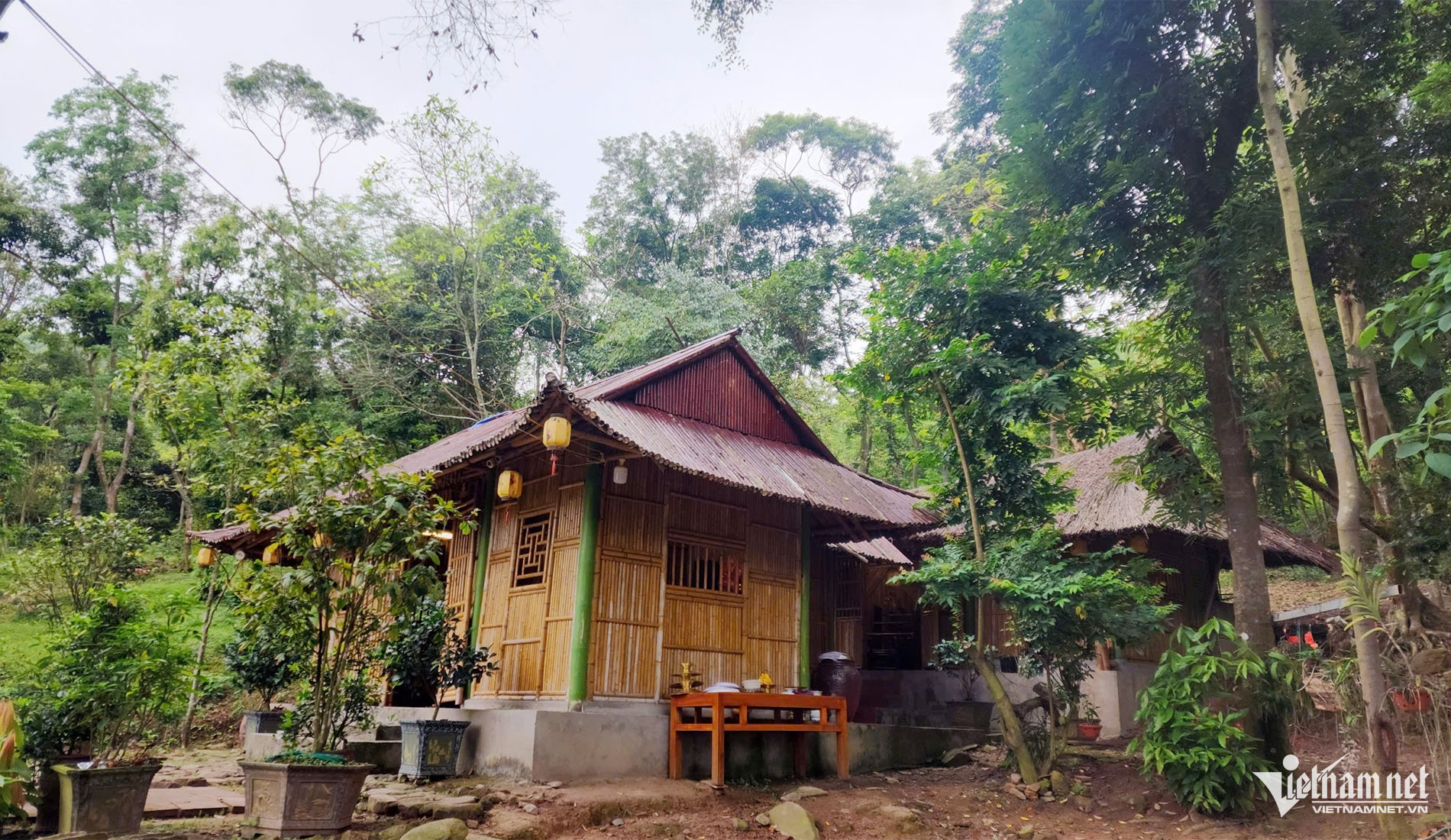
Am Hoa Pagoda, located in Trung Luong village, Trang Luong commune, formerly part of Dong Trieu town and now under Binh Khe ward in Quang Ninh province, stands out for its distinctive architecture. The entire main sanctuary and ancestral house are constructed from bamboo, while a rare “egg flower” tree nearby blooms in a shape reminiscent of a lotus.
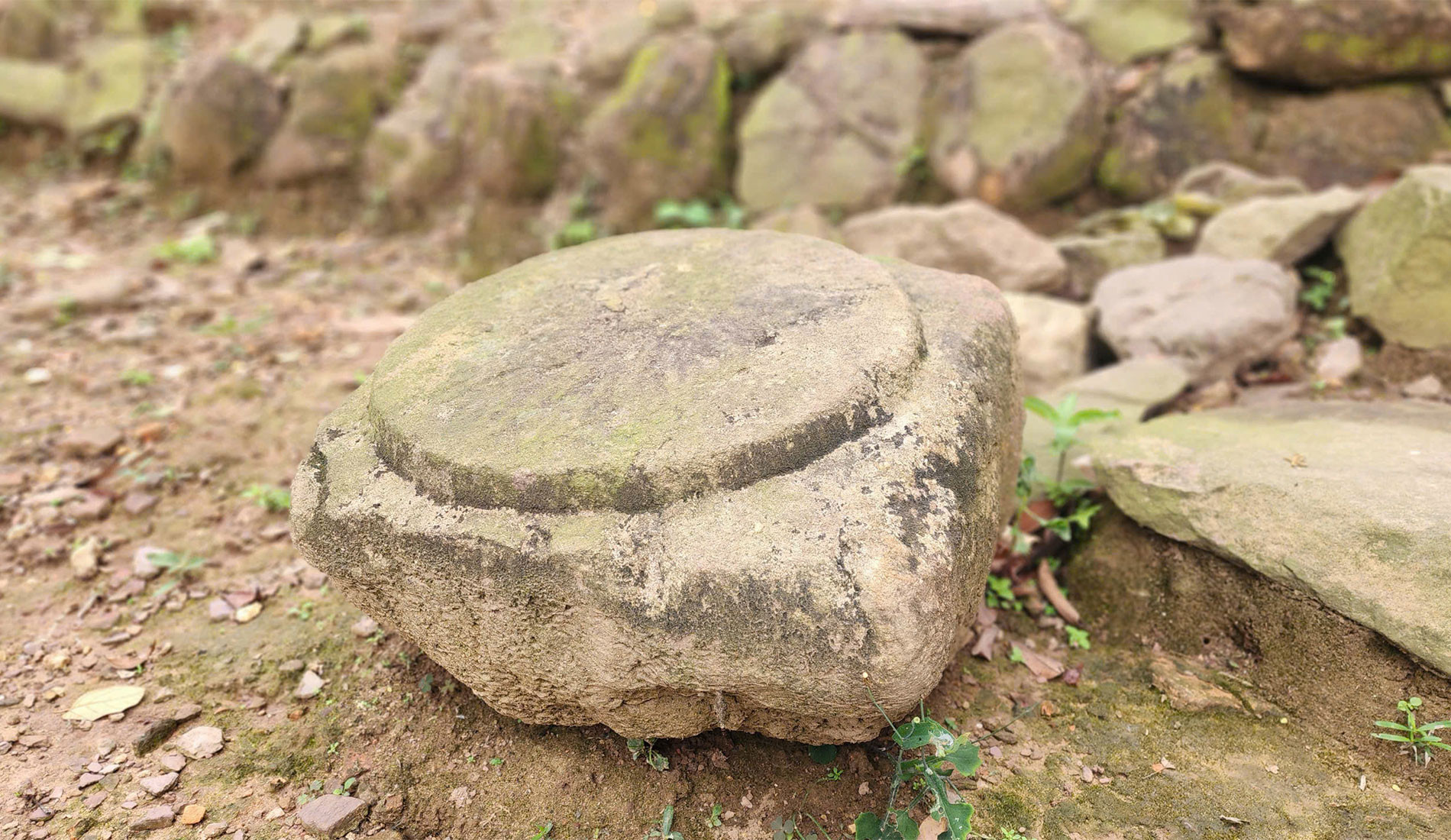
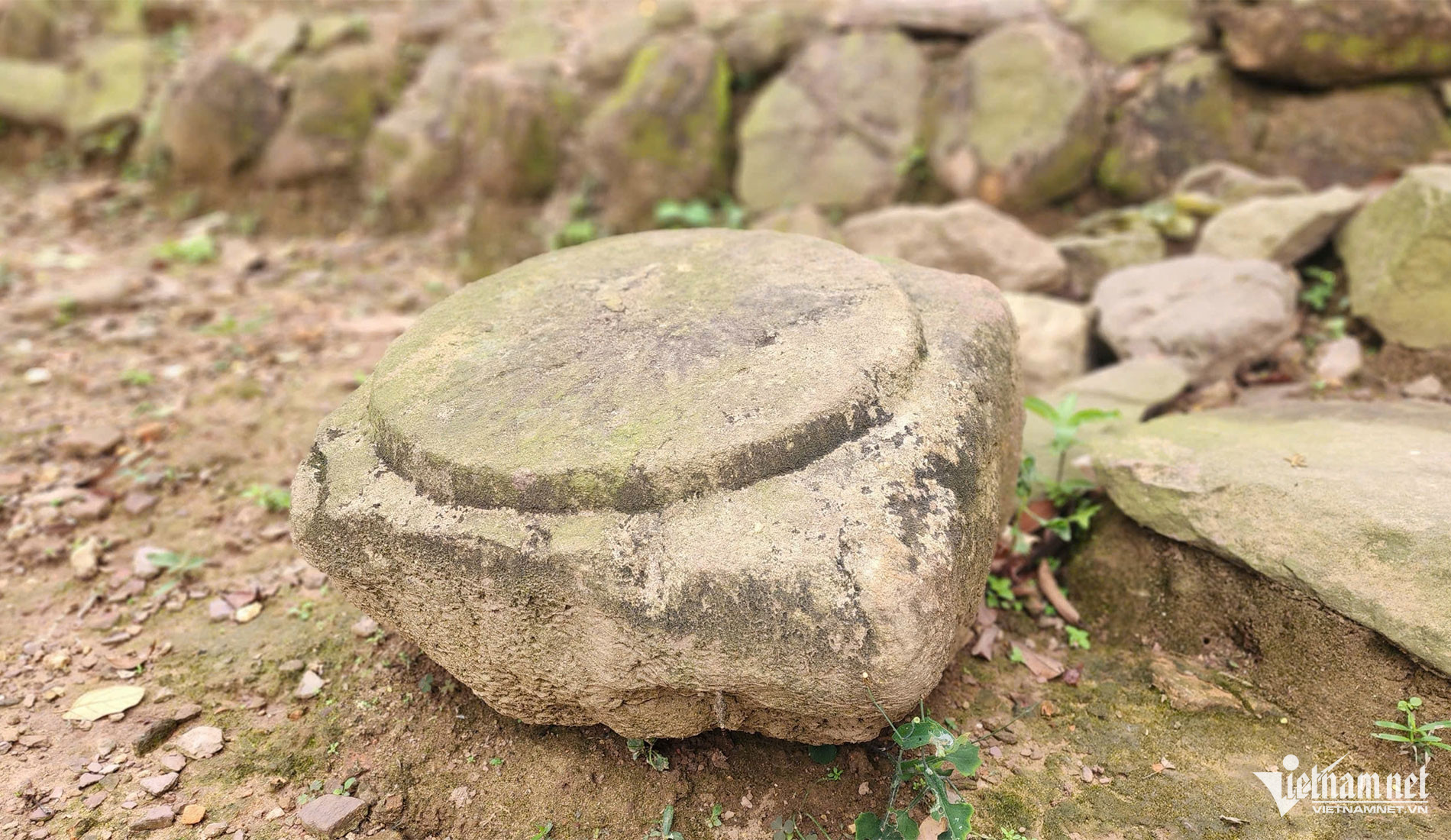
According to Venerable Thich Khai Thuong, the pagoda in its early days was nothing more than a small corrugated iron shelter, housing a Buddha statue placed by locals on the foundation of an older structure. Remaining traces such as stone incense altars and column bases suggest that a large pagoda once stood here.
The connection to the site began when Venerable Thich Khai Thuong was studying at the Vietnam Buddhist Academy in Hanoi and frequently traveled to Yen Tu for religious duties. At the time, he expressed a preference for mountain retreats rather than temples in the plains, saying he would only accept such a role if fate led him to a pagoda in the mountains.
Some time later, local Buddhists introduced him to an ancient temple hidden deep in the forest near Da Trang Lake, more than ten kilometers from where he was staying. Believed to be associated with Tran Nhan Tong, the site drew his attention, prompting him to make the journey.
Reaching the pagoda was a challenging trek: from Yen Tu to Am Van, along paths skirting Da Trang Lake, crossing the water by raft, then following a stream uphill. What awaited him was a weathered structure - essentially a simple metal-roofed shelter with a lone Buddha statue, surrounded by a quiet, untouched landscape.
After offering incense, he told himself he would return if destiny allowed. That connection gradually deepened. He began visiting regularly on the first and full moon days, eventually becoming familiar to local residents, who invited him to take on the role of abbot.
On June 12, 2020, he was officially appointed. A few months later, after completing his studies in Hanoi, he moved to the pagoda permanently and began life in the mountains.
At the time, little was known about the temple. Locals simply referred to it as Am Hoa and regarded it as sacred, leaving it untouched. An ancient stone stele had been broken, reportedly due to rumors of hidden gold, leaving the inscriptions illegible.
Later archaeological work recovered and reassembled fragments of the stele, allowing the text to be restored. It revealed that the pagoda was rebuilt on December 2, 1676, during the reign of King Le Hy Tong, on the site of an even older structure - confirming a history spanning more than 350 years.
The inscription also noted that the pagoda once held around 64 mau of rice fields to support monks and supply food to temples within the Yen Tu system, such as Hoa Yen and Van Tieu pagodas, underscoring its former importance.
Local folklore adds to its mystique. Stories circulate of villagers who once took large stone objects from the site, only to dream of ancestral spirits demanding their return. By morning, the items were said to have mysteriously reappeared in their original place.
“Whether true or not, these stories reinforce the deep reverence people have for the pagoda. No one dares to take anything from here,” Venerable Thich Khai Thuong shared.
When reconstruction began, the venerable did not set out with grand ambitions. The site was dilapidated, access was extremely difficult, and there were no proper roads. Materials had to be transported by raft across the lake and then hauled up the mountain.
In such conditions, bamboo became the most practical choice - simple, locally available and accessible for everyone to work with.
Villagers joined hands in the effort: some split bamboo, others shaped strips, while others assembled the frame. From the smallest tasks, all contributions were voluntary.
In the early days, paths had to be carved out and leveled by hand. Transporting materials remained arduous, but through collective effort and perseverance, the pagoda gradually took shape.
Another distinctive feature is the “egg flower” tree within the pagoda grounds. When in bloom, its flowers open like lotus blossoms and release a gentle fragrance. Many visitors have attempted to take cuttings home, but the plant has proven difficult to cultivate elsewhere.
From a modest metal-roofed shelter deep in the forest, the ancient pagoda in Yen Tu is steadily being revived - not only with bamboo and simple materials, but with faith, community spirit and a shared commitment to preserving cultural and spiritual heritage in the mountains.
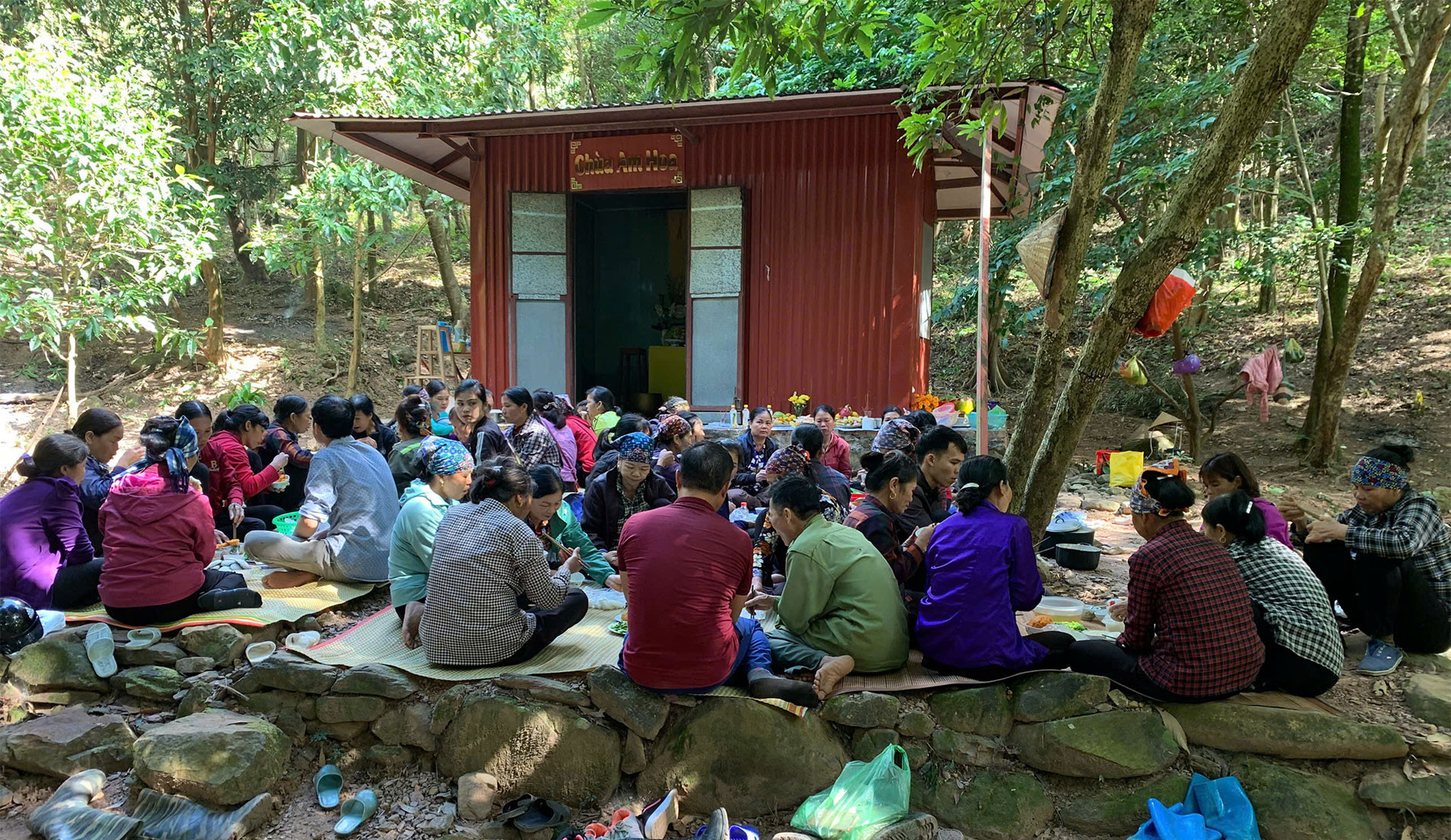
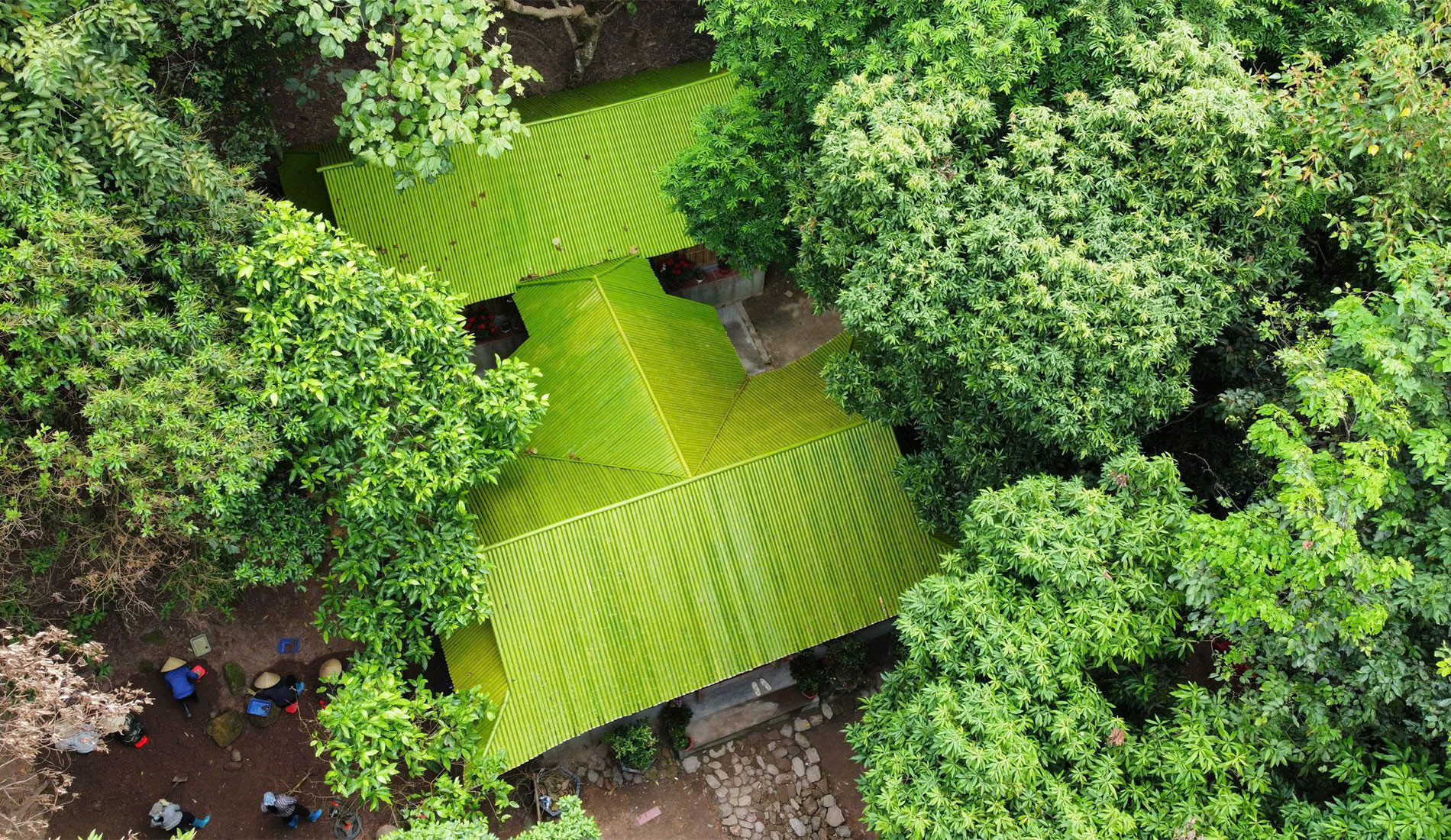
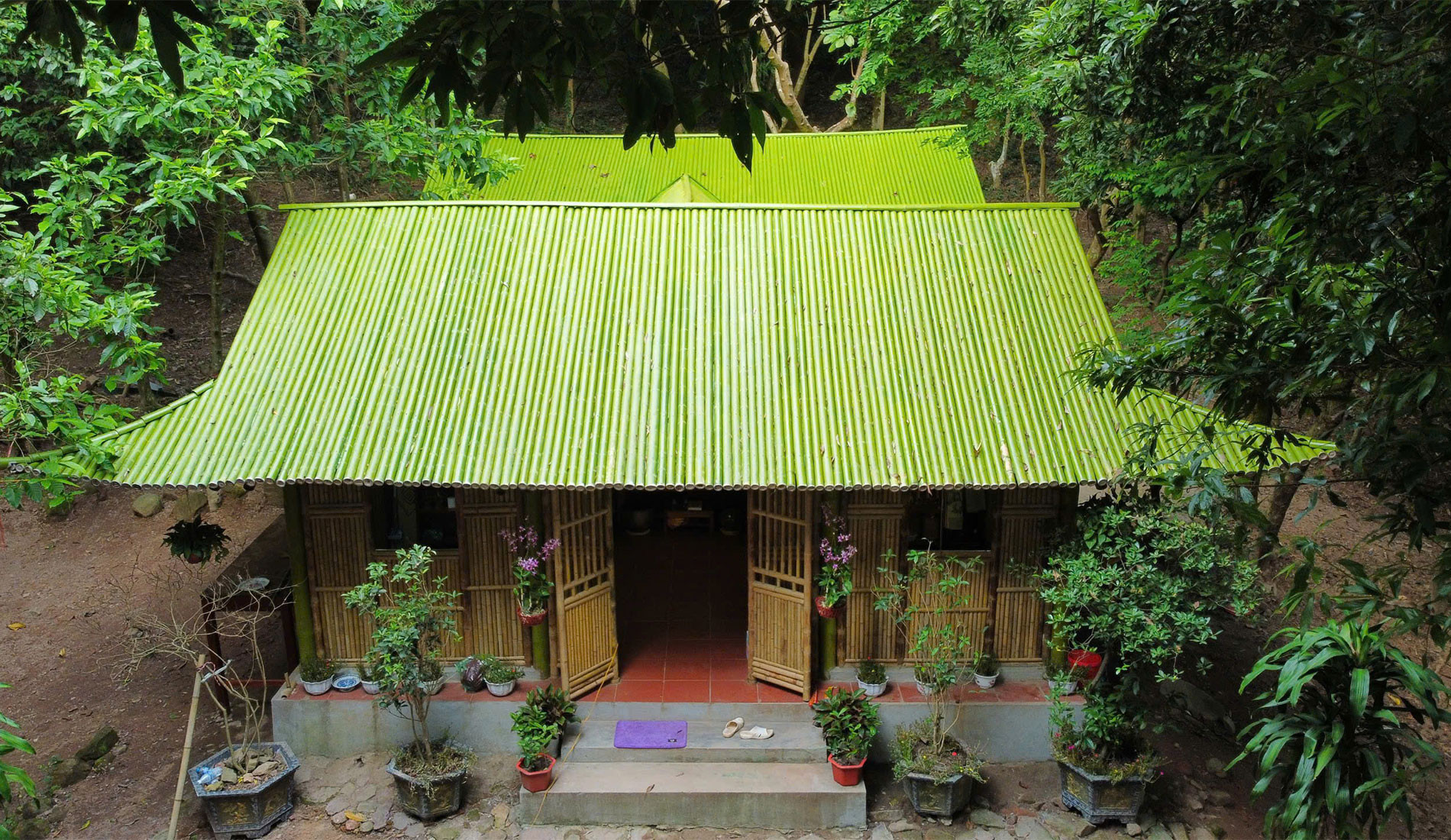
The temporary shelter once built by locals on the old foundation and the bamboo pagoda shortly after completion.
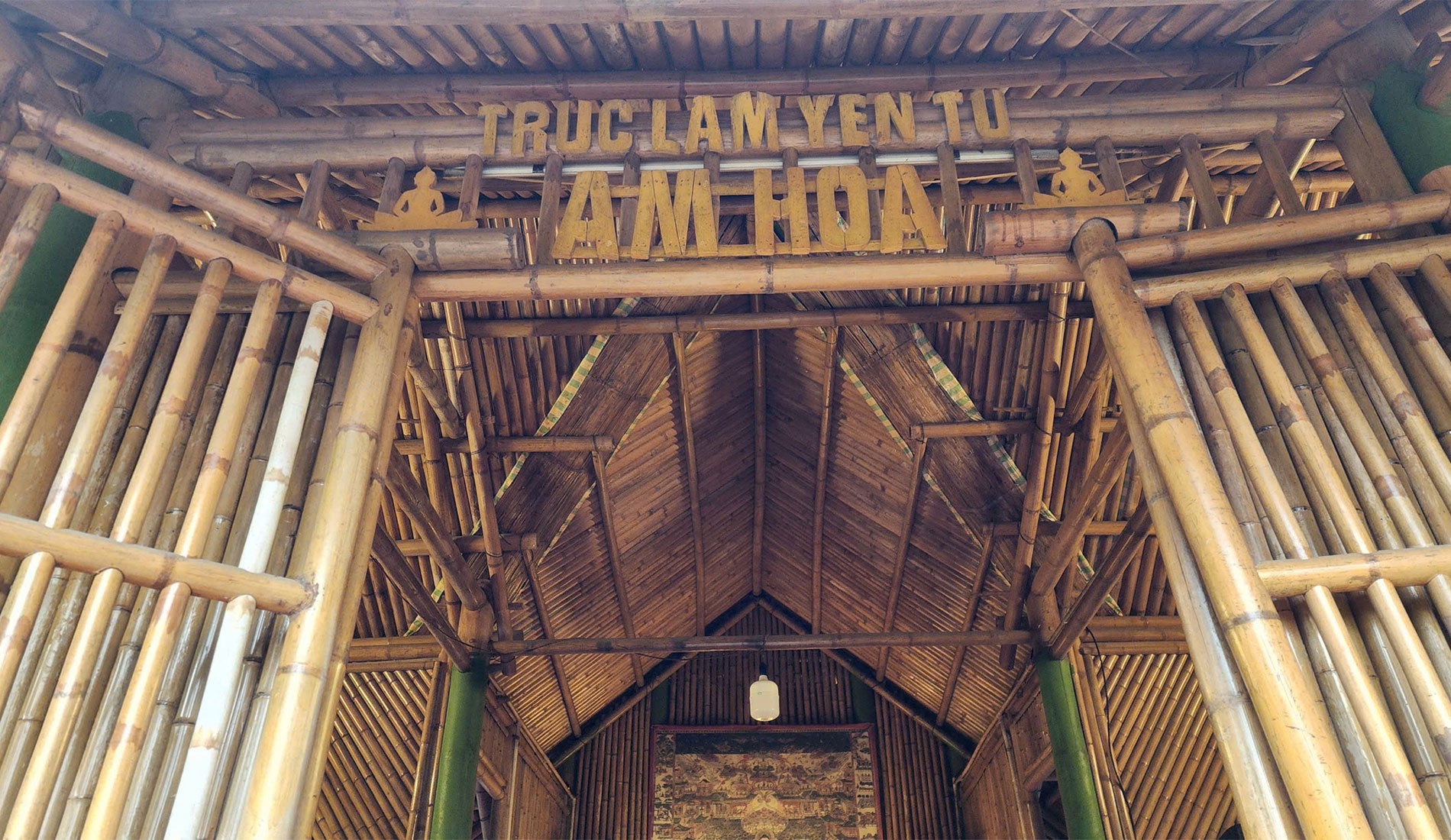
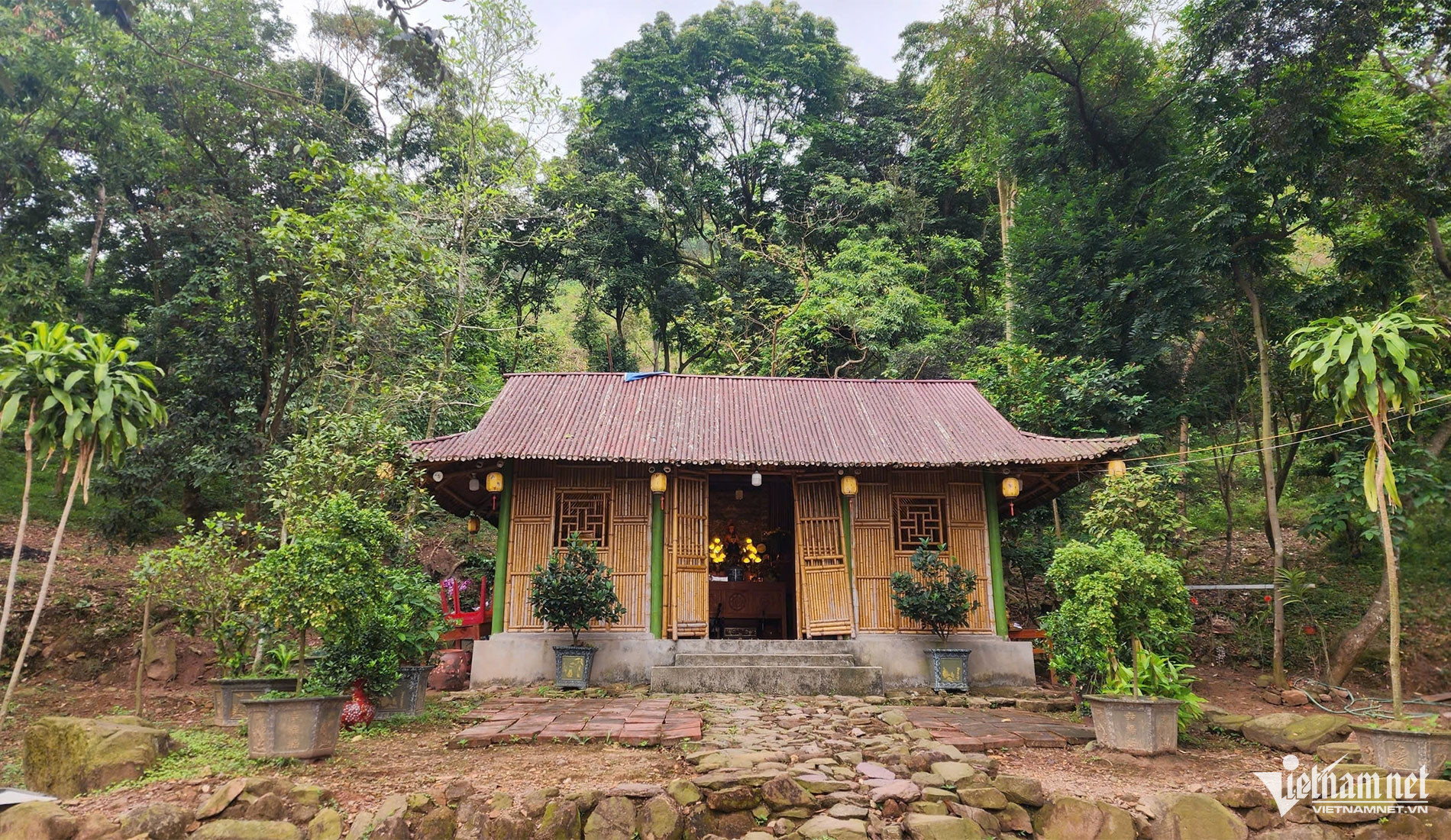
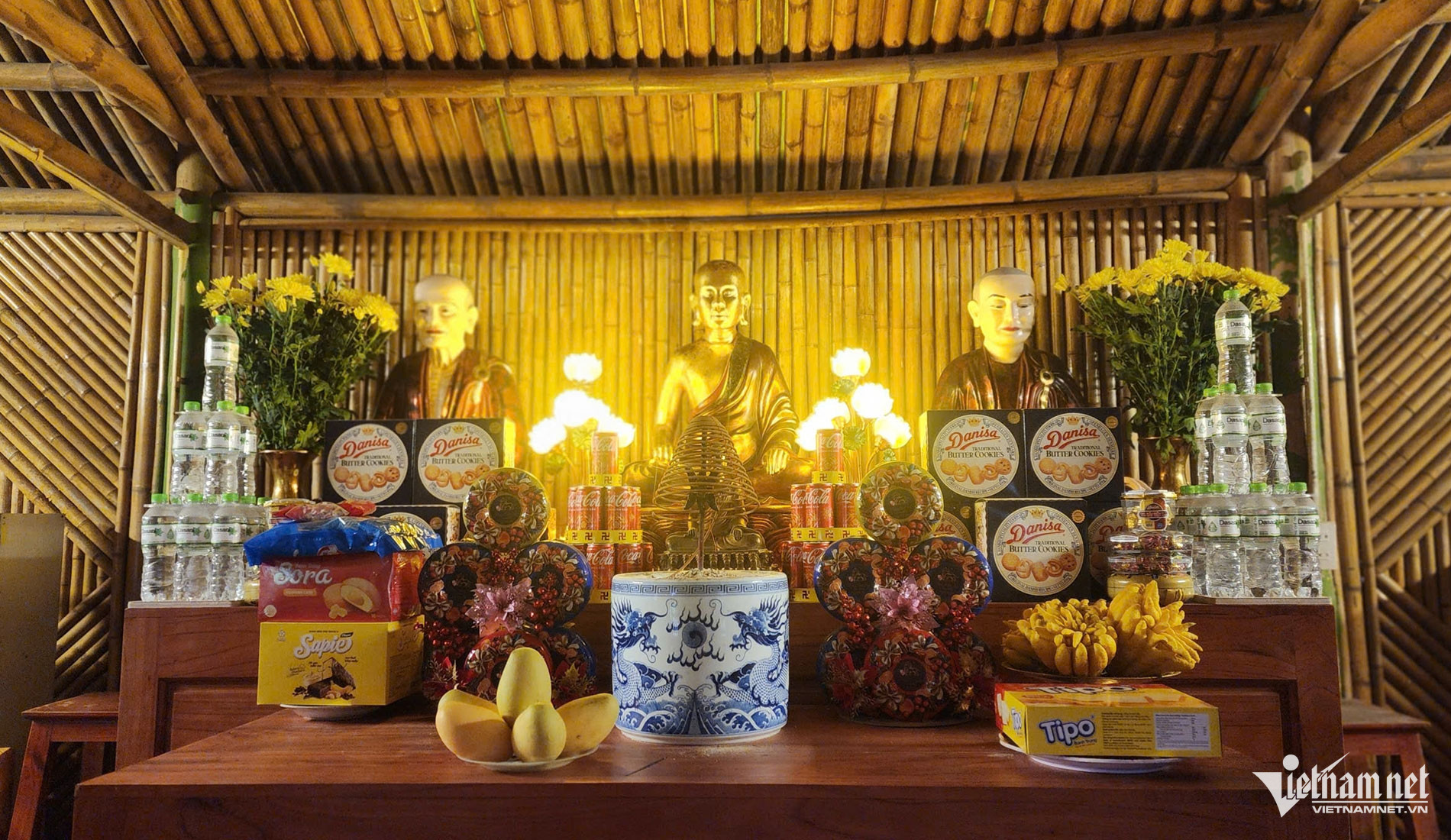
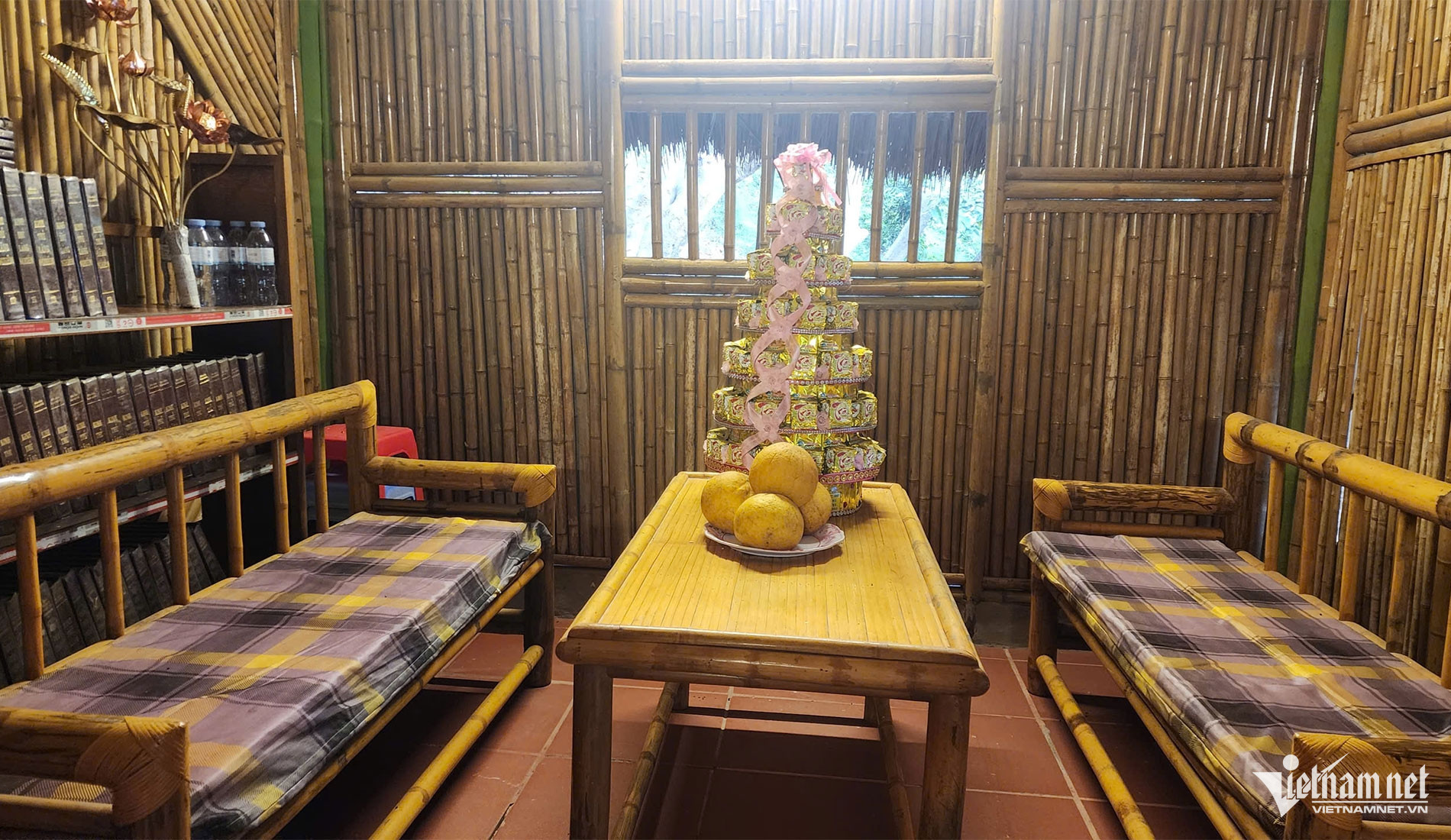
Am Hoa Pagoda lies hidden in the mountains.
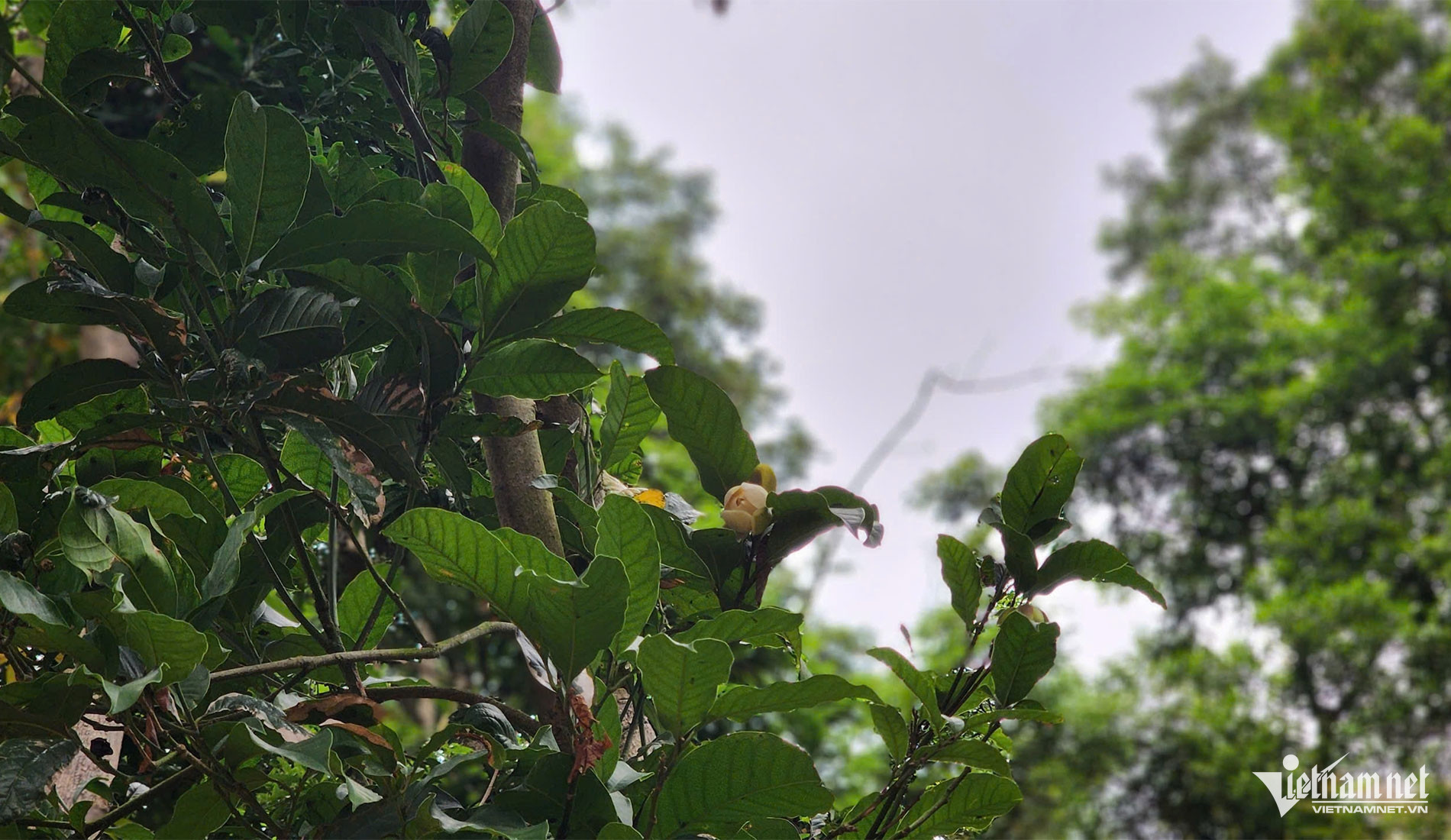
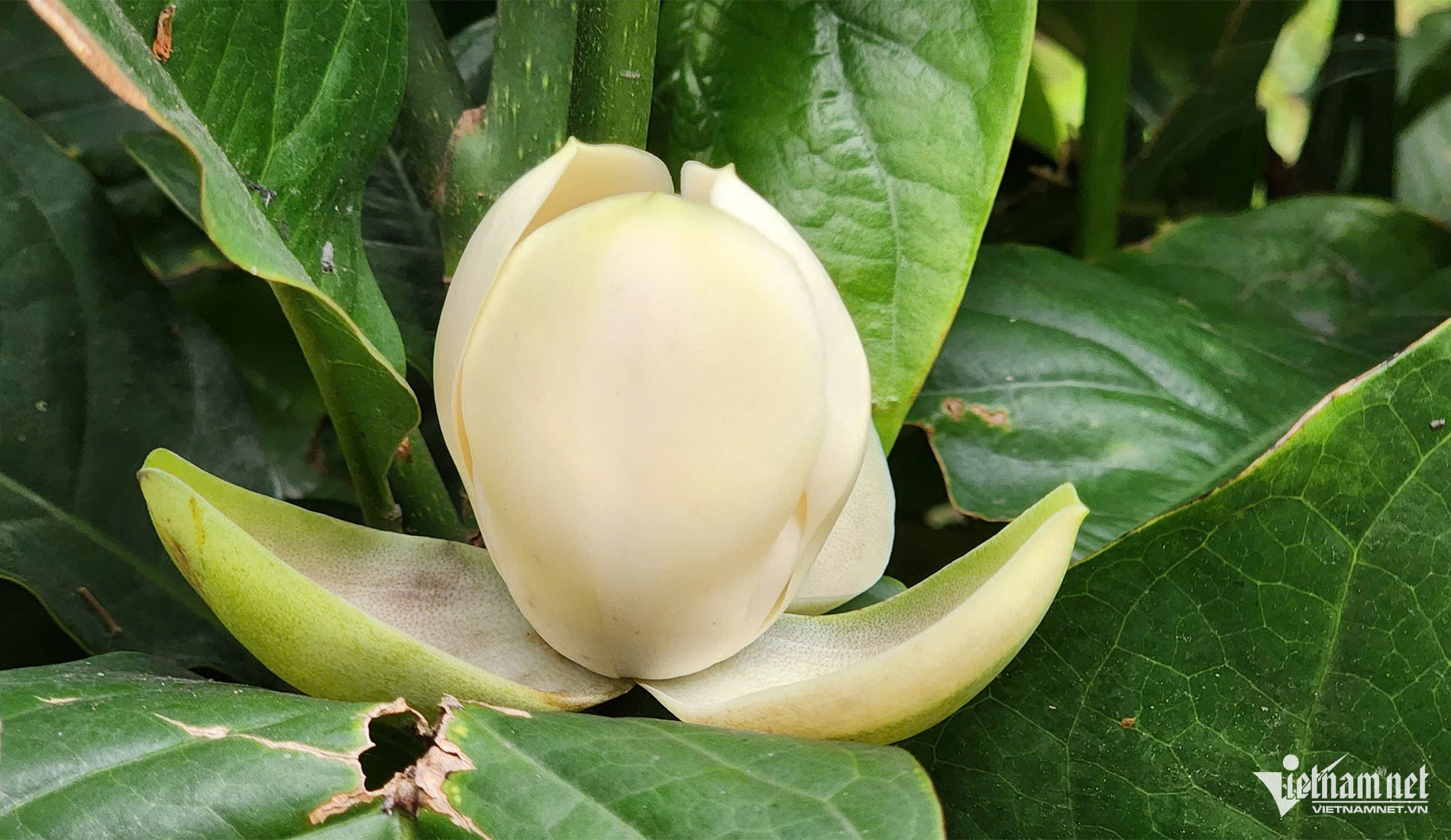
The fragrant “egg flower” tree blooms like a lotus within the pagoda grounds.
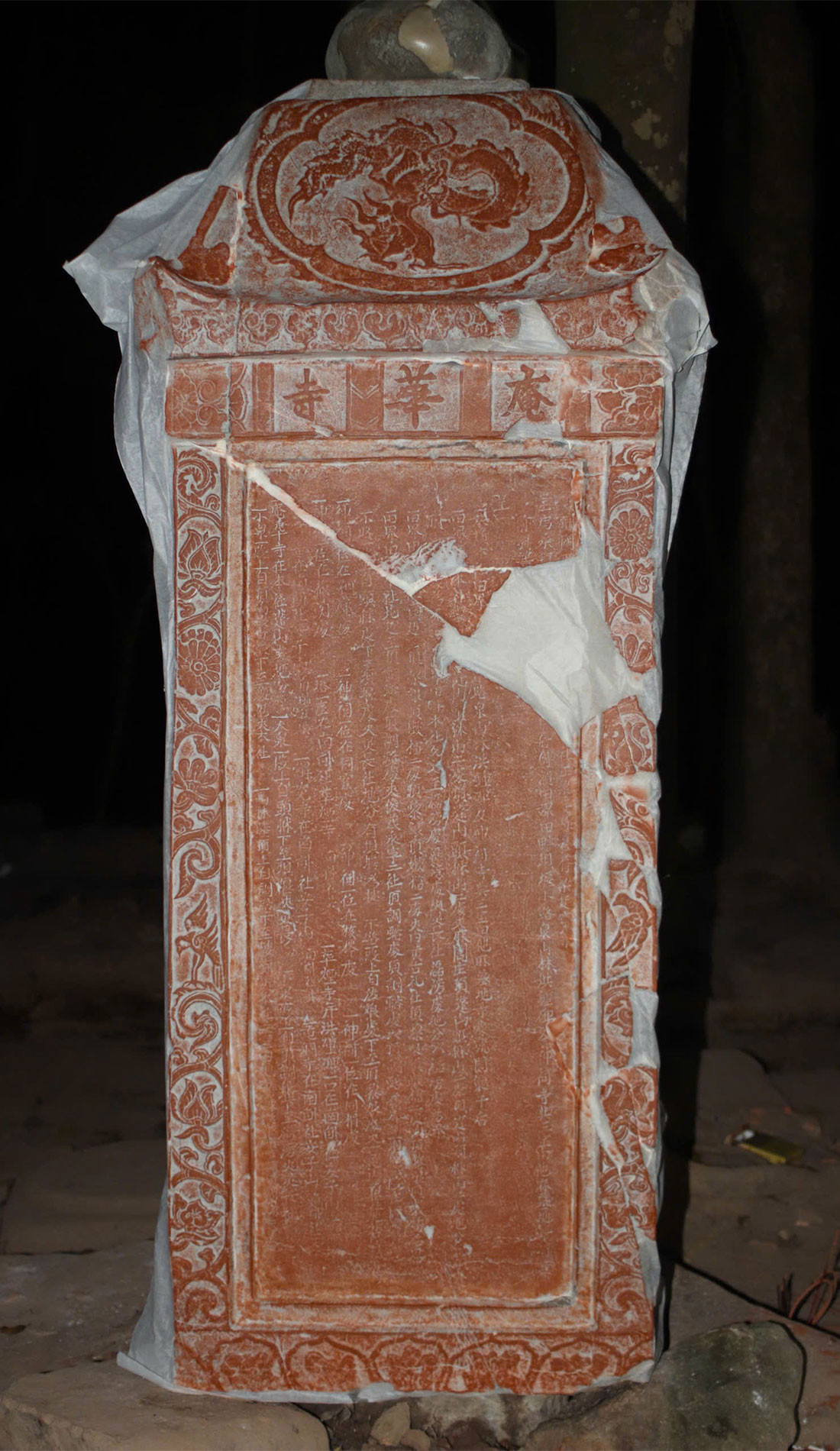
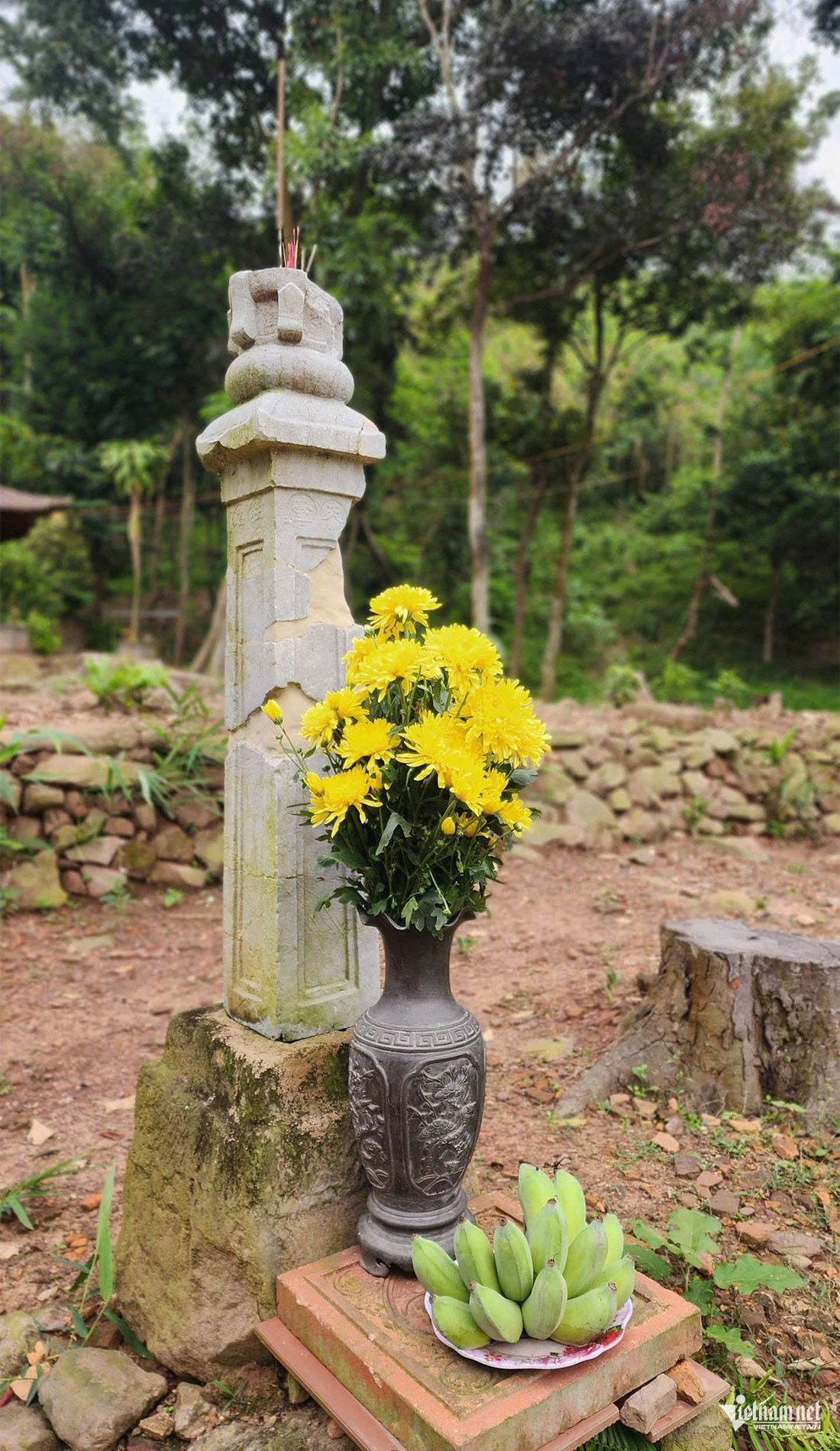
Ancient stone stele and incense tower at Am Hoa Pagoda.
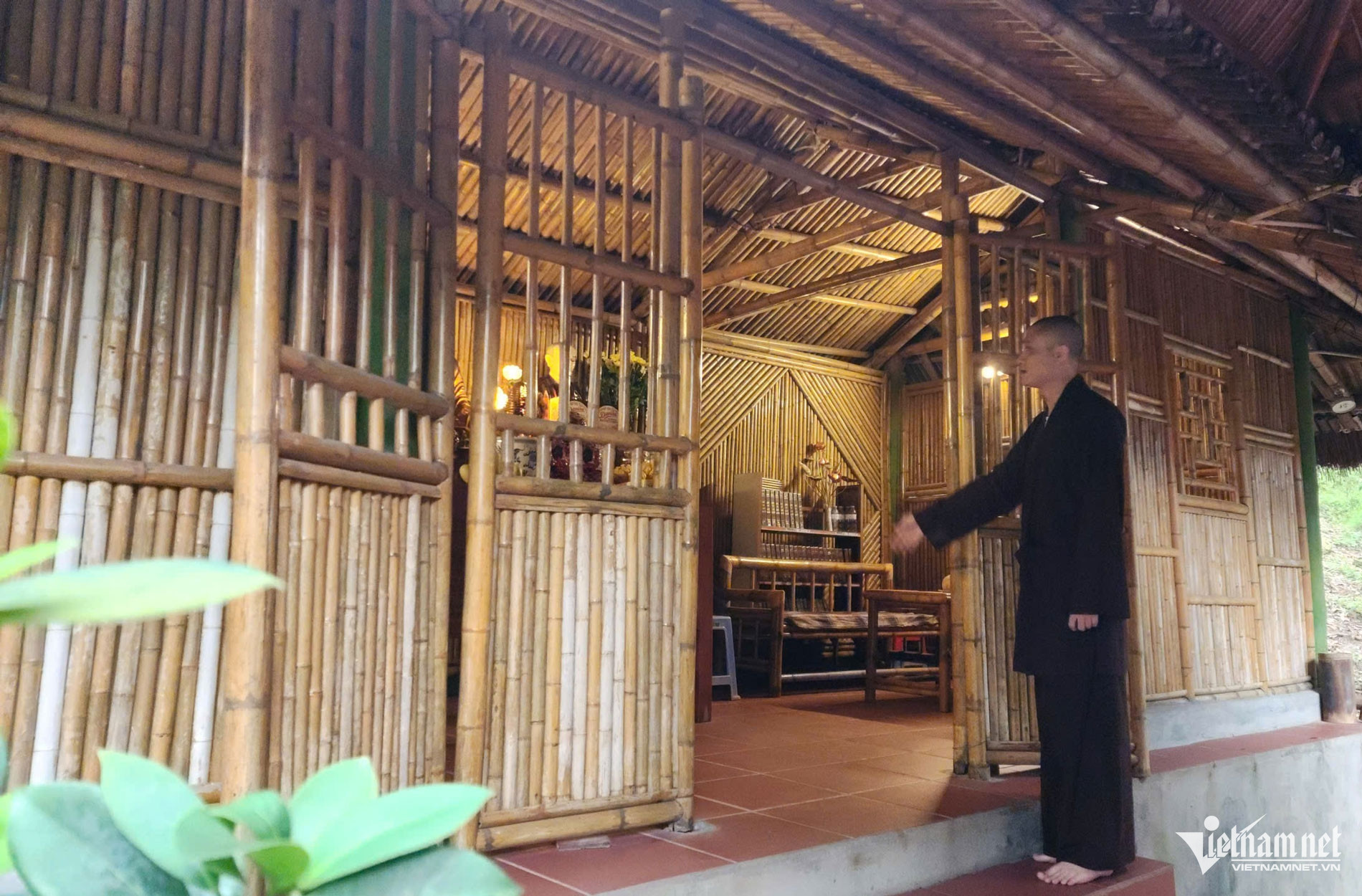
Venerable Thich Khai Thuong introduces the uniquely constructed pagoda.
Tinh Le
.svg)
