 Vietnamnet.vn

 Podcast



Hidden within a narrow alley on Bach Mai Street in Hanoi, Lien Phai Pagoda is not only a nationally recognized historical and architectural relic, but also the cradle of a uniquely Vietnamese Zen lineage shaped by an extraordinary royal figure.
The story of a nobleman who “broke his jade belt to seek enlightenment”
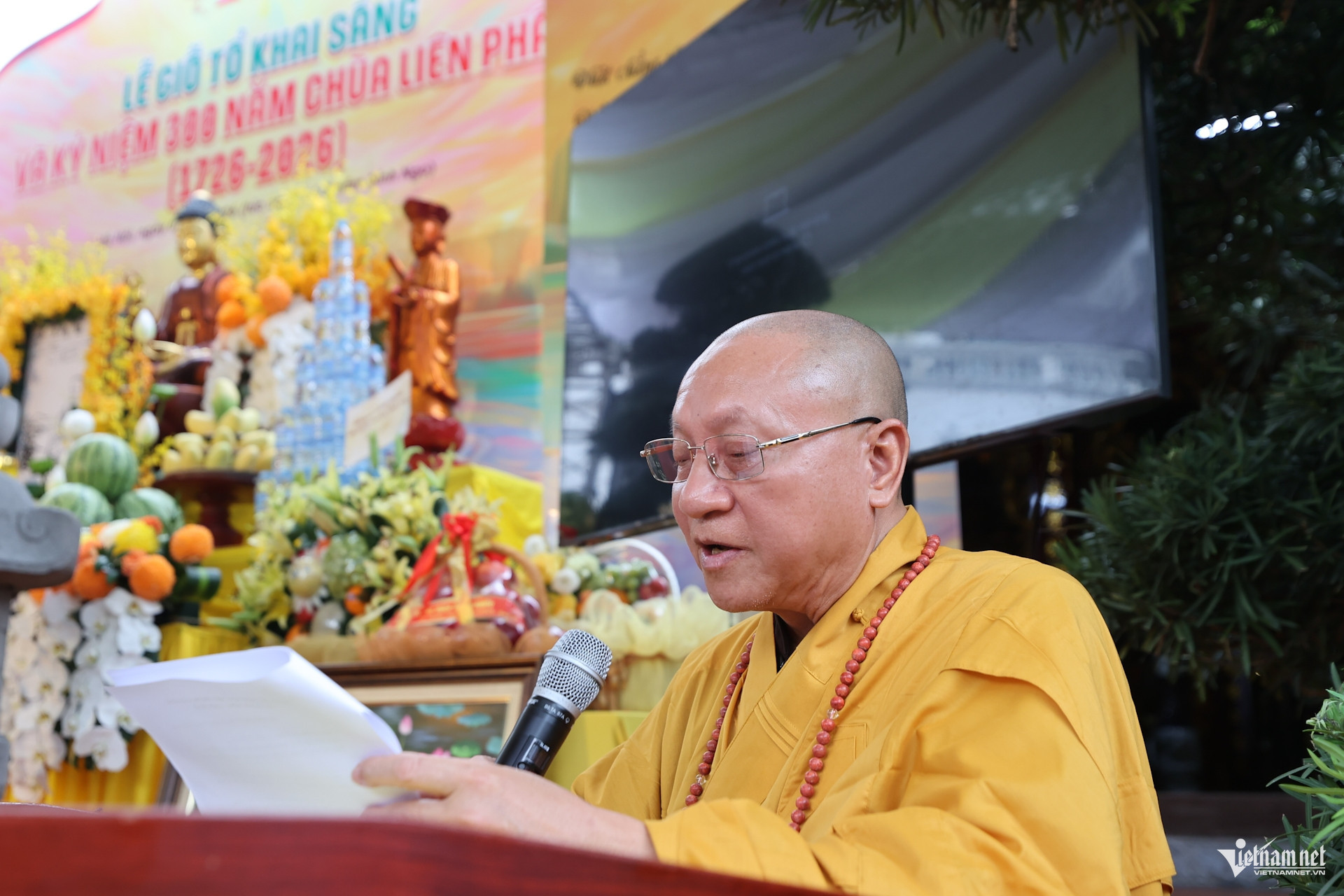
Amid the solemn atmosphere of the founding anniversary ceremony and the 300-year celebration of Lien Phai Pagoda (1726 - 2026) on April 1, visitors moved quietly through the temple grounds. The event was not merely a ritual gathering, but an occasion to reflect on a long journey intertwined with the spiritual life of the capital.
Standing before the altar, Venerable Thich Gia Quang - the 13th abbot of the pagoda and Vice Chairman of the Executive Council of the Vietnam Buddhist Sangha - emotionally recalled the life of Patriarch Nhu Trung Lan Giac (1696-1733). Born on the fifth day of the fifth lunar month in Thanh Hoa, he was said to bear a rhinoceros-shaped mark on his forehead at birth.
Across more than two thousand years of Vietnamese Buddhism, the continuity of the Dharma has not relied solely on scriptures, but also on the lives of patriarchs who embodied the teachings through their actions. Nhu Trung Lan Giac was one such figure.
Originally known as Trinh Thap, son of Pho Quang Vuong Trinh Binh, he was born into privilege during the Later Le dynasty. Yet even in his youth, he was drawn toward Buddhist teachings, adopting the spiritual title Thuong Si Cao Thien, also known as Cuu Sinh.
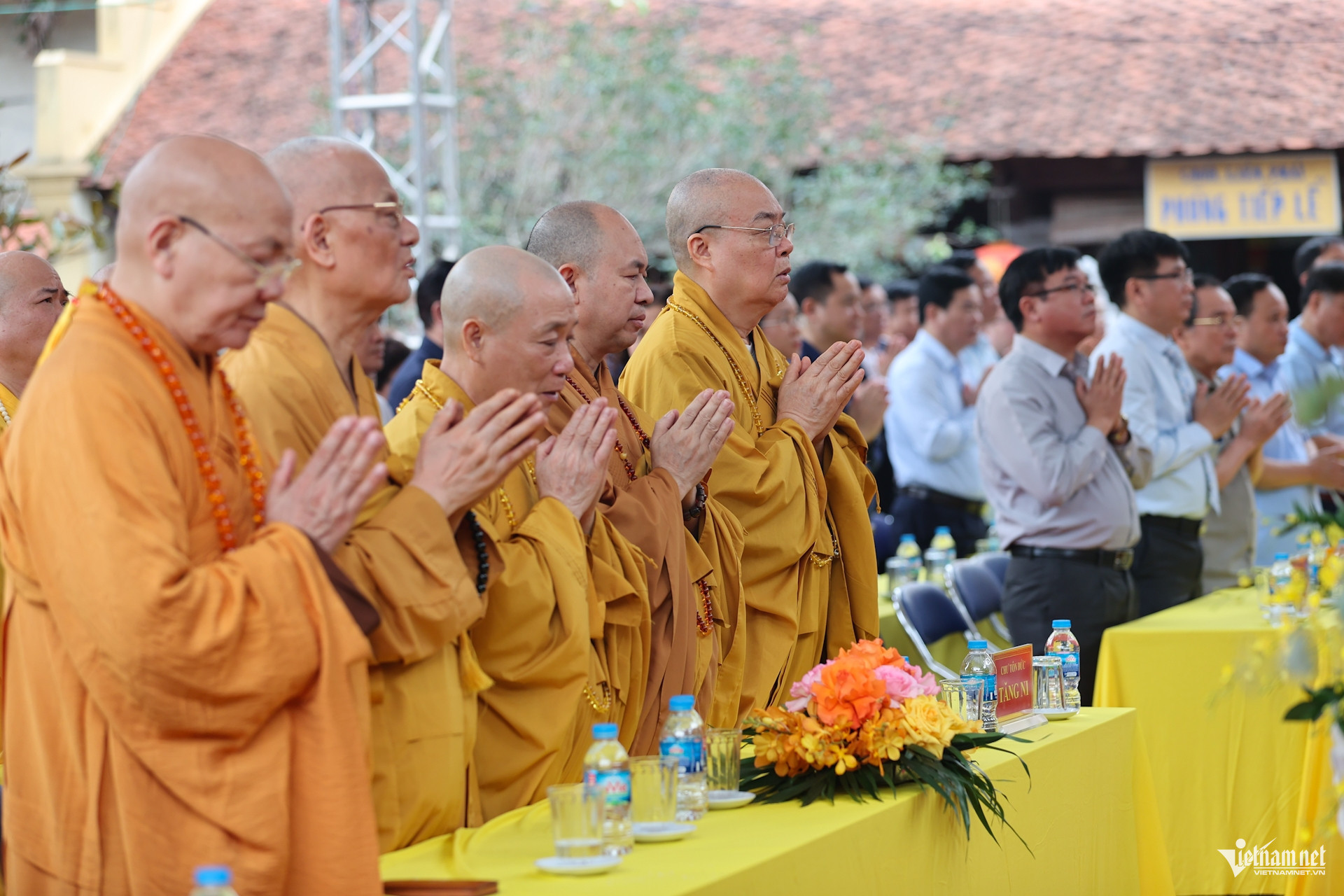
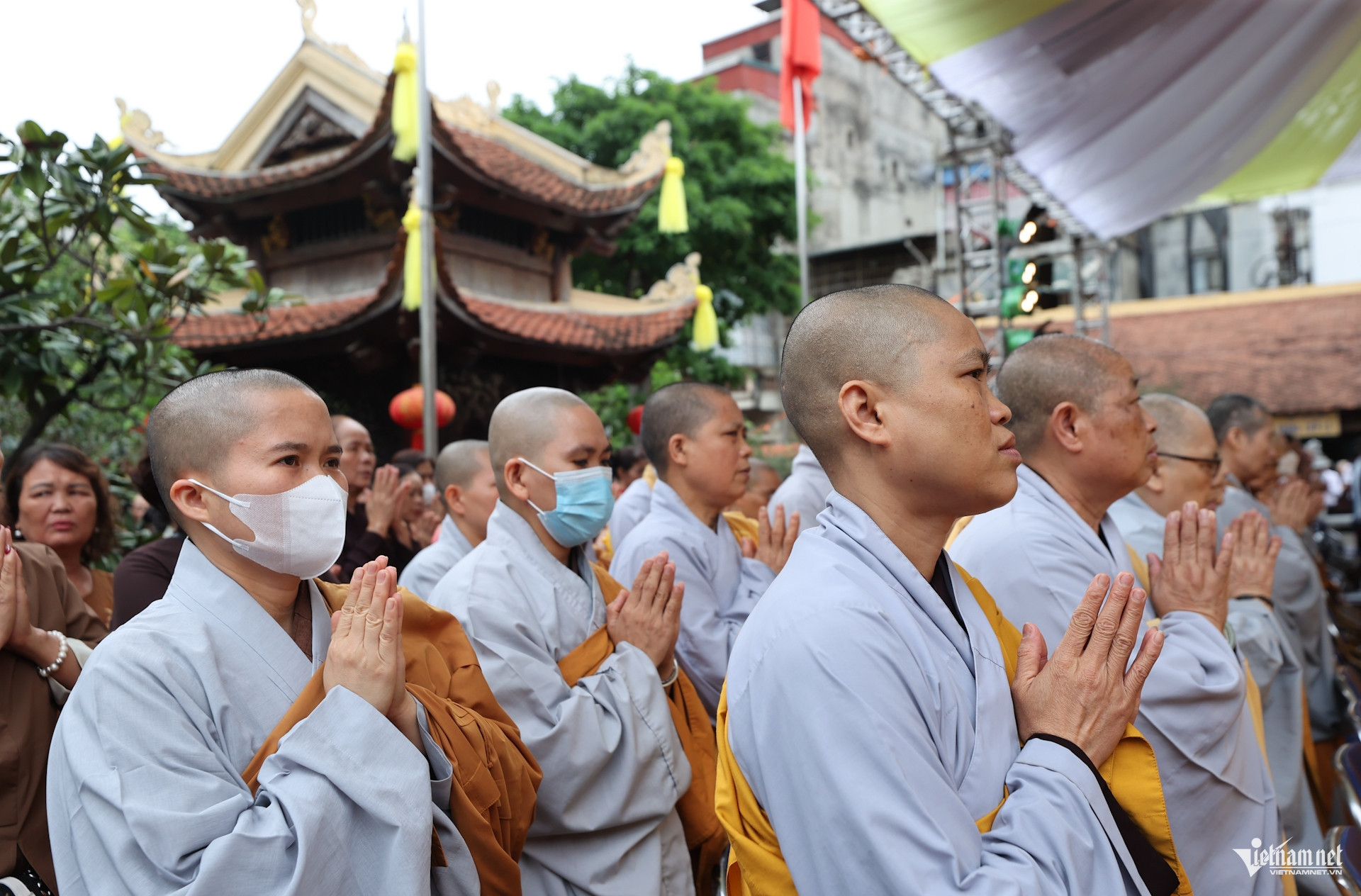

According to oral tradition, one day while ordering the excavation of a hill behind his residence to build a fish pond, he discovered a golden lotus emerging from the earth. Interpreting it as an auspicious sign, the nobleman made a life-altering decision. At the height of worldly glory, he renounced his status, transformed his residence into Lien Hoa Pagoda in 1726, and gradually became known as Zen Master Nhu Trung Lan Giac.
“Amid wealth and honor, he contemplated impermanence and recognized the fragile nature of worldly success,” Venerable Thich Gia Quang said. “His act of renunciation was not only personal, but a powerful spiritual declaration - placing liberation as the ultimate goal and enlightenment as the only path.”



After studying under Venerable Chan Nguyen Chinh Giac at Long Dong Pagoda on Yen Tu Mountain, he continued his master’s lineage, integrating elements of the Truc Lam Yen Tu Zen tradition and the Lam Te Zen school from Ha Bac in China. From this synthesis, he founded the Lien Tong Zen lineage, which gradually spread throughout northern Vietnam.
Lien Tong Zen remains one of the indigenous Zen traditions of Vietnamese Buddhism, deeply rooted in engagement with everyday life.
During the reign of Emperor Thieu Tri (1841-1847), due to a naming taboo, the Lien Tong Zen lineage was renamed Lien Phai, and the pagoda itself also adopted the name Lien Phai.
A national relic and a resilient lineage
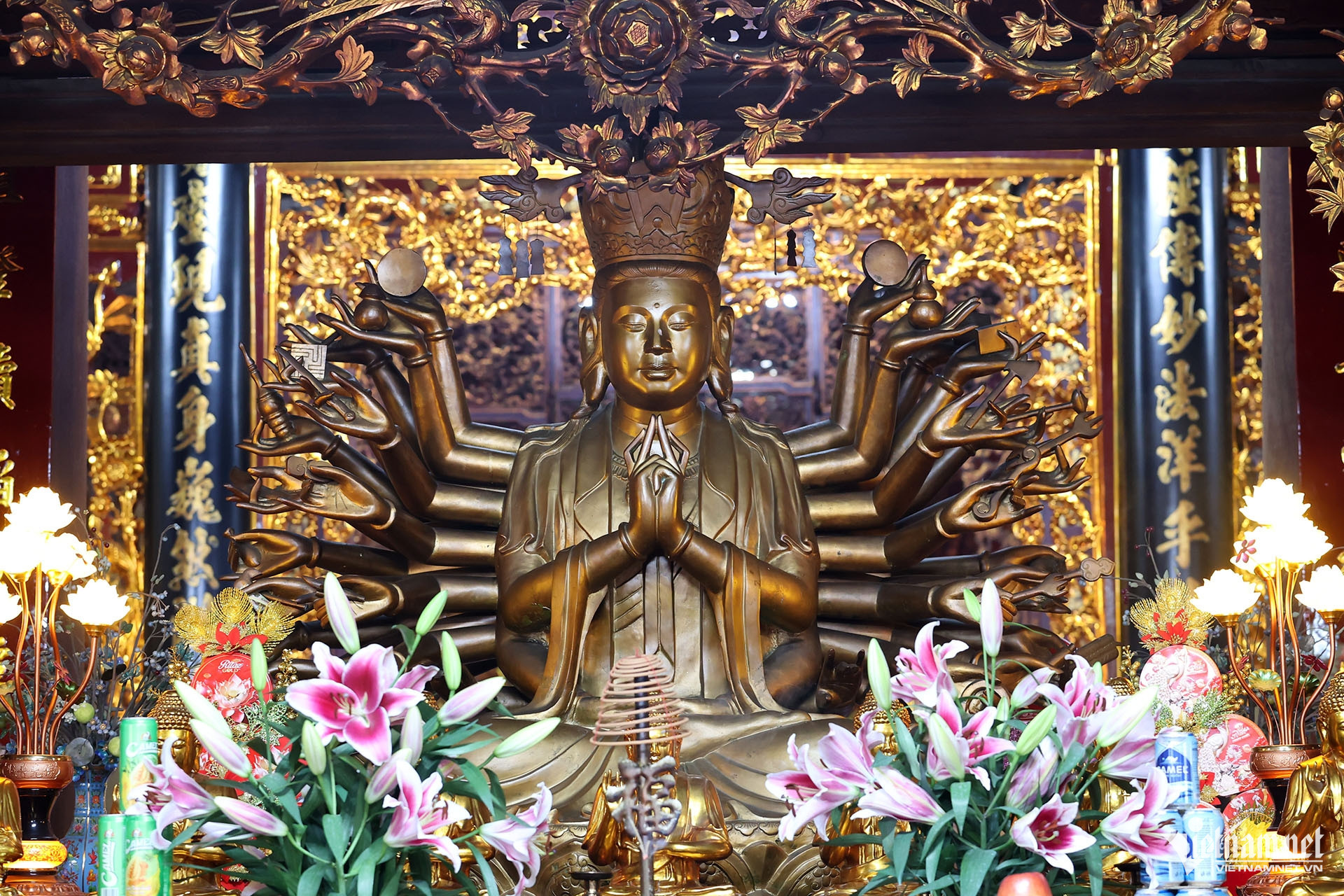
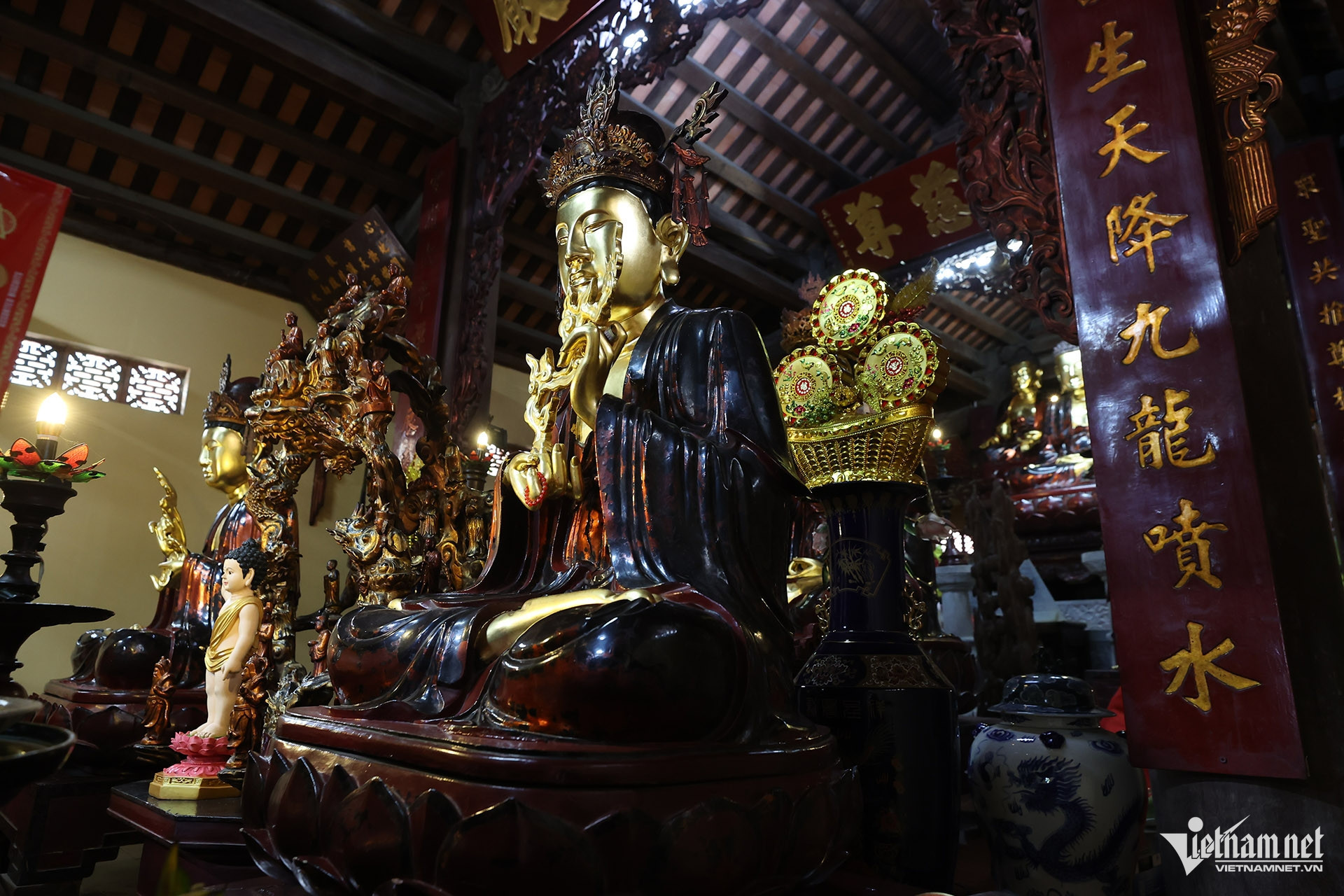


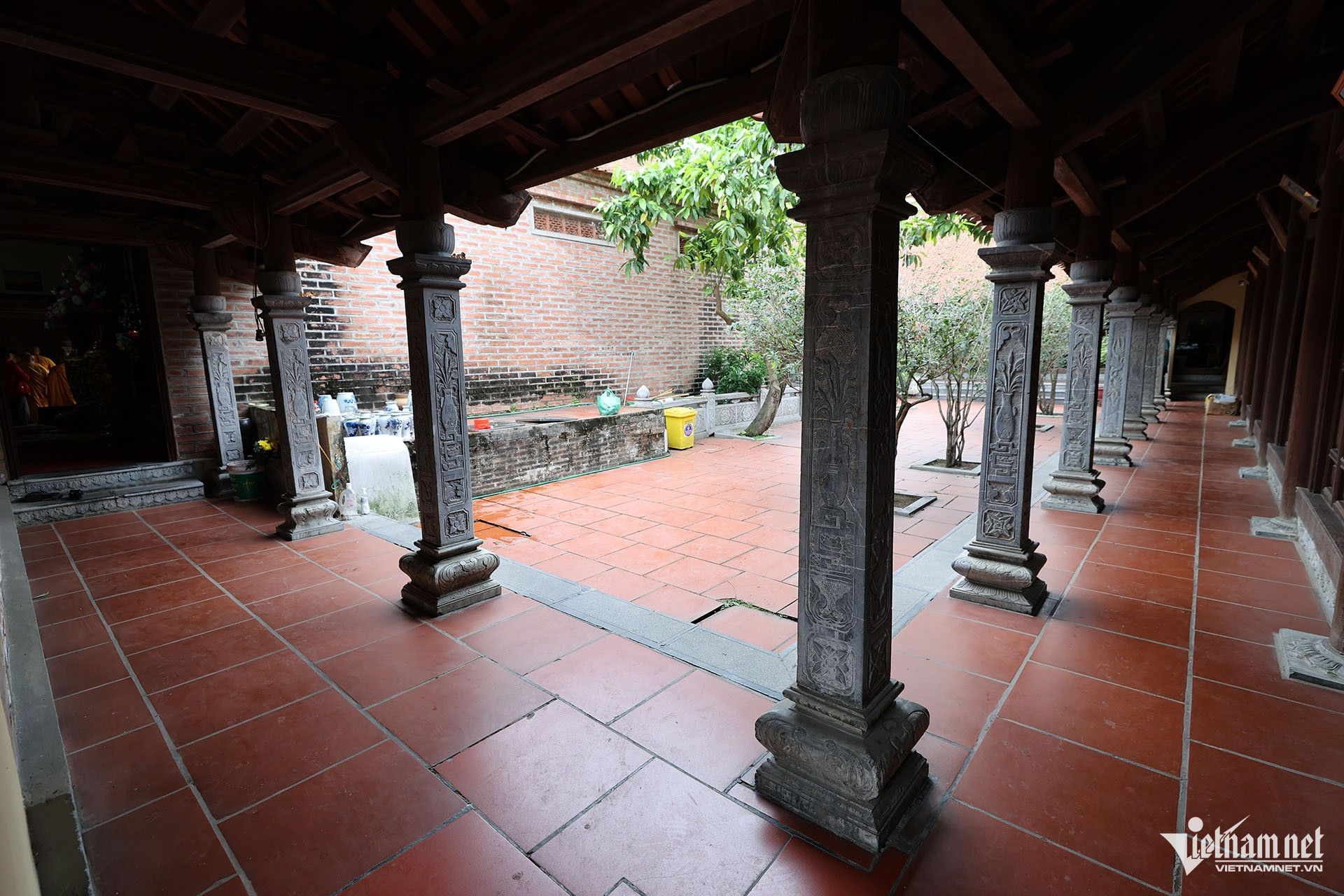
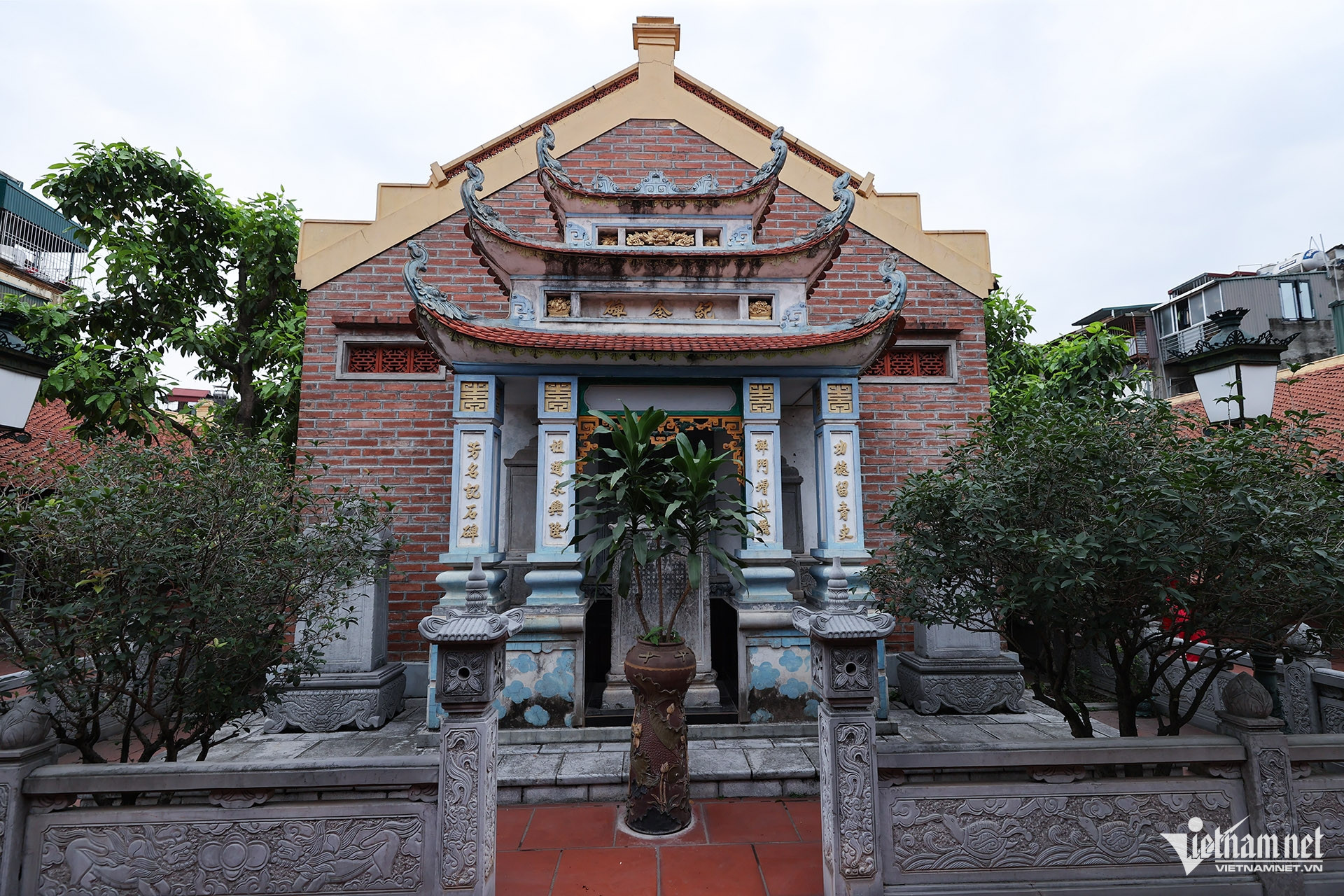
Over three centuries of change, Lien Phai Pagoda has retained its solemn character, featuring the traditional “noi cong ngoai quoc” architectural layout typical of northern Vietnamese temples.
One of its most distinctive features is the ancient tower garden, notably the nine-tiered “Cuu pham Lien Hoa” tower rising ten levels high. This structure is not only a rare example of urban heritage architecture, but also a symbol of spiritual discipline and enlightenment.
Nearby stands the Cuu Sinh stupa, a five-tiered structure made entirely of green stone, housing the memorial tablet of the founding patriarch and dating back nearly 300 years.
The pagoda also preserves a wealth of invaluable artifacts, including numerous ancient statues, 64 stone steles, lacquered altars gilded in gold, horizontal plaques and parallel sentences.
“Lien Phai Pagoda was among the earliest sites to be recognized as a national historical and architectural relic,” said Nguyen Thi Ngoc Anh, Vice Chairwoman of the Bach Mai Ward People’s Committee. “It was classified at the national level in 1962, alongside the Hai Ba Trung temple complex.”
The 300-year anniversary marks a significant milestone, reflecting the pagoda’s enduring role in Vietnam’s spiritual and cultural life. It serves not only as a place of worship, but also as a cultural landmark preserving the Buddhist tradition of “protecting the nation and bringing peace to the people.”


The pagoda is also known as a major center for woodblock printing of Buddhist scriptures. From its earliest days, the founding patriarch sent disciples to China to obtain more than 1,000 volumes of sutras, which were then carved onto woodblocks for dissemination. These efforts played a key role in spreading the Vinaya, particularly through the teaching and printing of the “Tu phan luat.”
Many of these historic woodblock scriptures are still preserved at the pagoda today.
To maintain its present condition, Lien Phai Pagoda has undergone several major restorations, most recently between 2019 and 2024, with an investment exceeding VND80 billion (US$3.3 million).
A spiritual refuge and a future cultural destination
For many residents of Hanoi, Lien Phai Pagoda is regarded as a spiritual anchor. It is often associated in popular belief with resolving issues related to “trung tang” rituals, though practitioners emphasize a deeper understanding of Buddhist teachings.
First-time visitor La An Nhu, a Buddhist follower from Tuyen Quang, shared her impression: “Although the pagoda is located in a narrow residential alley, it retains a serene and sacred atmosphere. We feel a deep sense of peace here.”
She added that for Buddhists, visiting the pagoda is about cultivating goodness and abandoning harmful actions, rather than seeking ritual solutions.

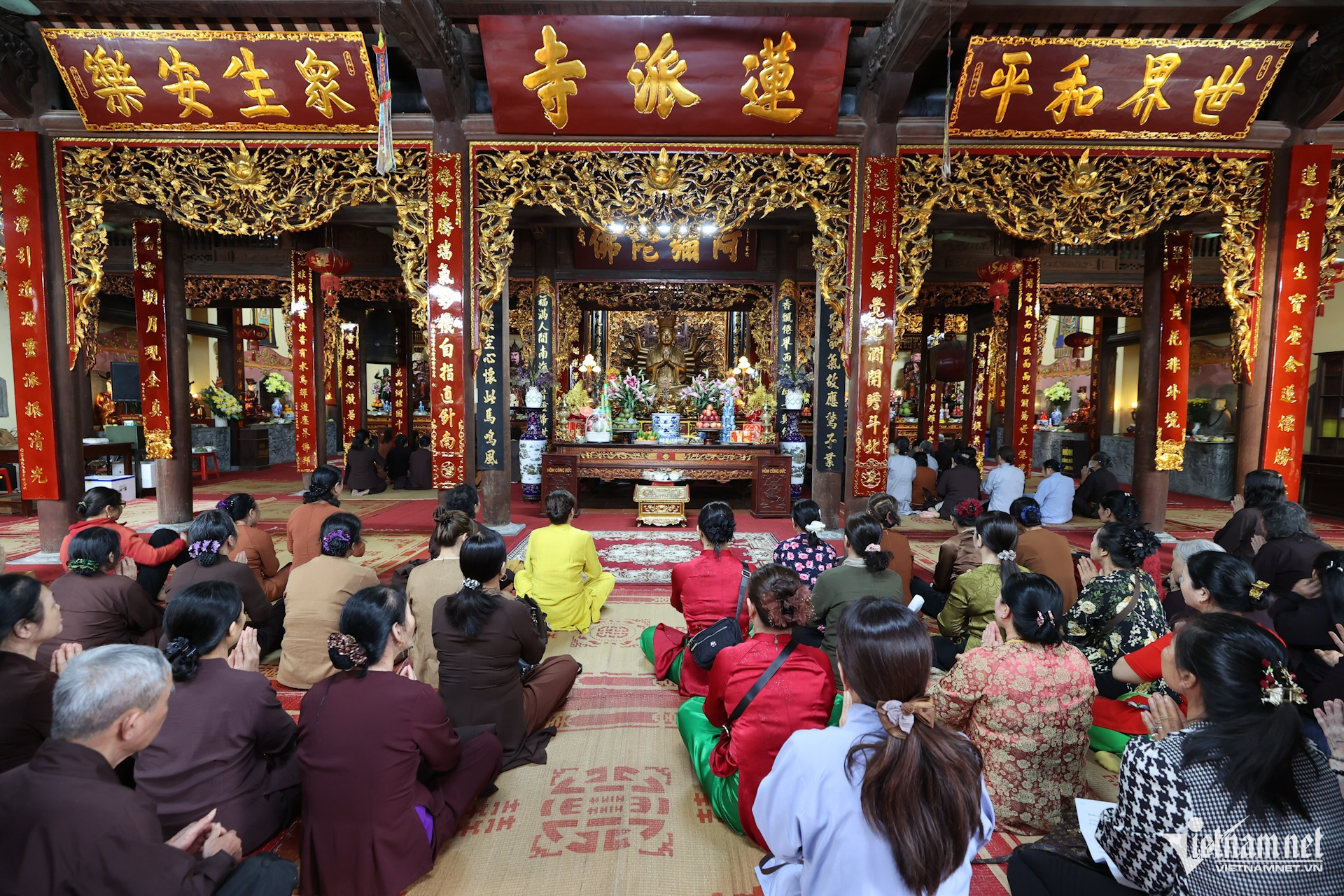
Beyond its religious role, the pagoda has long contributed to social welfare, connecting benefactors with those in need and fostering compassion within the community.
Looking ahead, local authorities are considering plans to develop Lien Phai Pagoda into a cultural tourism destination for Hanoi, aiming to promote its historical and spiritual values while supporting sustainable tourism.
Situated on a site covering approximately 22,000 square meters in Bach Mai Ward, once part of Tho Xuong district in ancient Thang Long, Lien Phai Pagoda remains the ancestral temple of the Lien Tong Zen lineage - a quiet yet enduring presence in the heart of the capital.
Binh Minh - Le Anh Dung
.svg)
