 Vietnamnet.vn

 Podcast




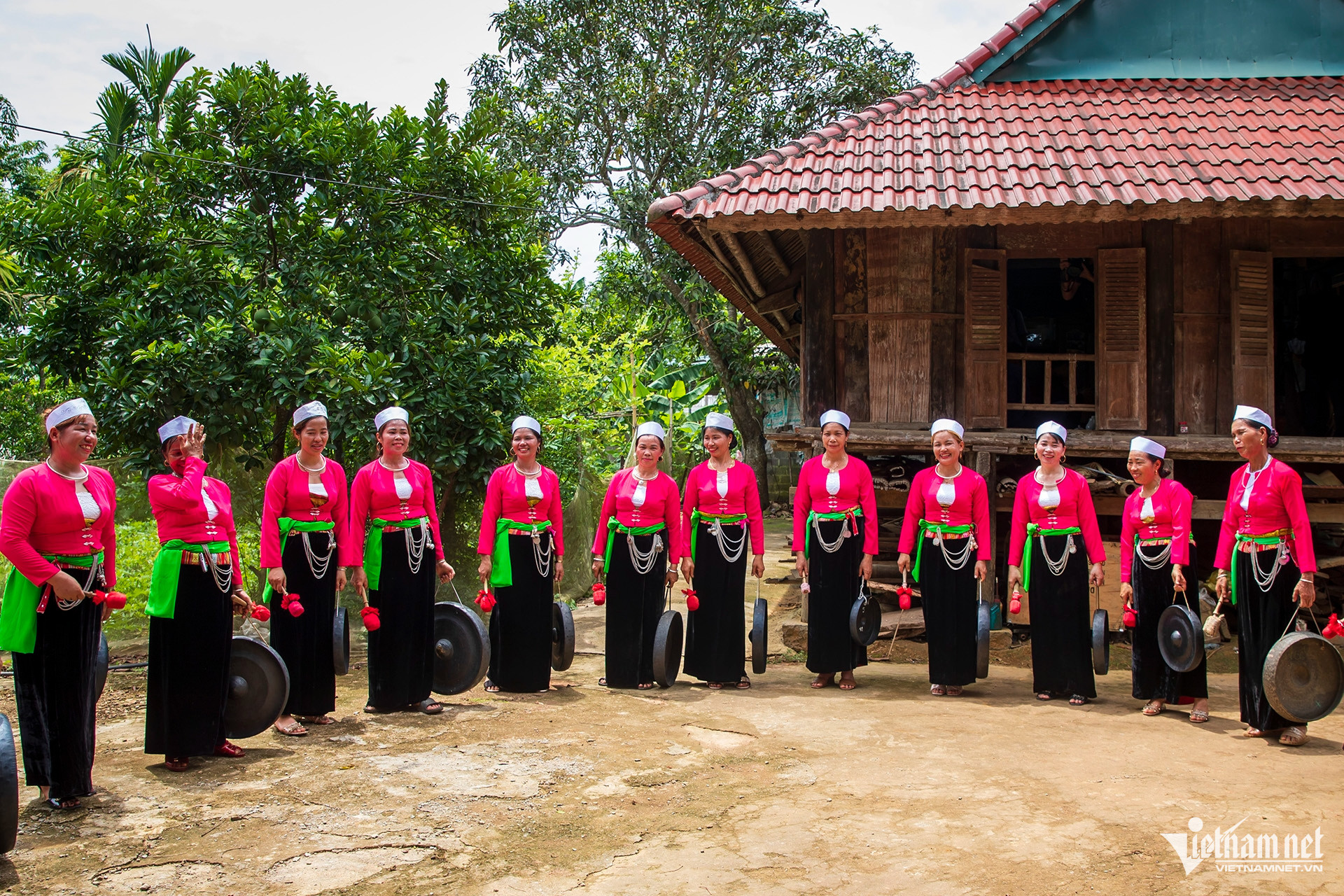
The sound of gongs appears in nearly every important life ritual, from birth ceremonies and weddings to funerals, as well as agricultural festivals and folk spiritual ceremonies such as communal house worship, village worship rituals and rain-praying festivals. Gong music is considered a way to communicate with deities and ancestors, offering prayers for favorable weather, abundant harvests and peace within the community.
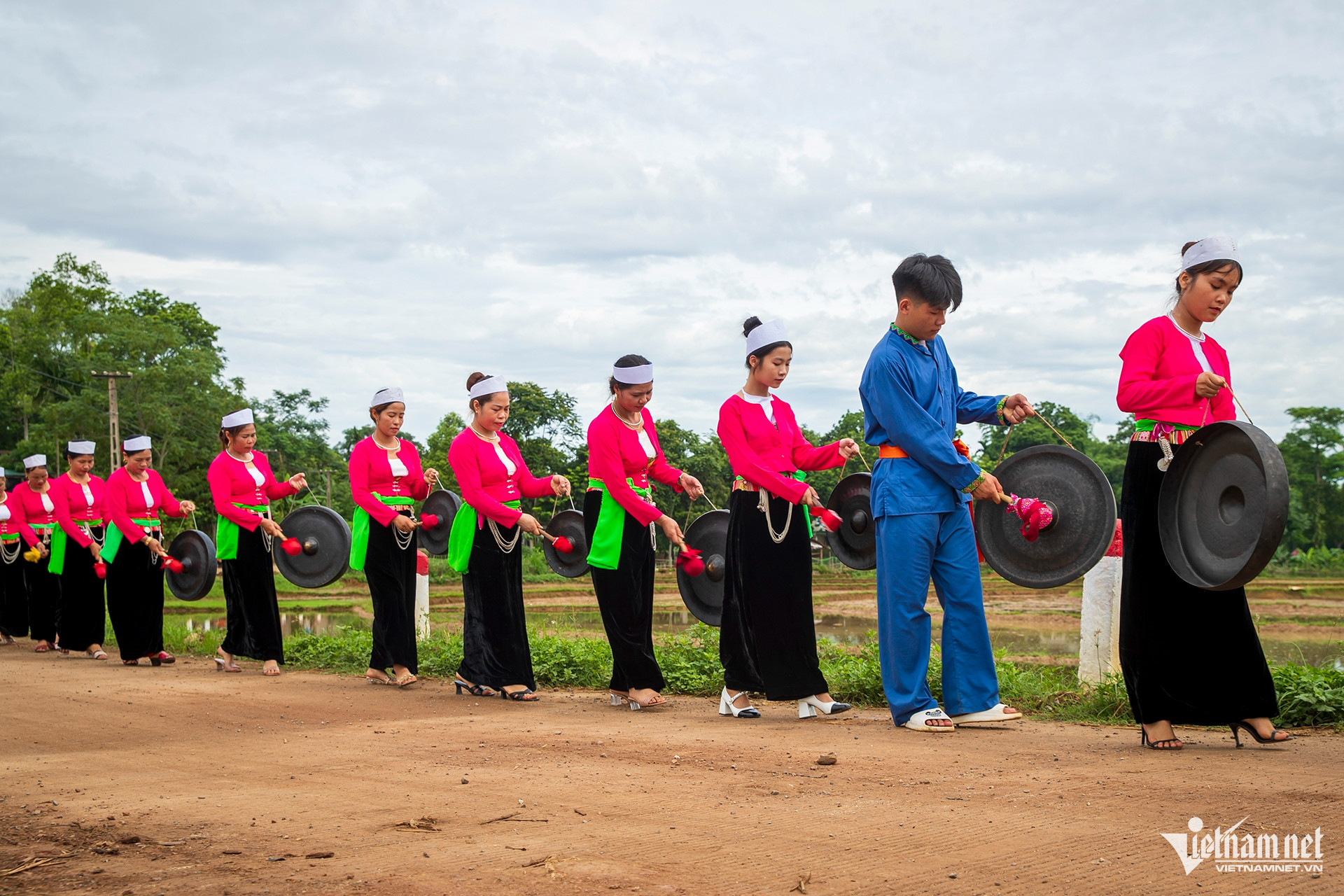
Bronze gongs are not only cultural performance instruments. They also symbolize power, wealth and the social standing of families and clans within traditional Muong society.
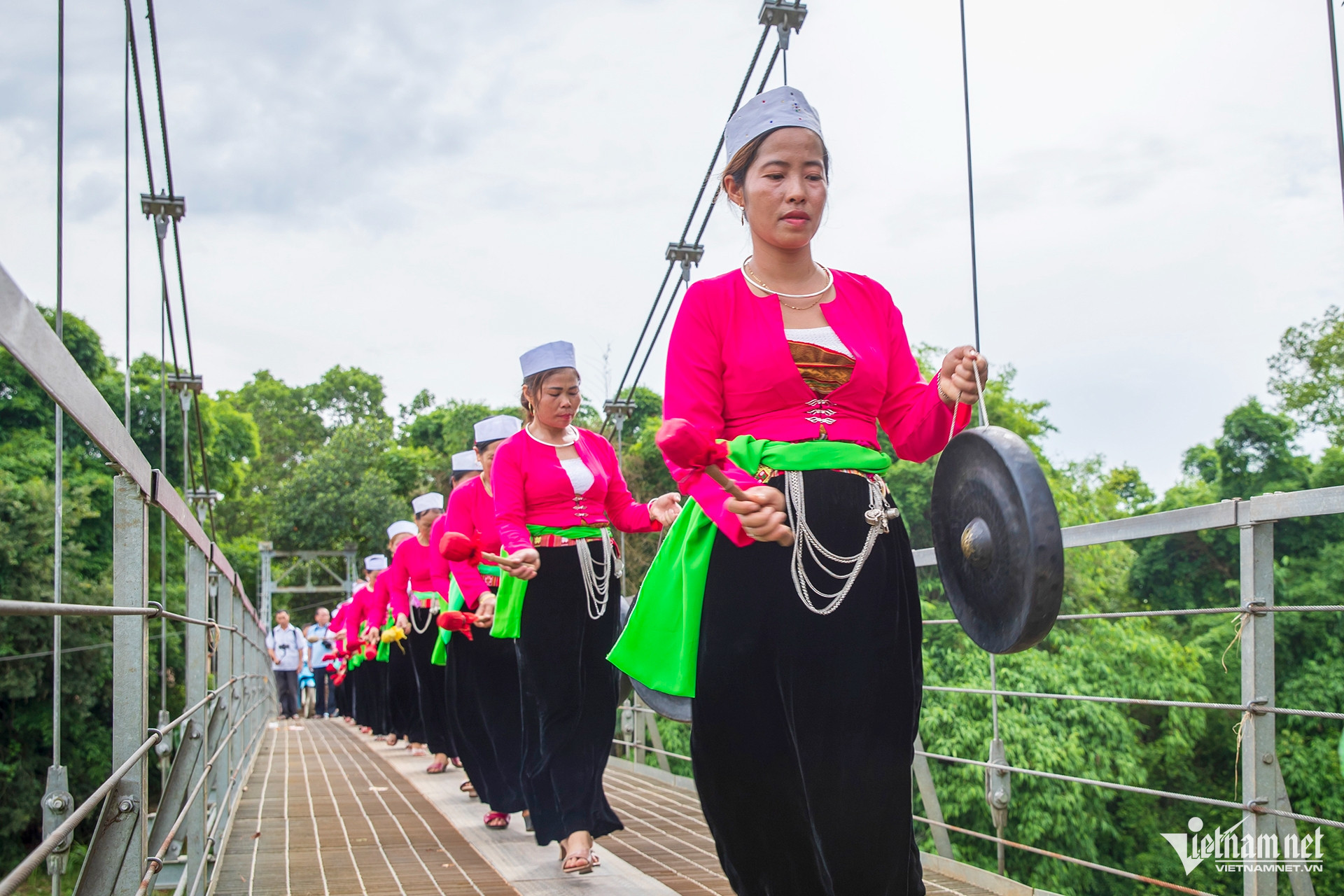
Muong gongs possess characteristics distinct from the gong culture of Vietnam’s Central Highlands. A traditional Muong gong ensemble usually consists of 12 gongs, though the number may vary depending on local conditions. Most are knobbed bronze gongs, with the raised center knob serving as the key element that creates their distinctive sound.
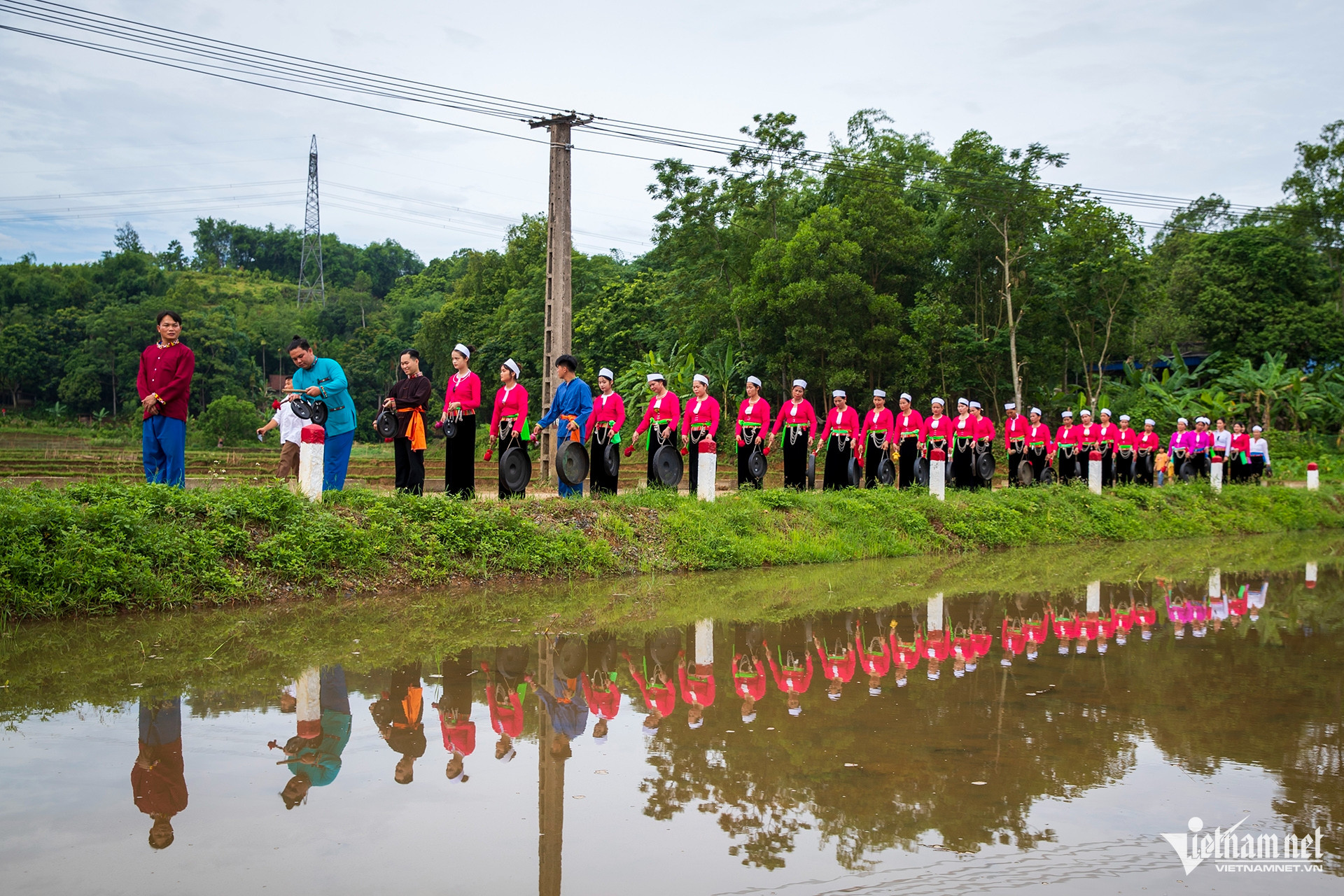
The Muong people primarily use cloth-covered mallets to strike the gongs, producing warm and resonant sounds unlike the bare-stick or hand-playing techniques used by some other ethnic groups.
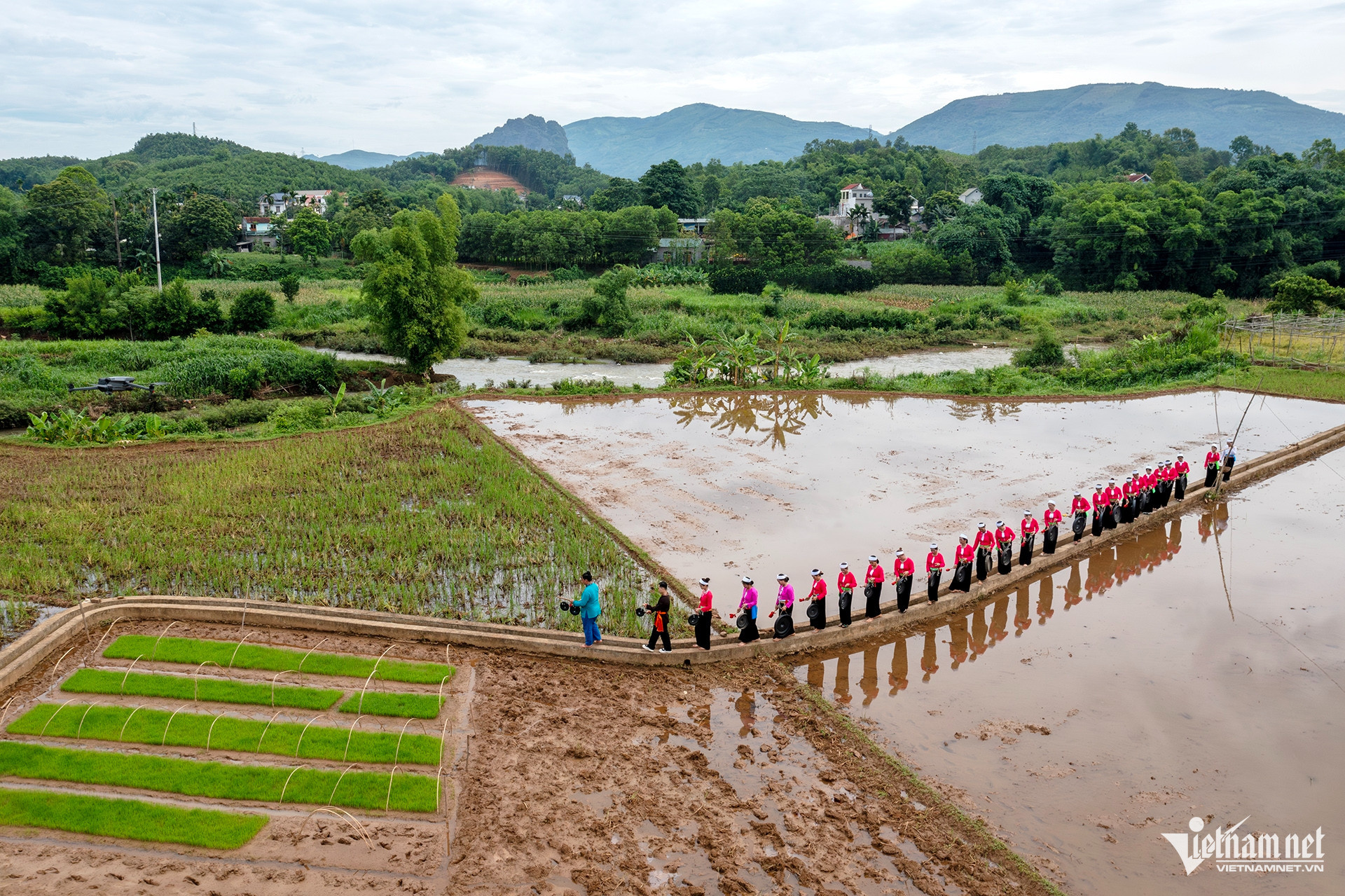
Performers often sit or stand together in an organized orchestra, with each person responsible for a specific gong ranging from the leading gong to smaller supporting instruments.
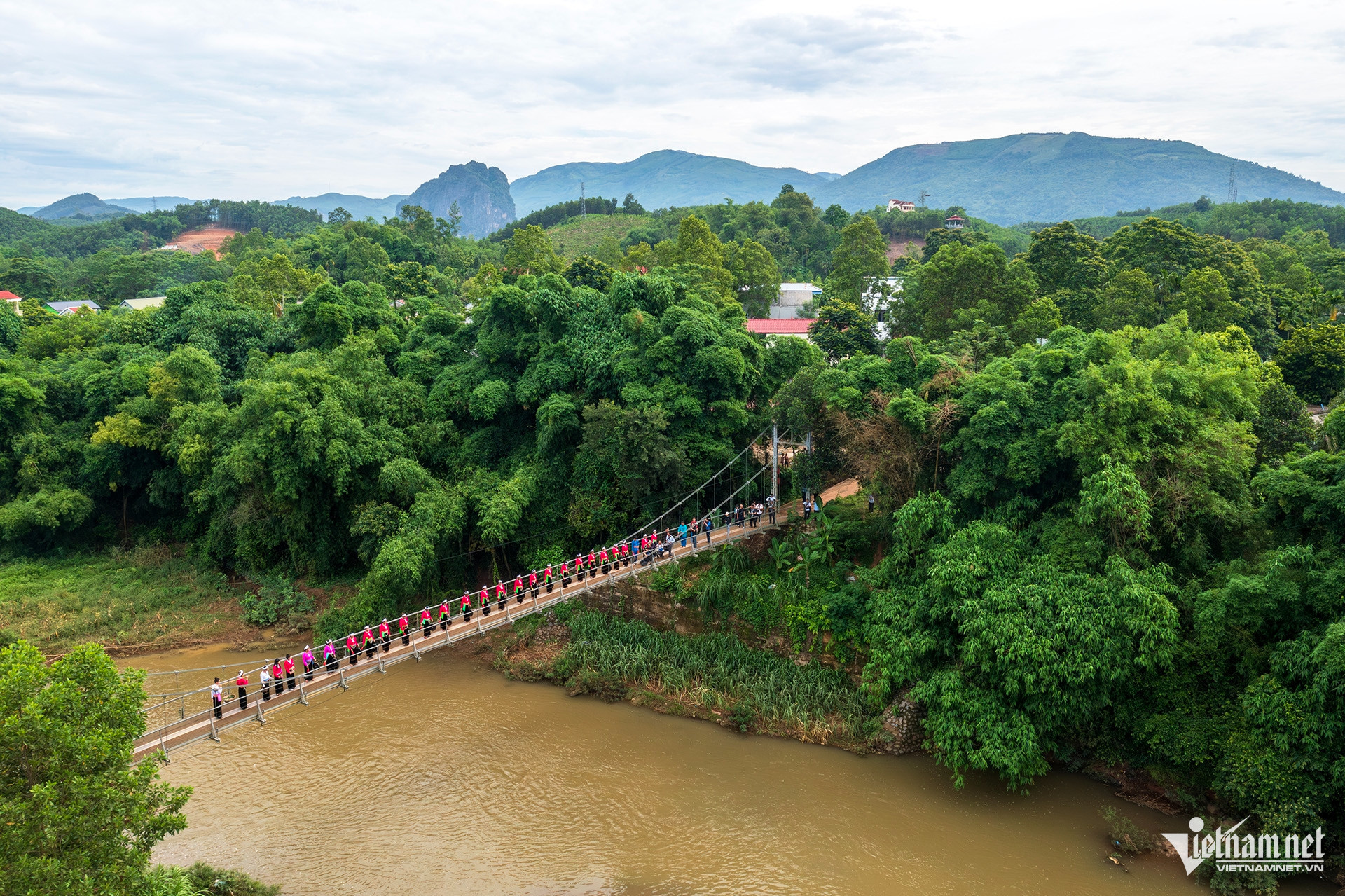
The melodies of Muong gongs are rustic and closely connected to nature and everyday labor, reflecting the emotions and spirit of the community.
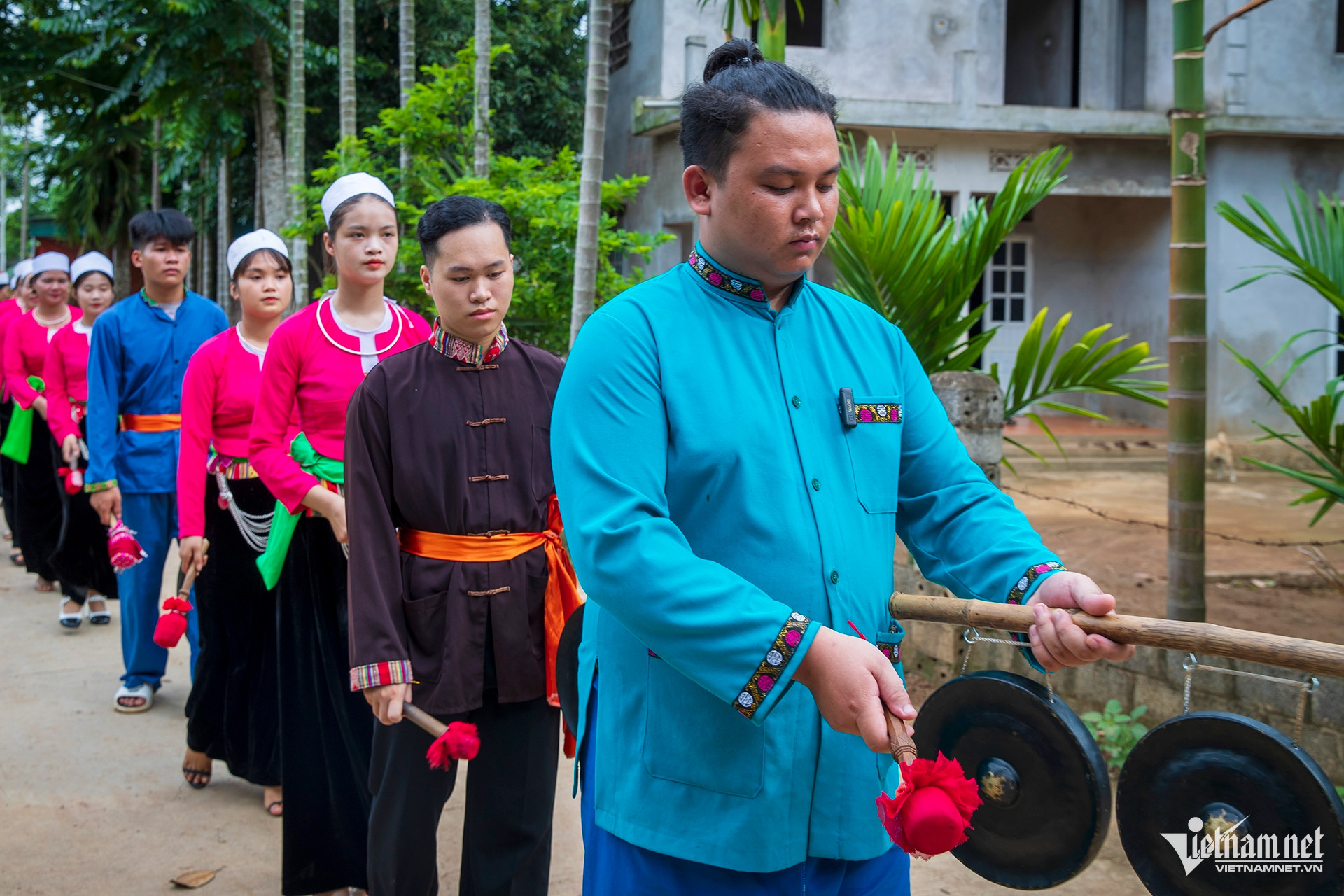
The former Hoa Binh Province alone still preserves around 10,000 bronze gongs, a remarkable number that demonstrates the enduring vitality of this heritage. However, preserving and promoting gong culture in the modern era continues to face many challenges.
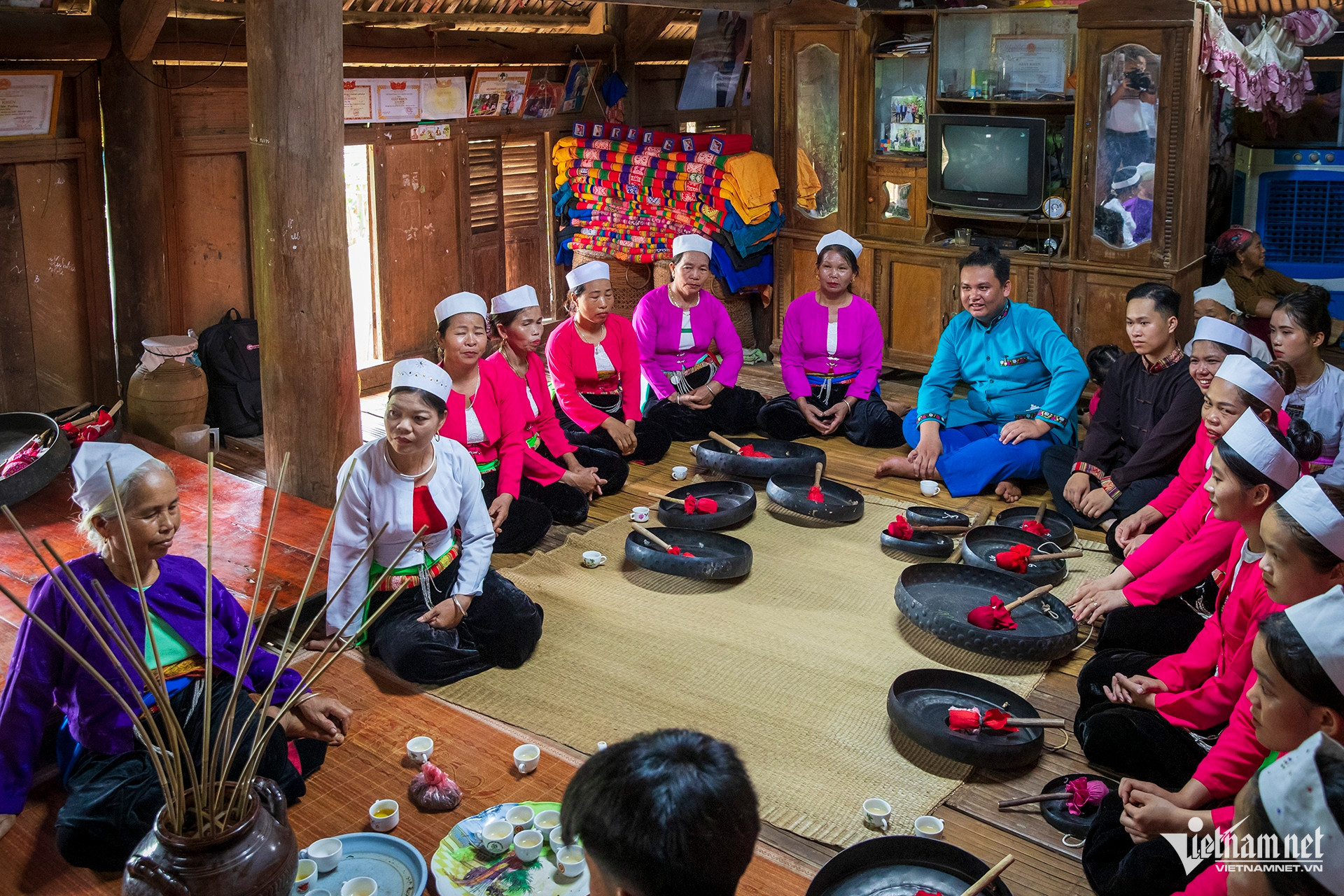
Gong performances also provide opportunities for villagers to gather together, share joy and sorrow, and strengthen communal solidarity.
For the Muong people in Phu Tho, bronze gongs are far more than musical instruments. They are sacred treasures, spiritual bridges connecting people with deities and ancestors, and indispensable sounds present in every major ritual, from rain-praying festivals and new rice celebrations to the most important milestones of community life.
Pham Quoc Dung
.svg)
