 Vietnamnet.vn

 Podcast



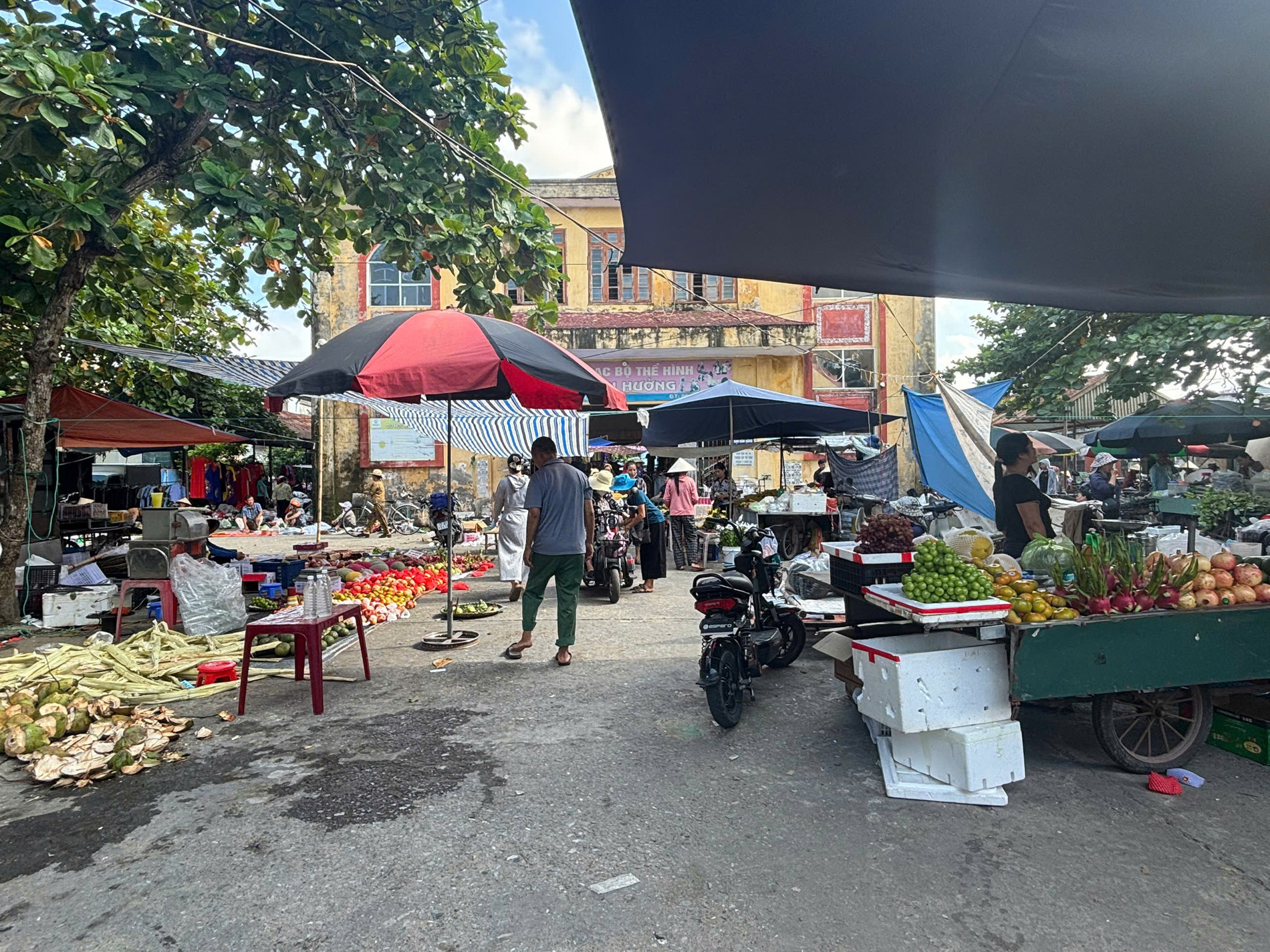
About 120 kilometers from Hanoi, Lu Market is an attraction in An Thai Village, Le Loi Commune, Hung Yen Province, an area formerly part of Kien Xuong District in Thai Binh Province.
The market lies around 15 kilometers east of the center of Thai Binh Ward, formerly Thai Binh City. Beyond its role as a trading place steeped in traditional culture, it has become a lively destination for visitors exploring local food.
Residents say the market has existed for nearly 100 years. Set amid a densely populated area with a canal running through it, it was well placed for trade within the region.
When it was first established, the main market operated three mornings a month, on the 10th, 20th and 30th days of the lunar calendar, with smaller afternoon trading on other days.
After national reunification, growing demand for trade led to four market sessions a month, held on Sundays.
Today, the main market takes place six mornings each lunar month, on the fifth, 10th, 15th, 20th, 25th and 30th days.
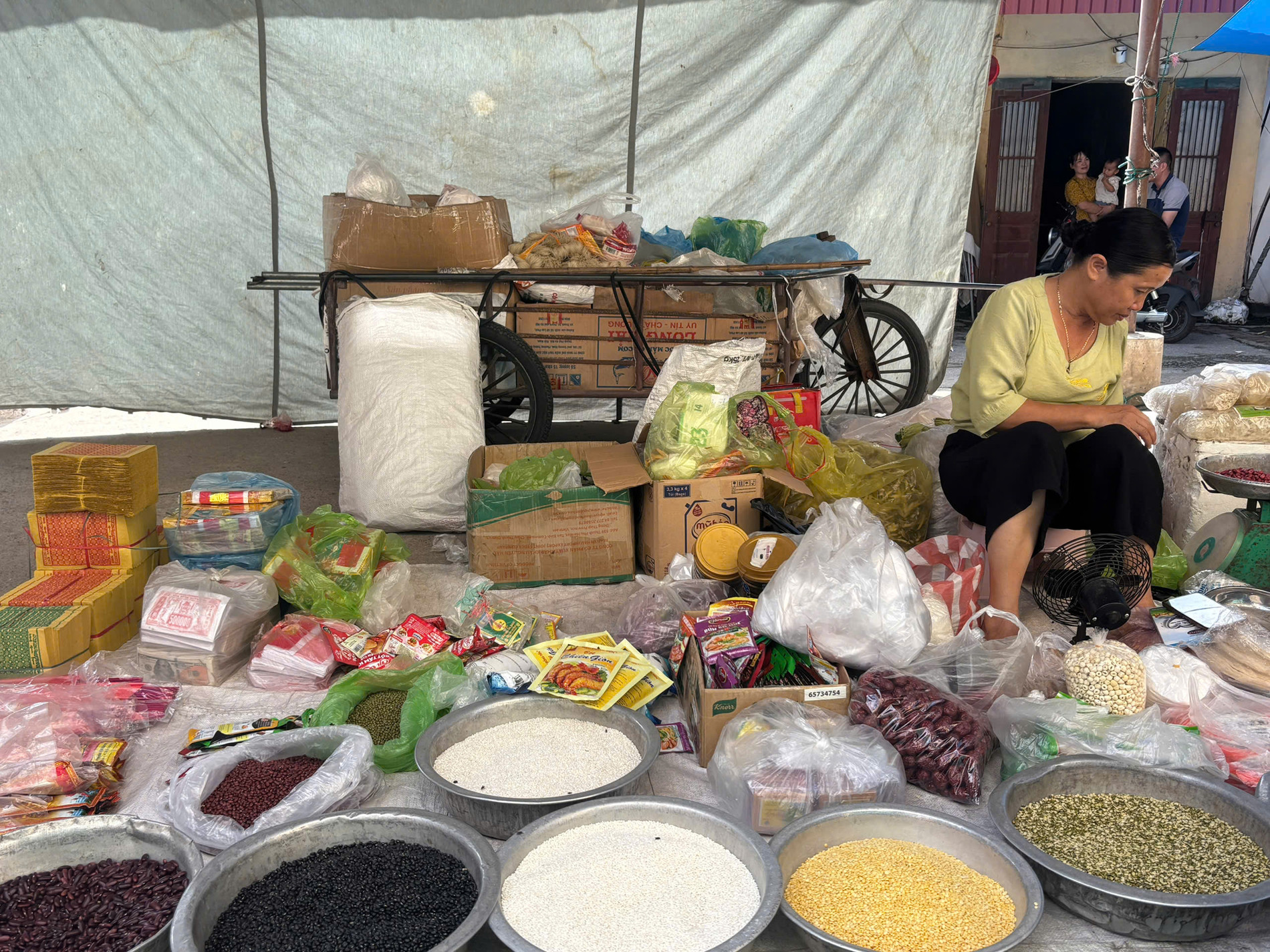
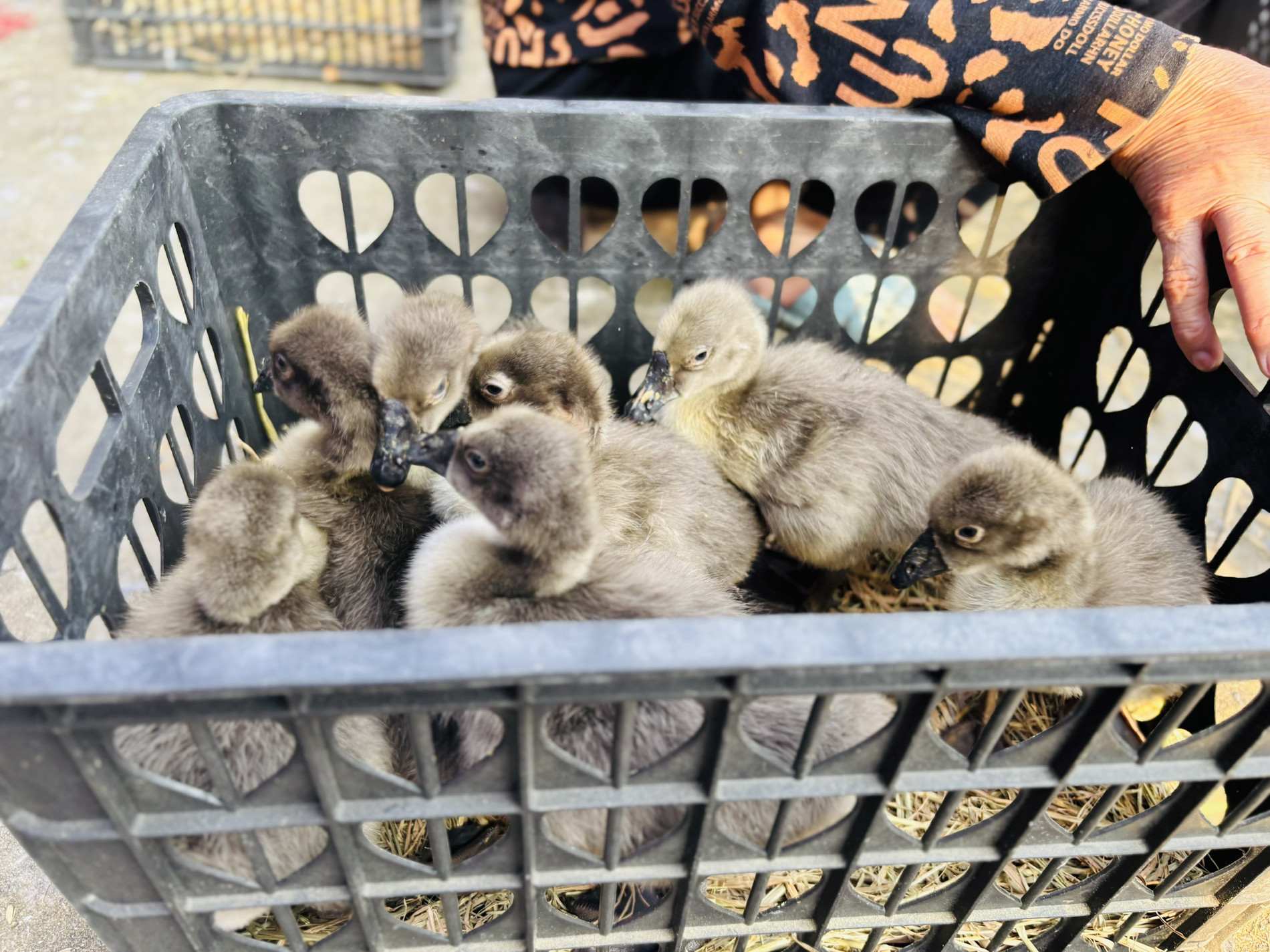
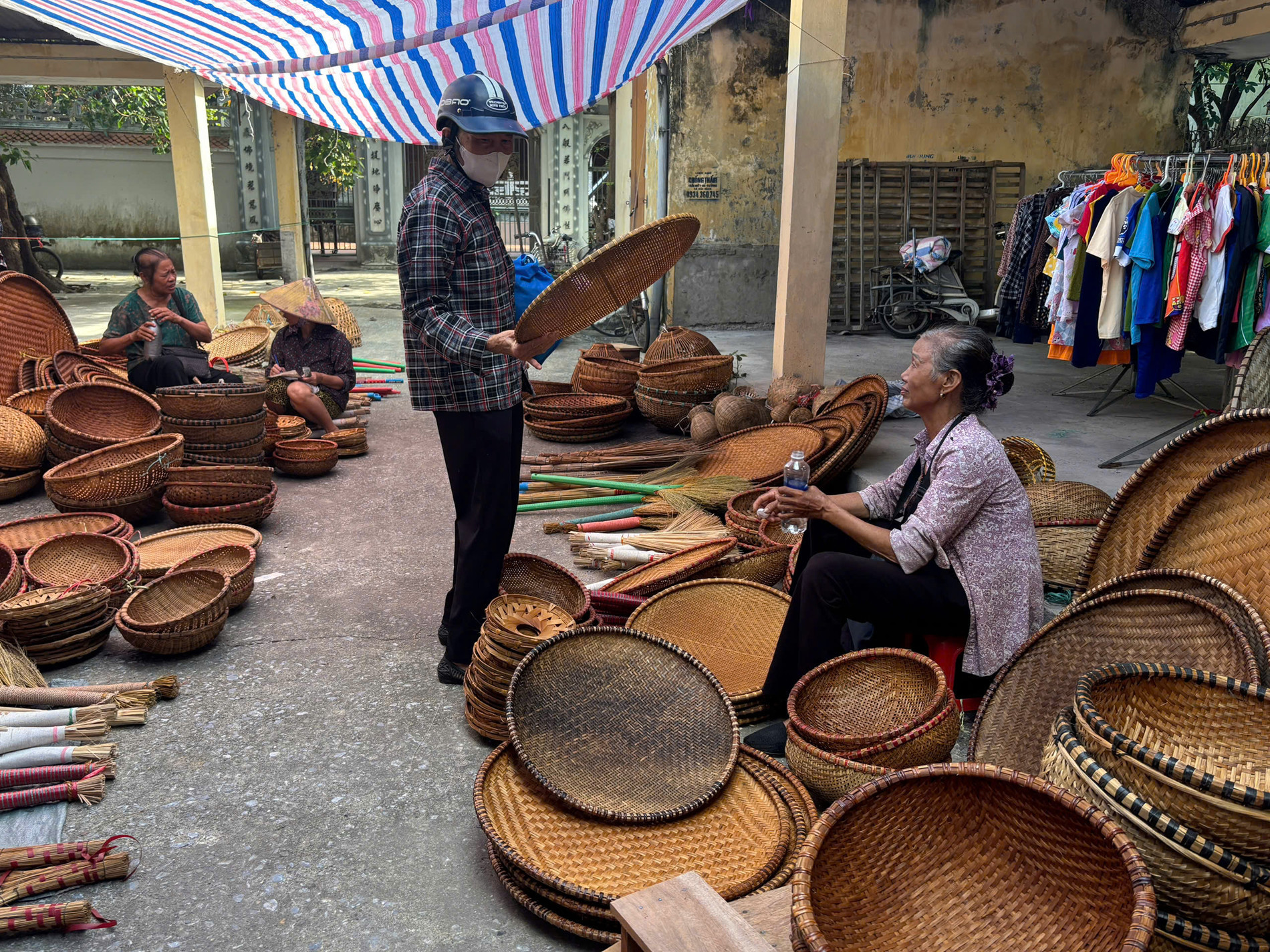
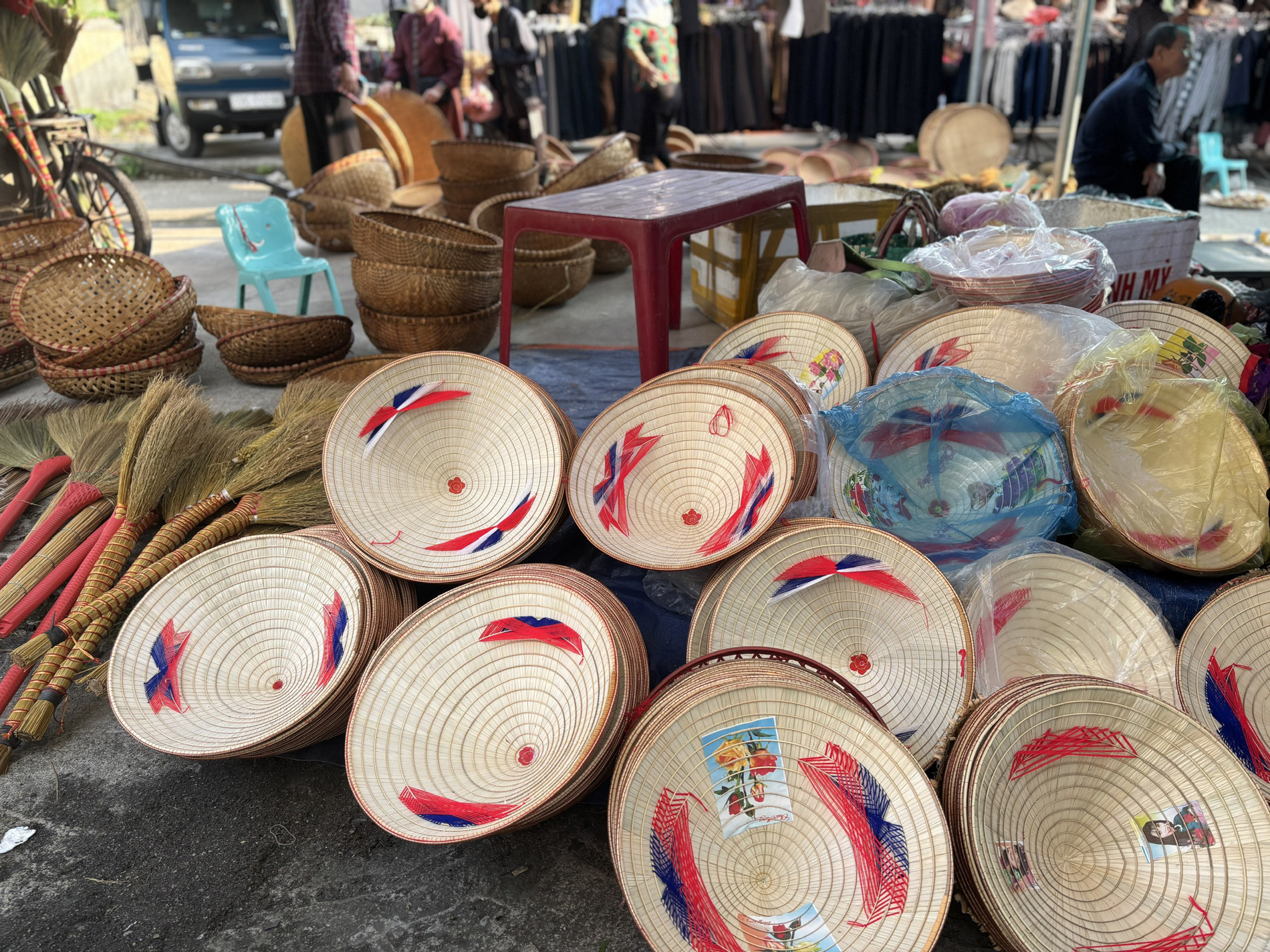
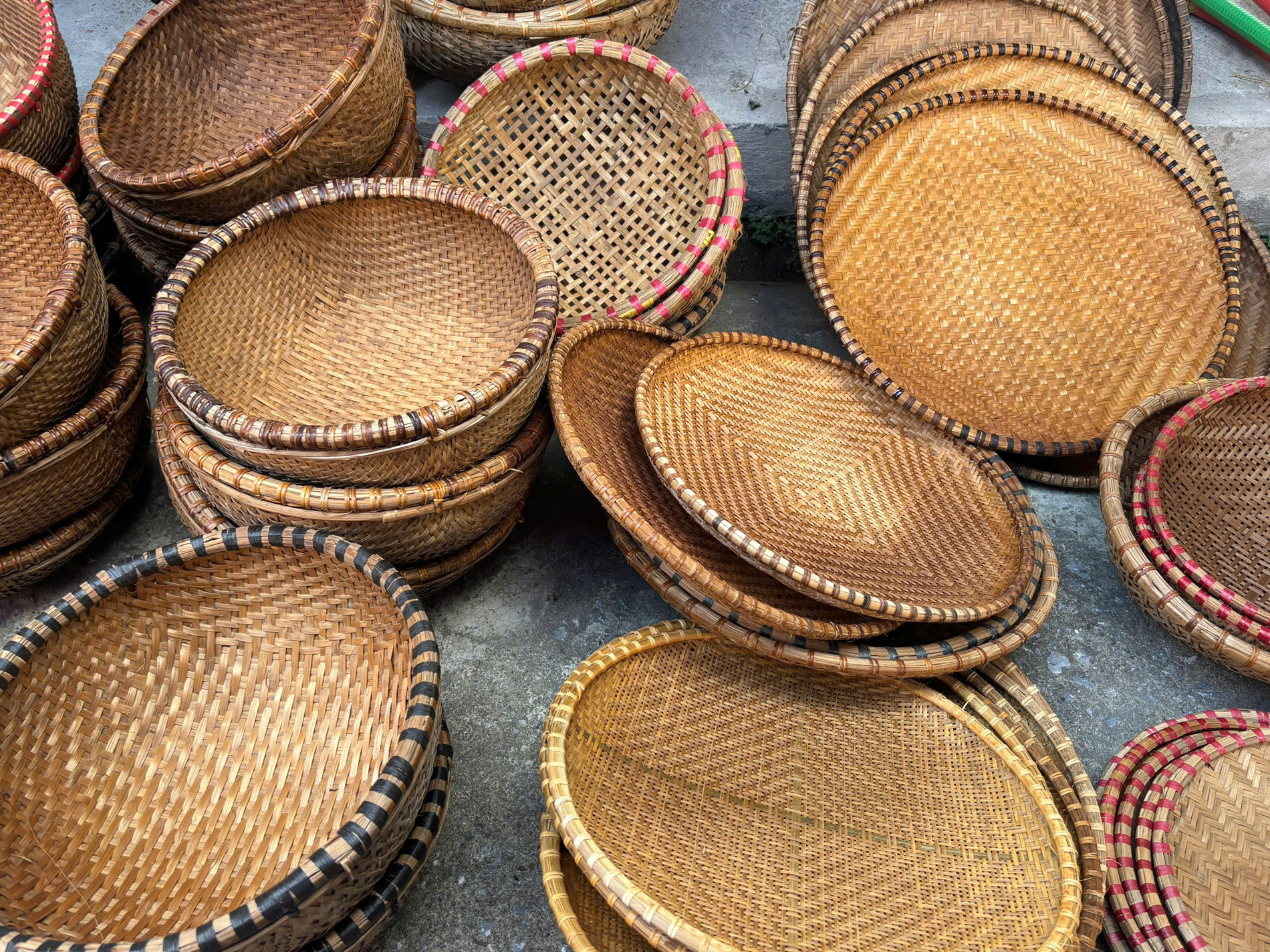
Inside, the stalls and sections are laid out in a fairly orderly fashion while retaining the traditional character of village markets in Vietnam’s northern delta.
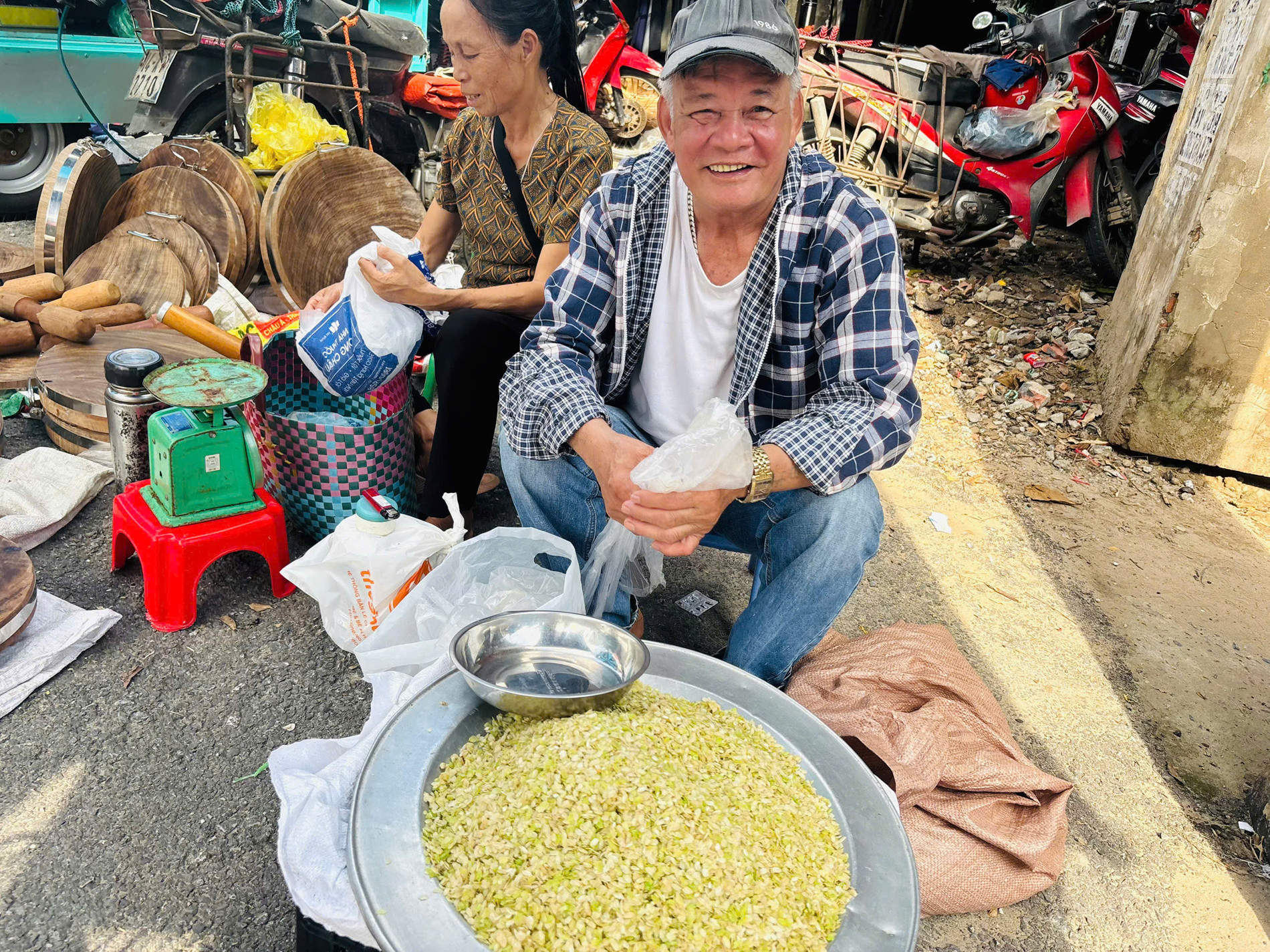
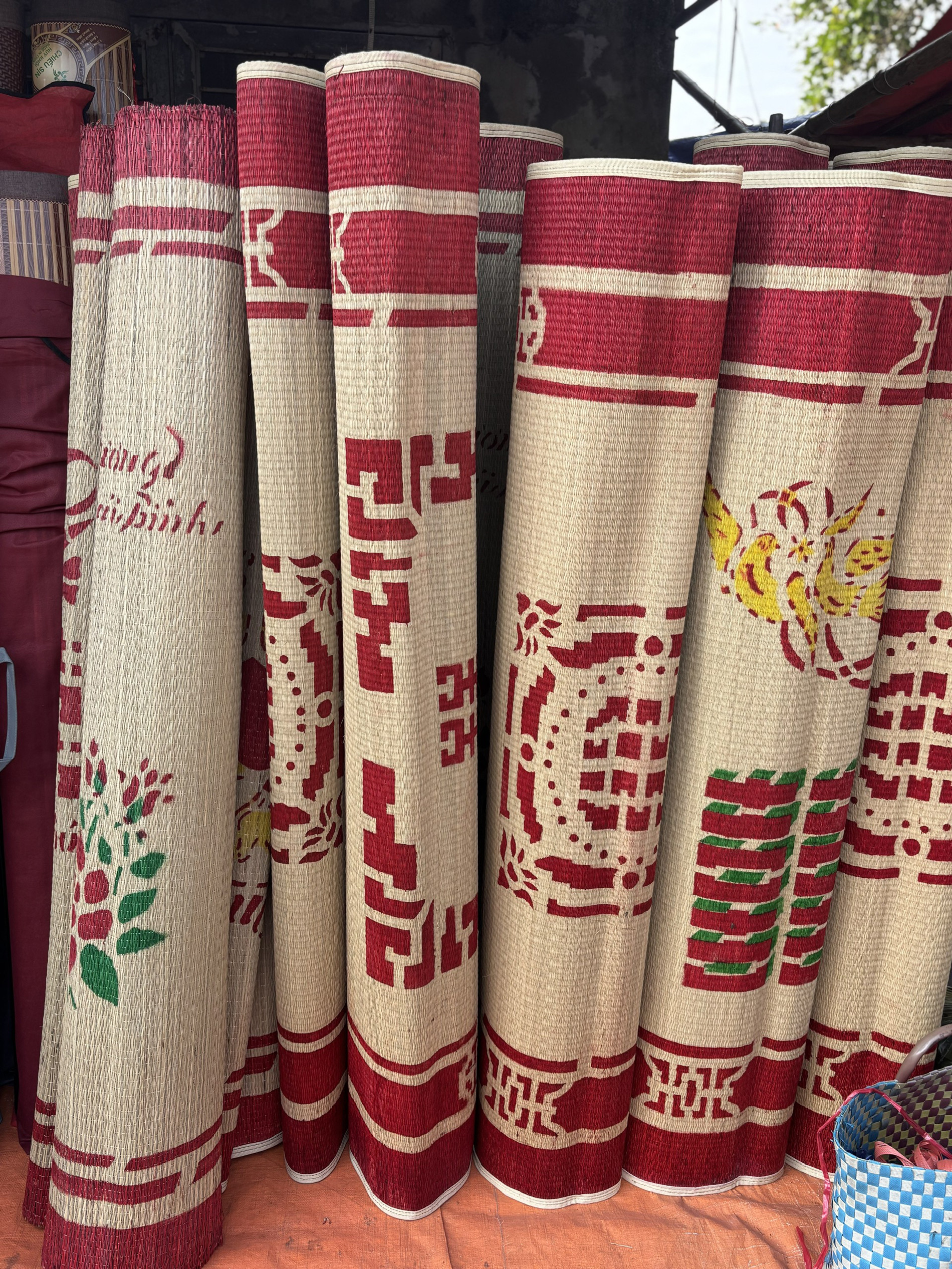
The area by the entrance sells traditional goods, while a row of flat-roofed buildings houses clothing and footwear vendors.
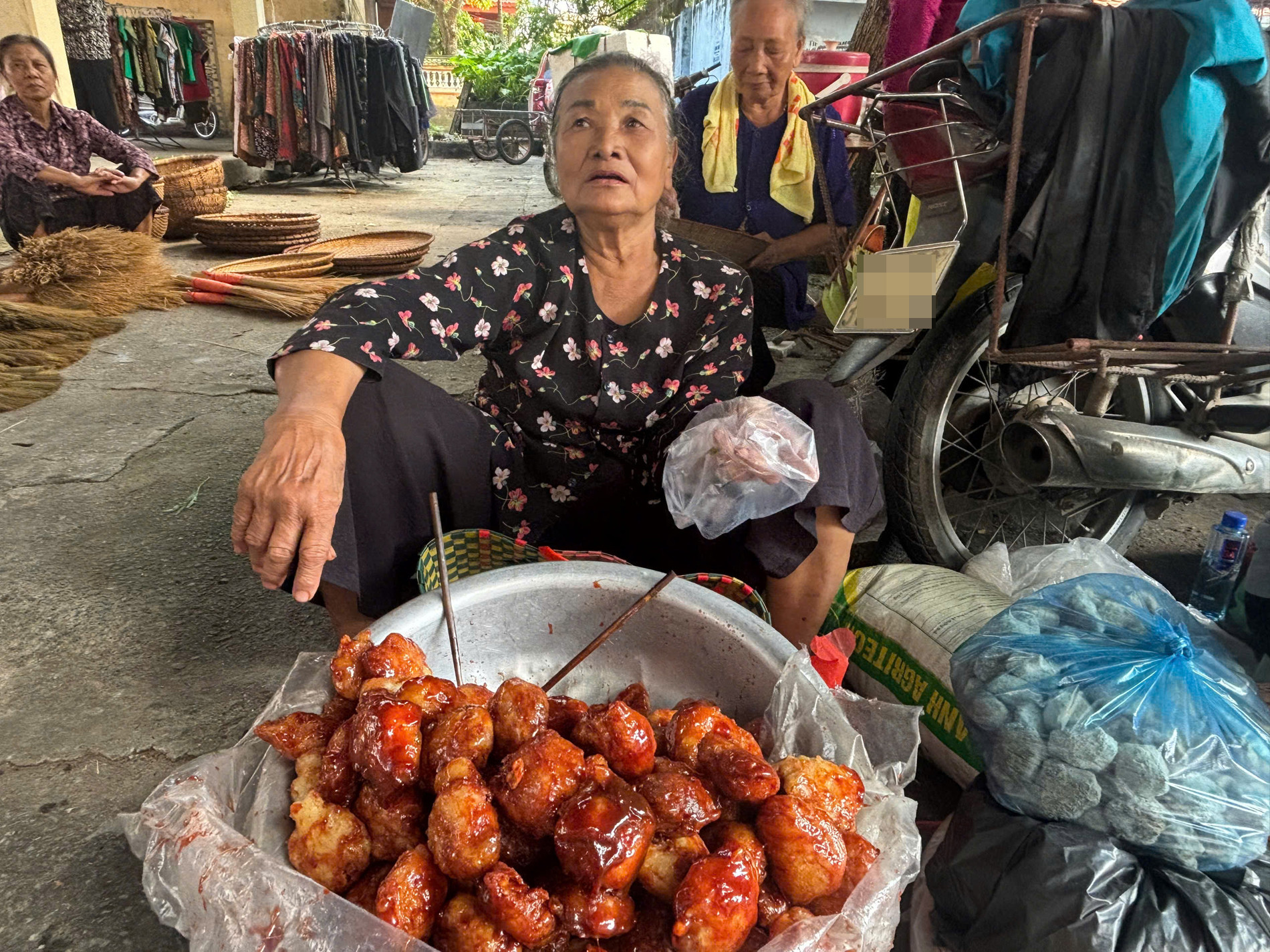
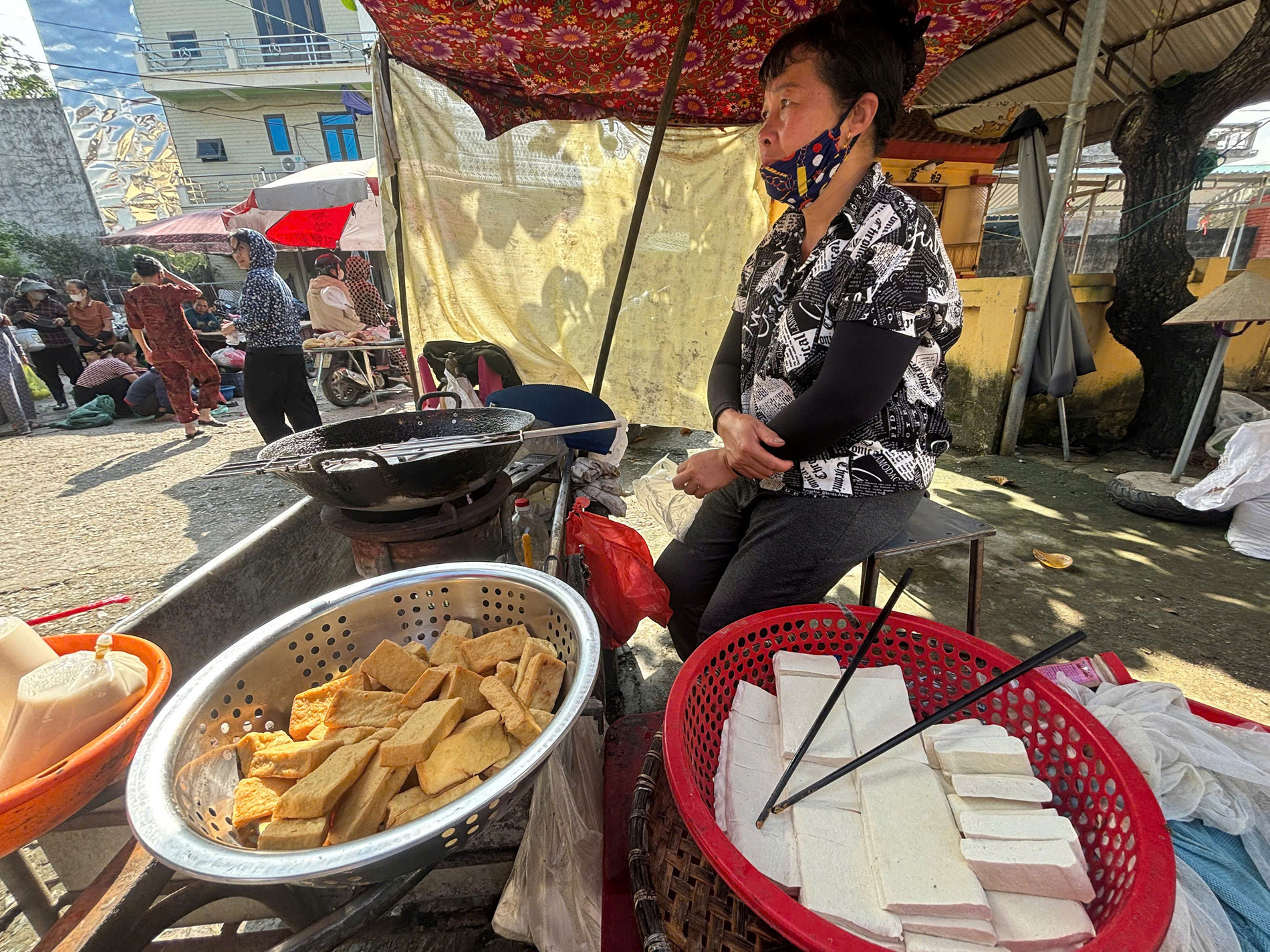
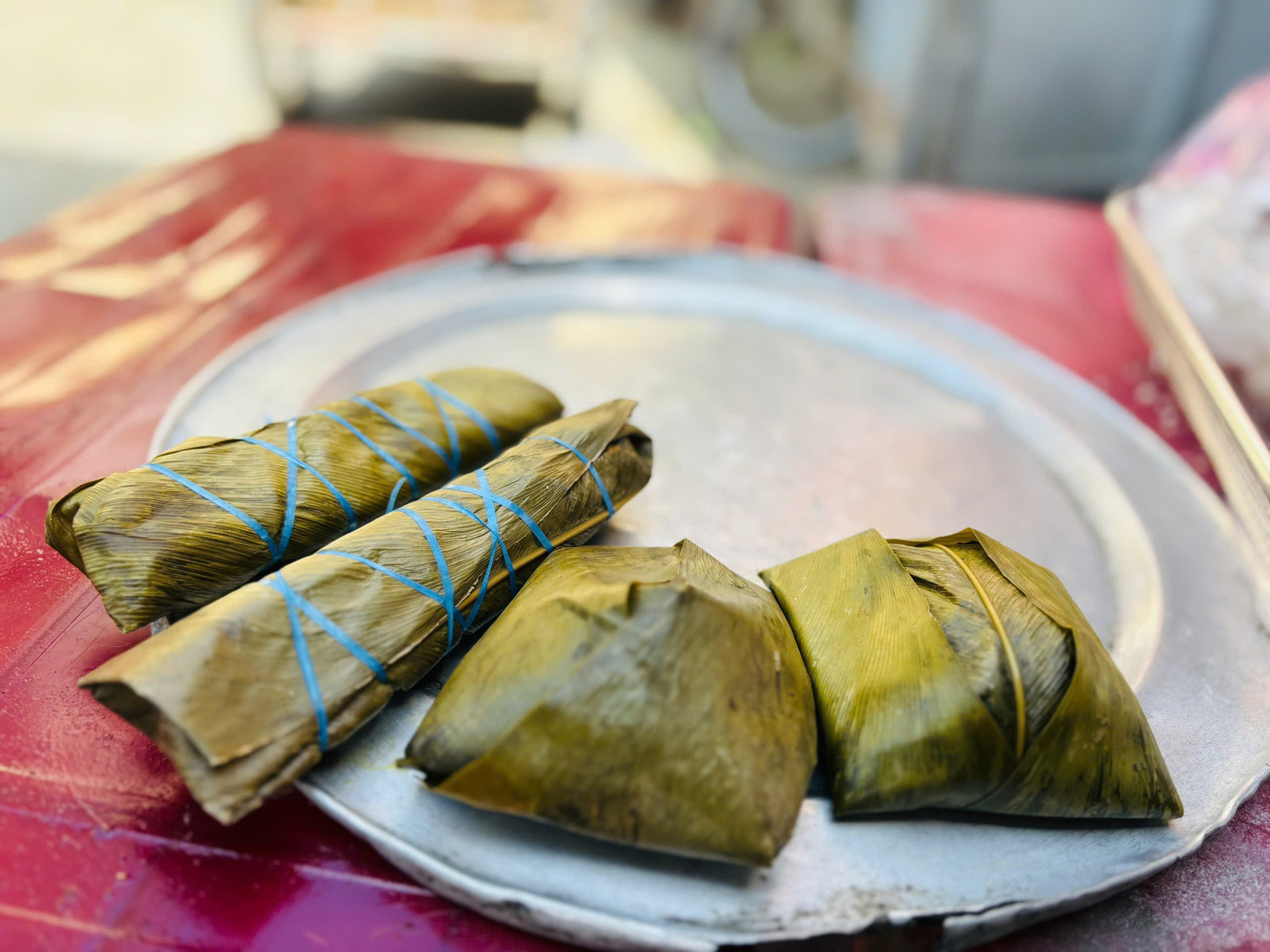
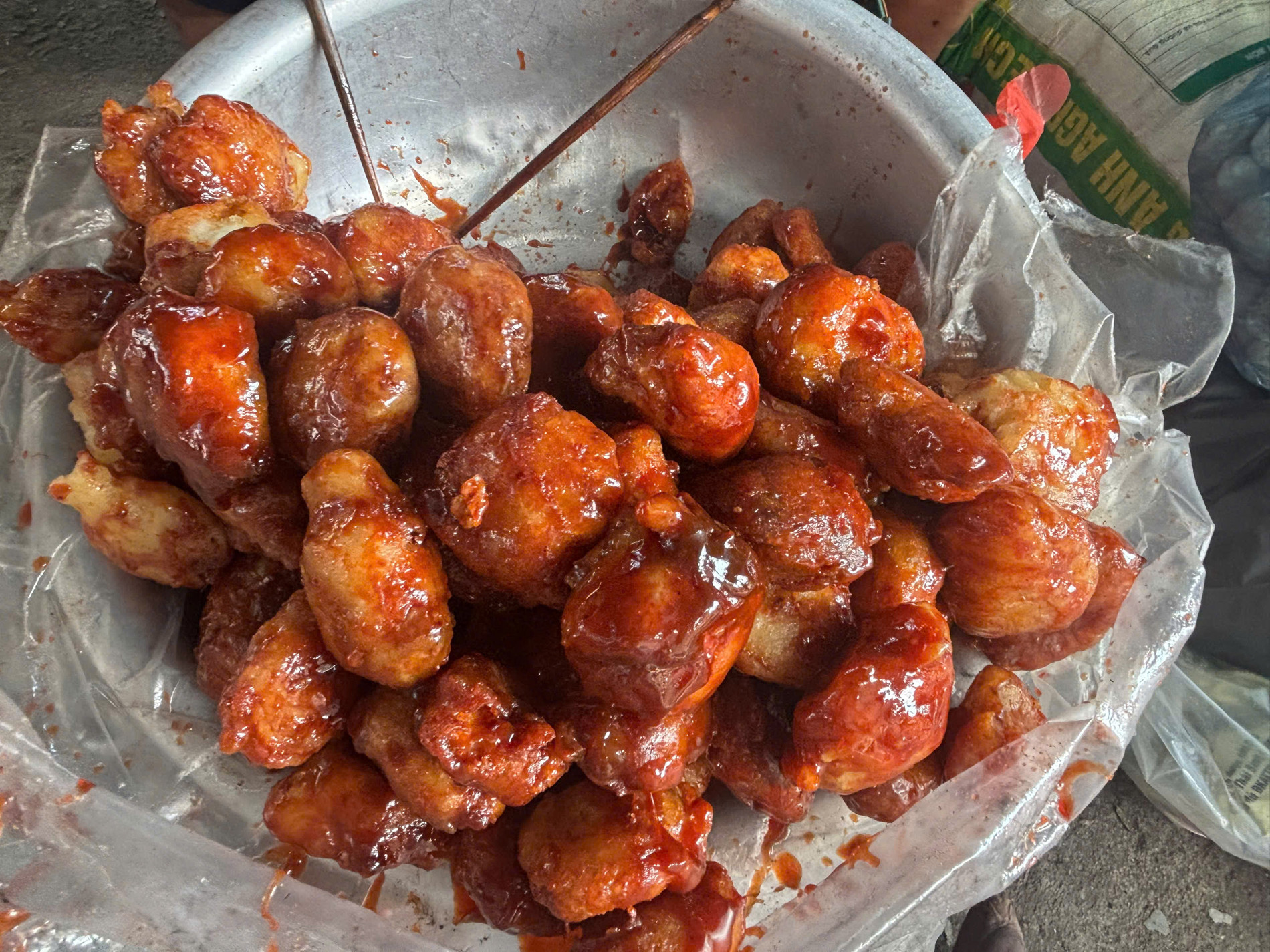
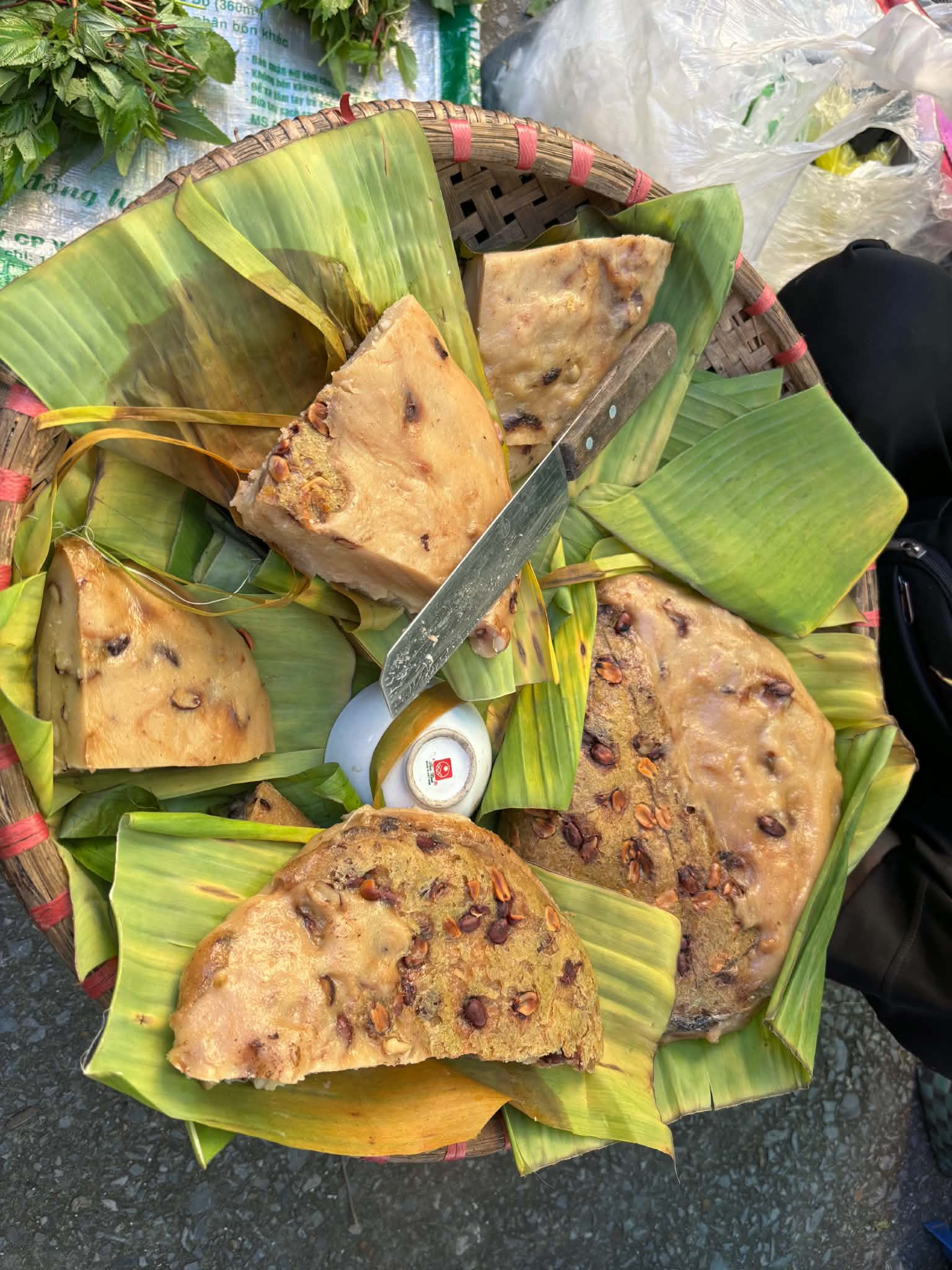
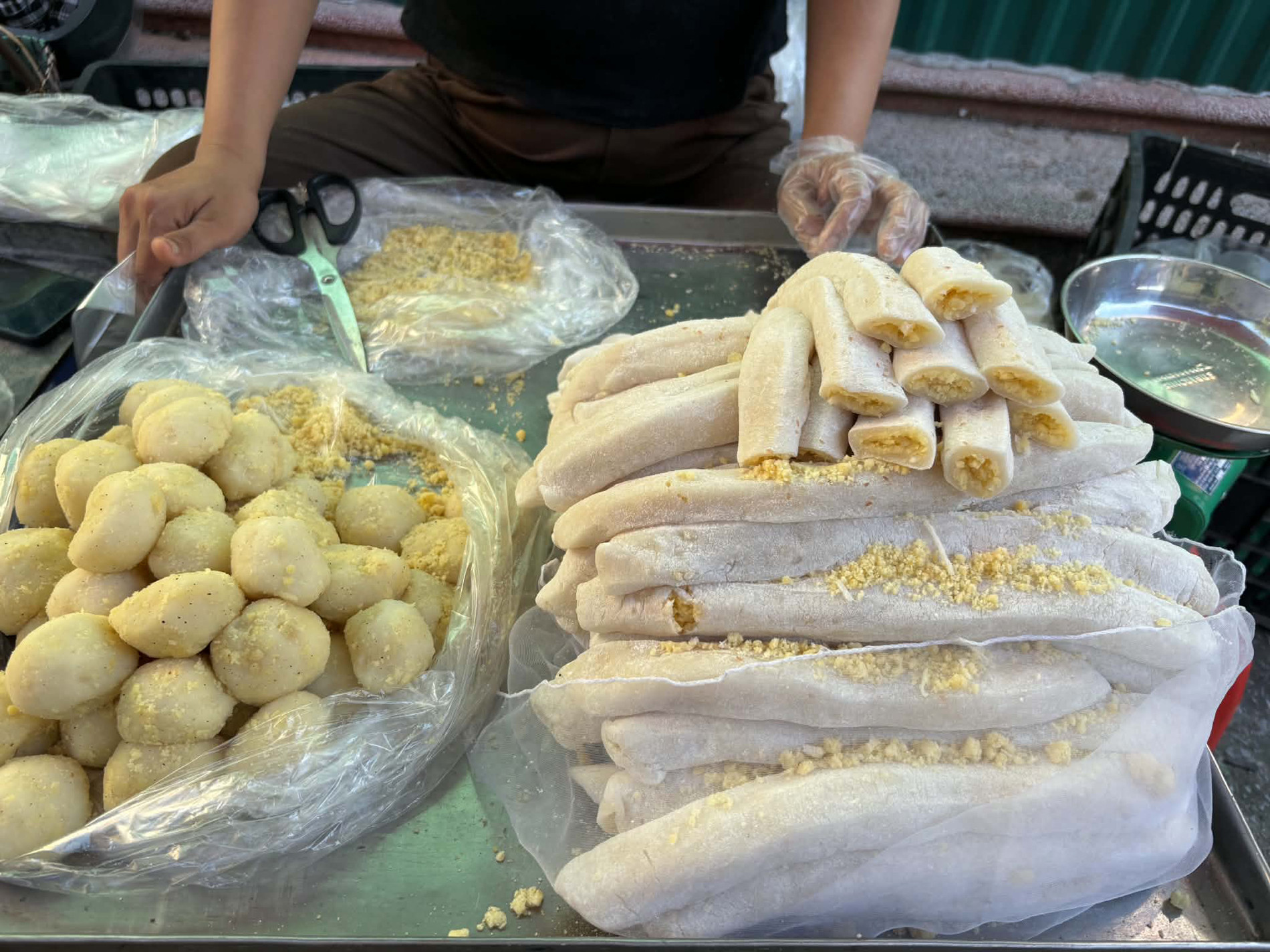
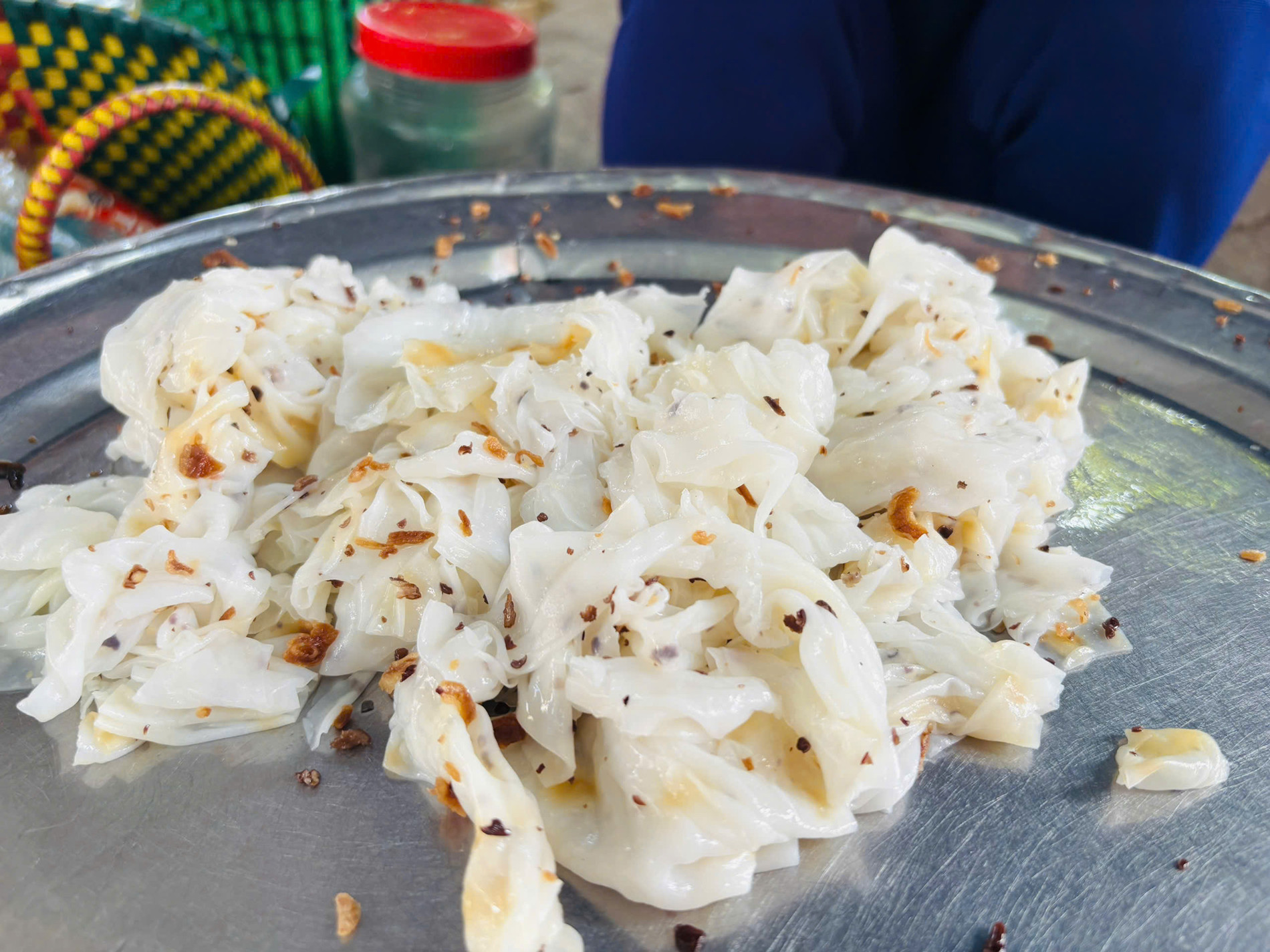
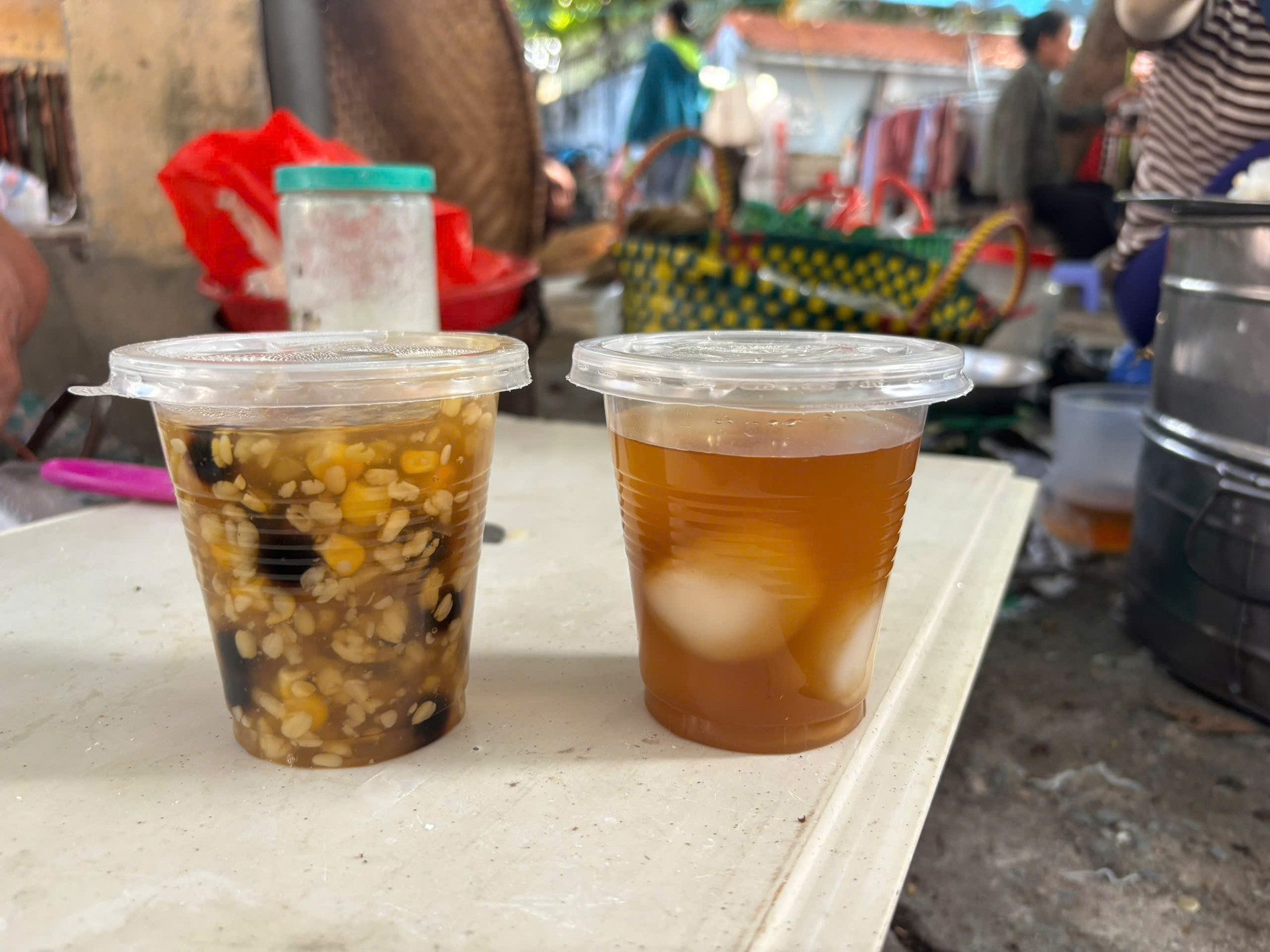
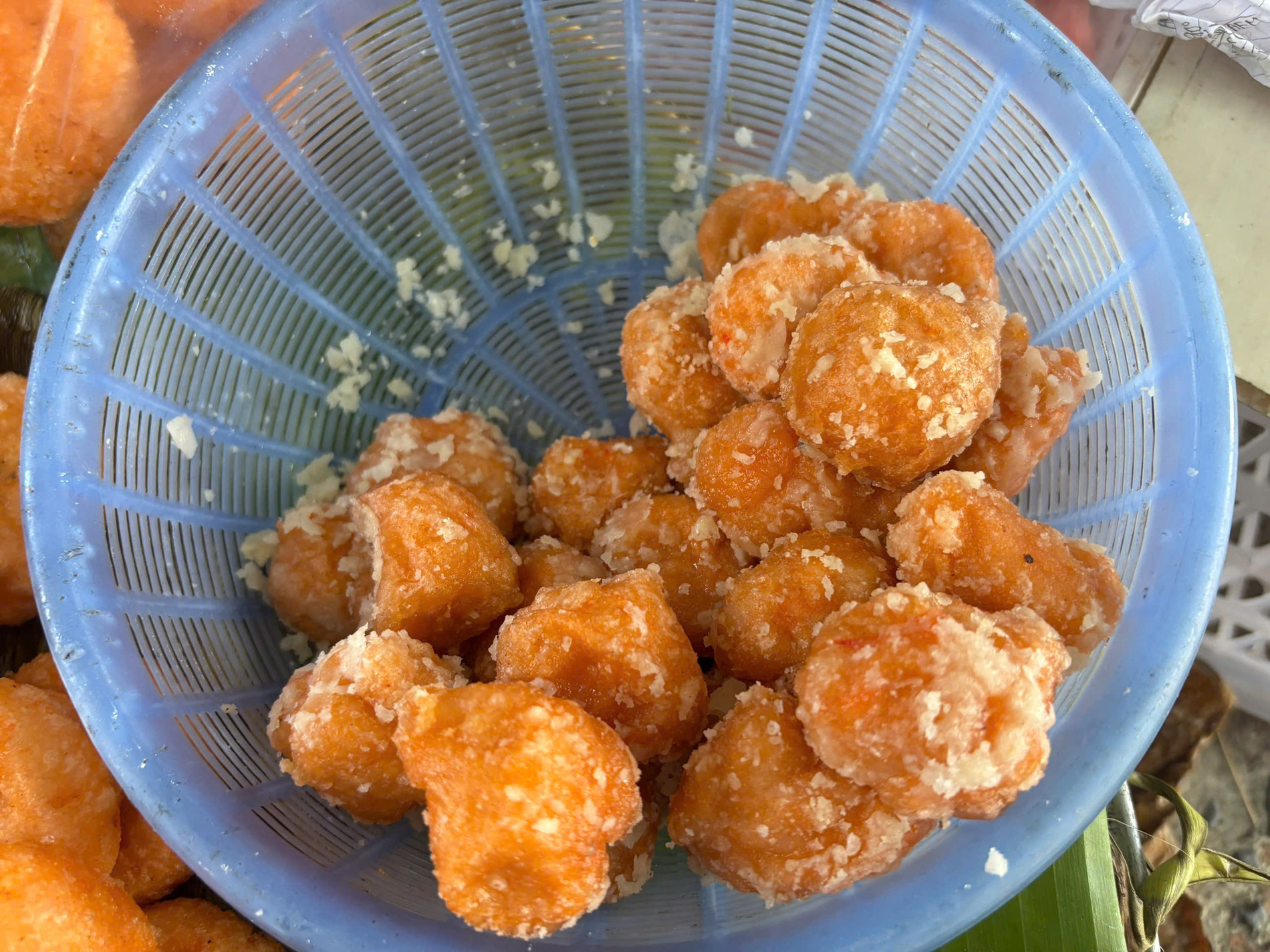
The busiest spot is the food section at the back of the market. Vendors serve an array of childhood favorites, including fried cakes made with gac fruit, syrup-coated fried cakes, mixed sweet desserts, rice-flour cakes and glutinous rice cakes with mung beans.
Prices are modest, with some treats costing just 8 cents.
Nhat Ha, who lives in Hanoi and recently visited Lu Market, said that whenever she returns to her hometown, she makes time to stop there for traditional cakes, no matter how busy she is.
“The market still has plenty of very inexpensive cakes. I bought eight sugar-coated fried cakes to try, and they cost only about 38 cents. I often joke with friends that if you go to Lu Market for snacks, around $1.90 is enough to leave you absolutely full, with change to take home,” she said.
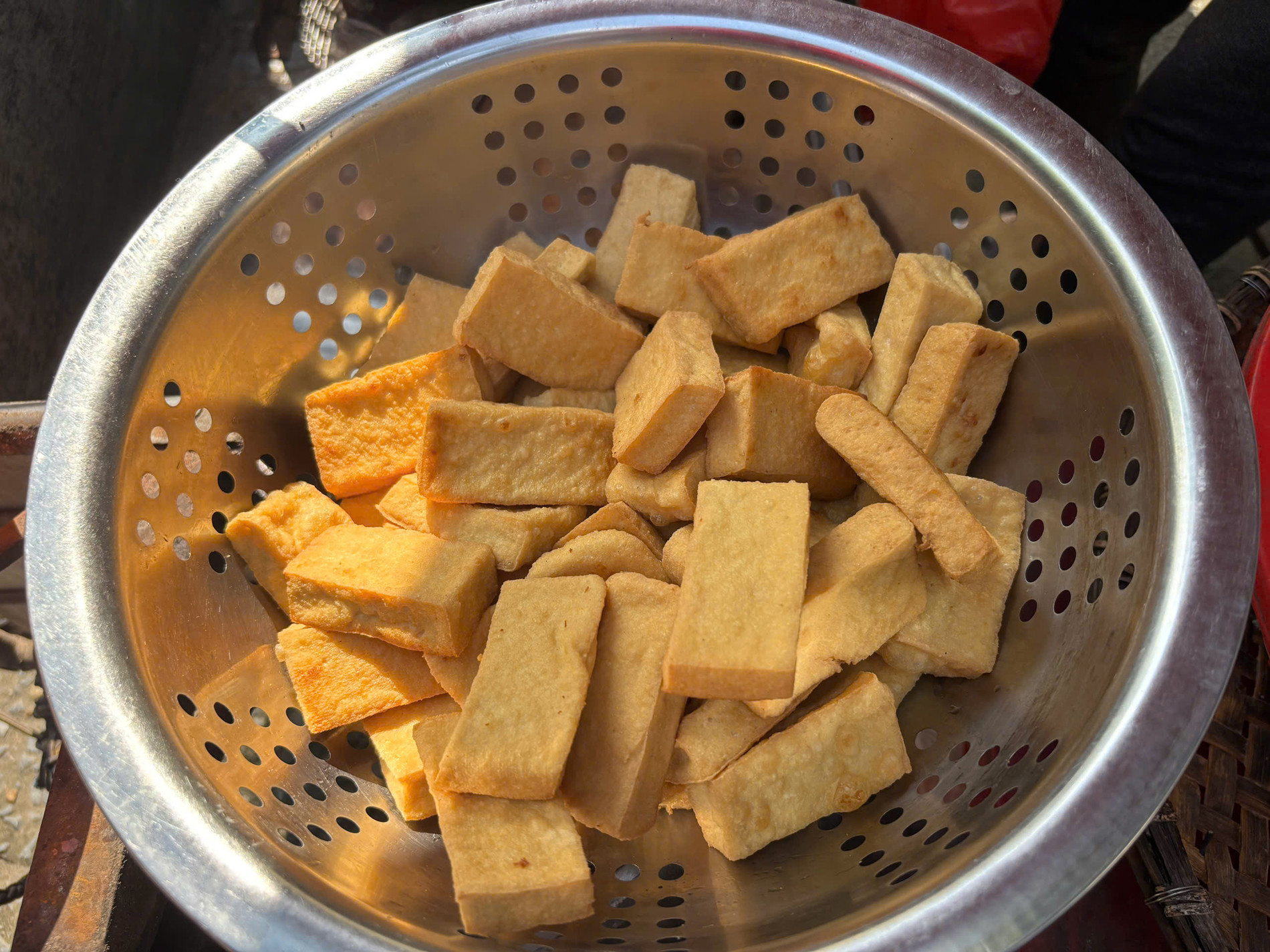
The young visitor found plenty of delicious snacks in and around the market at prices she described as “practically giving them away.” Fried tofu costs about 4 cents a piece; gac and syrup-coated fried cakes are around 8 cents each; banh te, steamed rice-flour cakes, and banh nep, glutinous rice cakes, cost roughly 15 cents each. A cup of sweet black bean dessert is about 19 cents, while glutinous rice balls and sweet corn dessert cost around 38 cents per cup.
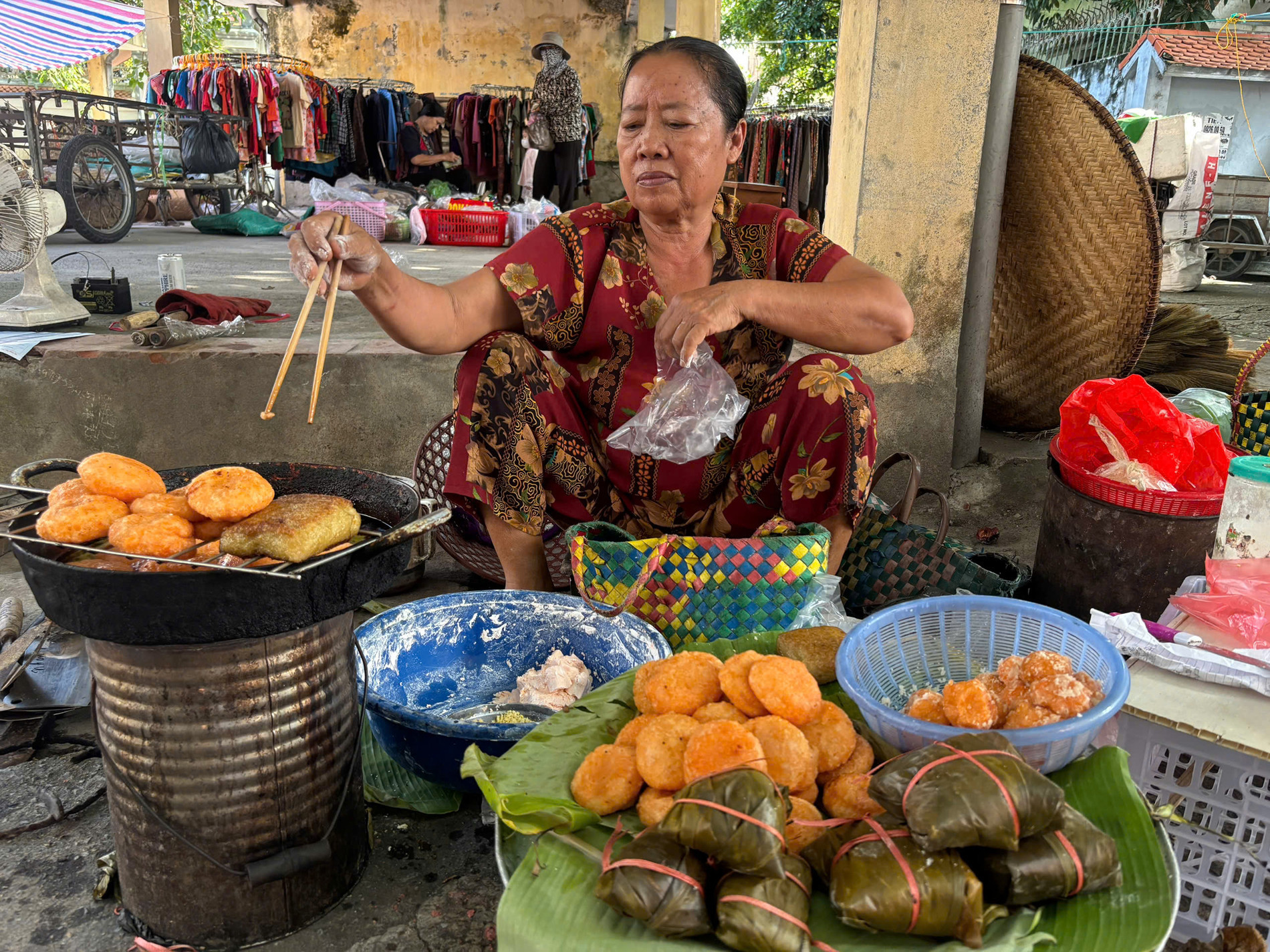
Du Thi Dua, a 69-year-old local resident, said she had been selling fried cakes at Lu Market for 40 years.
Although ingredient costs have risen over time, she has kept her prices affordable so local people can continue to enjoy the cakes regularly.
She currently charges about 8 cents for a gac fried cake and approximately 38 cents for eight sugar-coated fried cakes.
“I keep prices low but still maintain the quality, so people buy from me and want to come back. The profit may not be large, but I sell enough cakes every day that, after covering costs, I can make a living,” Dua said. “It’s not just me. Other vendors here also sell their goods at affordable prices that suit what people in the area can afford.”
Visitors to the former Kien Xuong District can combine a food trip to Lu Market with stops at other local attractions, including Dong Xam silver-carving village, Ngai communal house and Nam Cao village, known for weaving coarse silk.
Thao Trinh
.svg)
