 Vietnamnet.vn

 Podcast



Thao Trinh
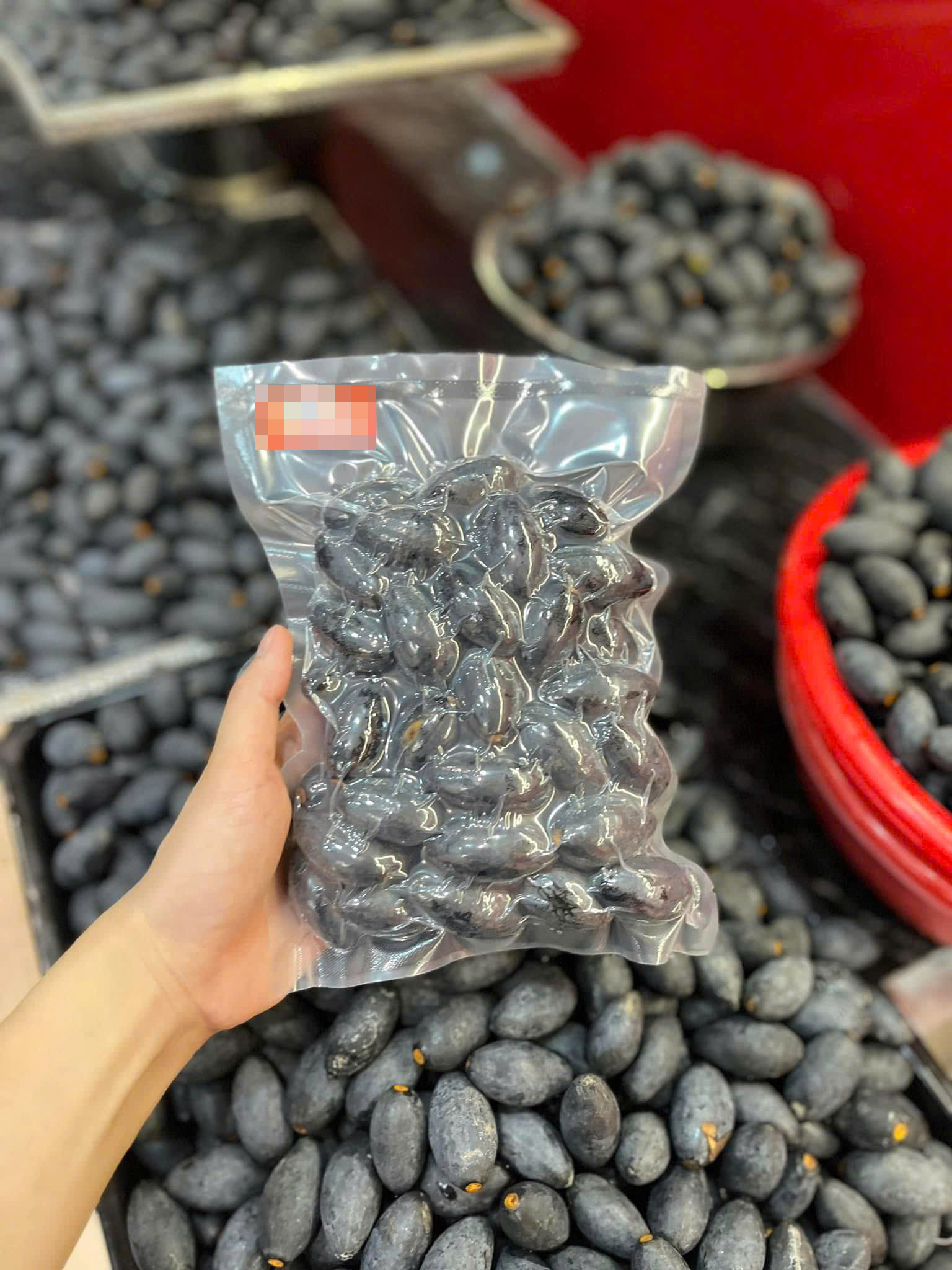
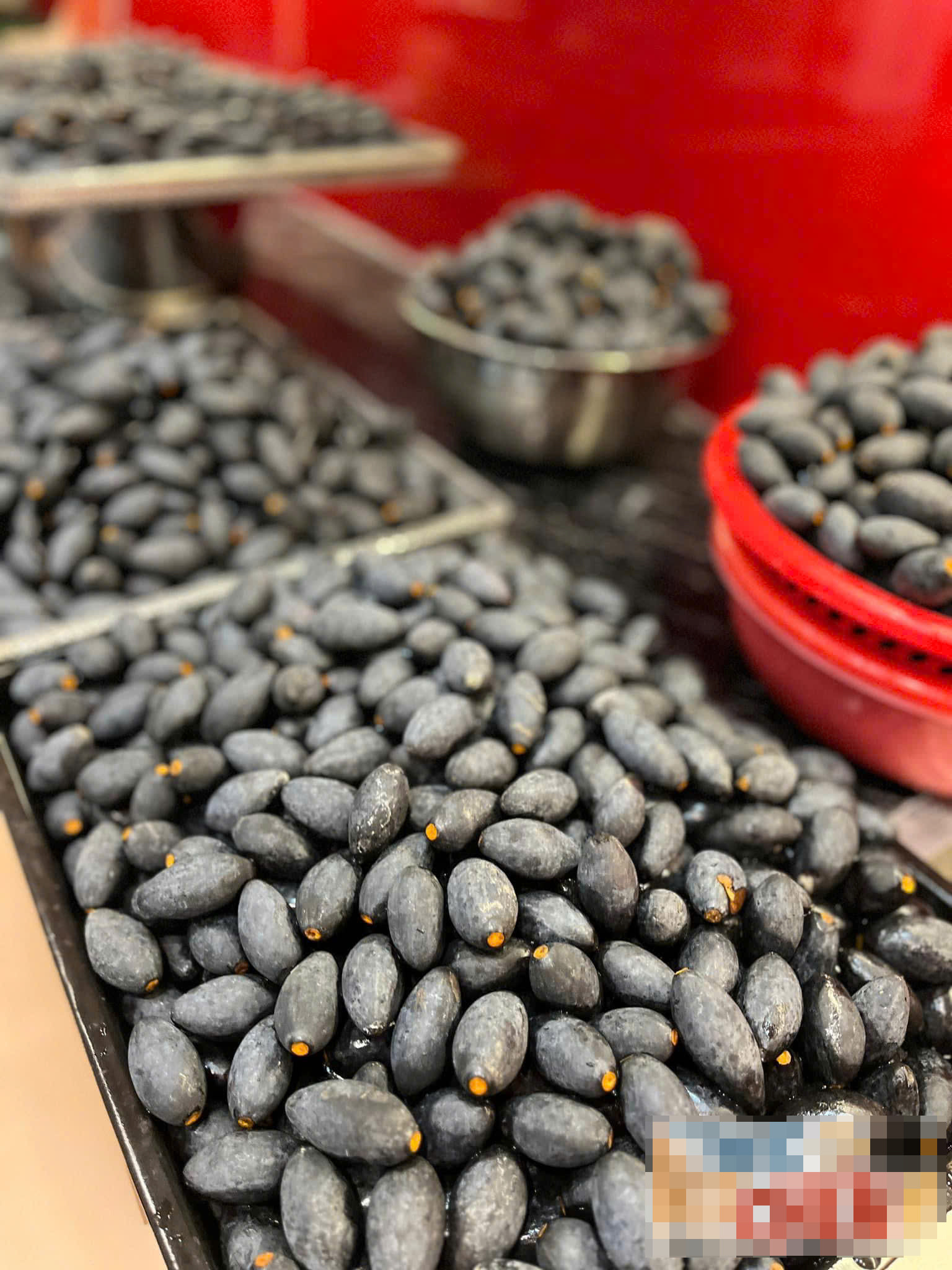
Nham tram is a distinctive specialty found in two northern localities and made primarily from black canarium fruit. They are Diem Thuy Commune in Thai Nguyen Province, formerly Ha Chau Commune in Phu Binh District, and Hoang Van Commune in Bac Ninh Province, formerly Hoang Van Commune in Hiep Hoa District, Bac Giang Province.
Both areas are known for producing high-quality black canarium thanks to soil and climatic conditions well suited to the trees, allowing them to thrive and deliver strong yields.
The nham tram season depends on the black canarium harvest, which typically falls in the seventh and eighth lunar months. That makes it a rare seasonal specialty, available only for a short period from late summer to early autumn each year.
Nguyen Hang, a resident of Ha Chau Commune in Thai Nguyen Province, said preparing nham tram is a painstaking process, although virtually every local family knows how to make the dish.
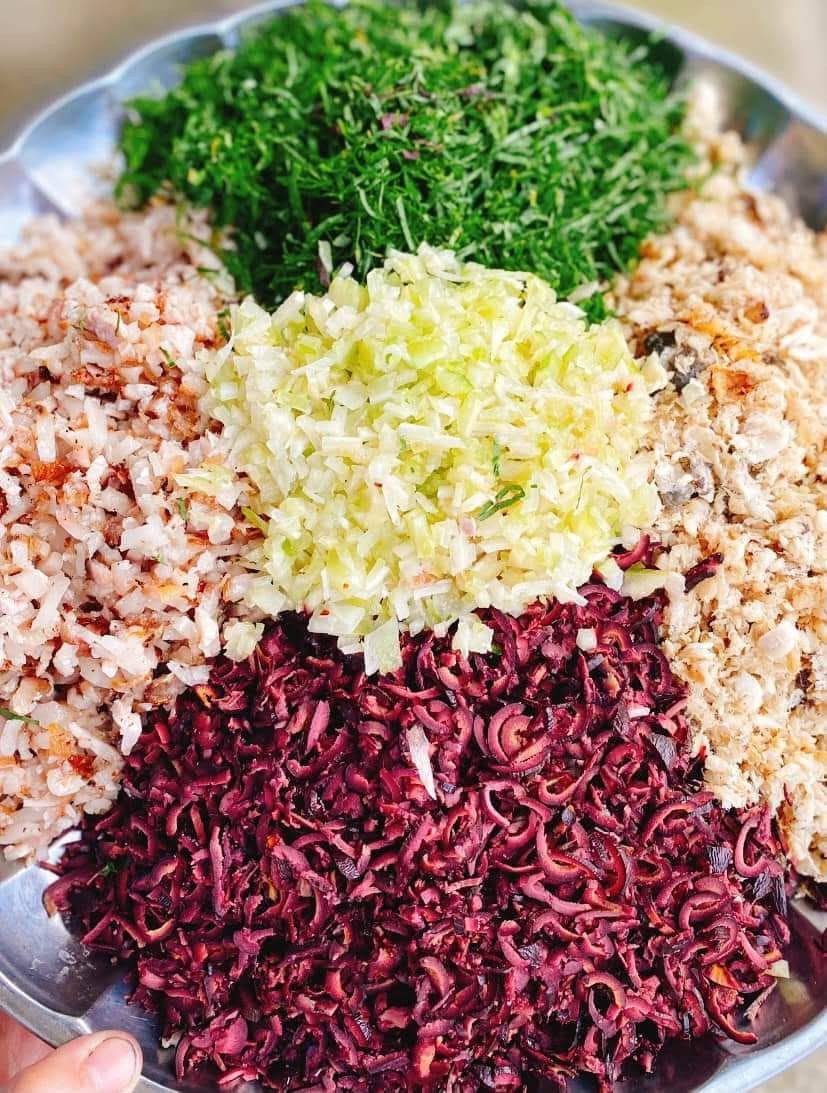
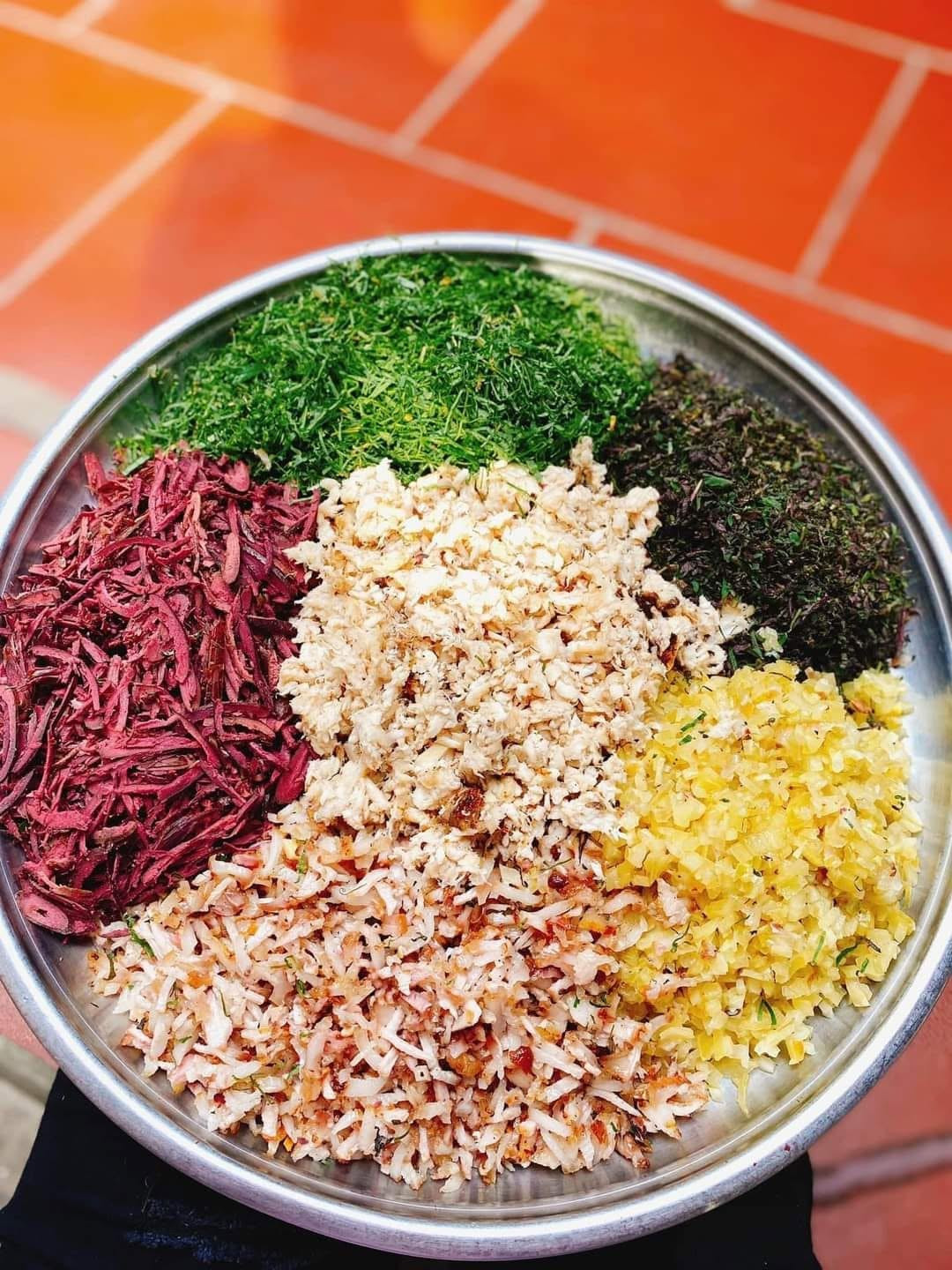
Alongside its main ingredient, black canarium, the dish brings together an array of other foods and seasonings, including pork belly, grilled or raw fish, young banana stem or banana blossom, star fruit, ginger leaves, fig leaves, sesame seeds, peanuts, dinh lang leaves, coconut flesh, fermented soybean sauce and mild vinegar.
According to Hang, careful ingredient selection is essential to making good nham tram. Most important is the black canarium itself: locals favor the nep variety, with an elongated diamond-like shape, thick flesh and a bright yellow interior when the tip of the fruit is bitten open.
Before being used, the black canarium fruit is gently steeped in hot water until tender. Water is heated to around 70 degrees Celsius before the fruit is added and left to soften for about 15-20 minutes, then removed and drained.
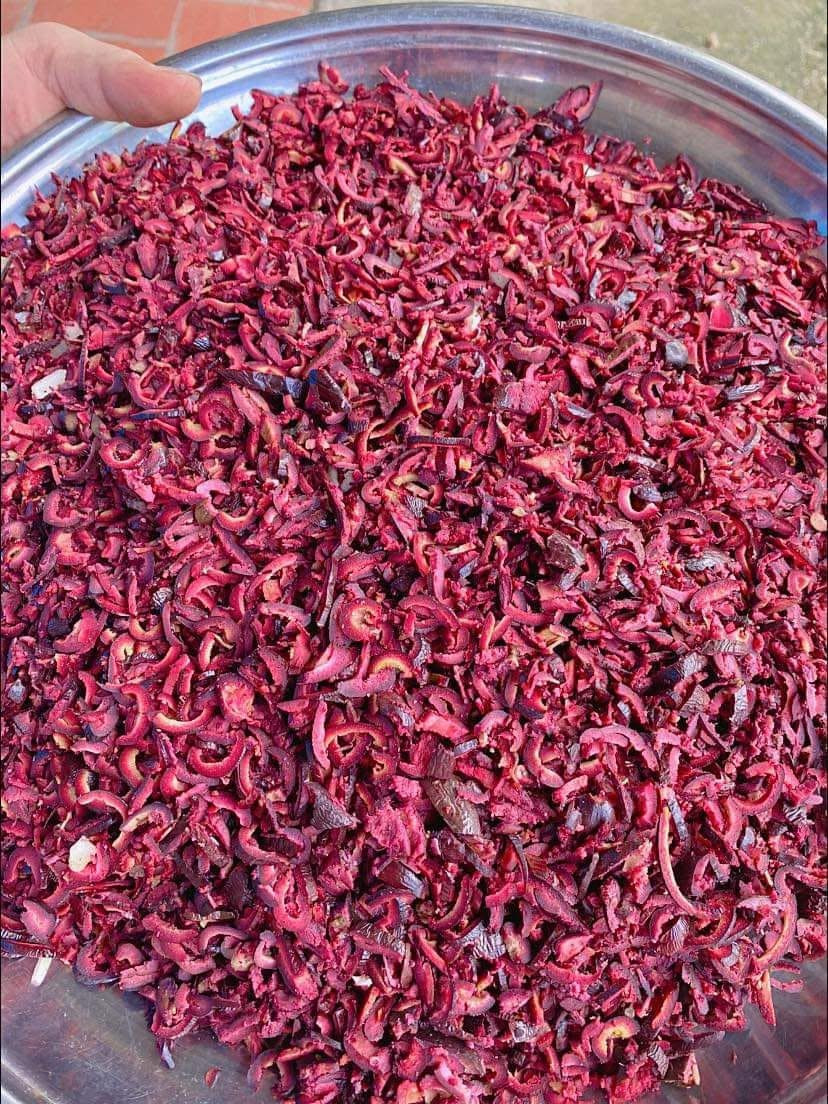
“The steeping stage is very important because it has to be done properly for the canarium to taste good, with flesh that is neither hard nor overly soft and mushy. Once softened, the fruit is sliced lengthwise and the seeds removed. The flesh is then finely sliced into bite-sized strips,” Hang said.
In Thai Nguyen, locals traditionally make nham tram using ca chay caught from the Cau River, though silver carp can also be used as a substitute.
The fish is cleaned, with the flesh separated from the skin and patted dry. For a raw-fish version of nham, the fish is cut into thin strips.
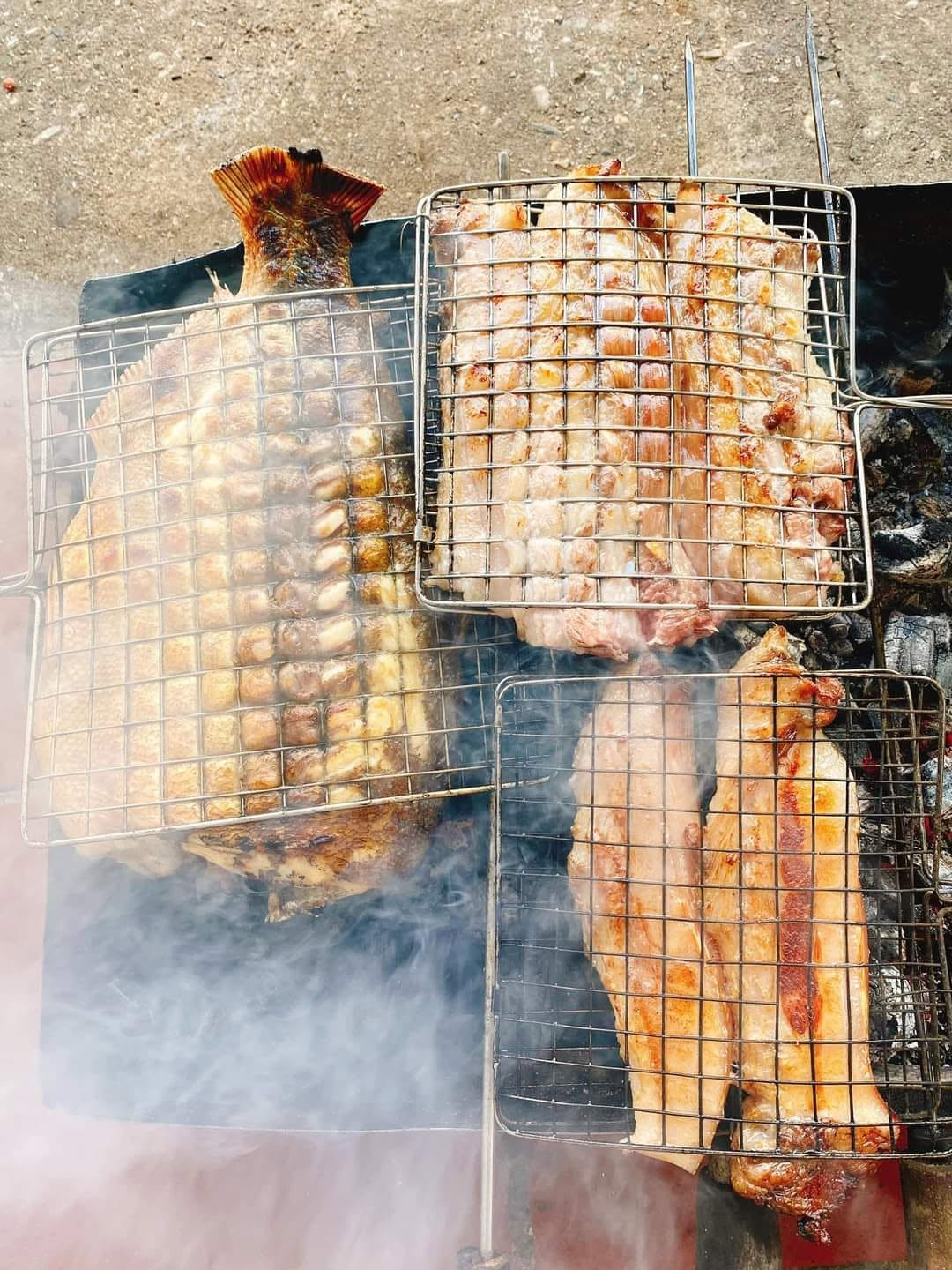
For the grilled version, the fish must be cooked over charcoal. The flesh is then removed from the bones and dry-roasted until fragrant and fluffy, with a texture similar to Vietnamese shredded fish floss.
Next, the pork belly is boiled, steamed or grilled before being thinly sliced. Sesame seeds and peanuts are roasted until fragrant and crushed, while star fruit, fig leaves, young sesame leaves, nhoi leaves, coconut flesh and banana stem or banana blossom are finely sliced.
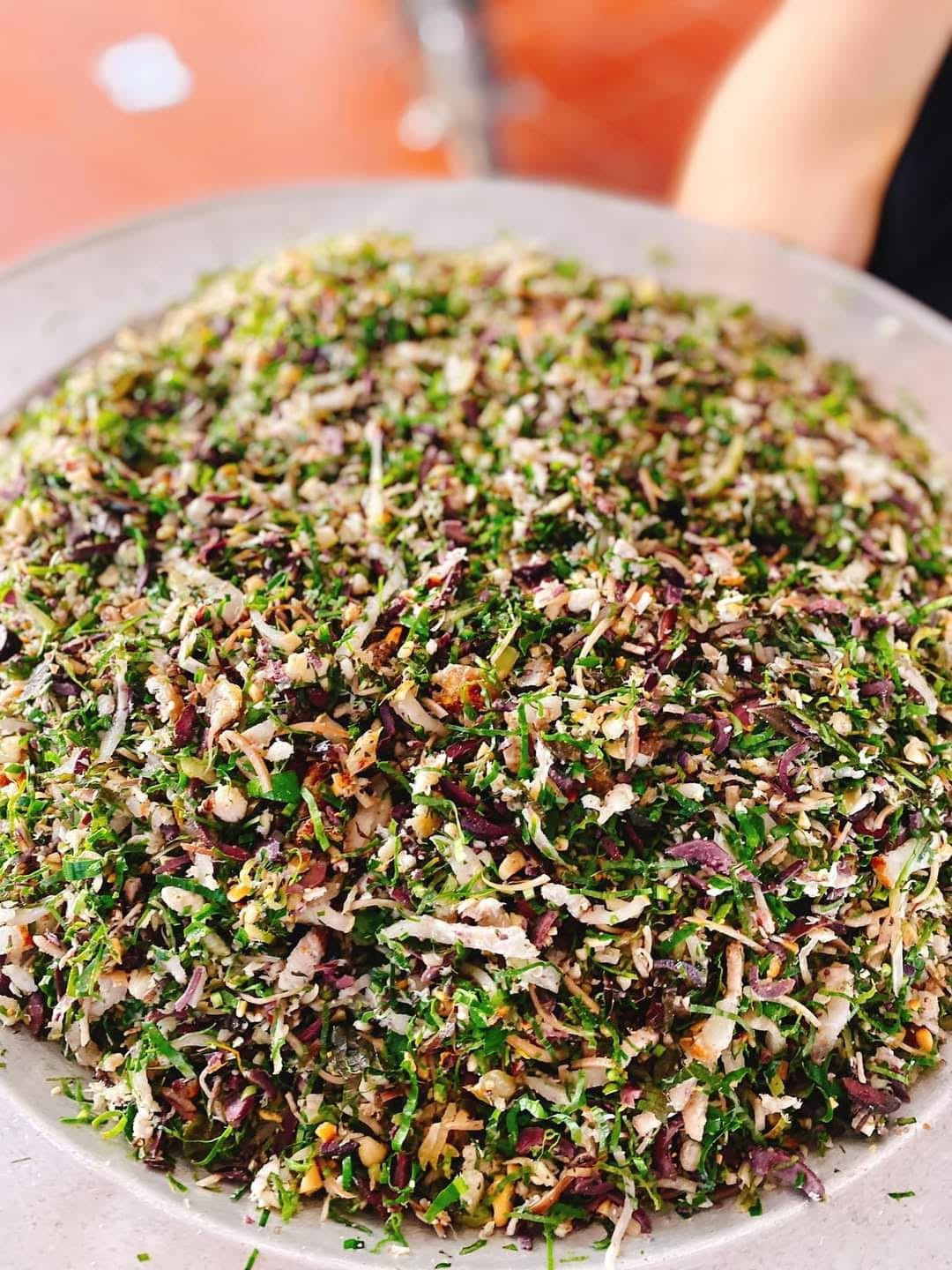
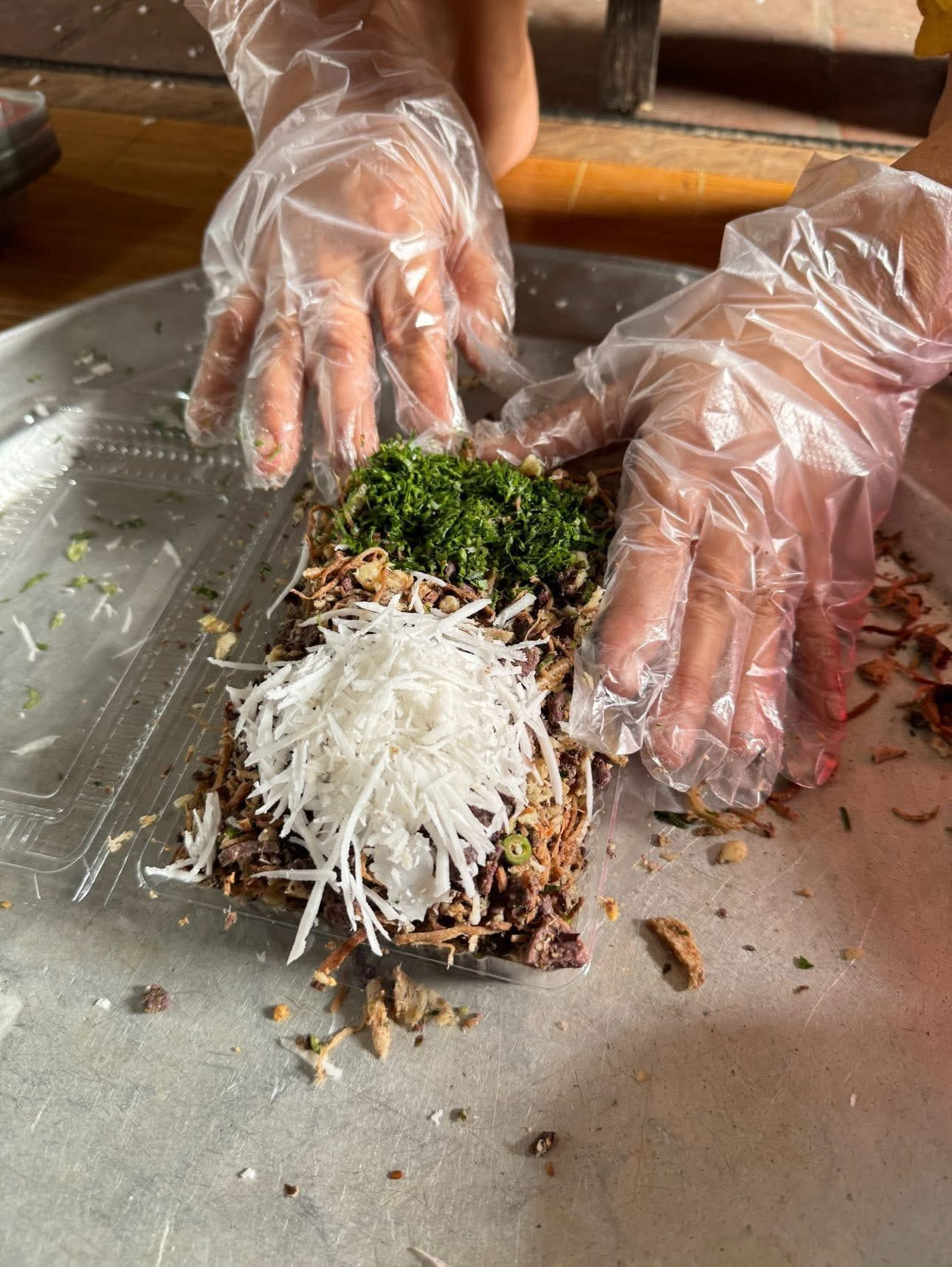
Once everything is prepared, all the ingredients are thoroughly mixed together and seasoned to taste.
The finished nham is transferred to a plate and topped with crushed roasted peanuts, sesame seeds and shredded coconut, adding extra nuttiness, aroma and richness.
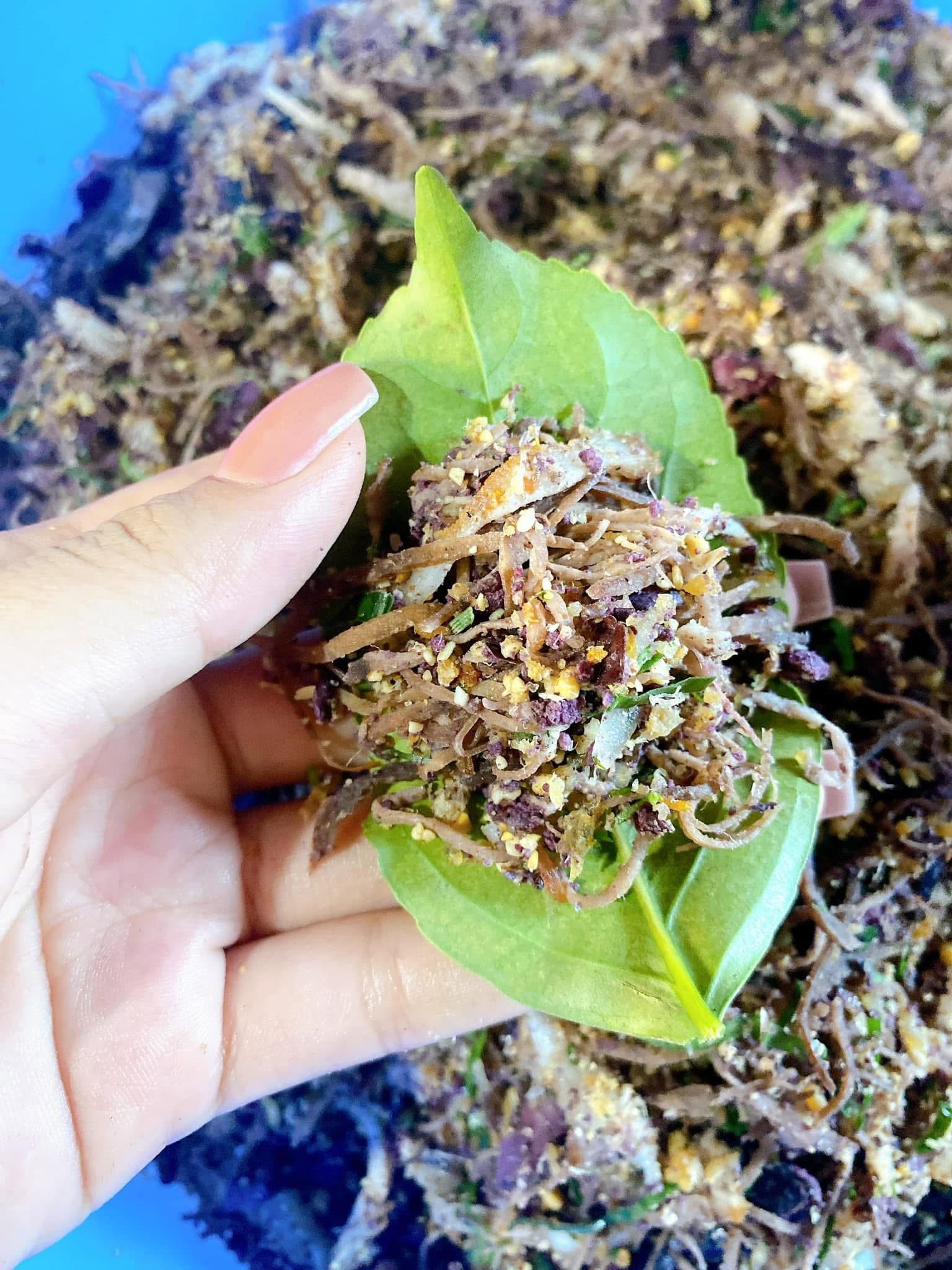
According to local experience, nham tram tastes best when wrapped in nhoi leaves, which have a mildly astringent taste and cooling quality and are commonly served as an accompaniment to raw-fish salads, then dipped in fermented sticky-rice soybean sauce.
The dish is prized for its fresh, light character, making it particularly appealing as a break from richer foods. Its blend of ingredients creates layers of savory, sour and sweet flavors, giving nham tram a distinctive taste unlike more familiar Vietnamese mixed salads.
In the past, local families mostly prepared nham tram for meals at home.
Over time, however, the specialty has become better known among visitors. It now appears on menus at restaurants and eateries in the area and is also served at family death-anniversary gatherings and wedding feasts during the late-summer and early-autumn season.
.svg)
