 Vietnamnet.vn

 Podcast



The presence of a Buddhist pagoda on Phan Vinh Island bearing the name of Nguyen Phan Vinh - a Hero of the People’s Armed Forces and captain of an “unnumbered ship” - carries special significance.
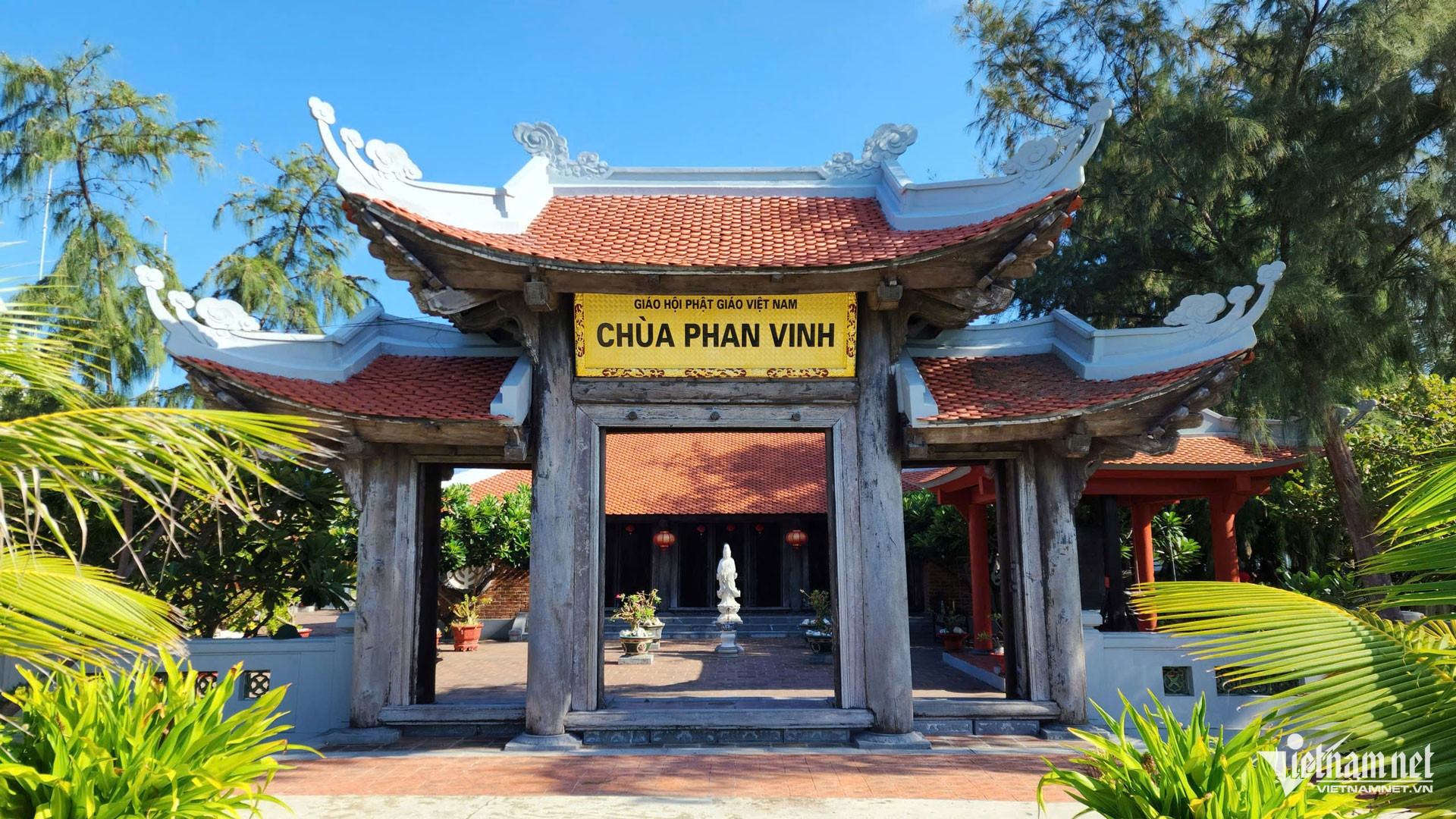
Long ago, Phan Vinh Pagoda on Phan Vinh Island in the Truong Sa Special Zone, Khanh Hoa Province, was little more than a small shrine. Generations of Vietnamese fishermen working in the waters around Truong Sa built it as a place to pray to Heaven and the Buddha for safe voyages and abundant catches.
In later years, Buddhist lay practitioner Xuan Truong contributed to the renovation of the pagoda, making it larger and more spacious. Today, it is a place of worship dedicated to the Buddhas and deities. Notably, the pagoda’s main sanctuary faces Hanoi, the capital and heart of the nation.
Unlike other pagodas in the Truong Sa Special Zone, such as those on Tien Nu, Thuyen Chai, Sinh Ton and Nam Yet, Phan Vinh Pagoda is named after Nguyen Phan Vinh, a Hero of the People’s Armed Forces and captain of one of Vietnam’s historic “unnumbered ships.”
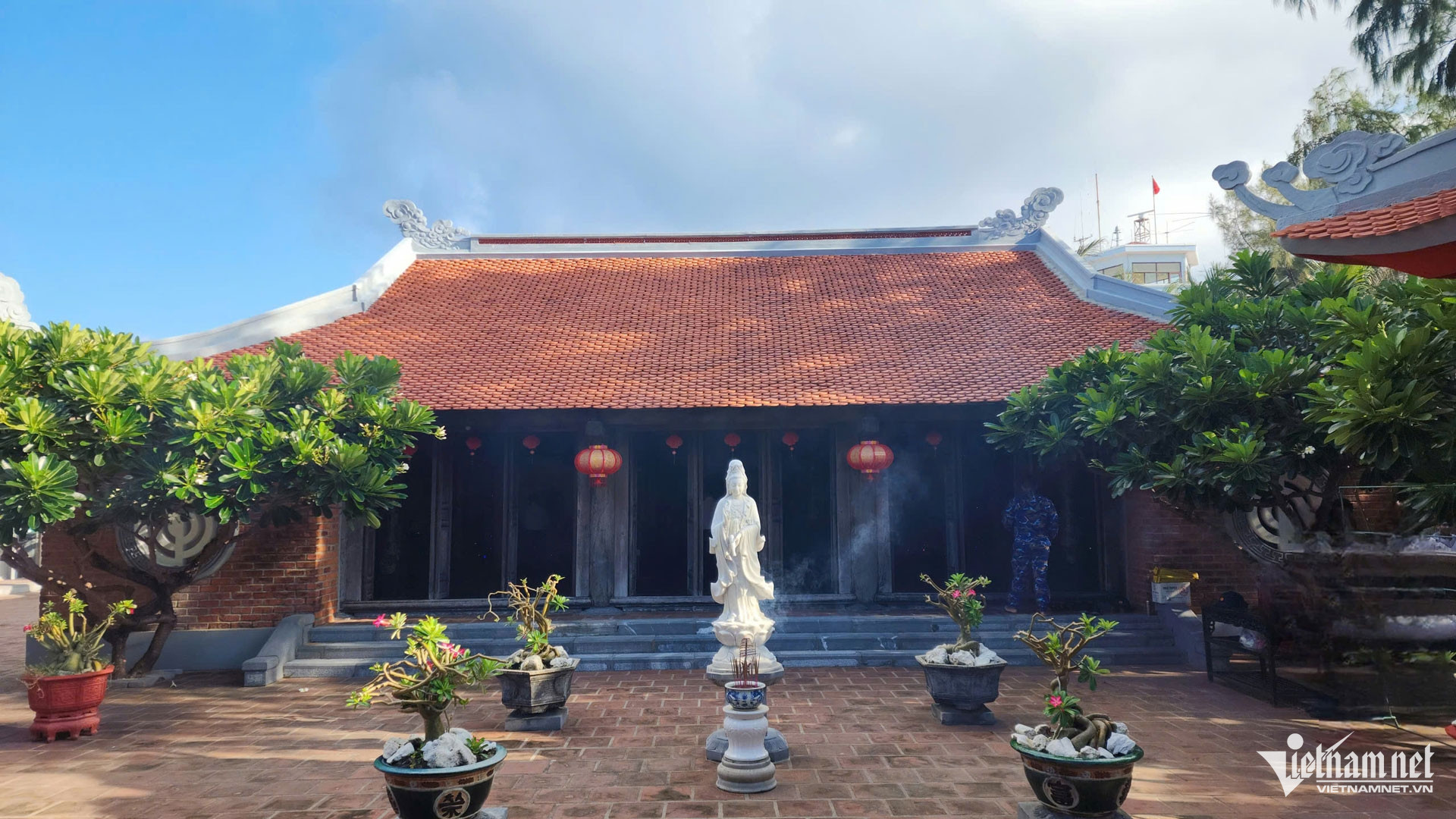
The name carries powerful symbolism, reflecting the deep bond between Buddhism and the Vietnamese nation - a place where the Buddhist spirit of compassion becomes intertwined with the life, struggle and determination of the Vietnamese people to defend their homeland.
Speaking to VietNamNet, Venerable Thich Minh Quang, Secretary of the Executive Council and Deputy Chief of Office I of the Vietnam Buddhist Sangha’s Central Committee, said Buddhism has remained closely connected with and accompanied the Vietnamese nation since its introduction to the country.
From the Ly and Tran dynasties, when Buddhist monks were remembered for setting aside their robes and taking up arms to defend the country, Vietnamese Buddhism has carried the tradition of “protecting the nation and bringing peace to the people.” Expressing gratitude, repaying kindness, remembering those who came before and living in harmony with both religious and social responsibilities have long been an integral part of life for Buddhist monks, nuns and followers.
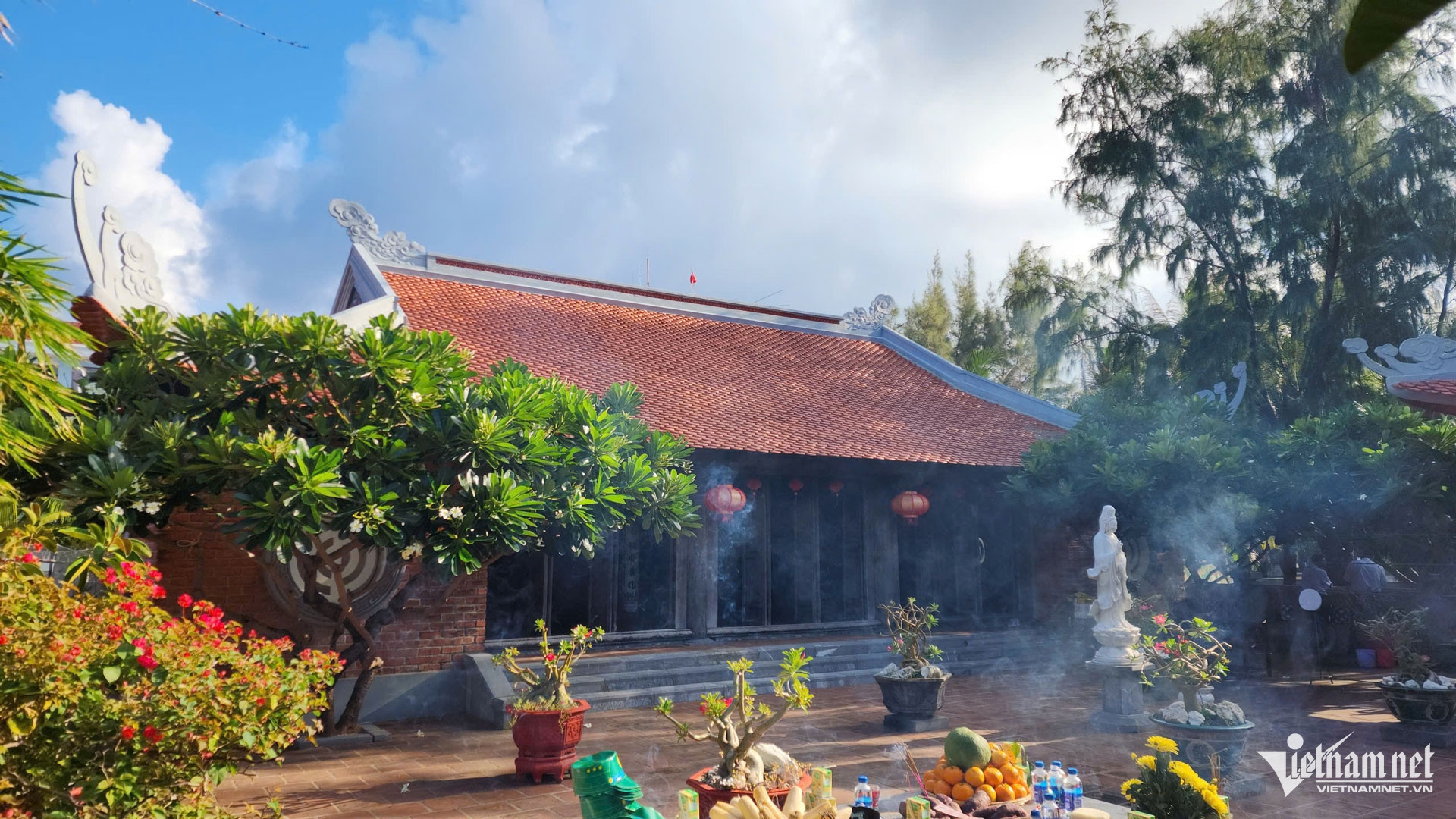
Naming both the island and the pagoda Phan Vinh, according to the Venerable, represents a continuation of that enduring tradition.
In Buddhism, compassion is not merely sympathy for an individual. At a higher level, it can mean sacrificing oneself to protect the peace and well-being of millions of others. The heroic sacrifice of Captain Nguyen Phan Vinh and his comrades in protecting the Ho Chi Minh Trail at Sea, he said, embodied the Bodhisattva ideal in its fullest sense: putting one’s own life on the line to prevent suffering and bring peace to the nation.
For a pagoda to bear the name of a Hero of the People’s Armed Forces, therefore, conveys a profound message: defending the homeland can itself be a sacred expression of spiritual devotion.
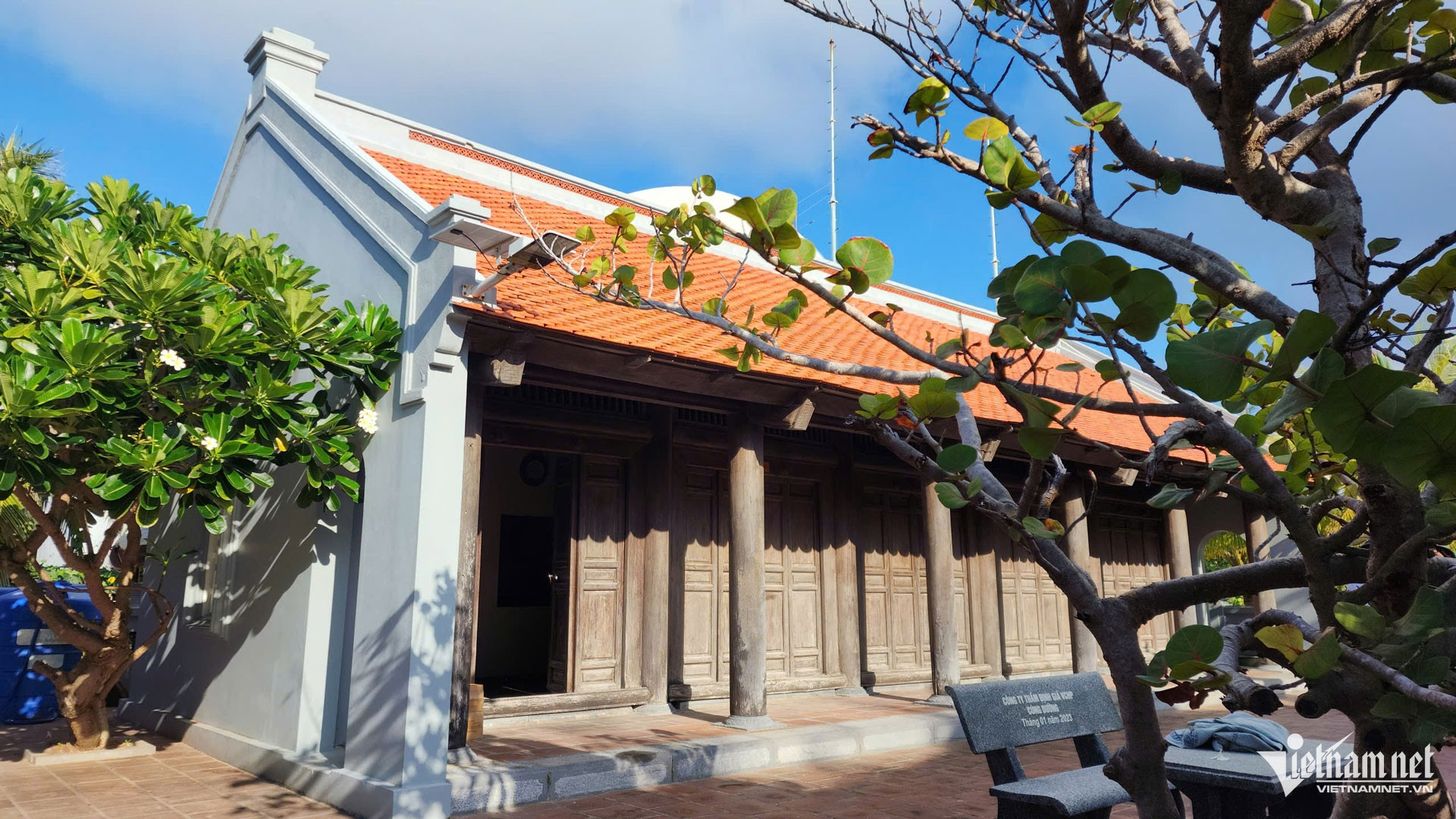
According to Venerable Thich Minh Quang, Buddhist teachings speak of the “Four Great Debts of Gratitude” that people should always remember: gratitude to one’s parents, gratitude to the Three Jewels - the Buddha, the Dharma and the Sangha - gratitude to the nation, and gratitude to the wider community.
“The debt to one’s parents is immeasurable. The debt to the nation is vast and boundless. We are indebted to the community for its support, and deeply indebted to our teachers and friends. Honoring a naval serviceman within the serenity of a Buddhist sanctuary is one of the most vivid ways Vietnamese people can practice gratitude to the nation. It is entirely in harmony with the Vietnamese tradition of remembering the source of the water we drink,” the Venerable said.
When soldiers, fishermen or visitors enter Phan Vinh Pagoda, they do more than bring their palms together in prayer for peace and safety. They also bow their heads in gratitude to the fallen soldiers who gave their lives to protect the country’s seas and islands.
Here, religion and the Vietnamese tradition of honoring fallen heroes become intertwined, enriching the humanistic values embodied by both.
More than a place of worship, Phan Vinh Pagoda, with its bell resonating across the open sea, serves as an enduring spiritual and cultural landmark.
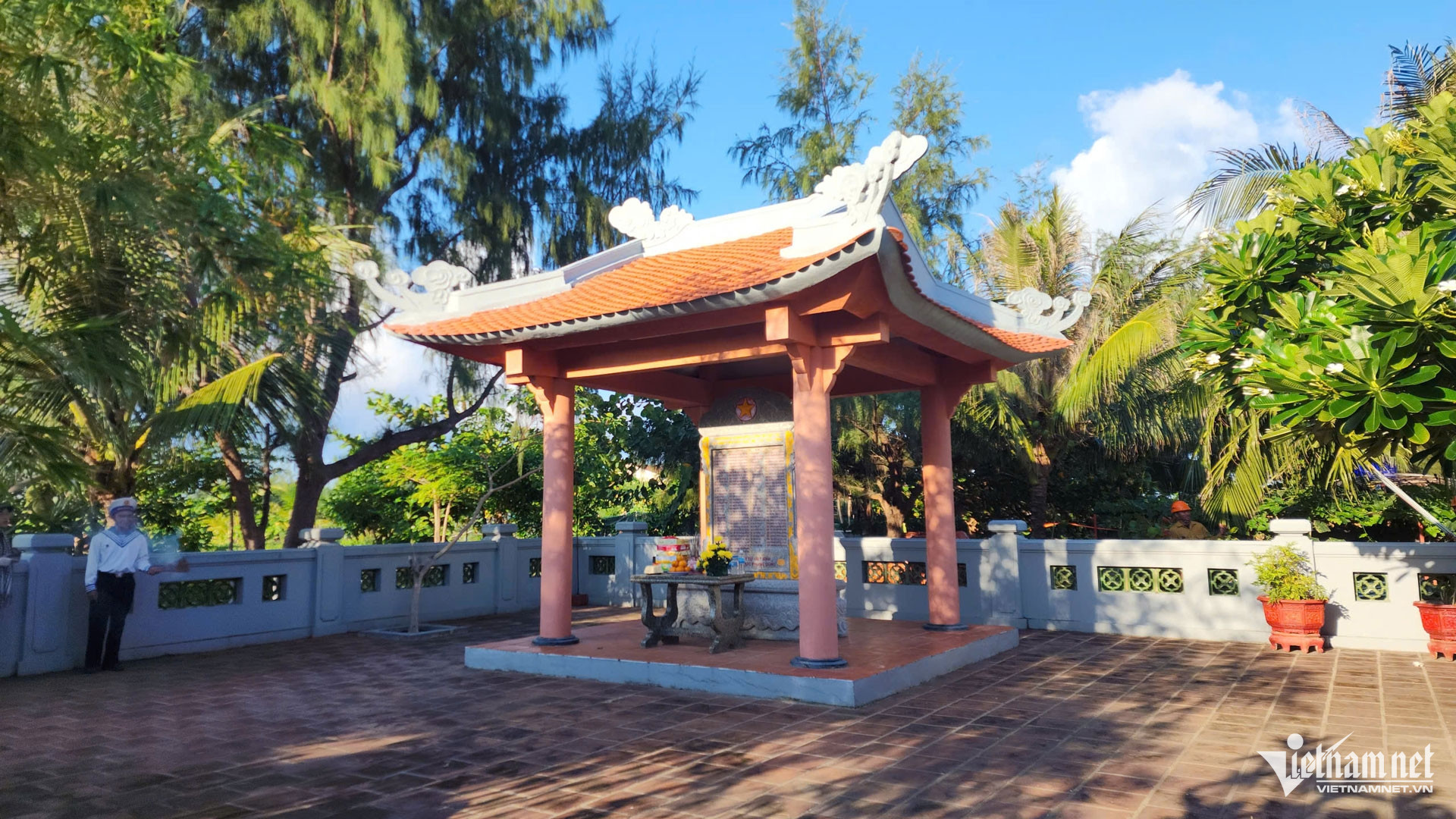
For soldiers stationed on the island, the pagoda offers spiritual support - a small corner of home where they can find tranquility and inner strength to endure storms and hardship. For fishermen, the light shining from the pagoda and the peaceful sound of its bell provide reassurance that, as they venture offshore and remain at sea, they are watched over both by higher powers and by the spirits of the heroes who came before them.
“A pagoda bearing the name of a soldier of Uncle Ho, standing firmly in the East Sea, sends an unequivocal message: Wherever Vietnamese culture, the Vietnamese spirit and the sacrifices of Vietnamese people are present, that place is sacred land inseparable from the homeland,” Venerable Thich Minh Quang said.
Phan Vinh Pagoda is more than a work of religious architecture in the Truong Sa archipelago. It represents a profound convergence of Buddhism and the nation.
Here, the Buddha’s philosophy of compassion and deliverance from suffering finds a powerful embodiment in the courage and self-sacrifice of naval serviceman Nguyen Phan Vinh, who gave his life for his country.
The sound of the pagoda bell mingling with the ceaseless rhythm of the waves is not only a prayer for peace and prosperity for the nation and its people. It also reminds future generations of an enduring truth: faith does not stand apart from life, and the nation’s spiritual identity remains deeply rooted in the endeavor to safeguard every stretch of land and sea belonging to the homeland.
Tinh Le
.svg)
