 Vietnamnet.vn

 Podcast



Amid the vast, windswept waters of Truong Sa, the sweeping roofs of Buddhist temples are more than sanctuaries of serenity. Over time, they have become “spiritual markers,” contributing to the affirmation of Vietnam’s sacred sovereignty.
This VietNamNet series takes readers on an emotional journey across the sea, from the inner peace found by island soldiers and fishermen to the quiet sacrifices made to safeguard the nation on its distant maritime frontier. Through these stories comes a deeper understanding of Vietnamese Buddhism’s tradition of “protecting the nation and bringing peace to its people,” as temple bells continue to resonate across the sea with a message of peace and enduring faith.
A strong “three-legged tripod” linking the Vietnam Buddhist Sangha, the military and island communities has helped care for and preserve temples on the country’s outlying islands, turning them into spiritual strongholds amid the open sea.
Part 1: Faith and resilience meet on Vietnam's frontline islands
Part 2: Pagodas in Truong Sa stand as spiritual markers of sovereignty
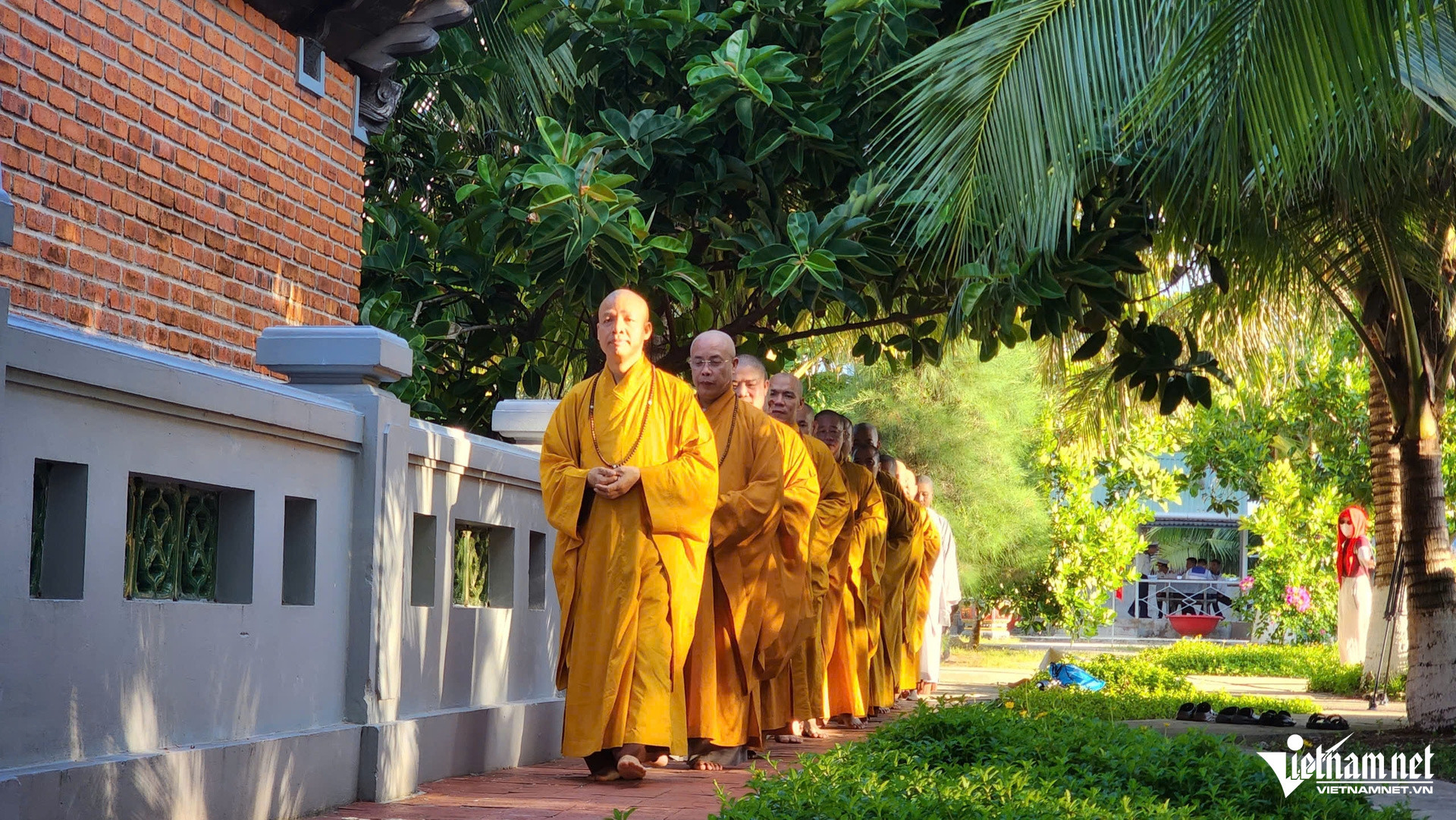
For more than 2,000 years, Buddhism has been present in Vietnam, becoming an integral part of the nation’s cultural and spiritual life. Through successive periods of history, its tradition of “protecting the nation and bringing peace to its people” has endured, reflected in Buddhism’s companionship with communities and the country at pivotal moments.
For Vietnamese people, wherever a community takes root, the presence of a temple is rarely far away. A temple is not simply a place of worship, but also a space where cultural values are preserved and where people remain connected to their homeland and roots.
Venerable Thich Nhuan Dat, abbot of Truong Sa Pagoda in the Truong Sa Special Zone, said this spiritual tradition is also deeply present on Vietnam’s islands. Far out at sea, temples offer officials, soldiers, residents and fishermen a place to find inner peace and entrust their hopes before embarking on long voyages.
According to Venerable Thich Minh Quang, a member of the Secretariat of the Executive Council of the Vietnam Buddhist Sangha and Deputy Chief of Office No. 1 of its Central Committee, Vietnam currently has around 18,500 Buddhist temples. Among them, those on the Truong Sa archipelago hold particular significance.
More than 100 Vietnamese Buddhist temples are also present in countries around the world, serving as cultural spaces that help overseas Vietnamese communities maintain their connection with their homeland.
With its long tradition of socially engaged Buddhism, Vietnamese Buddhism has stood alongside the nation through many chapters of its history. Today, that spirit continues through the close ties between monks, nuns, Buddhist followers and their communities, including collective efforts to build and preserve spiritual and cultural sites across the Truong Sa archipelago.
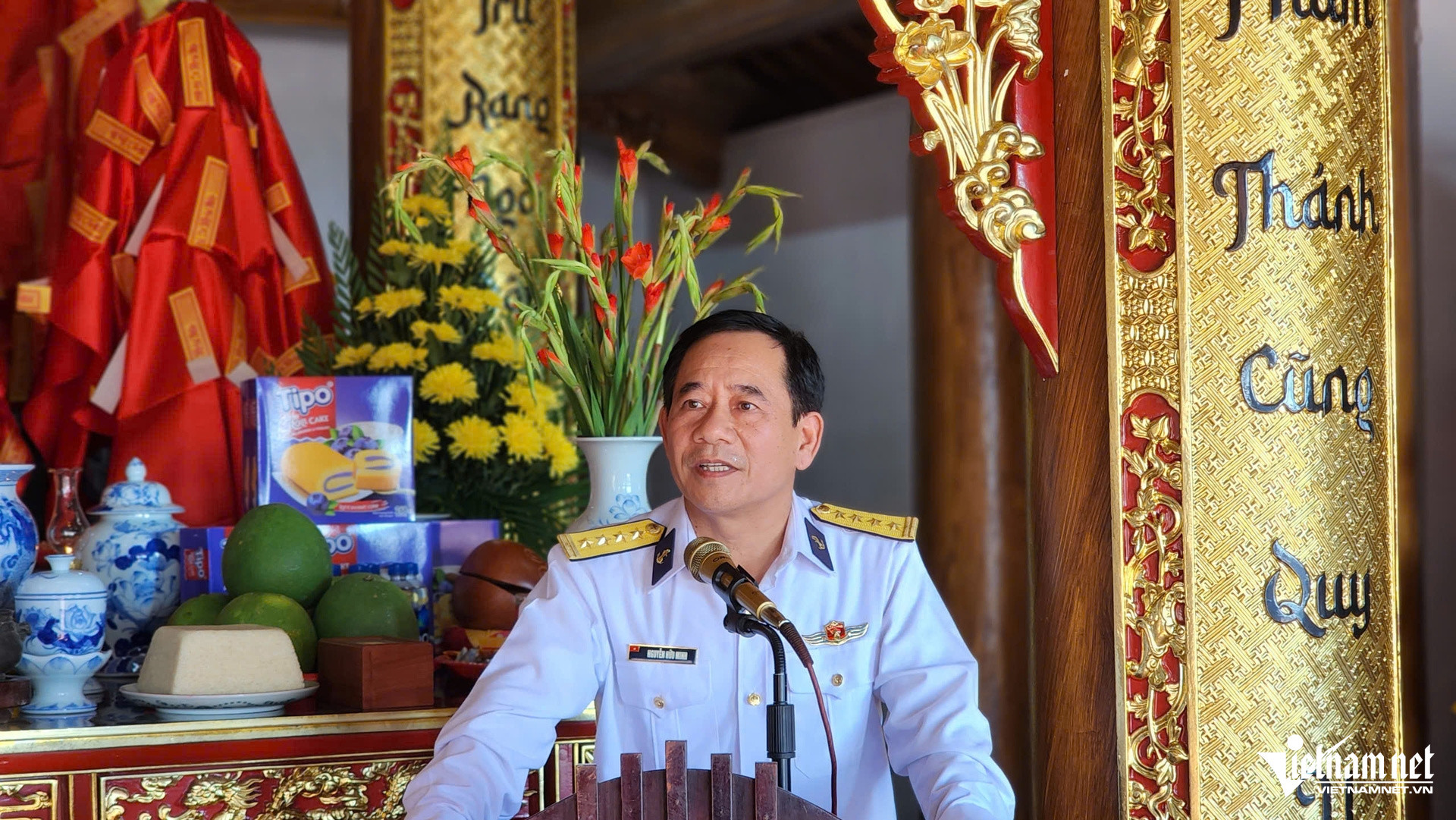
According to Colonel Nguyen Huu Minh, Deputy Political Commissar of Naval Region 4 Command, cooperation between the Vietnam Buddhist Sangha, the Vietnam People’s Navy, individuals and organizations has contributed to the construction and preservation of temples on the islands, providing additional spaces for the cultural and spiritual life of soldiers, officials and residents.
The temples on this maritime frontier are not only spiritual destinations. They also enrich cultural life on the islands, giving soldiers and officials greater strength as they carry out their duties and offering fishermen a greater sense of reassurance as they head offshore and remain at sea.
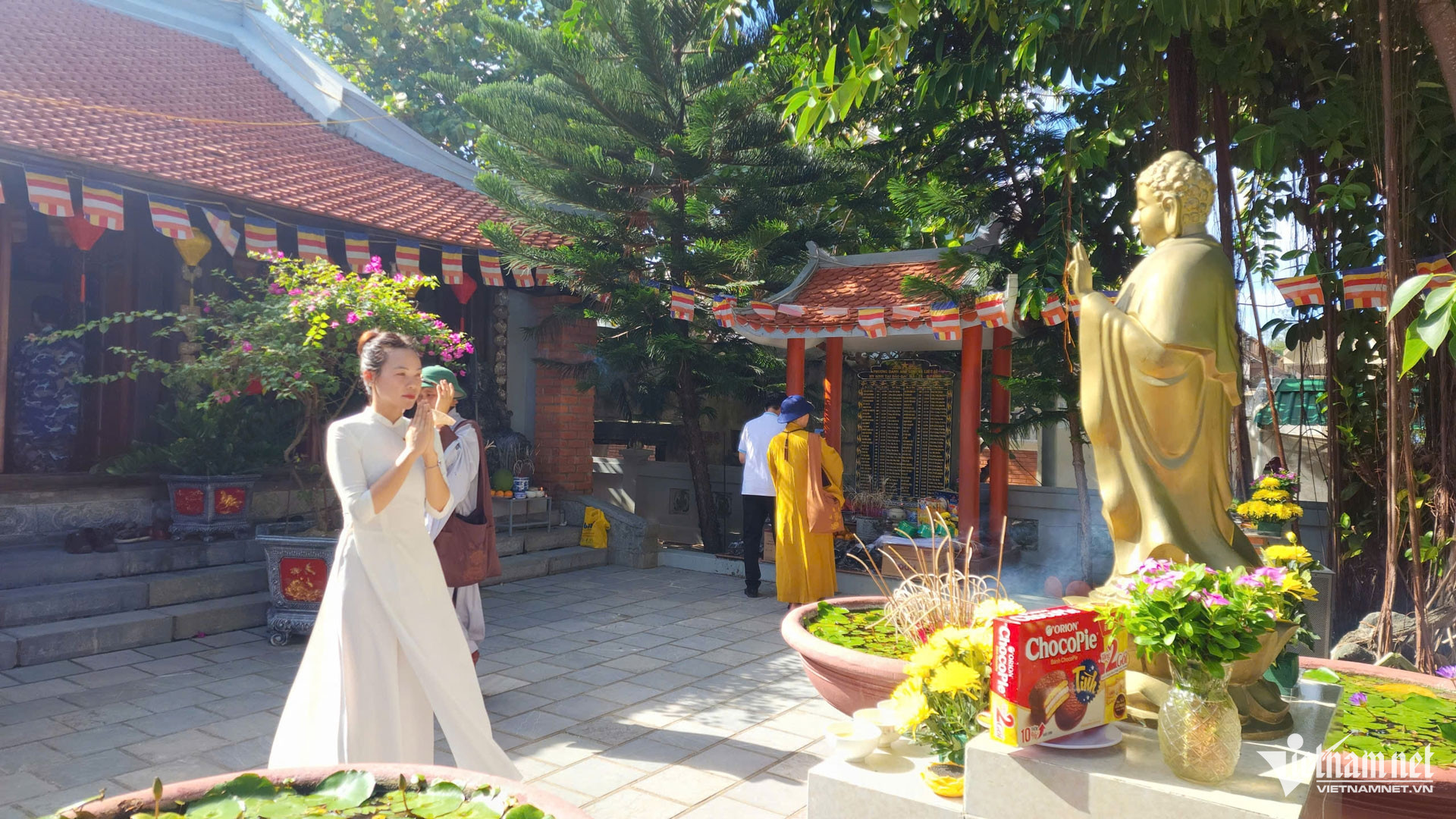
Preservation and restoration of existing temples are not the only priorities. Venerable Thich Minh Quang said proposals would be made for the Vietnam Buddhist Sangha to study the possibility of upgrading temples in the Truong Sa archipelago to the status of “national temples,” with the Sangha’s central leadership directly overseeing them and appointing their abbots.
“Every temple standing amid the vast expanse of sea carries a distinctive cultural and spiritual imprint. While national sovereignty is affirmed through legal and historical foundations and the State’s presence in governance and protection, cultural structures such as temples help deepen people’s emotional bonds, faith and connection with the homeland’s seas and islands,” Venerable Thich Minh Quang said.
Evening descends over the East Sea. The setting sun casts a red glow across the vast waters. Against that immense backdrop, a Vietnamese naval soldier standing guard beside the sweeping roof of a temple creates a scene at once simple and sacred. Temple bells ring across the open sea, mingling with the sound of the waves. Their resonance carries not only the tranquility of a spiritual sanctuary, but also echoes of love for the homeland, community bonds and the aspiration for a life of peace.
Keeping that spirit of goodness alive has required a deep and enduring bond, forming a strong “three-legged tripod” among the Vietnam Buddhist Sangha, the military and communities living on the islands.
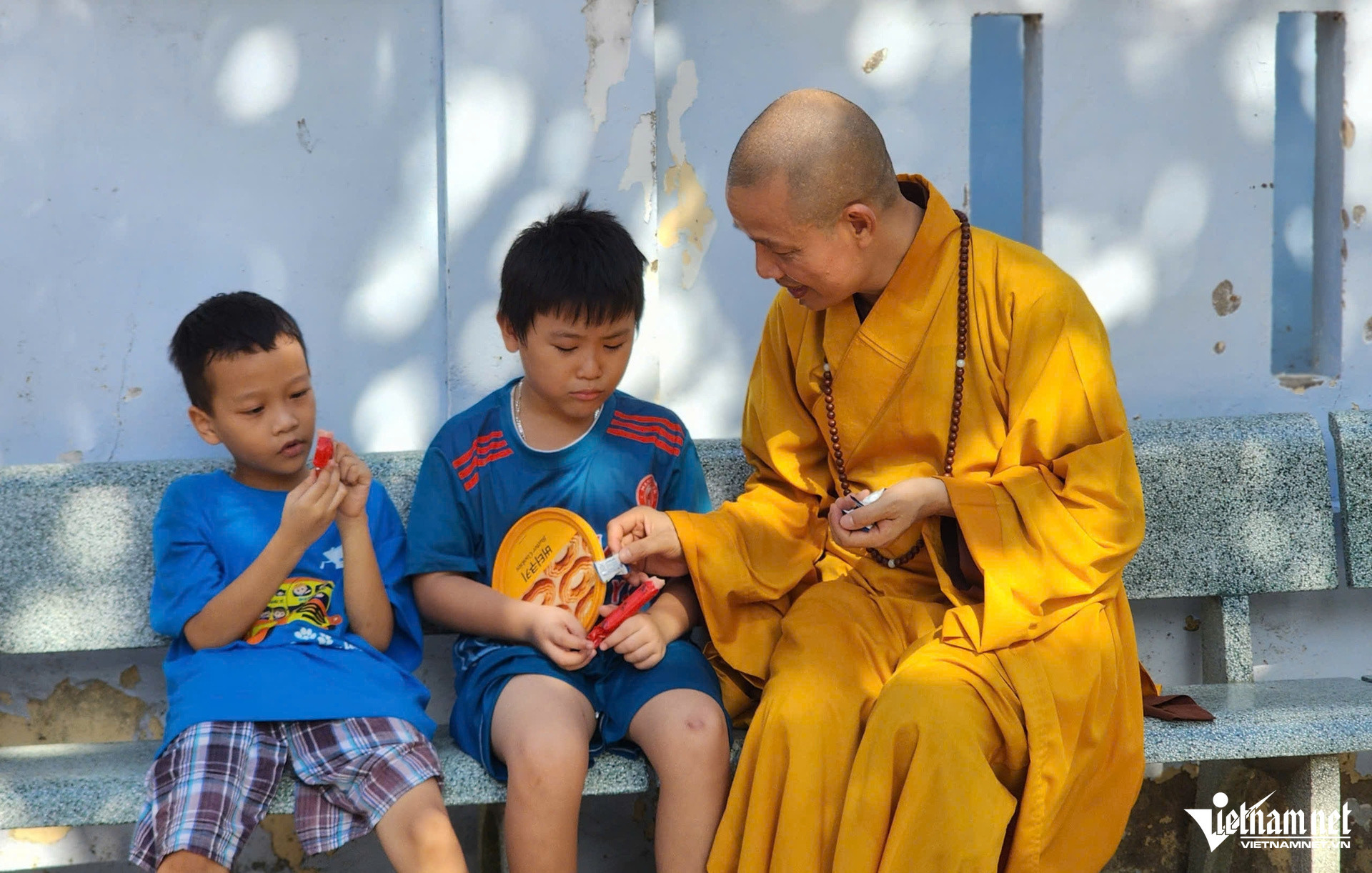
The first leg of that tripod is the dedication of the Vietnam Buddhist Sangha. Monks have volunteered to cross rough seas and brave powerful winds to serve at temples on the country’s maritime frontier and keep incense burning at their altars. They provide an important source of spiritual support, guiding residents and soldiers in preserving the beauty of Vietnam’s traditional culture amid the winds and waves.
The second leg is formed by the steadfast sailors of the Vietnam People’s Navy. Alongside their duty to guard the country’s seas and skies, soldiers and officers in Truong Sa contribute their own labor and effort to restoring, maintaining and caring for temple grounds. The military protects the temples with discipline and courage, while the temples, in turn, offer soldiers a refuge of stillness and peace.
The third leg is the resilient vitality of the island communities. Families living in Truong Sa are the lifeblood that keeps these spiritual spaces warm and vibrant. Residents sweeping temple courtyards, or children happily following their mothers and grandmothers to worship on full-moon days and the first day of the lunar month, bring the peaceful rhythms of a Vietnamese village to the middle of the sea.
Residents and soldiers burn incense together, tend every potted plant and sweep every stone, keeping temple grounds neat and serene. The union of spiritual and everyday life, and of the Sangha, military and people, creates an enduring bond of solidarity. Together, this “three-legged tripod” cares for and protects the temples, transforming them into steadfast spiritual strongholds in the open sea. Through storms and driving rain, these spiritual markers continue to stand tall and proud, enduring symbols of the Vietnamese people’s aspiration for peace and their determination to safeguard the nation.
Tinh Le
.svg)
