 Vietnamnet.vn

 Podcast



Every year on July 27, families in Cam Sa and Thach Tan villages in Da Nang prepare meals and light incense in remembrance of hundreds of fallen soldiers. Some have no known date of death. The remains of others have never been found. Yet on this shared day of remembrance, no one is forgotten.
July arrives with a scorching sun beating down on the white sands of southern Da Nang.
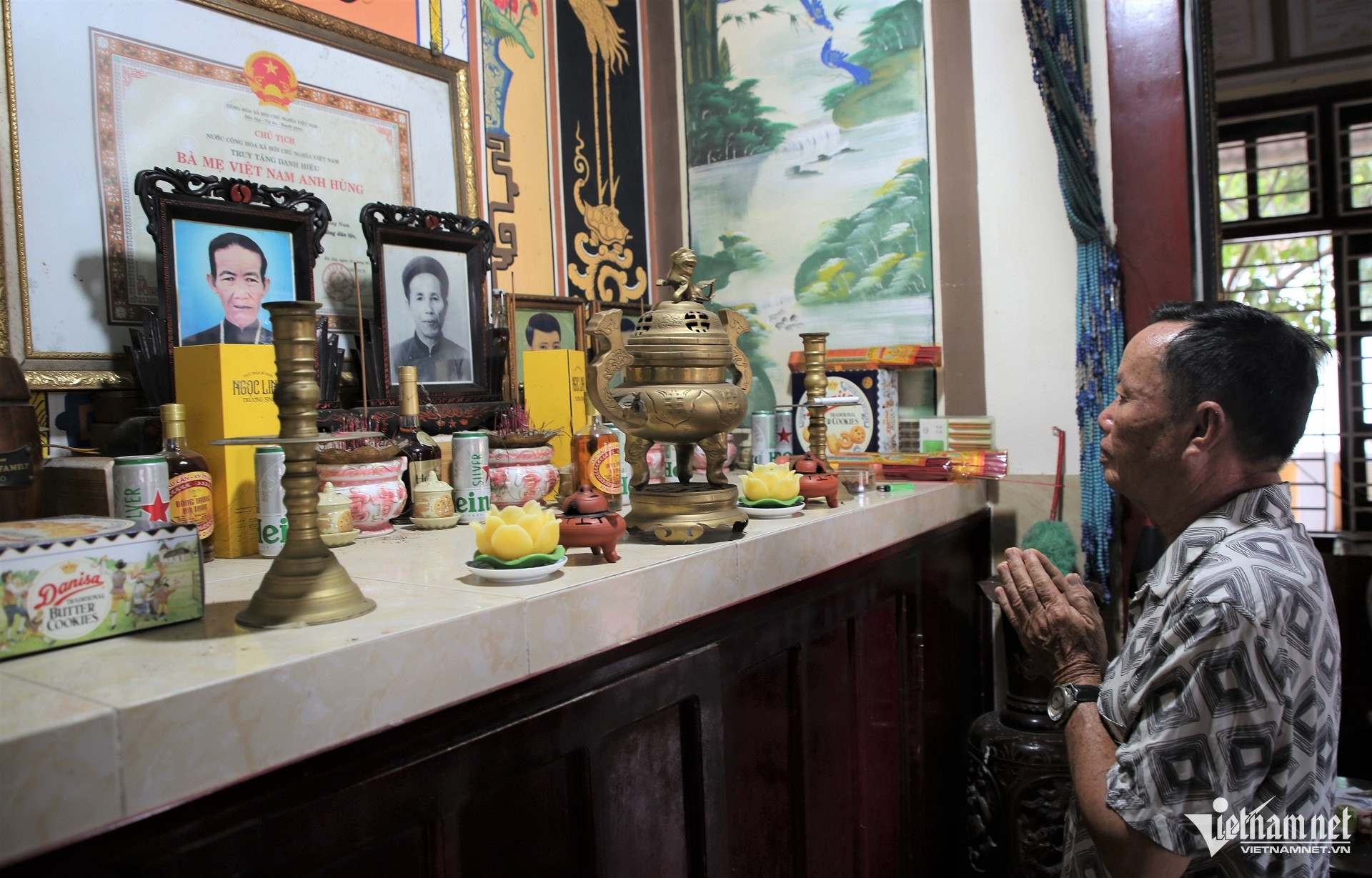
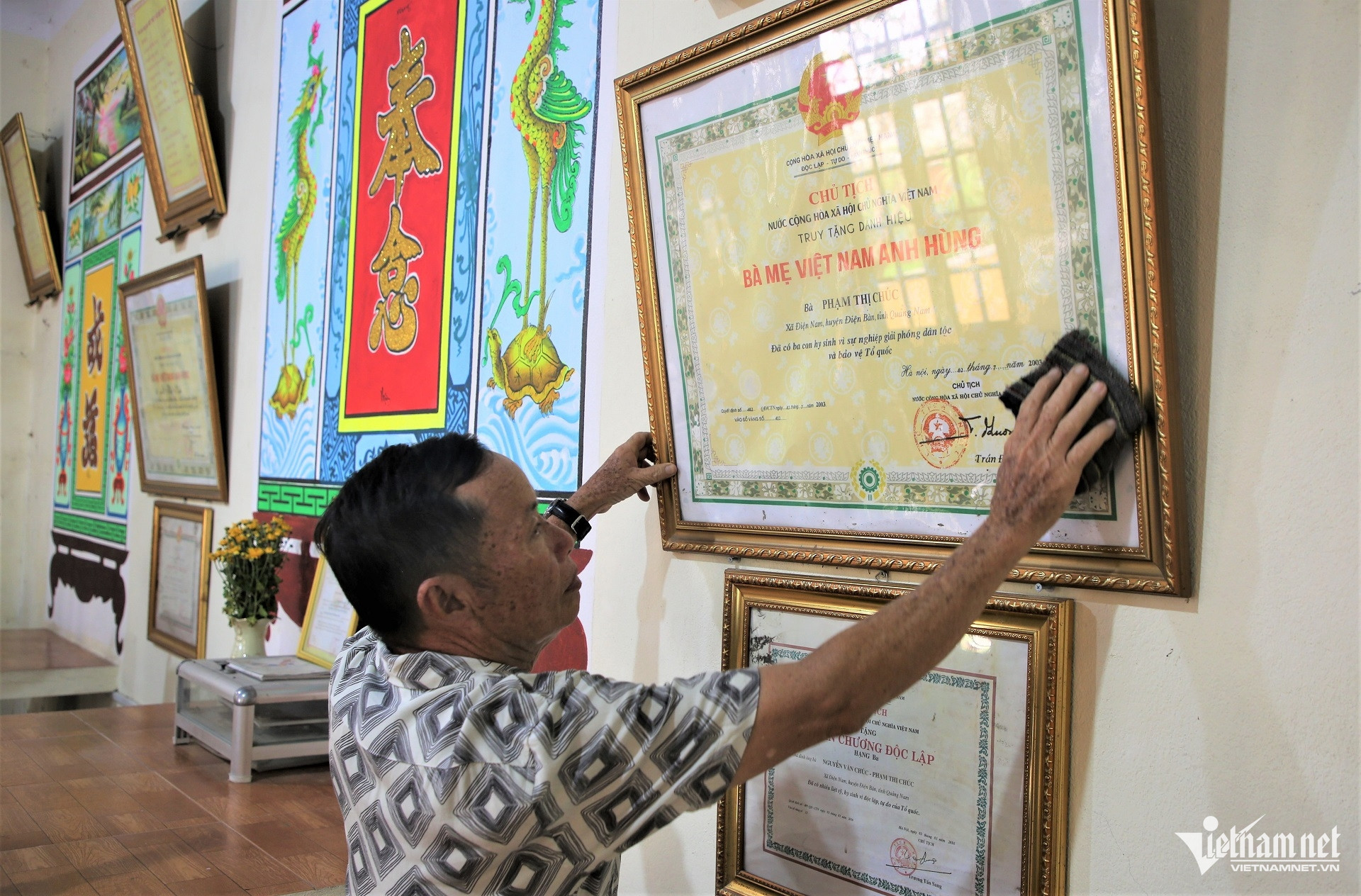
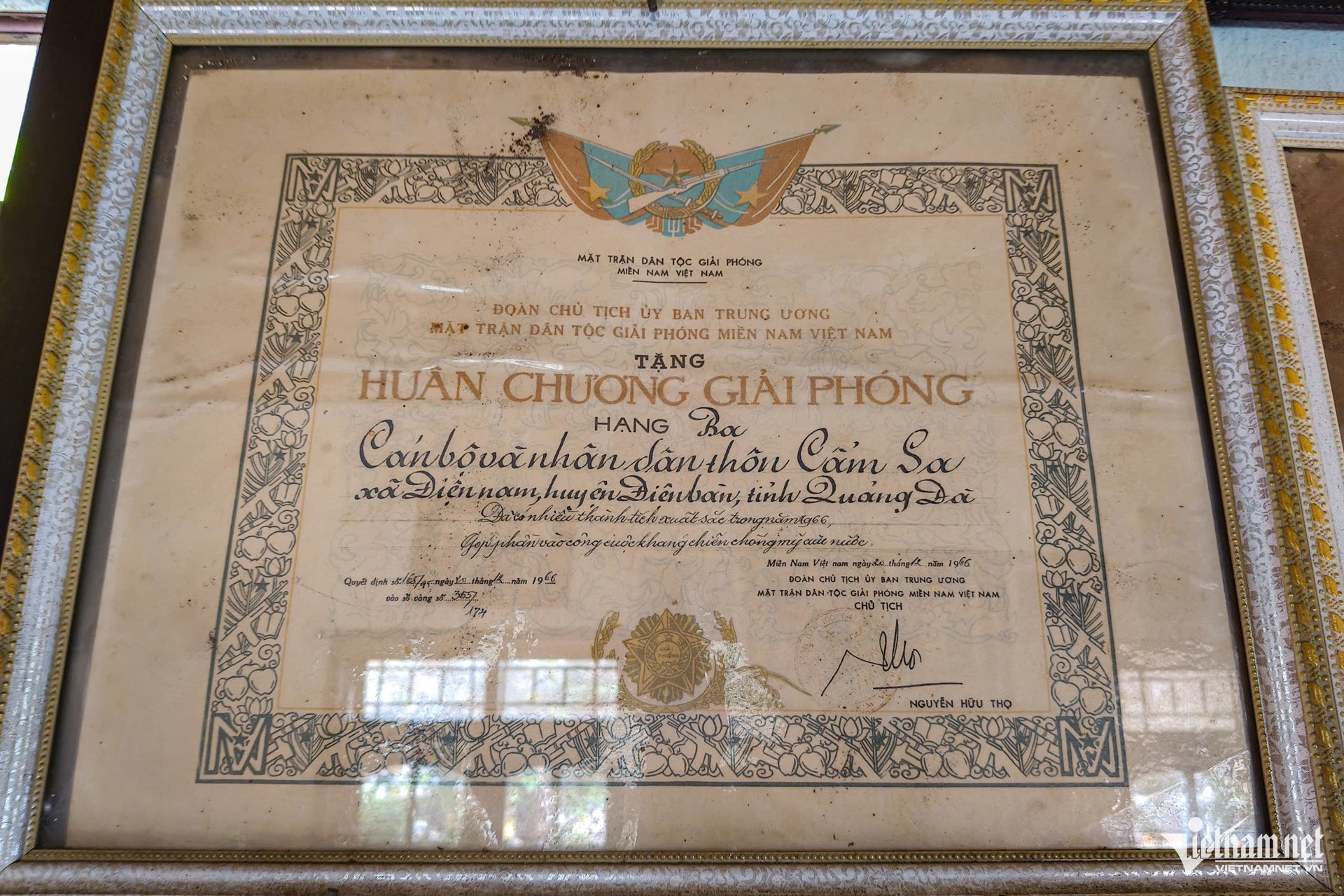
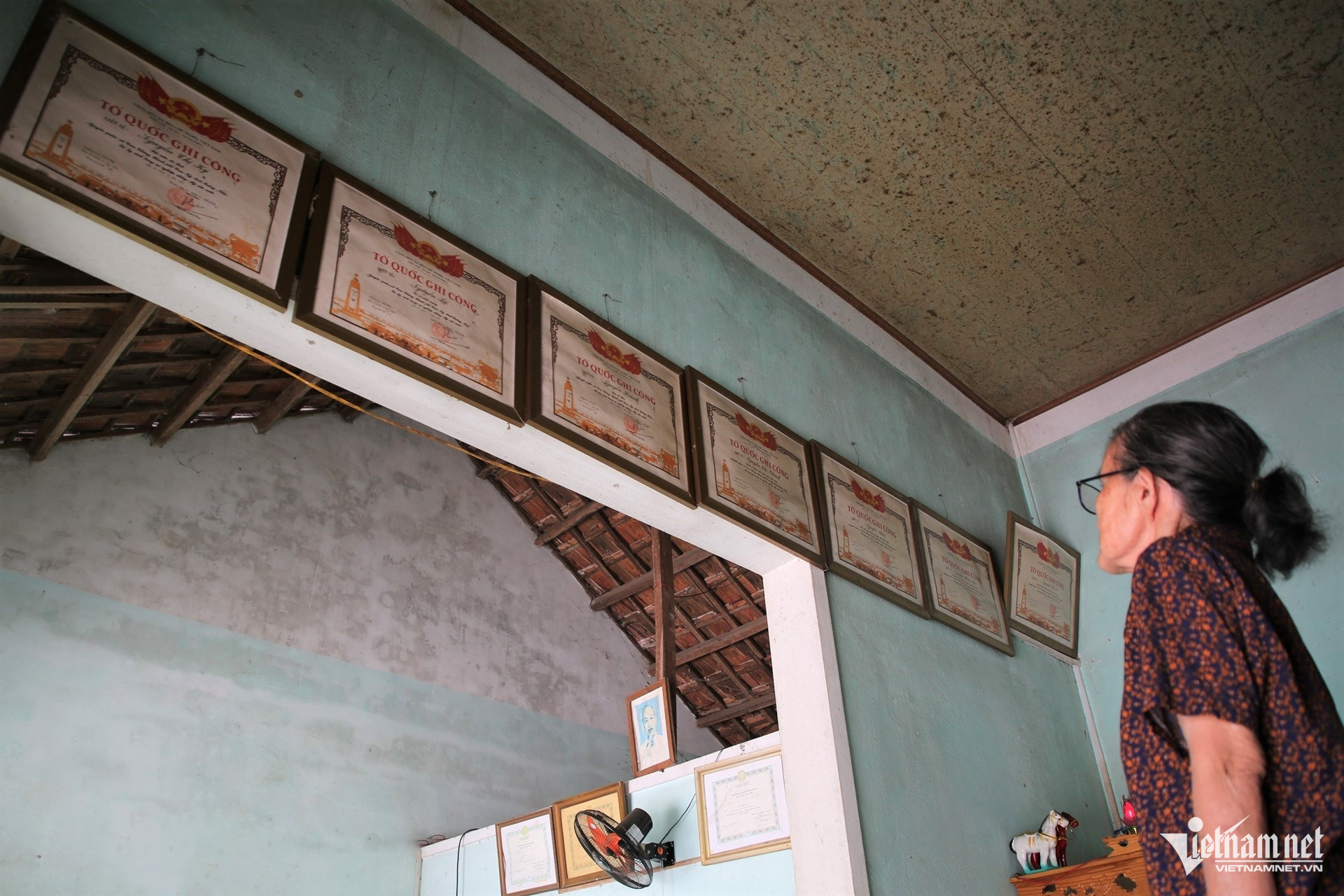
Inside an ancestral worship house in Cam Sa neighborhood, Dien Ban Dong Ward, Nguyen Van Phuoc, 68, replaces a vase of flowers on the altar, then slowly wipes the certificates honoring fallen soldiers, their paper yellowed with age.
On July 27, descendants working far from home return. Ancestral halls are lit again, and incense smoke drifts through the village lanes.
Each year, the village observes a shared death anniversary - not for one person, but for hundreds who gave their lives.
A village of heroes
A small coastal fishing village, Cam Sa is home to 503 fallen soldiers, 111 Vietnamese Heroic Mothers and five generals. Phuoc’s family alone has 14 fallen soldiers and four Vietnamese Heroic Mothers.
“My grandmother, my mother, my aunt and my uncle’s wife were all Vietnamese Heroic Mothers. Of my three elder brothers, one later became a lieutenant general and the other two sacrificed their lives. But in this village, families that suffered losses like ours are hardly unusual,” he said.
During the war, Cam Sa lay in the midst of fierce fighting. By day, villagers worked the fields. At night, many served as couriers and guerrillas, dug shelters and hid and supported revolutionary cadres. In 1967 and 1968, the village was repeatedly swept through and burned, only to rise again from the ruins.
Several generals emerged from this land, including Major General Pham Ban, a Hero of the People’s Armed Forces, and Lieutenant General Nguyen Van Thang, former Political Commissar of Military Region 5 and Phuoc’s elder brother.
“Wherever you go in my village, you meet someone who lost family because of the war. Anyone you encounter could be the child or grandchild of a fallen soldier. Here, we say, ‘step outside and you meet a hero.’ It may sound like a joke, but it is true,” Phuoc said.
Many people from Cam Sa died on their own soil. Others fell on distant battlefields, their dates of death unknown. Over time, July 27 became the day when families came together to commemorate them.
“If we held a separate death anniversary for every person, some families would have one almost every month. So people chose July 27 to light incense, prepare a meal and remember those who are gone,” Phuoc explained.
Taking us to the memorial stele for the seven fallen soldiers known as the Dien Nam warriors, Phuoc stood for a long time before the stone recounting the battle of January 19, 1972.
That day, an enemy battalion, backed by tanks, artillery, helicopters and patrol boats, suddenly moved into the commune. Surrounded on all sides, seven local cadres and guerrillas fought to the end, killing 47 enemy troops, setting a tank ablaze and bringing down a HU1A helicopter before losing their lives.
Among them was fallen soldier Nguyen Thang, Phuoc’s elder brother and the younger brother of Lieutenant General Nguyen Van Thang.
“He remained on the very land where he was born. Now, all that remains is his name carved into stone,” Phuoc said.
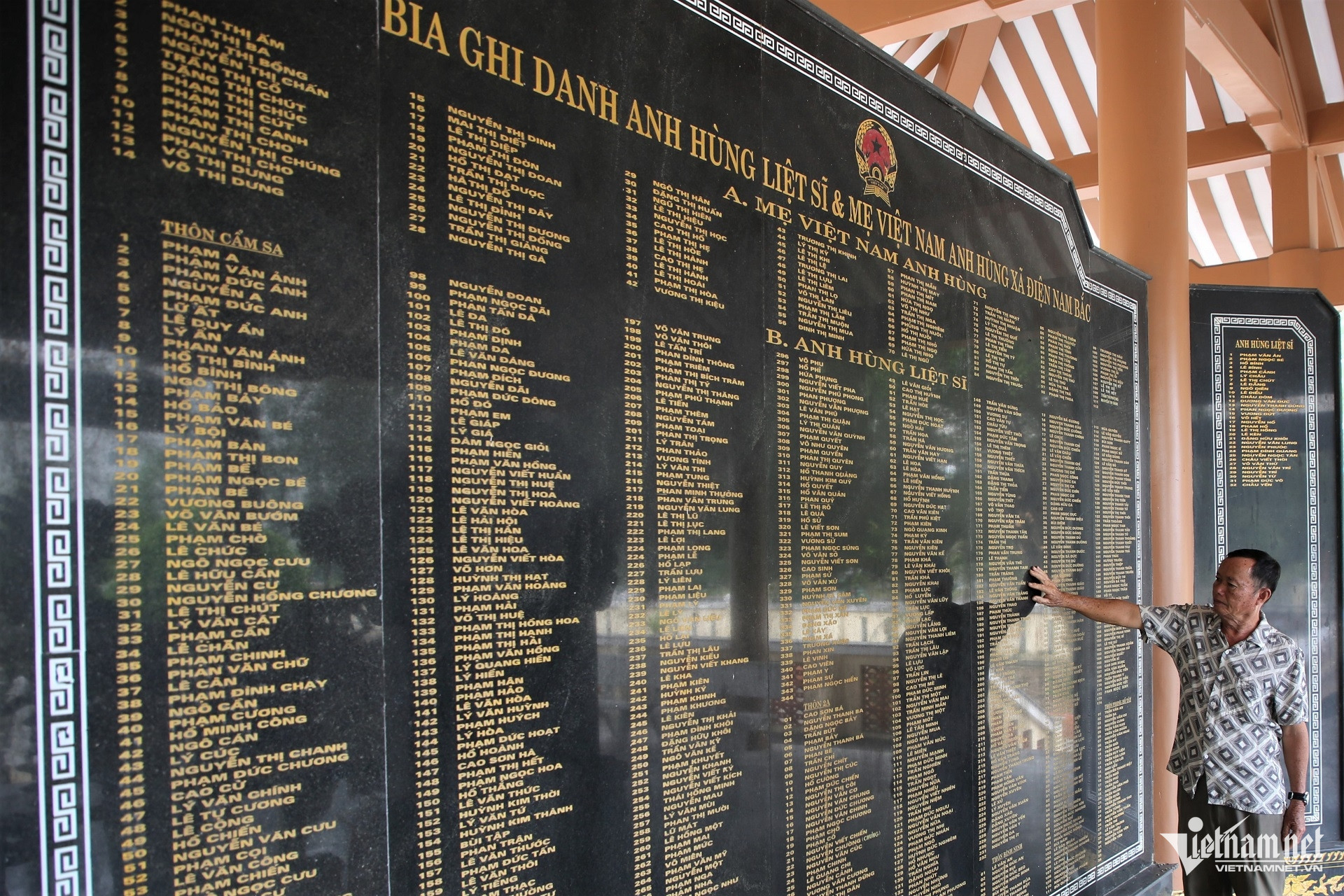
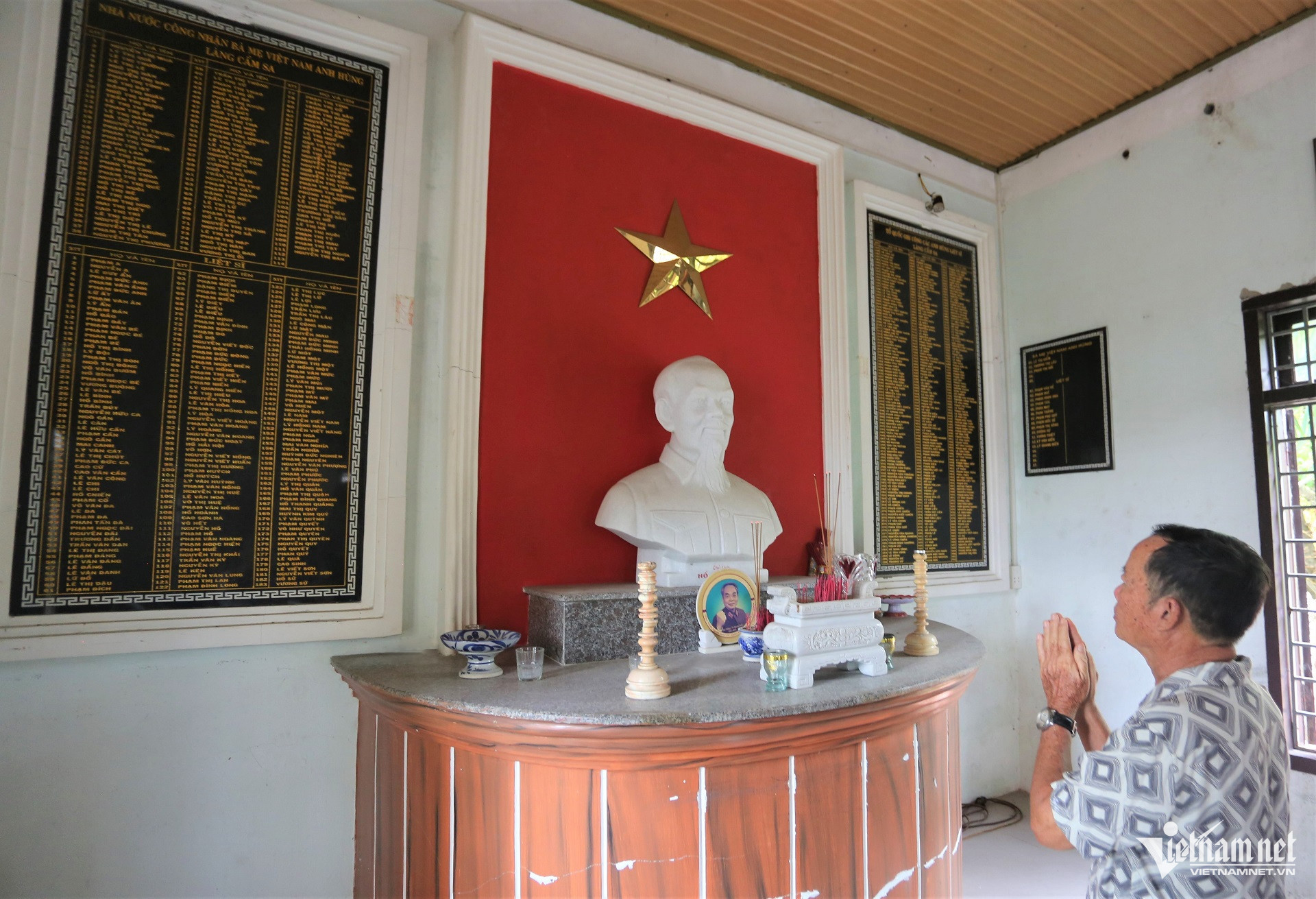
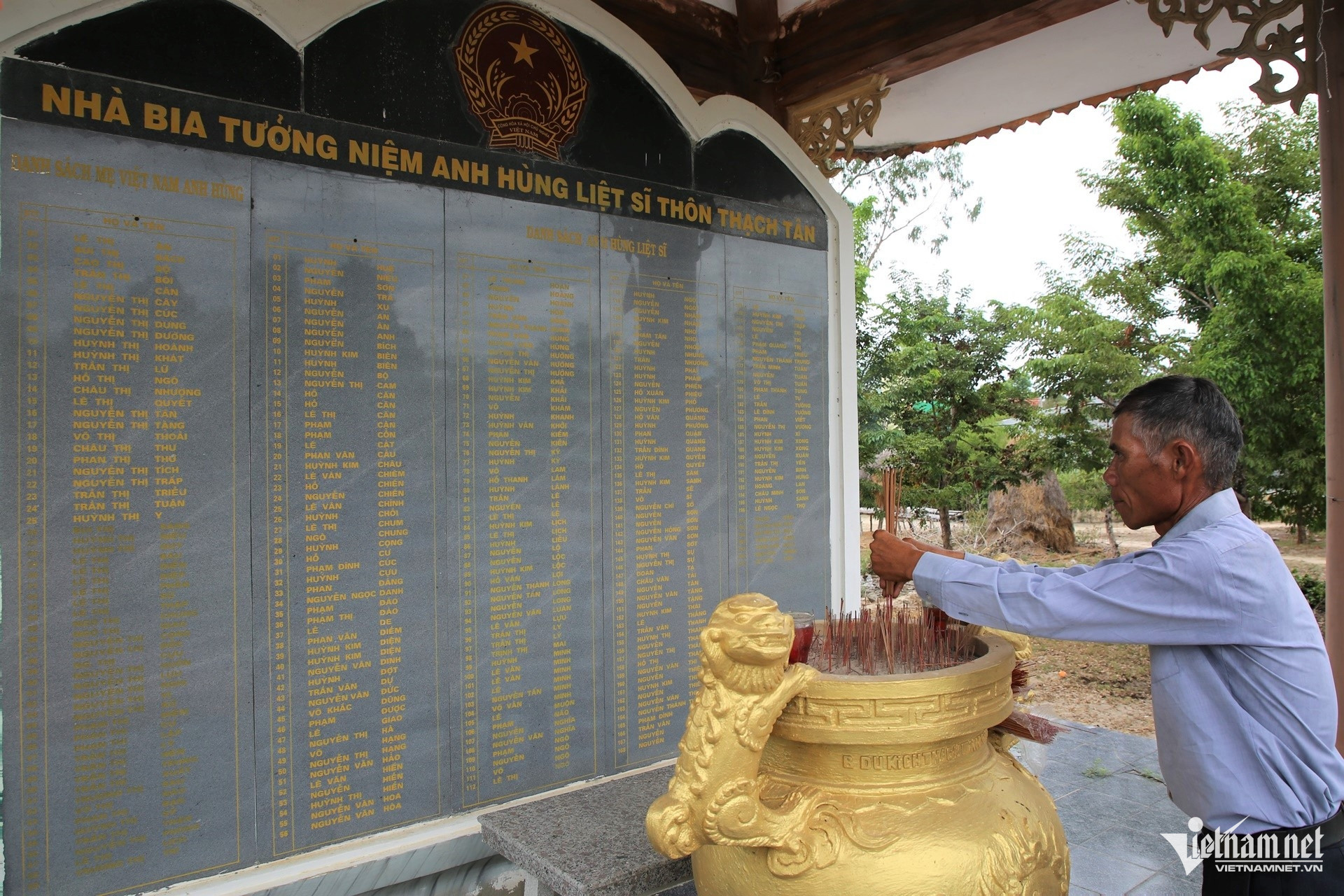
Cam Sa’s traditional house was built through contributions from local residents. In its main worship hall, memorial steles bearing the names of fallen soldiers and Vietnamese Heroic Mothers stand solemnly beside the national flag and a statue of President Ho Chi Minh.
The names of Vietnamese Heroic Mothers appear at the top. Below them, hundreds of fallen soldiers’ names run one after another, like an extraordinary family register of the village.
“Every year, new names are added to the stele. Some people receive posthumous recognition only much later, but no one is forgotten,” said Tran Quoc Dung, 71, head of Cam Sa neighborhood.
Dung’s family has 15 fallen soldiers, while his grandmother was a Vietnamese Heroic Mother. He himself is a wounded war veteran, classified as Grade 3.
No one is forgotten
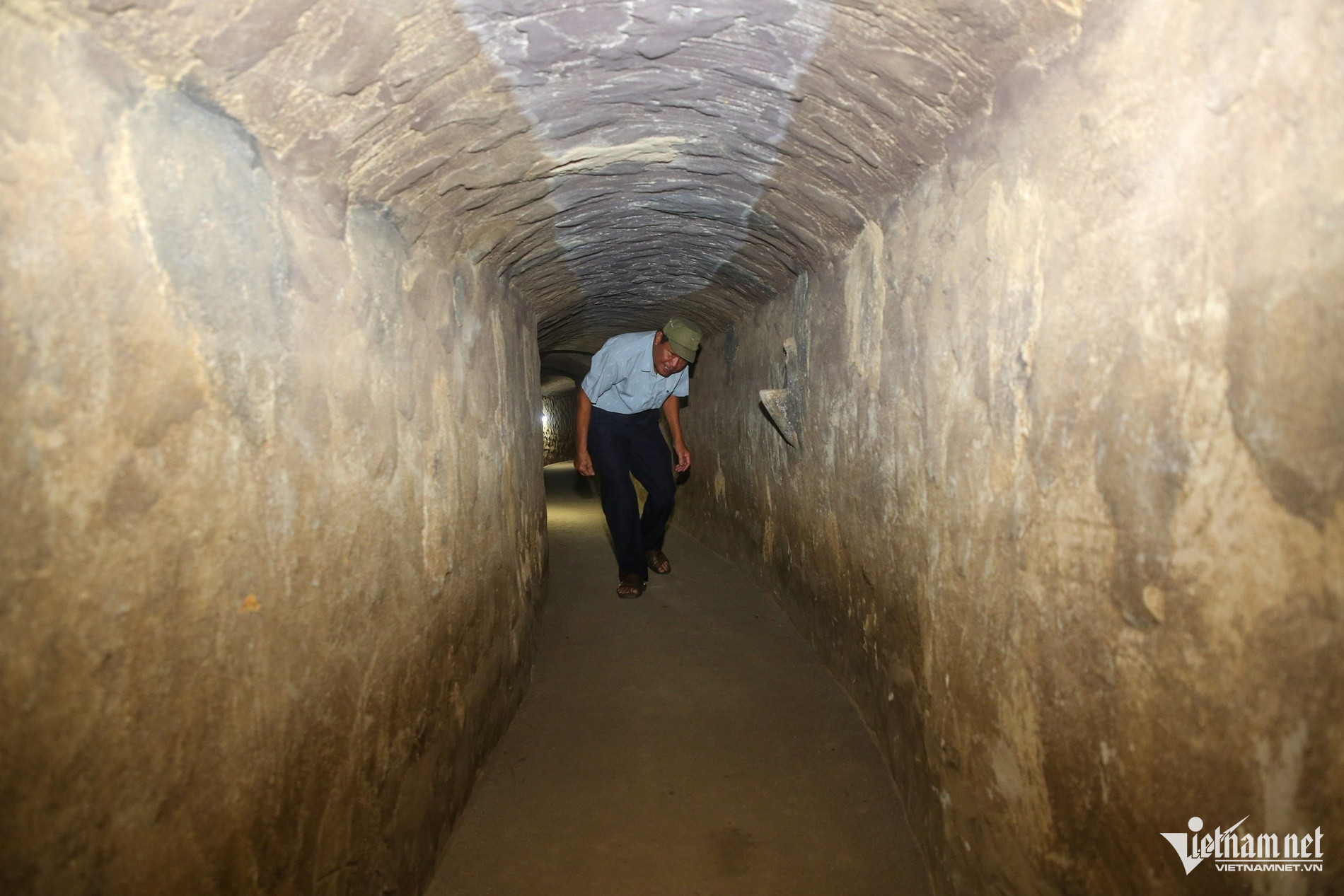
Leaving Cam Sa, we travel to Thach Tan in Ban Thach Ward, a village sitting above the Ky Anh tunnel network. Stretching for around 32 kilometers, the tunnels were dug between 1965 and 1967 to provide shelter, conceal revolutionary cadres and support combat operations.
Thach Tan has 203 fallen soldiers and 59 Vietnamese Heroic Mothers.
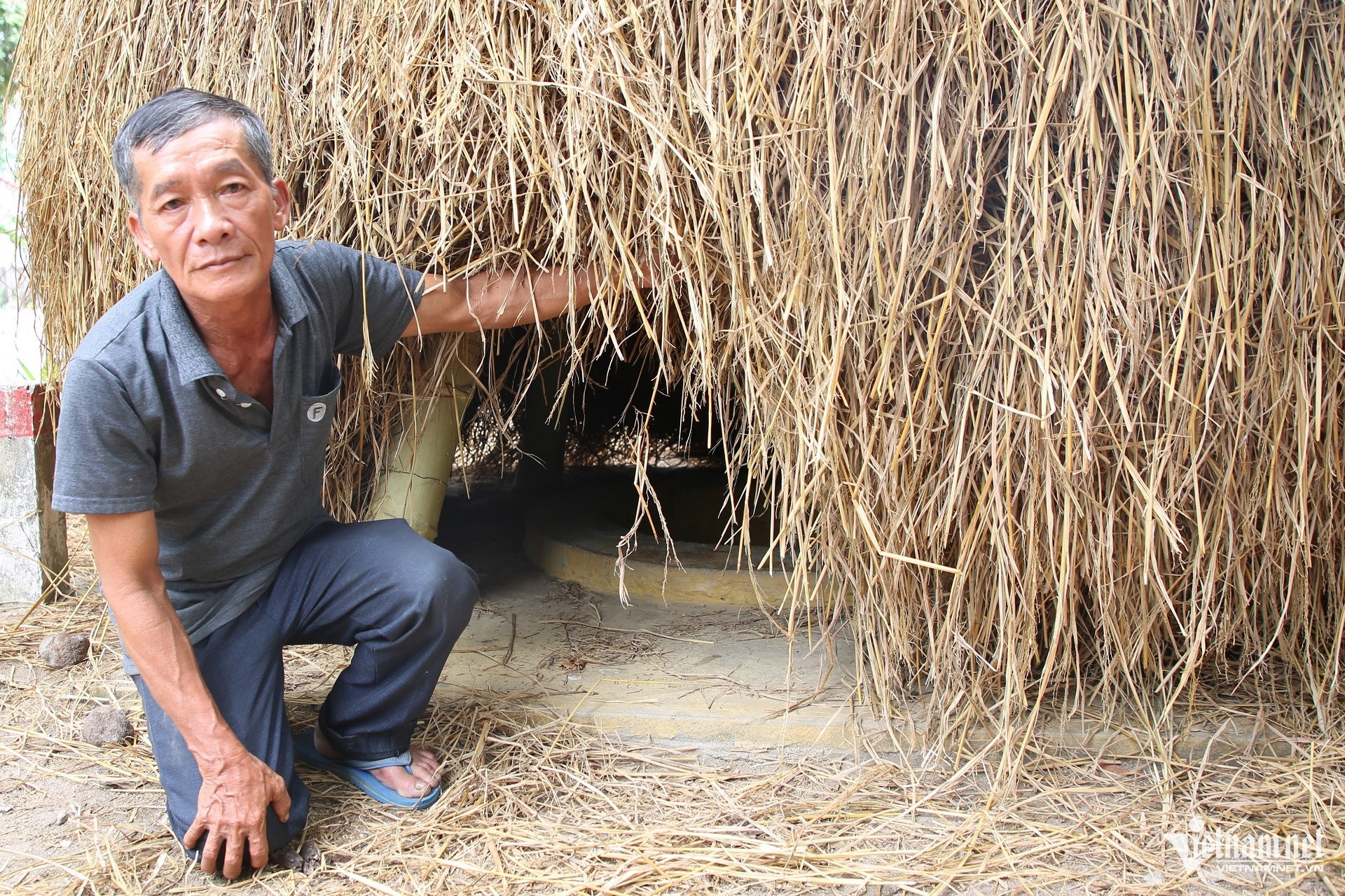
Above ground today are peaceful homes and lush green gardens. Beneath them lie tunnels that once sheltered an entire village from bombs and gunfire.
At 76, Tran Thi Loan still sits at her mat-weaving loom in a house beside the historical site. Beneath her family garden are three tunnel entrances dating back to the war years.
As a young woman, Loan supported revolutionary activities. She was once arrested and tortured but refused to reveal any information about the tunnels.
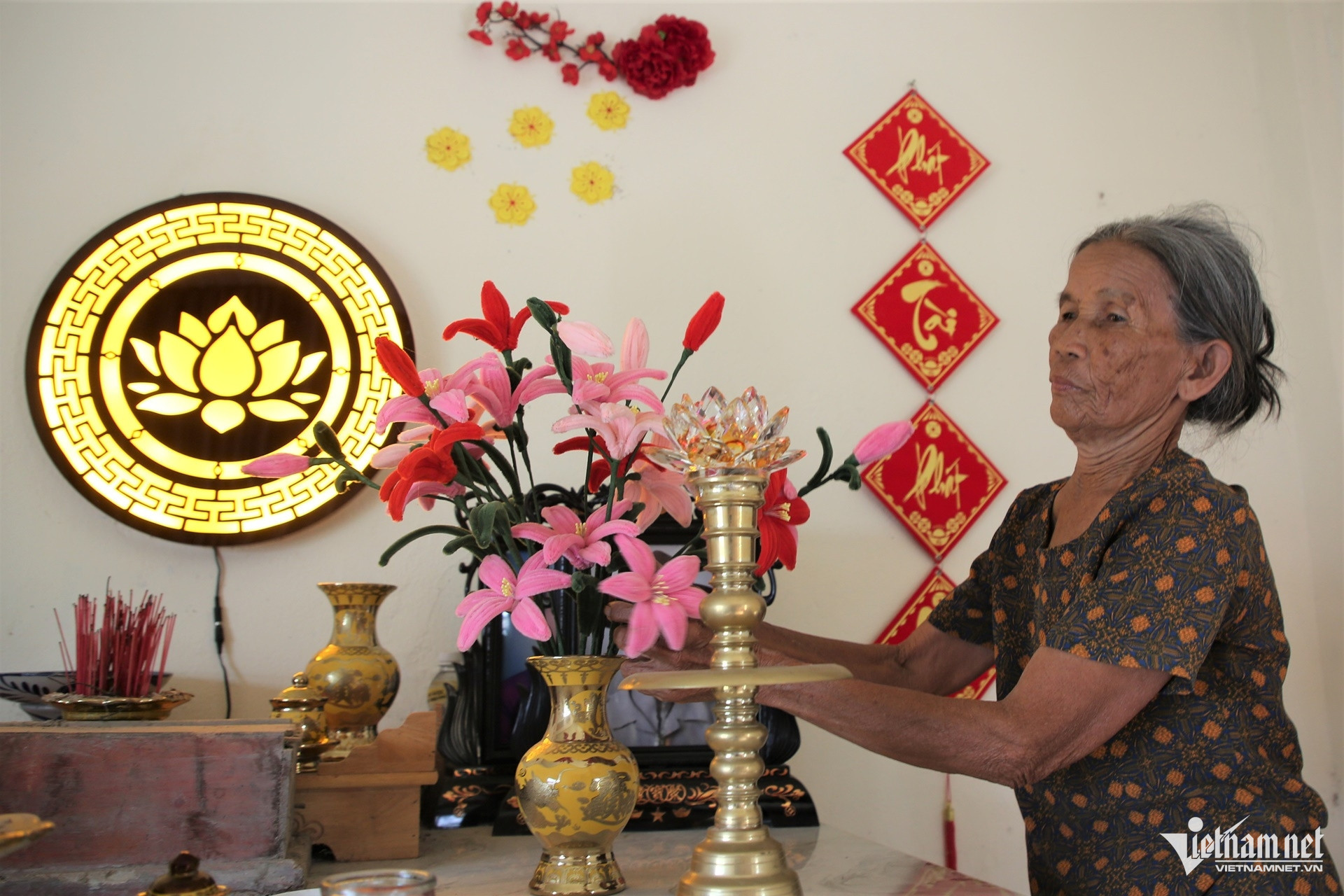
Her family has two fallen soldiers and one Vietnamese Heroic Mother. For more than 40 years, every July 27, she has prepared a meal and called her children and grandchildren home to light incense.
“No matter where they are, the children and grandchildren try to come home so everyone can be together. One day, when I am too old and weak to prepare it myself, they will still have to carry on,” Loan said.
Not far away, the family of Le Thi Thu’s husband has seven fallen soldiers and three Vietnamese Heroic Mothers. Thu, 70, lost her husband, a sick war veteran, five years ago.
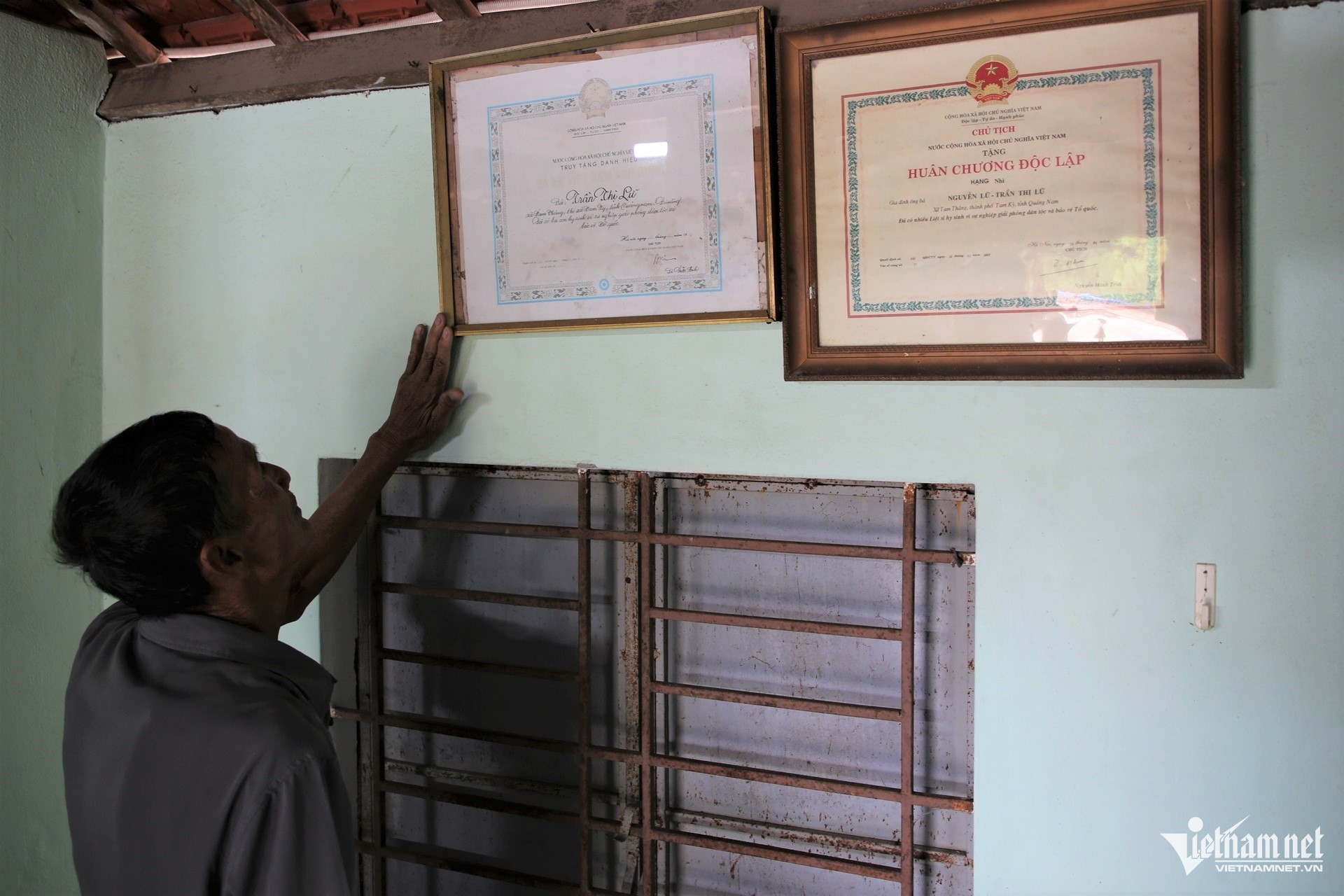
According to Thu, the remains of five fallen soldiers in the family have still not been found. Their individual dates of death are unknown, and no photographs or keepsakes remain. The family hangs certificates honoring their sacrifice around the worship room and observes War Invalids and Martyrs Day each year as a symbolic death anniversary for them.
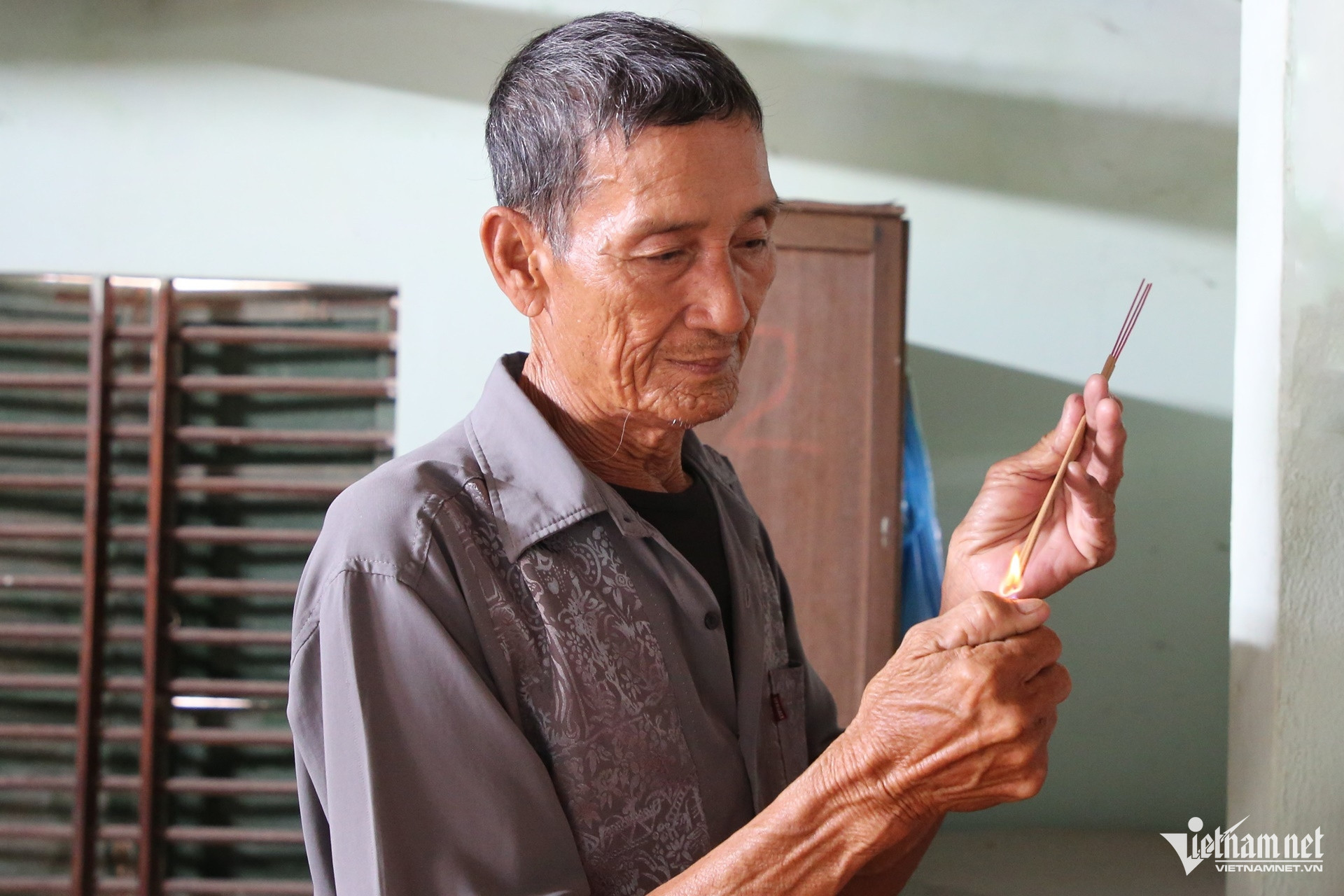
The commemorative meal consists only of familiar everyday dishes. Before placing the food on the altar, family members call out the names of each of the deceased, as if inviting them home to share a meal with their children and grandchildren.
Next door to Thu, Nguyen Dinh Khuong, 72, still hopes that one day the remains of his two elder brothers and sister will be found so he can bring them home.
His family has seven fallen soldiers. His grandmother and mother were both Vietnamese Heroic Mothers. On his wife’s side, his mother-in-law was also a Vietnamese Heroic Mother, while his wife’s elder brother and younger sibling were both fallen soldiers.
“My father, my two elder brothers and one of my sisters were all fallen soldiers. We do not know the dates my brothers and sister died, and their remains have never been found. So, apart from individual death anniversaries for those whose dates of death are known, our family observes July 27 as a shared anniversary for those who have yet to return home,” Khuong said.
For decades, his family has maintained the tradition of preparing an offering meal on War Invalids and Martyrs Day. Khuong said he would ask his children and grandchildren to preserve the family custom after him.
When the government launched its “500 Days and Nights Campaign” to accelerate the search, recovery and identification of fallen soldiers’ remains, Thu and Khuong found new reason to hope.
After more than half a century of waiting, their greatest wish remains the same: to find even a single clue that could help bring their loved ones home.
Huynh Kim Ta, head of the Thach Tan residential group, also grew up in a family that suffered profound losses during the war. His grandmother and mother were both Vietnamese Heroic Mothers, while his father, elder brother and elder sister were all fallen soldiers.
According to Ta, almost every family in the village had someone who joined the revolutionary cause or sacrificed their life. The dates of death of many fallen soldiers remain unknown, while the remains of some have still not been found.
And so, without any formal agreement, July 27 gradually became a shared day of remembrance for the entire village. For families with no surviving relatives, neighbors light incense and hold commemorations on their behalf.
“No one has to tell anyone else. When the day comes, every household prepares a meal, and those living far away arrange to come home. First, we light incense for those who have passed. Then, we want our children and grandchildren to understand that the peace we have today was paid for with the blood and sacrifice of their ancestors. As long as we remember those who fell, the village remains connected to its roots,” Ta said.
More than half a century has passed since the war. The fragile thatched homes of those years have been replaced by sturdy houses. Village roads are clean and well-kept, children chatter on their way to school, and fields and gardens are green once more.
Many descendants of fallen soldiers and wounded veterans have grown up to become military and police officers, carrying on the family tradition and contributing to the building and defense of the country.
People often use the phrase “step outside and you meet a hero” as a figure of speech. But in villages such as Cam Sa and Thach Tan, it is simply true.
On land once engulfed in the smoke and fire of war, kitchen fires are still lit in homes every year for the villages’ shared day of remembrance. People here do not speak of the past in grand words. They simply try to live in a way worthy of those whose names have become immortal - and part of the very heartbeat of their villages.
Ha Nam - Ho Giap
.svg)
