 Vietnamnet.vn

 Podcast



A trend spreading on TikTok - where young Western users experiment with “living like Chinese people” - may appear superficial at first glance. Yet beneath it lies a deeper question: what happens when a generation begins searching for alternative ways of living?
Vietnam cannot remain on the sidelines. It must actively define itself as a viable alternative - or risk fading into the shadow of larger narratives.
A trend that reflects something deeper
“Chinamaxxing” - a term loosely used by Western youth to describe adopting aspects of a Chinese lifestyle.
On the surface, it resembles a typical social media trend: drinking hot water, embracing wellness-focused diets, praising modern infrastructure, or simply experiencing urban life in major Chinese cities.
But at its core, this is not about China alone. It is about a generation searching for different models of living.
What stands out is how the trend spreads - through personal, everyday experiences captured in short videos, framed through the lens of “real people, real life.”
Historically, the most effective forms of soft power have emerged organically. Hollywood achieved this through cinema. American pop music reached global youth in similar ways. Today, TikTok plays that role in a more fragmented and less controllable form.
A paradox emerges: the less something appears “official,” the more influence it carries.
Vietnam: an opportunity that does not arrive on its own
In this context, Vietnam stands before a rare opening.
As the world looks for new ways of living, the space for Asian countries - including Vietnam - is expanding. Vietnam possesses clear advantages: a deeply rooted yet accessible culture, rapidly evolving urban life, and an image of stability and friendliness.
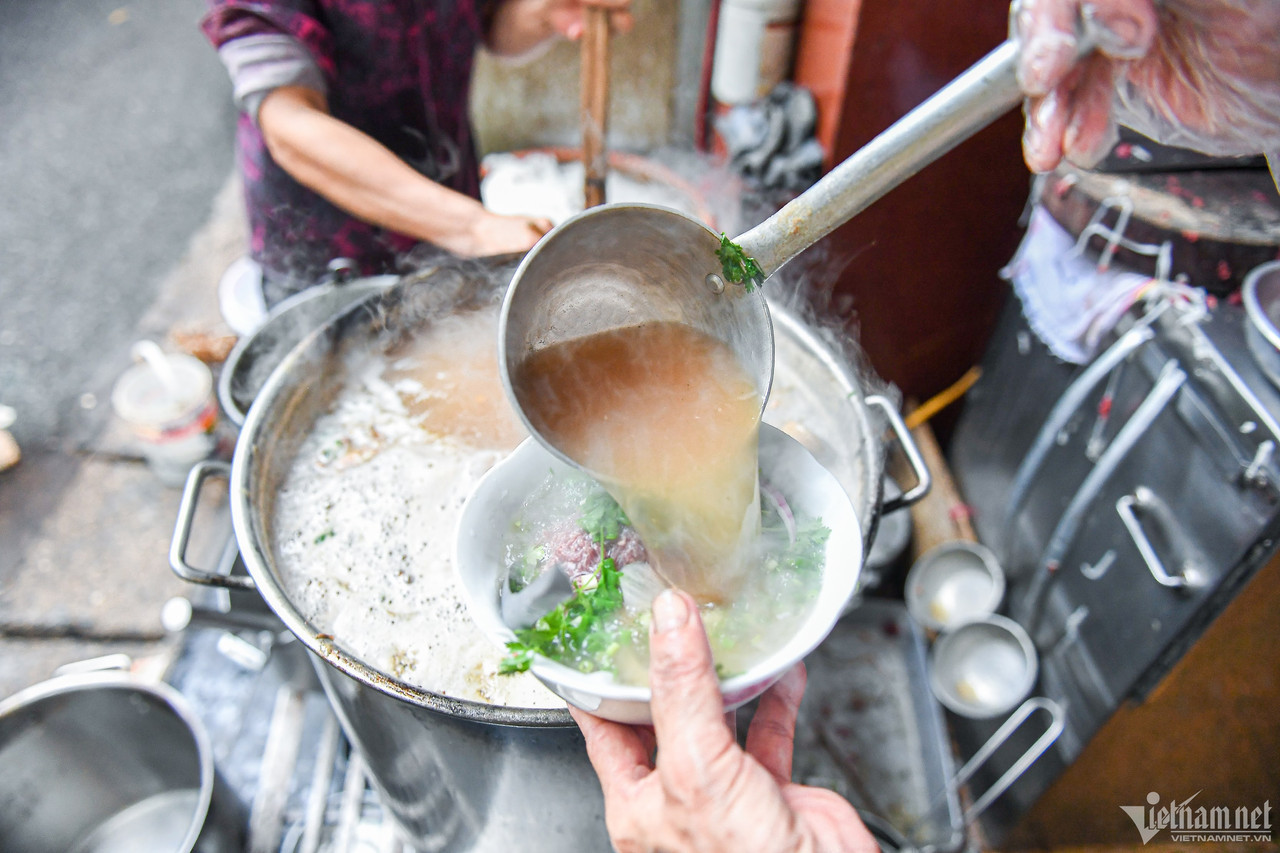
Vietnamese cuisine, from pho to banh mi, has already secured a global presence. Videos about “affordable living,” “street food culture,” or “slow living in Hanoi or Ho Chi Minh City” attract millions of views.
Yet these remain largely spontaneous. There is no cohesive national content strategy, no coordinated effort between media, platforms, and the creative ecosystem, and no overarching narrative strong enough to define Vietnam in the global imagination.
The risk of being overshadowed
Meanwhile, China, with its scale and influence, can quickly become the “default representation of Asia,” particularly for younger audiences.
If that happens, Vietnam faces two risks: being absorbed into a generic image of “Asia,” or being overshadowed entirely - not distinct enough to stand as a unique choice.
This is not a distant possibility. It reflects a fundamental rule of communication: larger narratives tend to eclipse smaller ones unless the latter are sharp and compelling.
Beyond culture: the need for a development narrative
The “Chinamaxxing” trend raises a direct question for Vietnam: does the country have a strong enough development narrative to present to the world?
If Vietnam remains defined by “affordable, delicious, easy to live in,” those are short-term advantages. To become a long-term choice, a deeper layer is needed: social stability, meaningful opportunities, and a reliable quality of life.
So what path should Vietnam take? It cannot replicate China, nor return to one-way communication models.
First, it must tell its story differently - not through slogans, but through authentic experiences, real people, and everyday life.
Second, it needs to build a national content ecosystem, involving international creators based in Vietnam, producing multilingual, cross-platform content, guided by professional journalism.
Third, Vietnam must clearly position itself not only as a travel destination, but as a dynamic society, a culture with depth, and a country worth living in over the long term.
“Chinamaxxing” may be just a trend. But what it reflects is far from temporary - it is part of a broader search for alternatives.
In that search, will Vietnam become a storyteller, or merely a backdrop in someone else’s story? The answer does not lie on TikTok. It lies in how Vietnam understands itself - and how it chooses to tell its story to the world.
Nguyen Duc Truong
.svg)
