 Vietnamnet.vn

 Podcast



For those seeking a different side of Hanoi, a one-day journey through ancient villages and traditional crafts offers a window into the city’s rich cultural heritage.
The tour brings visitors to Cuu Village - once renowned for its wealth and charm - then to the inlay lacquer village of Chuyen My, and finally to Van Tu, famed for its suit tailoring tradition.
Discover the vibrant “Essence of Vietnamese craft villages”
In October 2025, the Hanoi Department of Tourism launched three new tour packages under the theme “Essence convergence,” including: “Southern Thang Long Heritage Road – Essence of Vietnamese Craft Villages,” “Path of Confucian Heritage,” and “Tuong Phieu Blossoms.”
Among them, the "Southern Thang Long Heritage Road" connects the four communes of Dai Thanh, Hong Van, Ngoc Hoi, and Chuyen My. The tour invites travelers to explore centuries-old craft villages that have endured through generations.
Visitors can admire the refined lacquer art of Ha Thai Village, immerse themselves in the East-West blend of Cuu Village, learn about the craft of traditional suit tailoring, taste royal chrysanthemum wine in Ngau Village, and experience the unique folk beliefs of Phuc Am Village. Each stop reveals a story of cultural fusion and creativity, painting a vivid portrait of the “Essence of Vietnamese craft villages.”
Cuu Village: A timeless gem
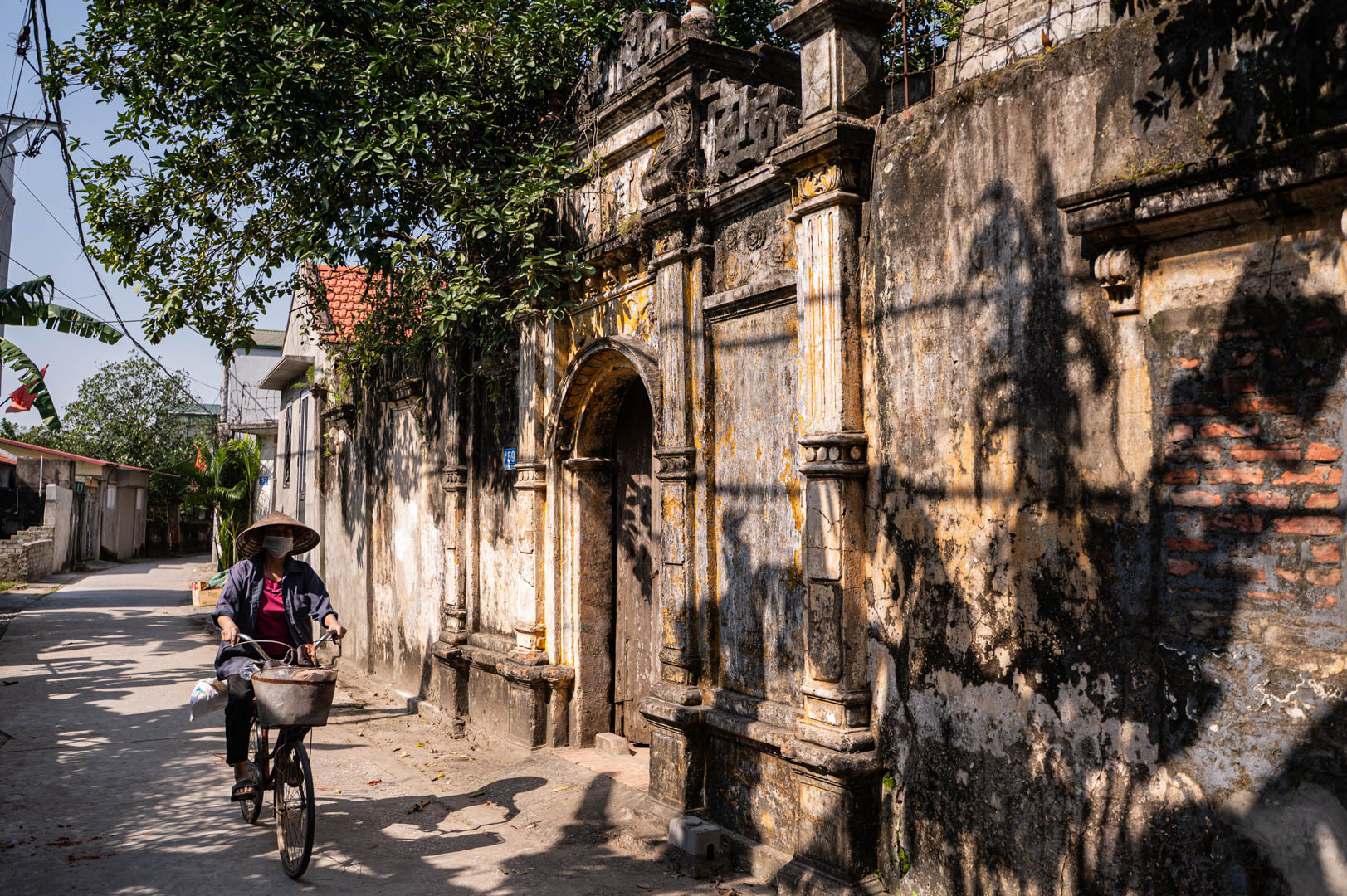
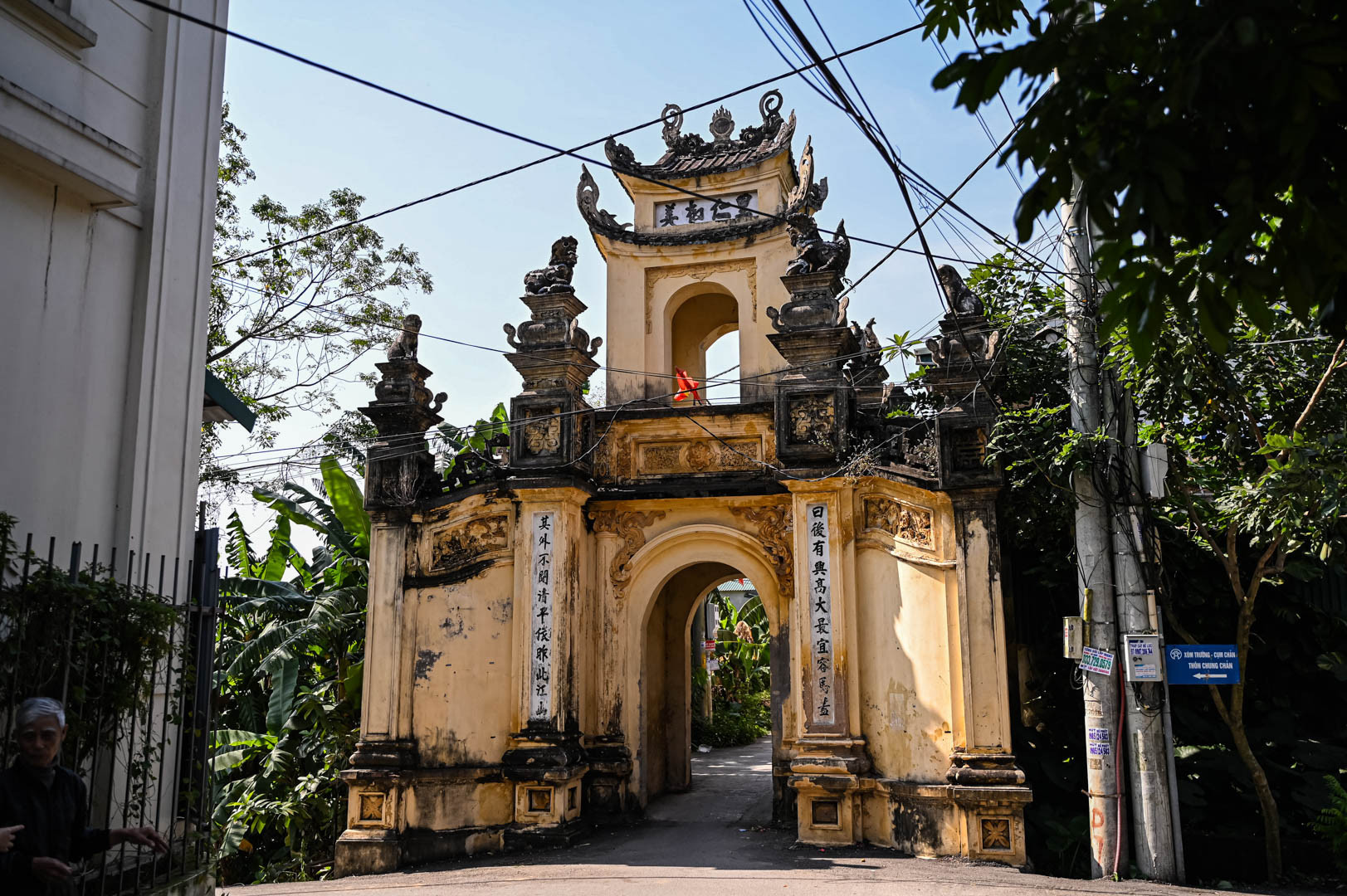
Today, Chuyen My Commune is collaborating with the Hanoi Department of Tourism to improve the quality of tourism services in Cuu Village and connect with travel agencies, especially to attract international tourists to both the village and the broader Chuyen My area.
Cuu Village captivates with its tranquil, nostalgic charm, lined with hundred-year-old houses showcasing unique architecture.
The village gate is a striking structure with layered roofs and staircases, built in the style of an open book - symbolizing the opening of a grand story for guests.
Located about 40 kilometers south of central Hanoi, Chuyen My is a cultural cradle that preserves numerous intangible heritage values. Notably, Tu Can and Gie Ha Communal Houses, built during the Le Dynasty, have been designated as national historical sites.
The ancestral temple dedicated to the founder of the inlay craft is also a national heritage site, commemorating those who established and preserved this traditional lacquer inlay technique.
Often referred to as a “living museum,” Cuu Village draws architecture enthusiasts, photographers, and history buffs. It blends traditional elements - banyan trees, village wells, communal courtyards - with French-style two- to three-story villas. These colonial-era mansions are architectural testimonies to the village's former affluence, once earned through its prestigious suit-making industry.
Beyond Cuu Village, travelers can explore three other traditional craft villages officially recognized by the city: Van Tu for suit tailoring, Chuyen My for lacquer inlay, and Phu Yen for leather shoes.
Van Tu: The tailoring capital
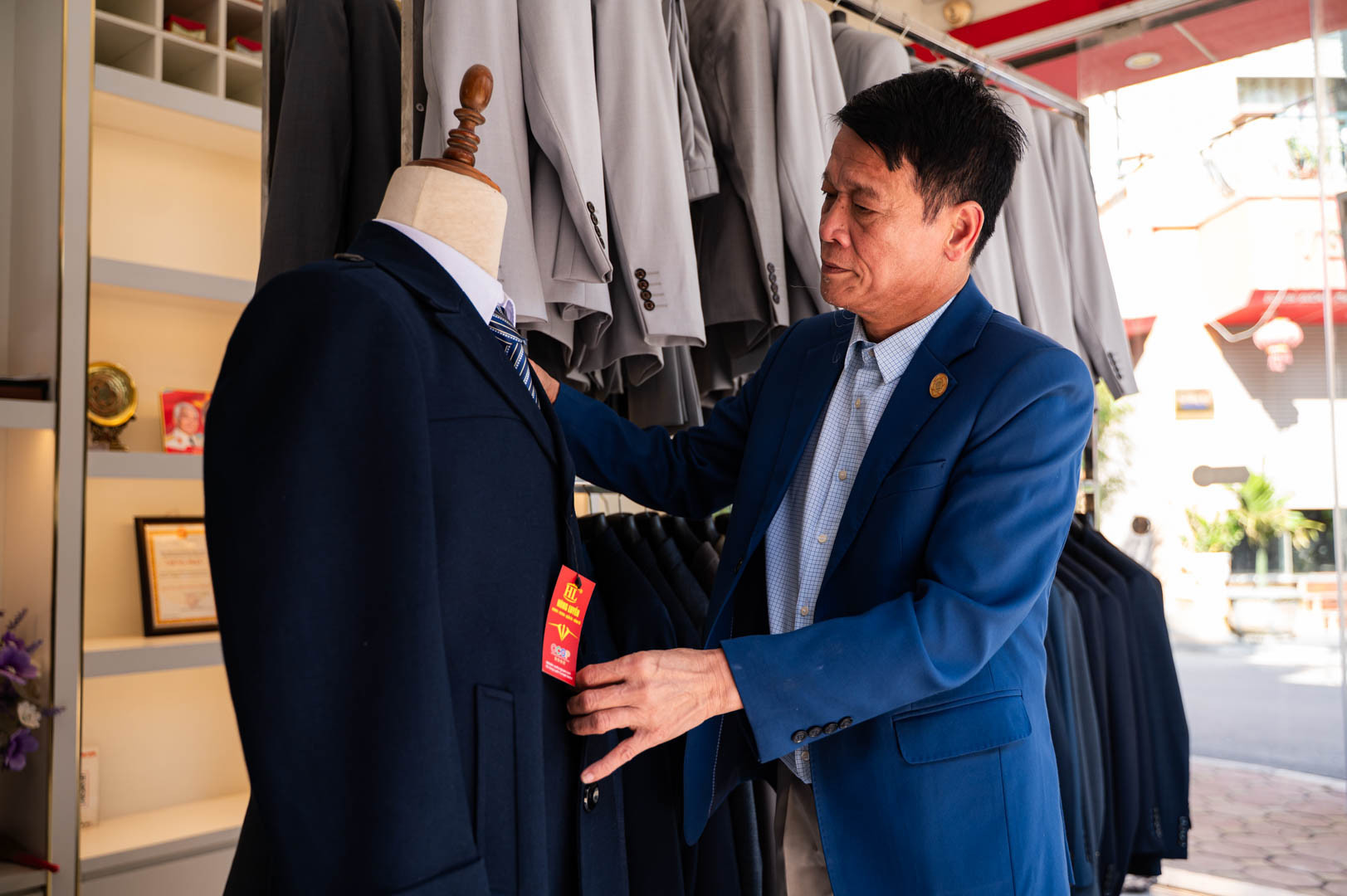
Van Tu is widely known for its century-old tradition of tailoring Western suits. Despite changes over time, the village has maintained its craft, now boasting around 1,000 tailoring and retail establishments. Many of its bespoke products are popular both domestically and internationally.
Tourism and craft preservation go hand in hand
Dao Ngoc Hung, Director of Hung Luyen Garment Co., Ltd., shared: “Beyond production and business, we are ready to innovate and collaborate with local authorities to develop tourism. Visitors can explore cultural and historical sites, then visit tailoring shops to observe suit-making processes, choose designs, and even get fitted.”
To support the local craft industry, Chuyen My Commune has launched an e-commerce platform, organized online sales training sessions, livestream workshops, and utilized social media to broaden customer outreach.
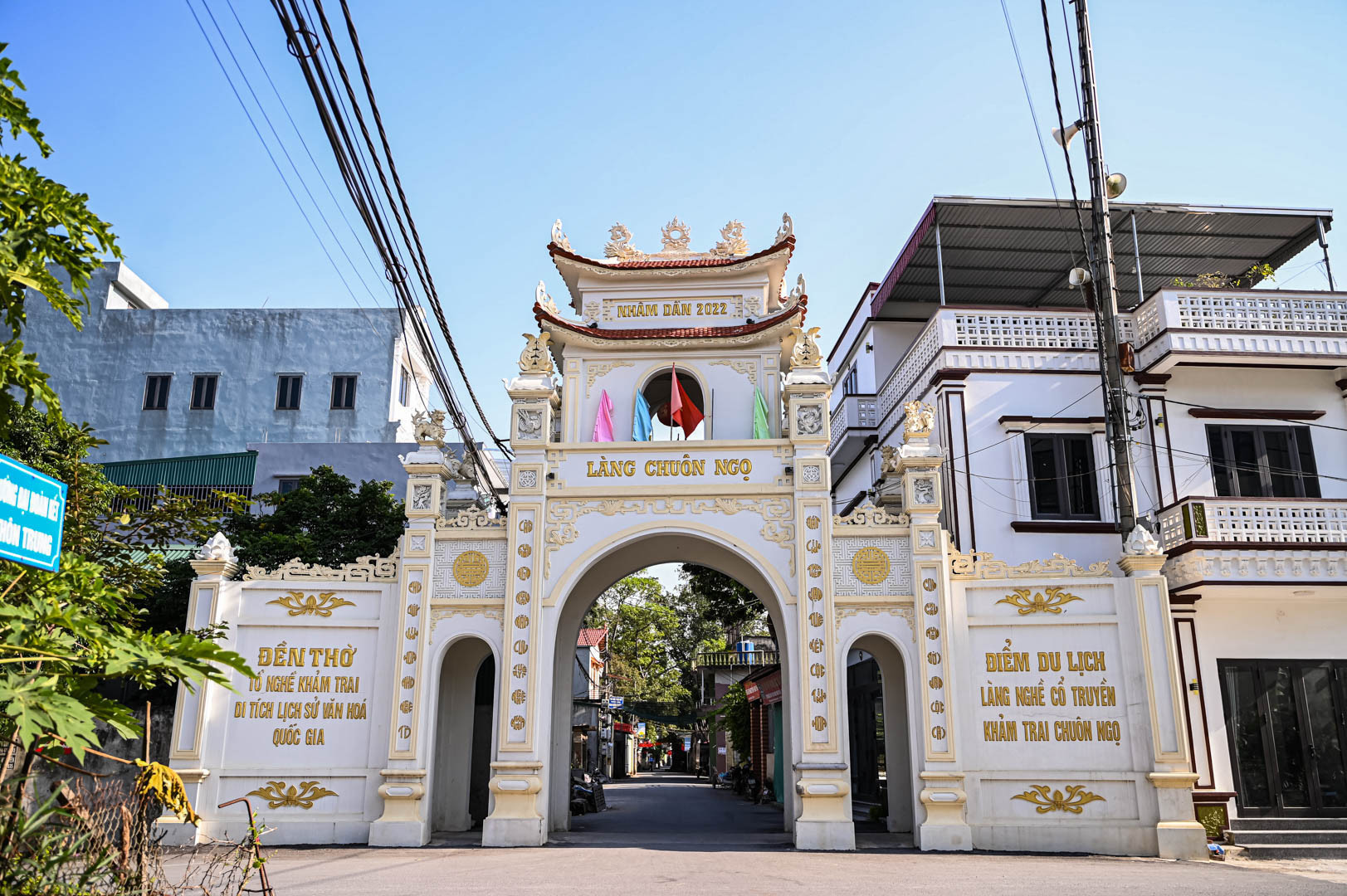
Those with a passion for inlaid lacquer art and elegant souvenirs should visit the Chuon Ngo inlay village, where many artisan families still practice the craft. These craftsmen warmly welcome visitors who wish to observe each step of the meticulous lacquer inlay process.
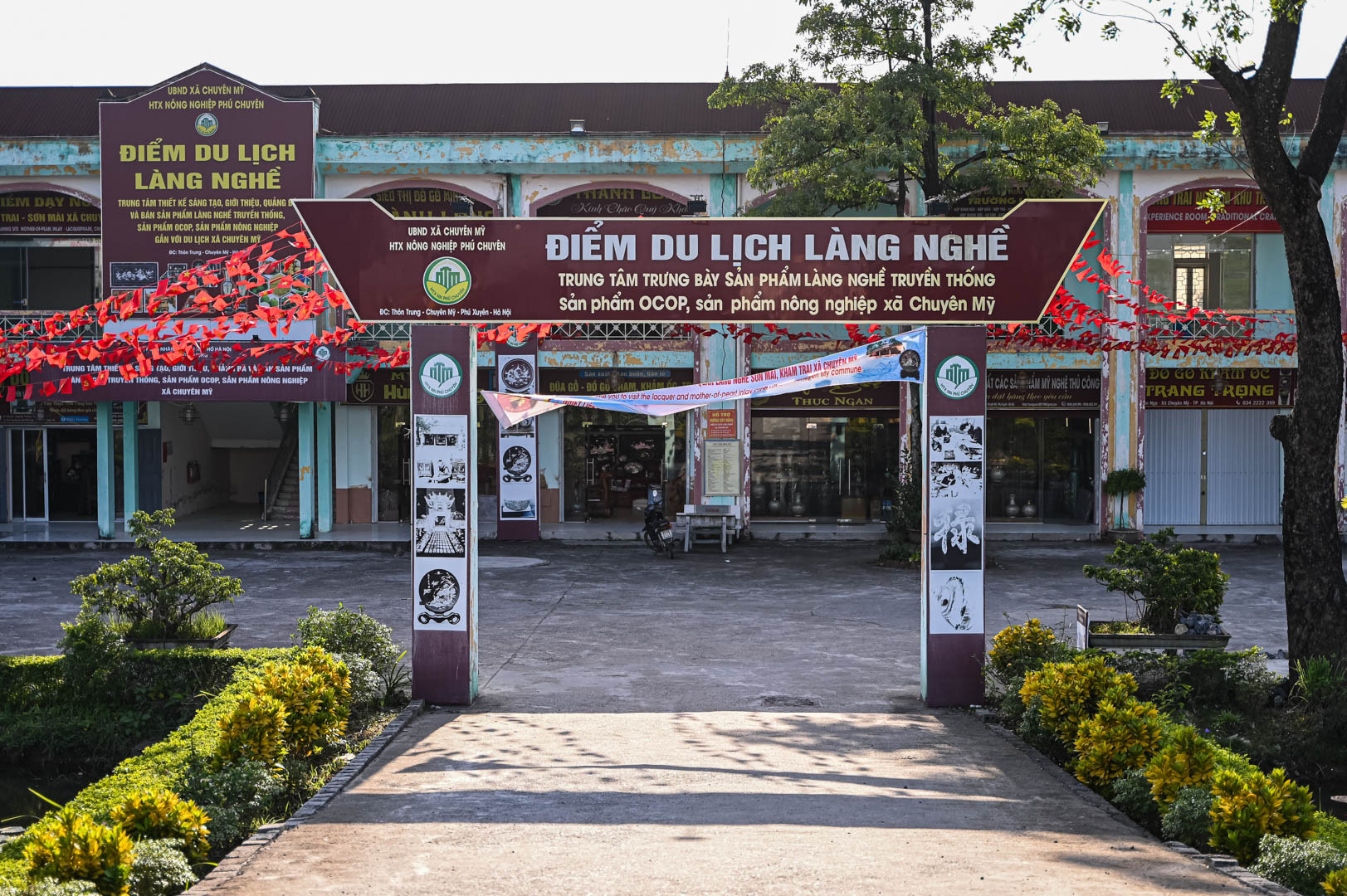
Chuyen My has also transformed a former elementary school into a 12,000-square-meter tourism and product display center. This center serves as a creative design hub, promoting OCOP (One Commune One Product) goods linked with tourism. It’s a city-recognized model that combines heritage conservation with tourism development, preserving cultural identity while generating sustainable livelihoods for the community.
Linh Trang
.svg)
