 Vietnamnet.vn

 Podcast



One could give this period a name: the moment Vietnamese music recognized its own capacity for growth. Concerts are no longer extravagant dreams but have become a new standard of creativity.
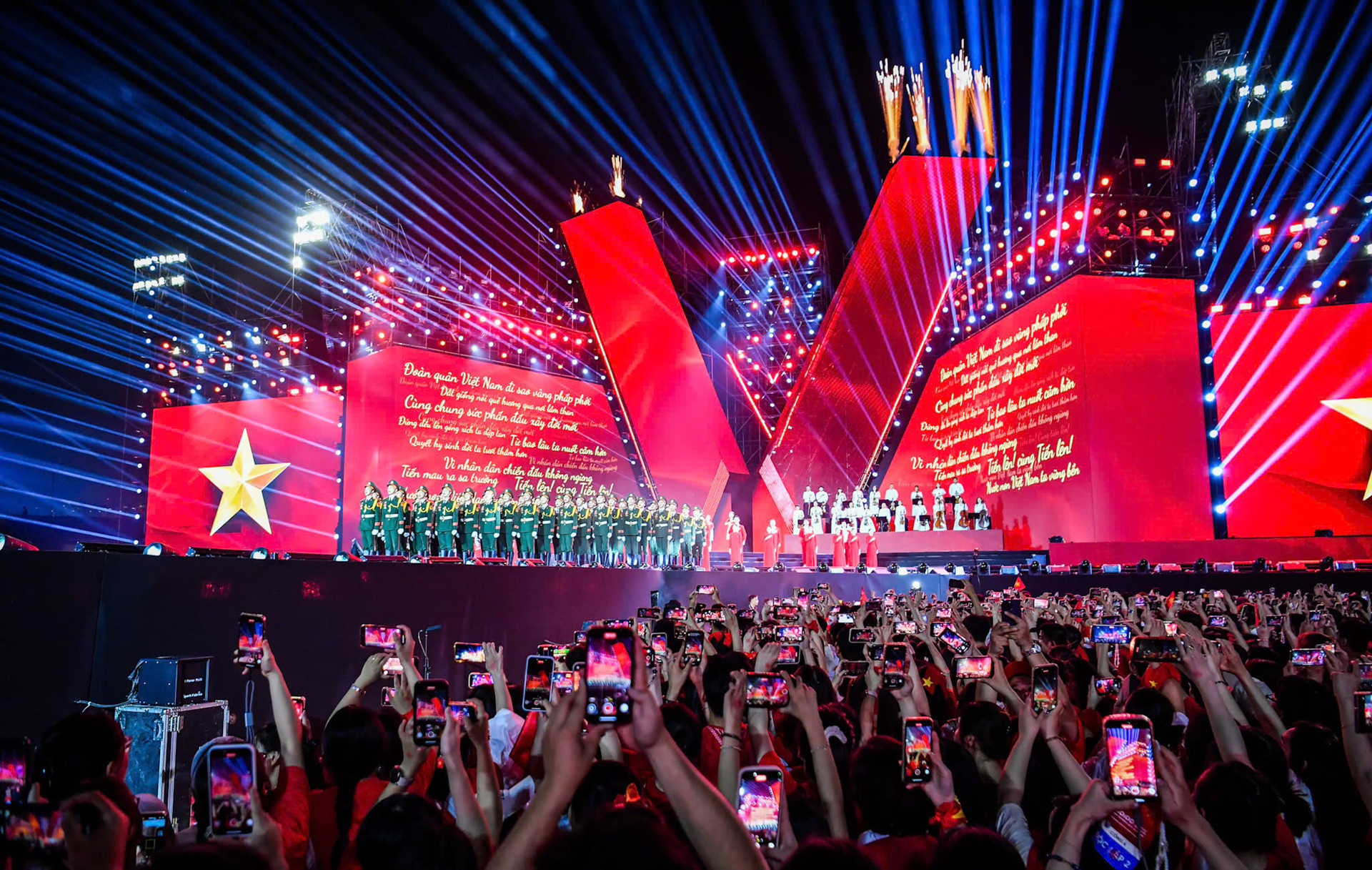
If one image were to capture the past year in music, it would be the glow of large stages - now the destination many in the industry aspire to reach. Diversity still thrives: stadium shows drawing tens of thousands, intimate mini tours, young artists daring to carve new identities, and seasoned performers entering their most mature chapters. At the heart of these stages stands a new generation of audiences - more discerning, more demanding and willing to pay for quality experiences.
What makes this year’s concerts remarkable is not their quantity, but the way they exist. Many artists want not only to sing but to tell stories. Some concerts carry a distinct personal imprint; others reach production standards close to regional benchmarks. A few nights have even evoked the coming-of-age moments of major global music industries - where ambition, investment and professional operation signal that music is treated as a serious economic sector.
The most profound shift may have come from the audience. In an era saturated by streaming, people crave real moments - experiences that cannot be rewound or replicated. Concerts offer a space to step away from screens, where emotions are amplified and music becomes tangible.
Alongside this is the maturity of a new generation of artists. After nearly a decade in the profession, many have accumulated enough material and lived experience to build stages of their own. Even younger performers want to move beyond viral hits, seeking to meet audiences through live music - where weaknesses cannot be hidden, and technical fixes or visual embellishments cannot mask shortcomings.
Quality, however, remains uneven. Some concerts are louder in publicity than in substance. Others invest heavily in visuals while neglecting the soul of the music. In certain cases, the artistic narrative lacks the depth needed to hold audiences from beginning to end.
Concerts are not merely about artists or fans. Within the broader cultural industry, music is among the most visible economic contributors: generating revenue, stimulating tourism, amplifying media presence and helping shape the identity of localities. It stands as a vivid example of the strategy to transform culture into a sustainable development resource.
Several trends are becoming increasingly clear.
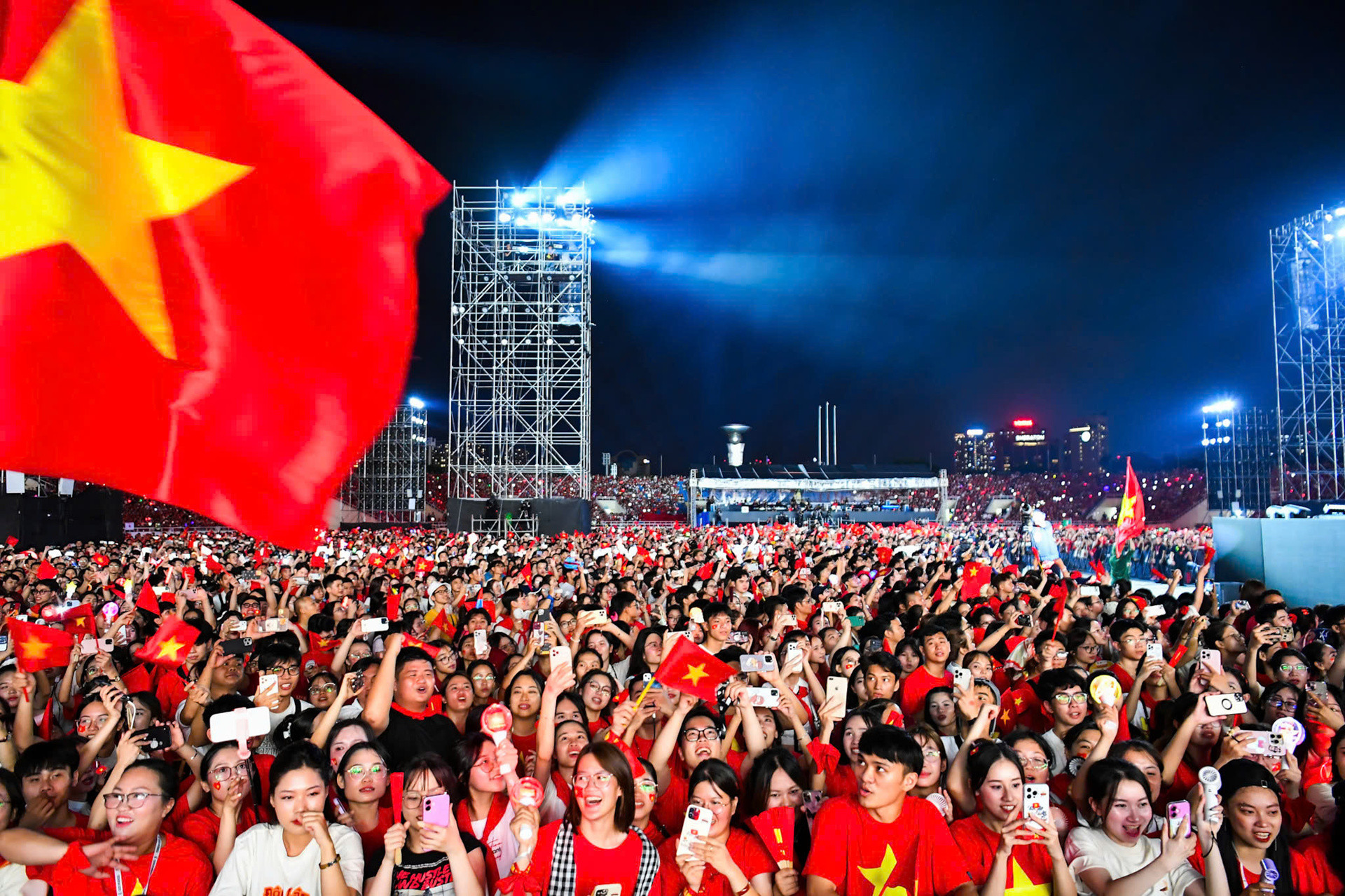
First, concerts are likely to move toward depth rather than volume. Audiences are now refined enough to choose carefully. They seek genuine stories, immersive experiences and authentic quality.
Second, domestic touring will expand beyond Hanoi, Ho Chi Minh City and Da Nang, gradually reaching other provinces. Ninh Binh, Quang Ninh, Can Tho and Khanh Hoa could well become year-round concert destinations.
Third, creative disciplines will intersect more powerfully. From fashion and visual arts to performance technology and stage design - models demonstrated by the Ho Do International Music Festival and City Tet Fest in their recent editions - each city may cultivate a distinctive identity, turning festivals into holistic cultural experiences.
Yet for concerts to truly reign and endure, performance infrastructure must be addressed. Stadiums, public squares and theaters need to be built or upgraded to modern performance standards. It is no longer viable to organize concerts by simply finding an empty lot and improvising a stage each time.
A sustainable market also requires product diversity. At present, most concerts focus on the mainstream segment. Only when audiences can buy tickets across genres - from indie and jazz to world music and contemporary symphony - will the picture feel complete.
Even so, the past year has revealed something special about the Vietnamese relationship with music. People do not merely listen - they travel, stand, cheer, cry and laugh alongside it. Concerts have thus become more than entertainment products; they are spaces where artists and audiences meet in authenticity.
This period may well be remembered as the moment Vietnamese music recognized its own potential. When concerts ceased to be costly fantasies and became the new creative benchmark.
And perhaps, this is only the beginning.
Musician Huy Tuan
.svg)
