 Vietnamnet.vn

 Podcast



According to Tran Quang Thang, Director of the Ho Chi Minh City Institute of Economics and Management, the groundbreaking policies recently approved by the National Assembly lay the foundation for transformative change.
But for the city to realize its full potential - both domestically and across Southeast Asia - it must fully leverage its new role as a key growth engine.
More power, more responsibility: The need for deeper decentralization
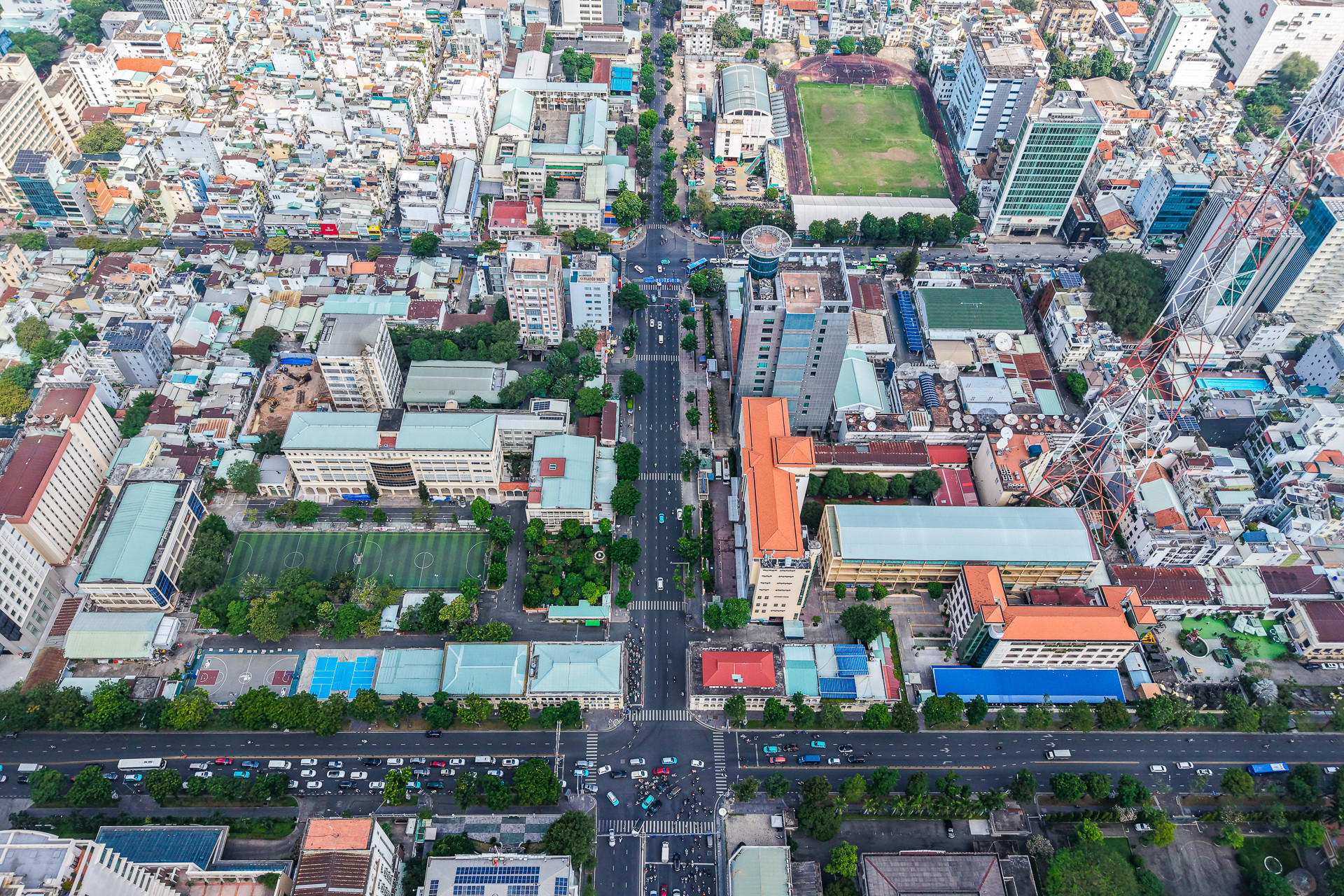
Photo: Hue Nguyen
The draft political report for the 14th Party Congress emphasizes major strategic tasks: advancing a socialist-oriented market economy, restructuring state-owned enterprises, boosting the private sector, and driving scientific innovation and digital transformation.
How should Ho Chi Minh City - the country’s economic locomotive - bring these visions to life?
Thang argues that delivering on these goals requires simultaneous reforms: completing the market economy framework, supporting private enterprise, and adopting a new, innovation-driven growth model.
This means slashing bureaucratic red tape, ensuring fair competition, and enhancing transparency in land, investment and financial policies.
The state sector must be restructured with a focus on key industries, modern management practices, and a clear separation between ownership and regulatory roles.
Meanwhile, private businesses - especially small and medium enterprises - need better access to capital, land and technology.
Vietnam’s new growth model should emphasize quality over quantity: higher productivity, innovation, and hi-tech industries such as manufacturing, logistics, and advanced services.
A breakthrough in science, tech, and digital transformation is crucial, Thang says. This includes fostering an innovation ecosystem and scaling up future industries like semiconductors, AI, biotech, renewable energy, automation and smart manufacturing.
Given that Ho Chi Minh City contributes 20–22% of national GDP, its role is vital. The city enjoys many advantages: economic scale, human capital, an innovation ecosystem, and major transport infrastructure.
Still, challenges remain - overstretched infrastructure, limited development space, rigid management systems, and a shortage of public investment and high-quality talent.
The newly approved policies aim to unlock solutions. These include a pilot Free Trade Zone (FTZ) with generous incentives for taxation, investment and foreign currency use; the right to retain 100% of revenues from Transit-Oriented Development (TOD) land use; and expanded autonomy in planning and budgeting.
These mechanisms provide a crucial springboard. But to truly lead on a regional scale, Thang says the city must go even further - especially in decentralization, financial independence, human resources and regional integration.
From management to orchestration: Becoming a regional ‘conductor’
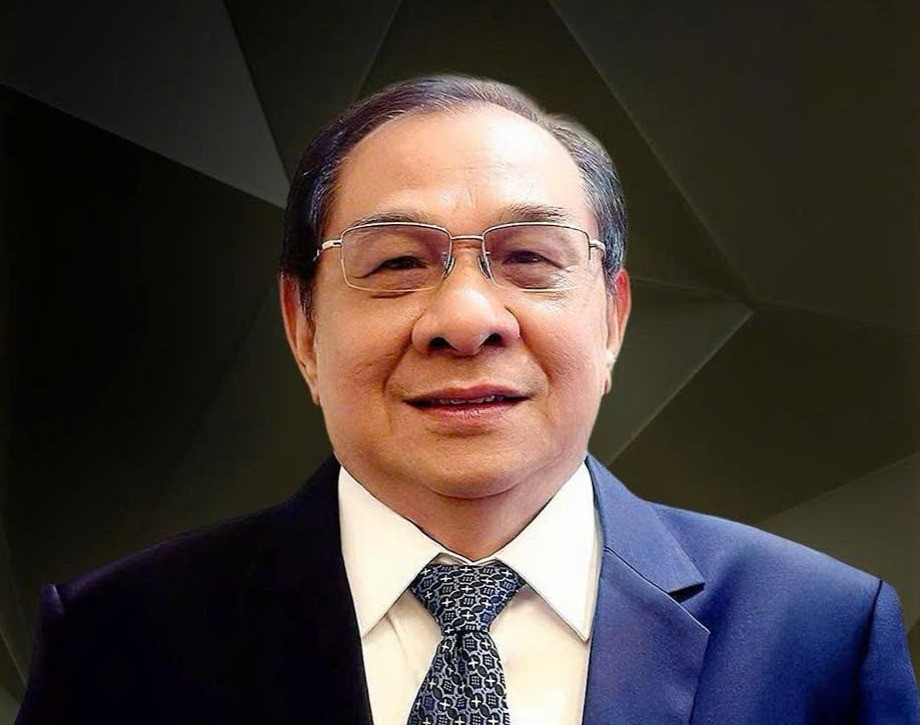
Mr. Tran Quang Thang, Director of the Ho Chi Minh City Institute of Economics and Management.
The draft report also urges “enhanced regional linkages and spatial reorganization aligned with new administrative systems; shifting from management to governance; and building development criteria based on local potential and strengths.”
So how should the newly expanded Ho Chi Minh City seize these directives?
Thang says the city is already moving to reconfigure development zones, invest in interregional infrastructure, and embrace new governance models. The goal: become a true Asian megacity and a regional hub for economy, finance and logistics.
The merger - absorbing Binh Duong and Ba Ria–Vung Tau - presents both vast opportunities and fresh challenges. But clinging to traditional administrative thinking would limit the city’s potential.
Instead, planning must follow economic–regional logic, not old borders.
First, regional and intra-regional linkages must be at the core of development. The expanded city now forms a new economic ecosystem, integrating industry, seaports, logistics, and finance.
This opens up greater use of the Cai Mep–Thi Vai deep-sea port system, high-tech industrial parks in Binh Duong, and finance–trade services in HCMC’s urban core. Together, these can anchor globally competitive coastal economic corridors.
The city must also upgrade multi-modal transport infrastructure - highways, railways, metro lines, ports and airports. Plans include expanding metro links to Binh Duong and developing inter-provincial urban rail networks.
New schools, hospitals and urban zones must be designed to support the needs of a megacity population.
Equally crucial is rethinking governance. Ho Chi Minh City must go beyond administrative efficiency and become the “conductor” of a regional development symphony, coordinating across provinces with clear roles and mechanisms.
Performance metrics should reflect each area’s strength: logistics and ports in Ba Ria–Vung Tau, hi-tech manufacturing in Binh Duong, and finance and services in HCMC.
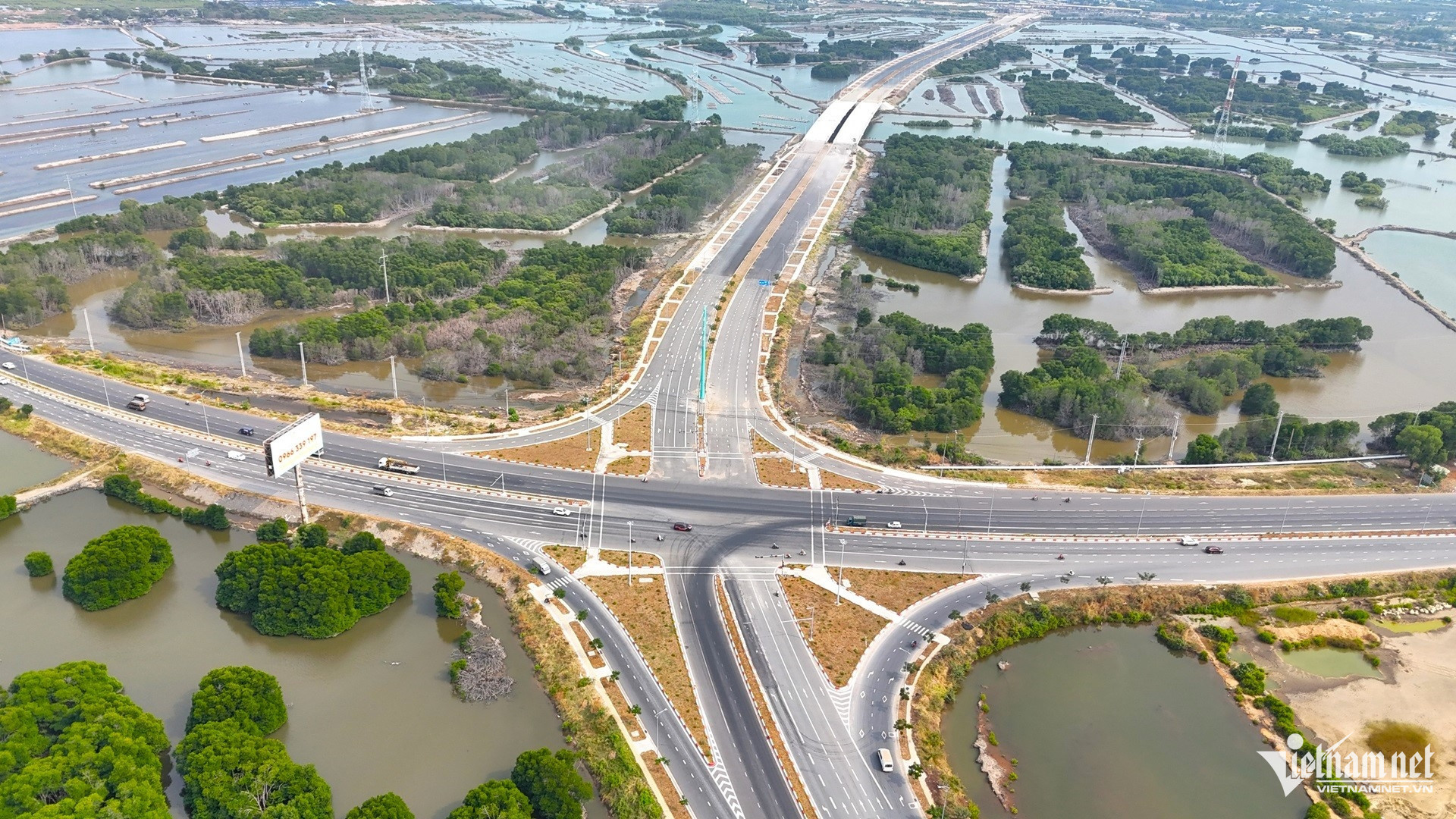
The administrative streamlining after the merger - cutting units from 273 to 102 - will also enhance efficiency and decision-making speed.
Ultimately, if it succeeds in assuming this pivotal role, Ho Chi Minh City will not only lead national growth, but help drive prosperity across the Southern Key Economic Region.
With Binh Duong as a high-tech industrial engine, and Vung Tau as a gateway for maritime trade and tourism, the city can form a powerful growth triangle - connecting the Southeast with the Central Highlands and the Mekong Delta.
If managed well, post-merger Ho Chi Minh City could emerge not only as Vietnam’s growth pole - but as a regional powerhouse.
Ngan Anh
.svg)
