 Vietnamnet.vn

 Podcast



Dalton Rhone, a traveler from the United States, recently visited Vietnam and explored several provinces including Hanoi, Ninh Binh, Hoa Binh, and Thanh Hoa.
He described Ninh Binh as one of the most captivating destinations in northern Vietnam, famous for its stunning landscapes and flavorful food.
Among the culinary highlights, one dish stood out as a signature of the region: fish stewed with “gao” fruit.

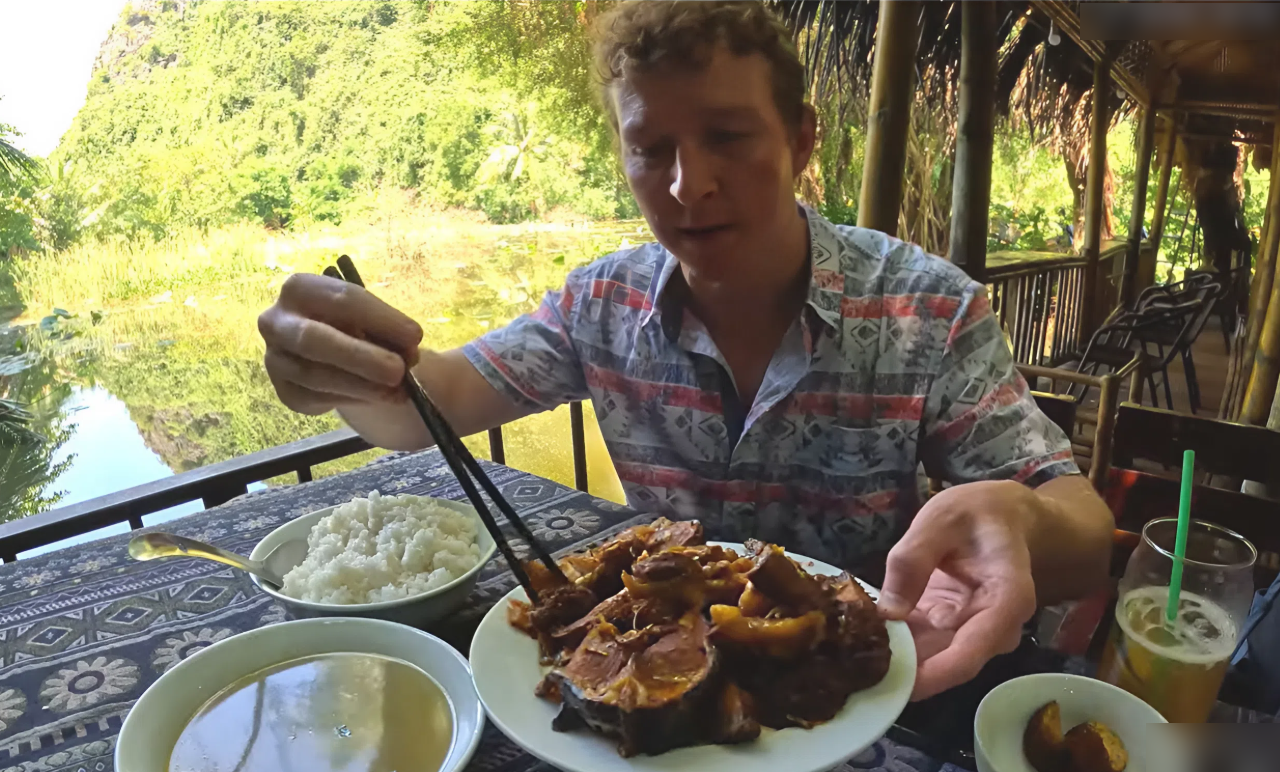
At first glance, many mistake the name “fish stewed with gao” as referring to a cooking method involving a ladle (gáo in Vietnamese), similar to how fish is stewed in clay pots. But in fact, the dish uses the gao fruit, native to Ninh Binh and some southern provinces.
The stew can be made with either ripe or green gao fruit. Ripe gao is bright yellow with a mildly sour flavor, while unripe gao offers a tart, astringent taste similar to unripe figs.
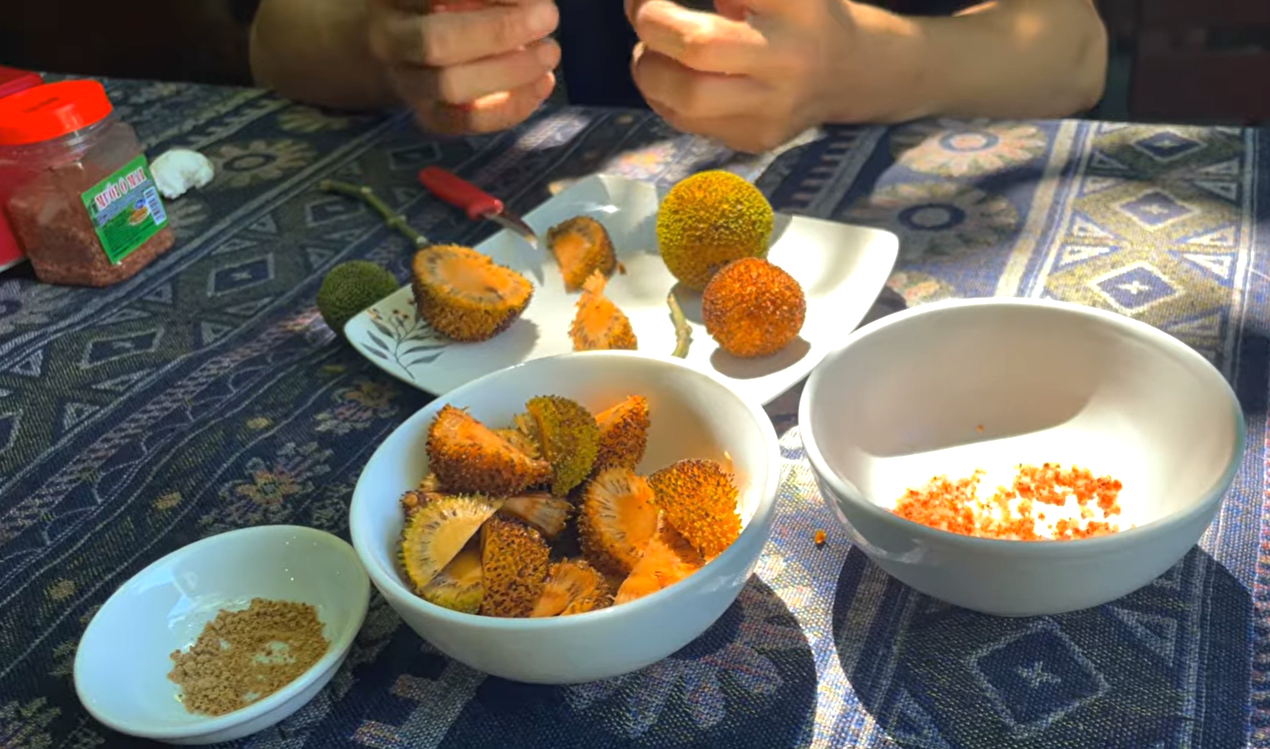
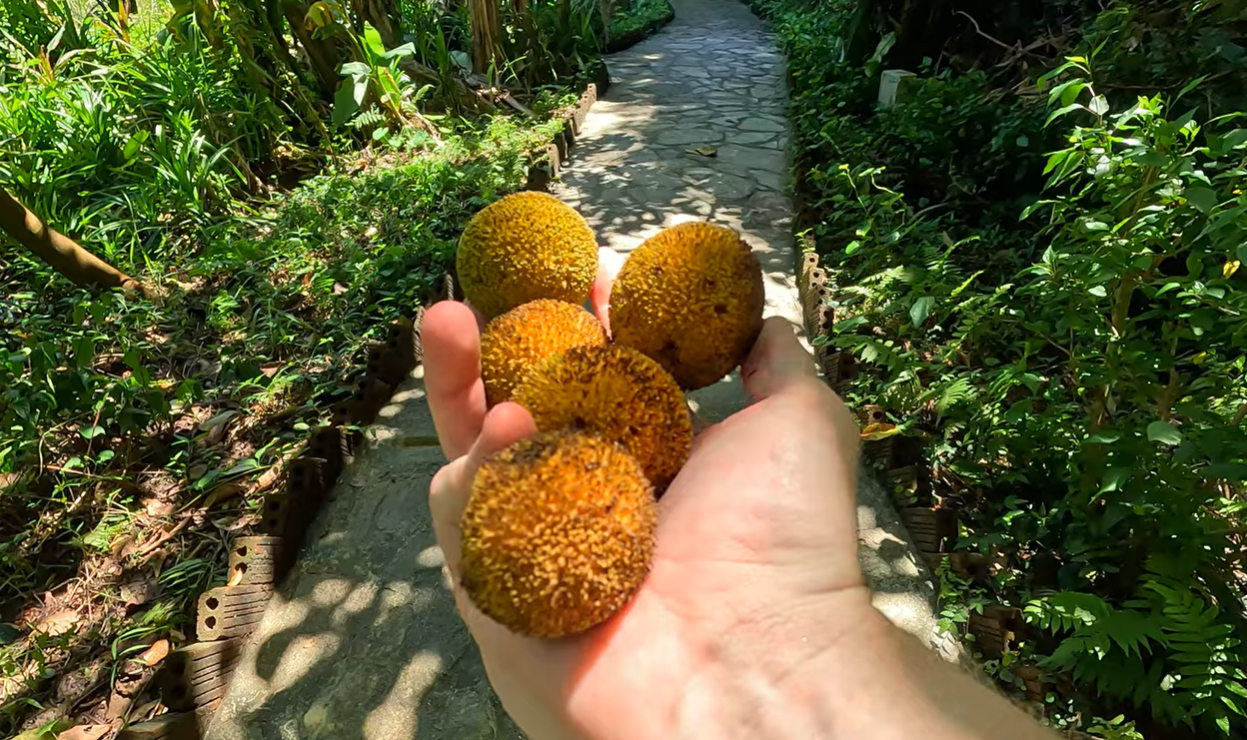
Dalton shared that the homestay where he stayed in Ninh Binh had a gao tree. The staff invited him to pick and taste the fruit, turning it into an unexpected local experience.
“I felt lucky to visit Ninh Binh during the gao harvest season, around September to October. It was a unique chance to try this rare fruit,” Dalton said.
According to him, locals often eat gao fruit with salt. It can be enjoyed while still green for its sourness, or when ripe, offering a flavor reminiscent of blueberries.
“It’s really hard to describe. Some say it looks like rambutan, but the taste is nothing like it,” he added.
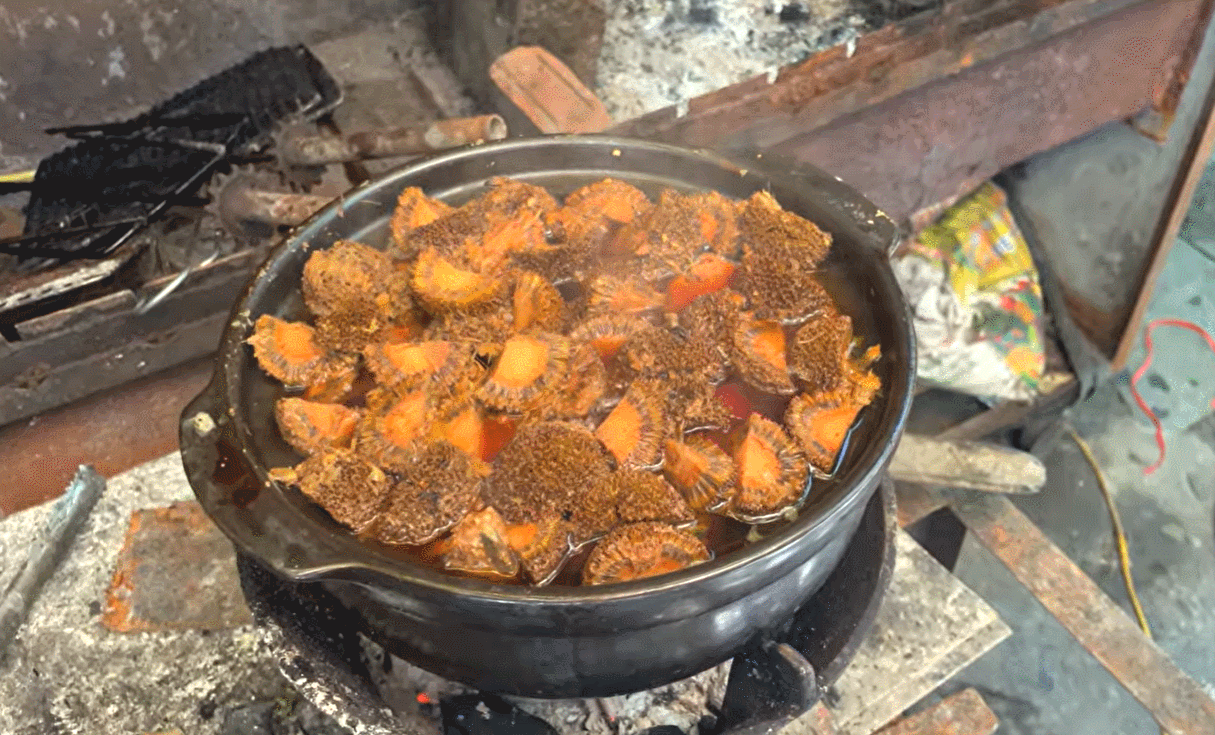
Dalton was especially impressed by the gao fish stew.
“The dish combines rich flavors from fish and pork belly with the subtle sweetness of the gao fruit, creating a fruity yet savory taste I’ve never encountered before.
Not only that - the gao fruit stays slightly crunchy even after hours of stewing, giving it a very satisfying texture that contrasts beautifully with the tender meat and fish,” he explained.
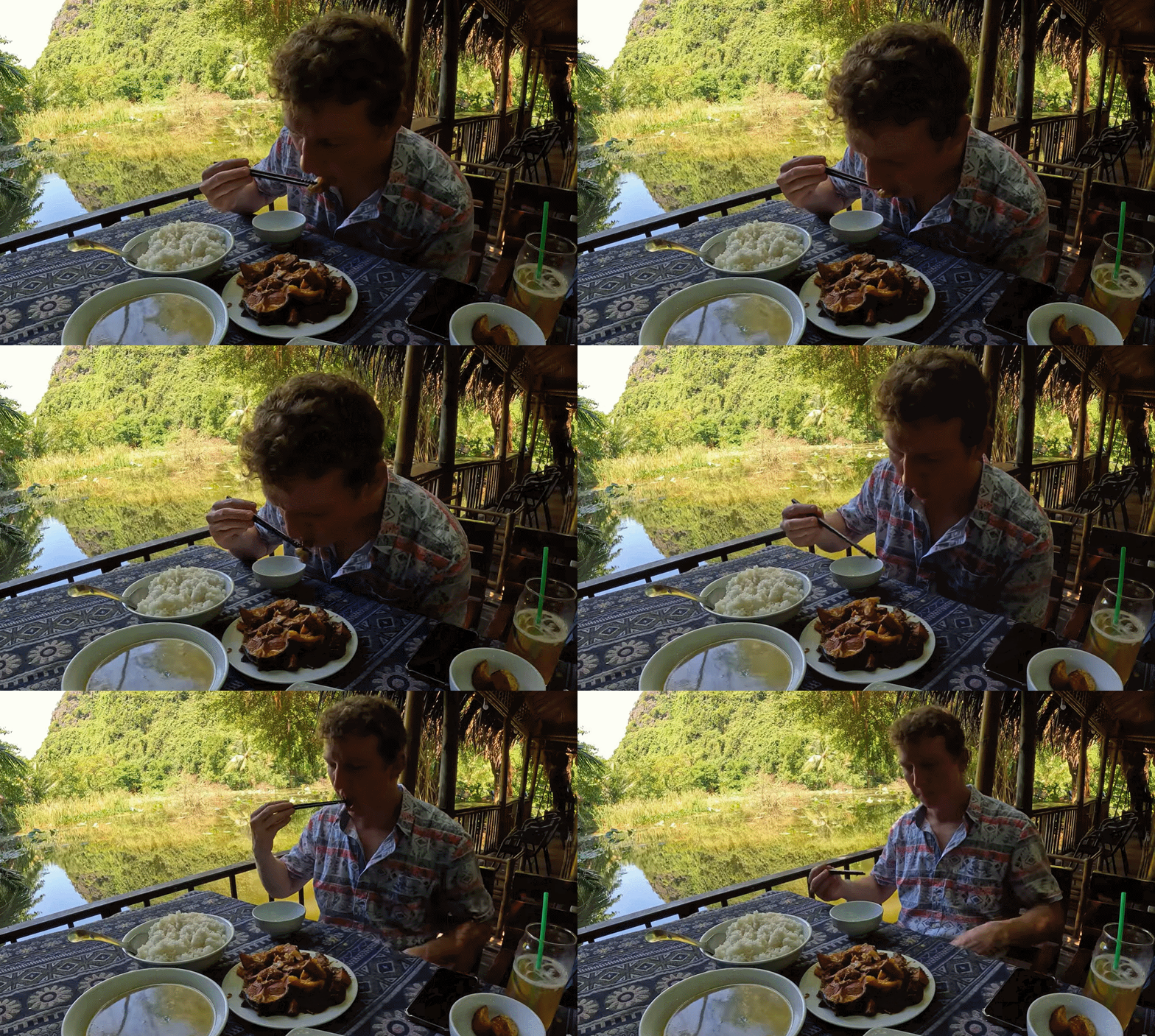
After the meal, Dalton couldn’t hide his excitement. He called fish stewed with gao an extraordinary dish, unlike anything he had tasted in Vietnam or elsewhere.
“This is a dish you absolutely must try if you come to Ninh Binh,” he declared.
Nguyen Hong Thu Trang, a local in the tourism business who has both prepared and tasted the dish many times, shared that locals typically use snakehead fish or field perch for the stew.
The fish must be fresh - either cut into chunks or stewed whole. The gao fruit is halved or sliced and soaked in water to prevent discoloration.

Photo credits: Dalton Rhone
To make the dish more flavorful and juicy, locals often add pork belly, along with fish sauce, pepper, and caramel sauce to enhance the color and aroma.
Before cooking, a layer of ginger, lemongrass, and galangal is placed at the bottom of the clay pot to infuse fragrance and prevent burning as the stew simmers down.
The gao fruit is placed on top, as it cooks quickly and allows its tangy essence to seep down into the fish and meat.
“The stew is best when slow-cooked in a clay pot over a wood fire for several hours. When done, the fish is firm but tender, with a deep, fragrant aroma.
It’s perfect with hot rice, especially in winter. Gao fruit’s slightly nutty, sour flavor - similar to figs - also helps mask the fishiness,” Trang explained.
Aside from fish stew, gao fruit is sometimes used in sour soups, replacing tamarind or dracontomelon as the tangy element.
Thao Trinh
.svg)
