 Vietnamnet.vn

 Podcast



Often referred to as the "Valley of the Champa Gods," the site was inscribed as a UNESCO World Heritage Site in 1999. Its temple towers, sculptures, altars and bas-reliefs represent exceptional historical, architectural and artistic value.
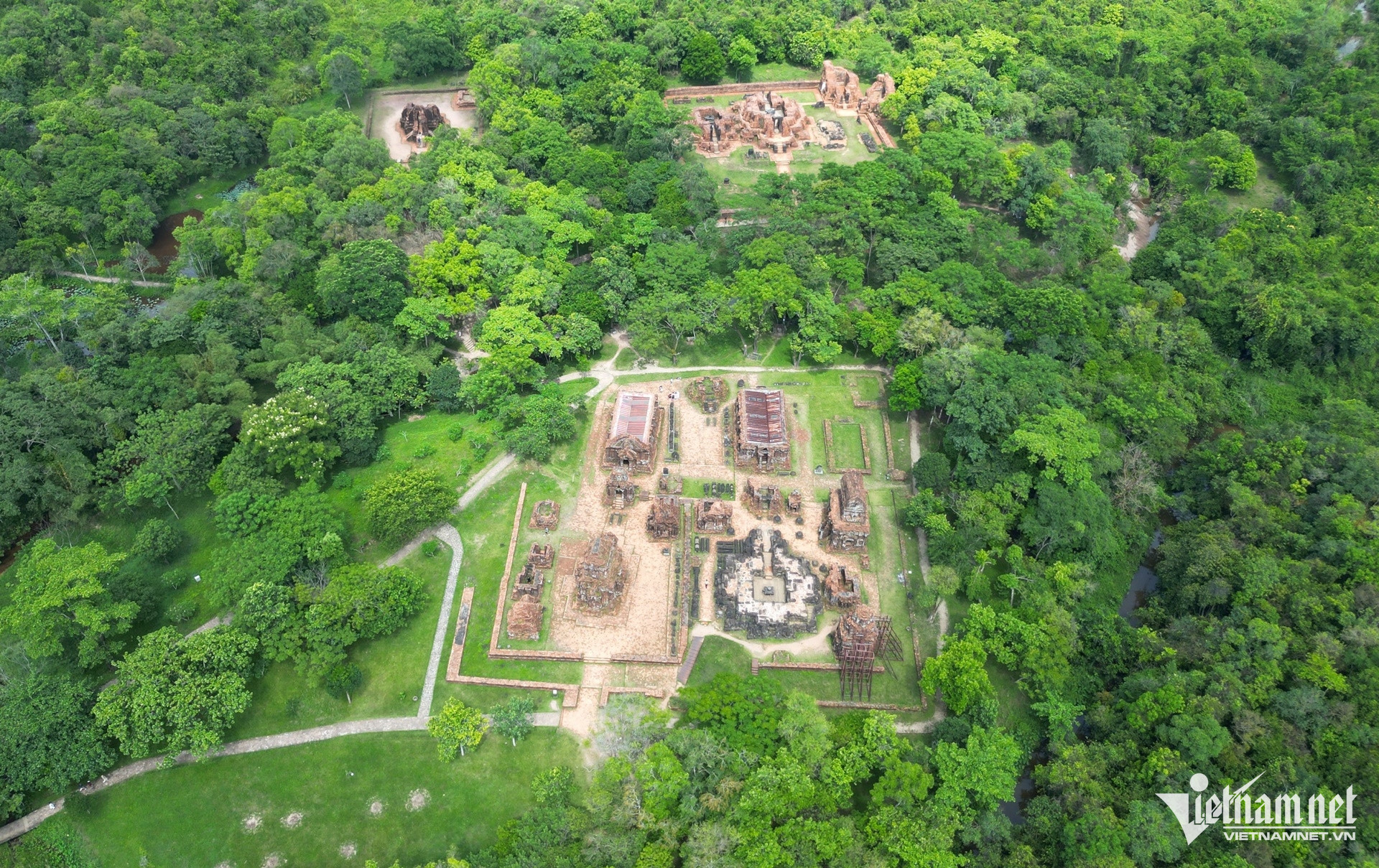
To date, six artifacts originating from My Son have been recognized as national treasures. Among them, the Mukhalinga and the My Son A10 Altar are considered the most remarkable.
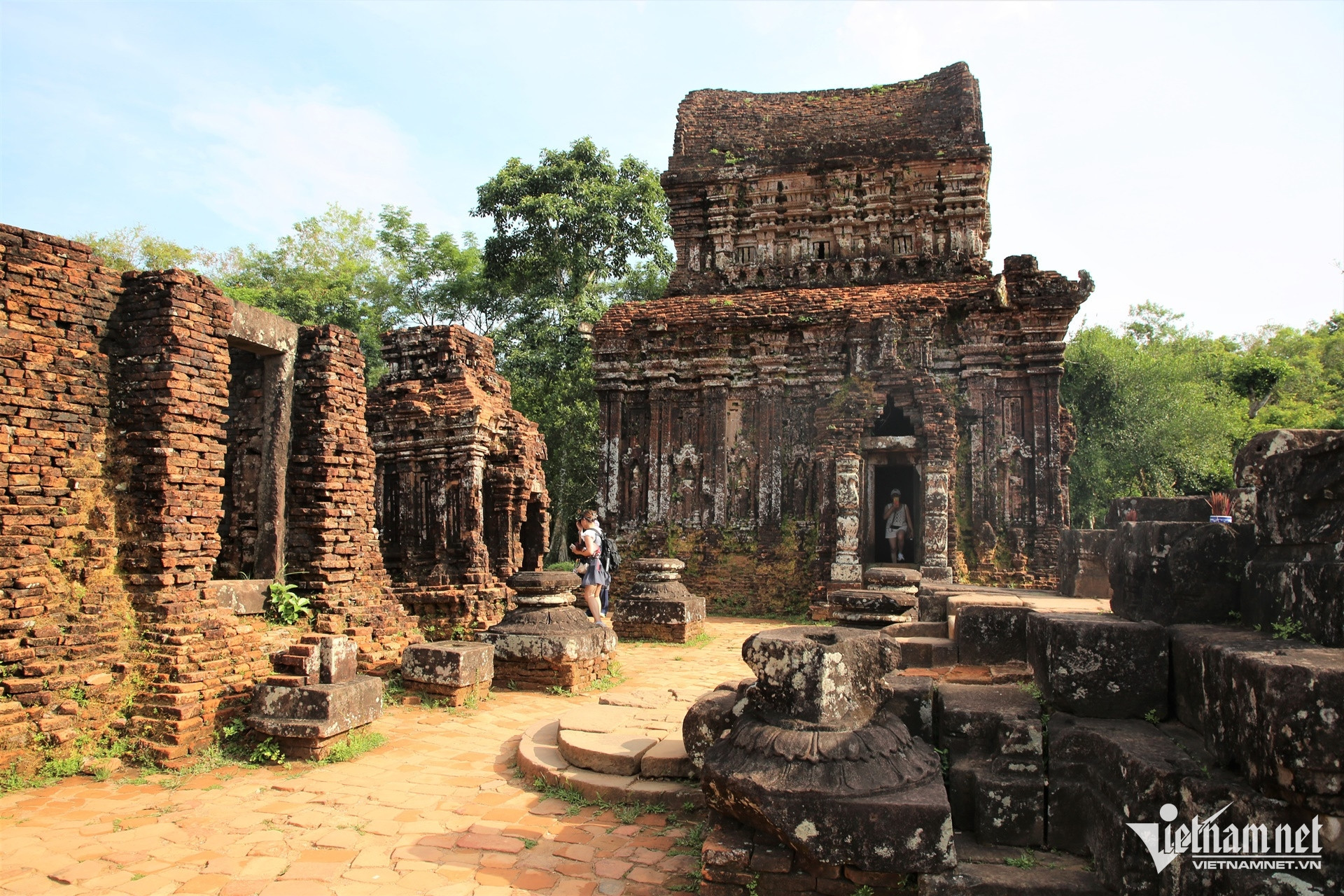
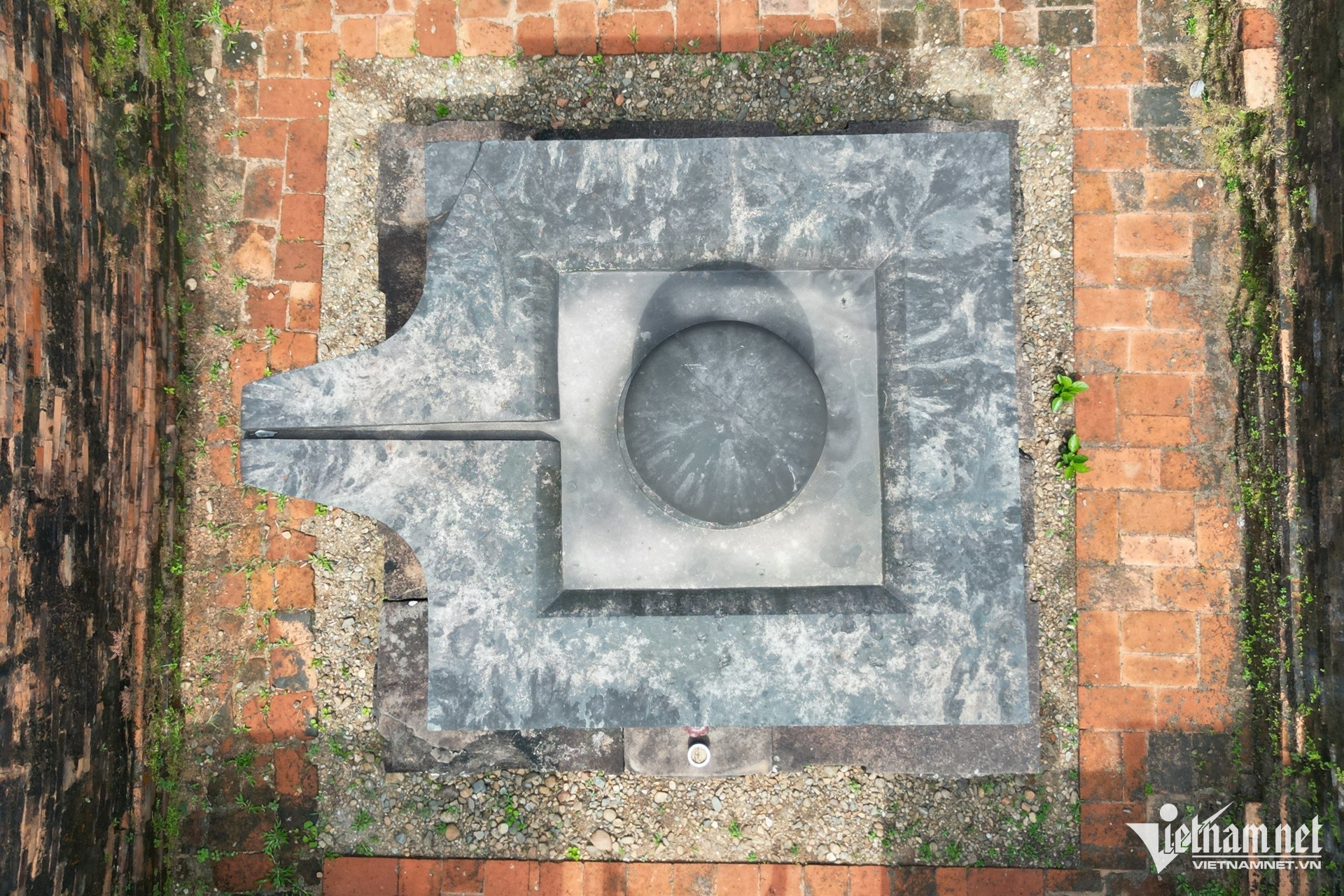
The My Son A10 Altar is an original, one-of-a-kind altar complex that has been reassembled and repositioned at its original location inside Temple A10.
Dating from the ninth to tenth centuries, the altar was constructed from 17 sandstone blocks arranged in five stacked tiers and was recognized as a national treasure in 2021.
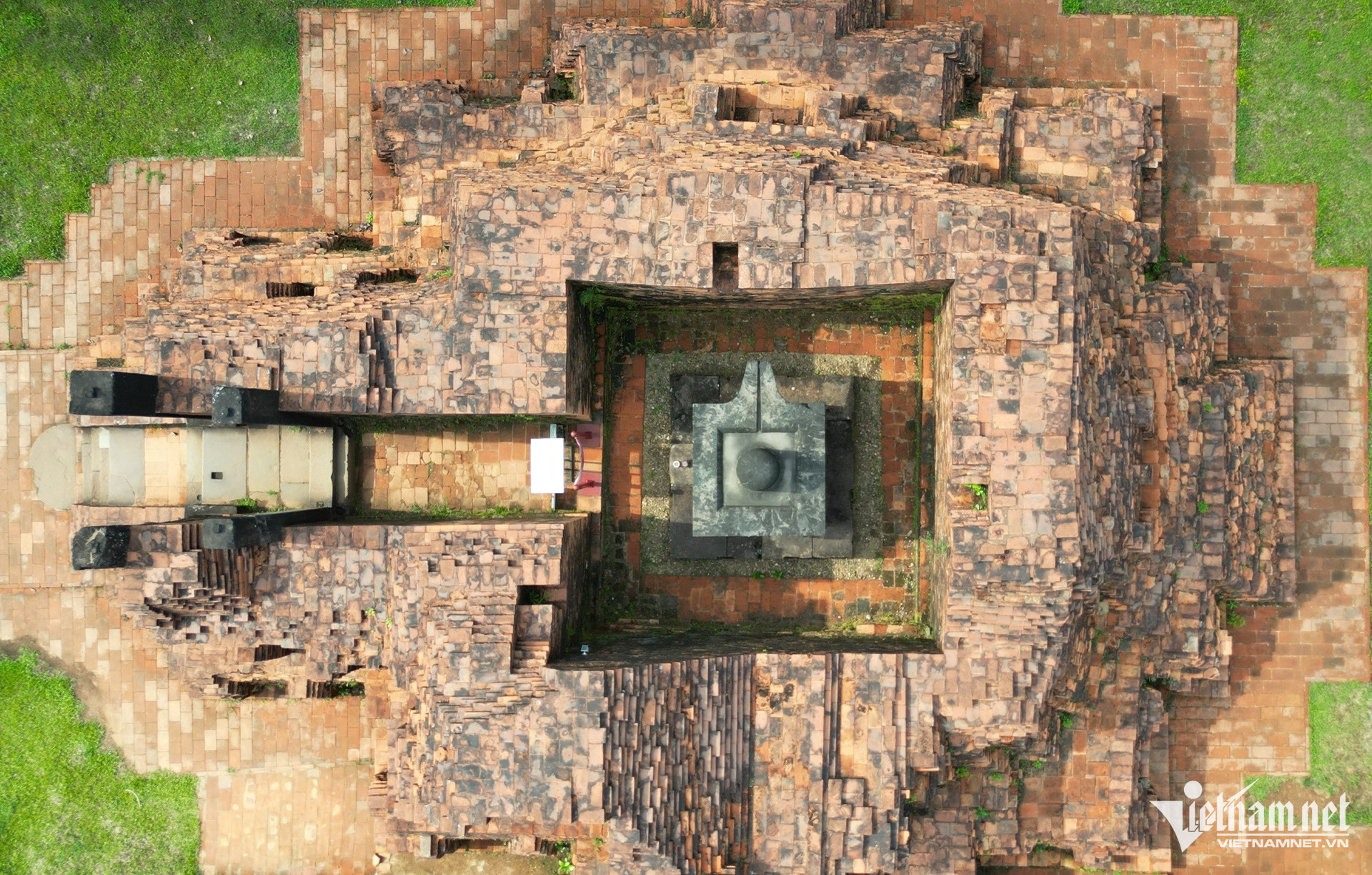
Its most distinctive feature is the largest known monolithic Linga-Yoni sculpture in Champa art. The Linga consists of a rounded upper section integrated directly into the Yoni within a single stone block, creating a highly symbolic and unusual form of worship.
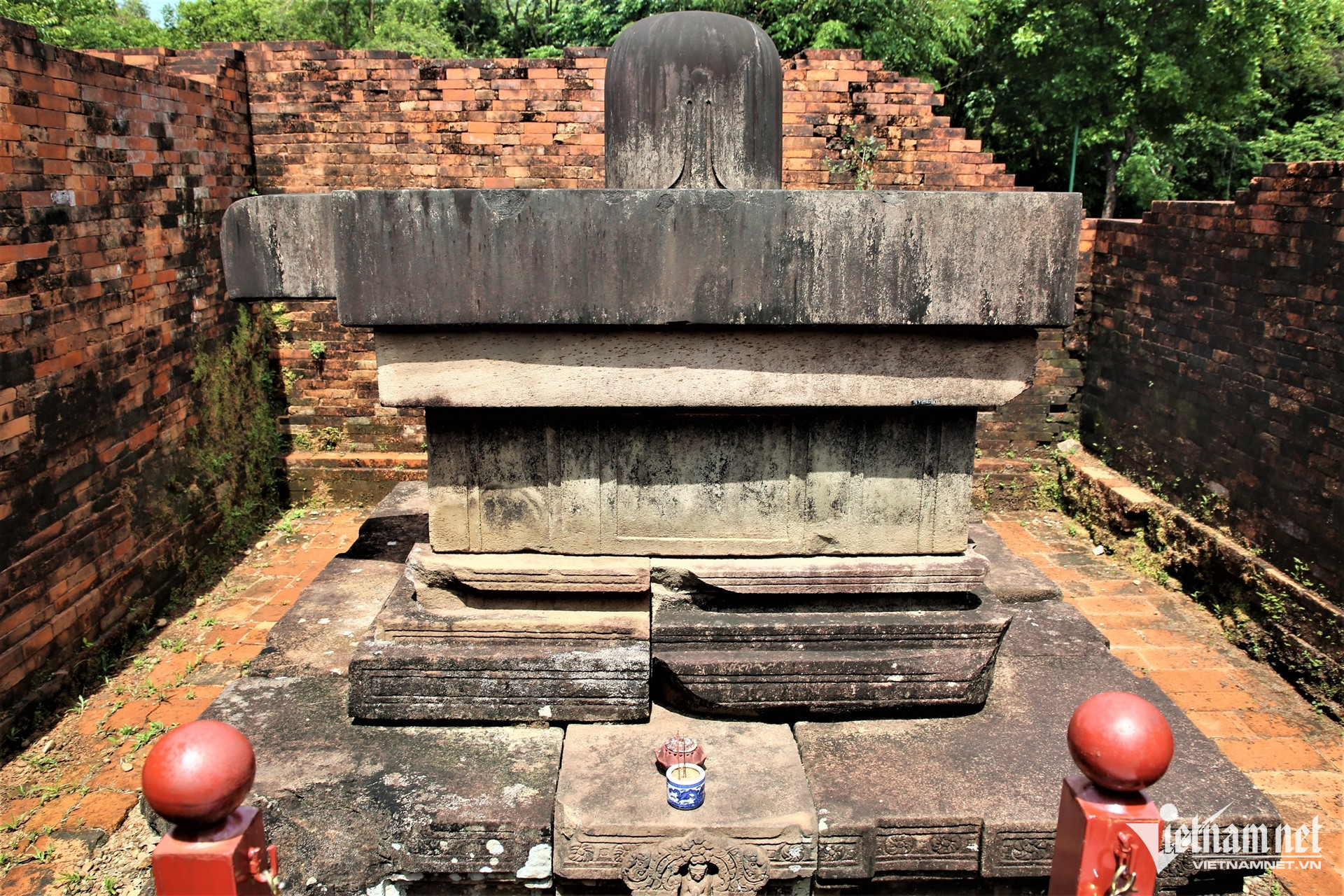
All four sides of the altar are carved with images of priests standing with folded hands in ritual postures. Beyond their decorative function, these carvings evoke the ceremonial atmosphere that once filled the sacred sanctuary centuries ago.
Researchers note that no comparable altar has yet been identified elsewhere in Champa culture.
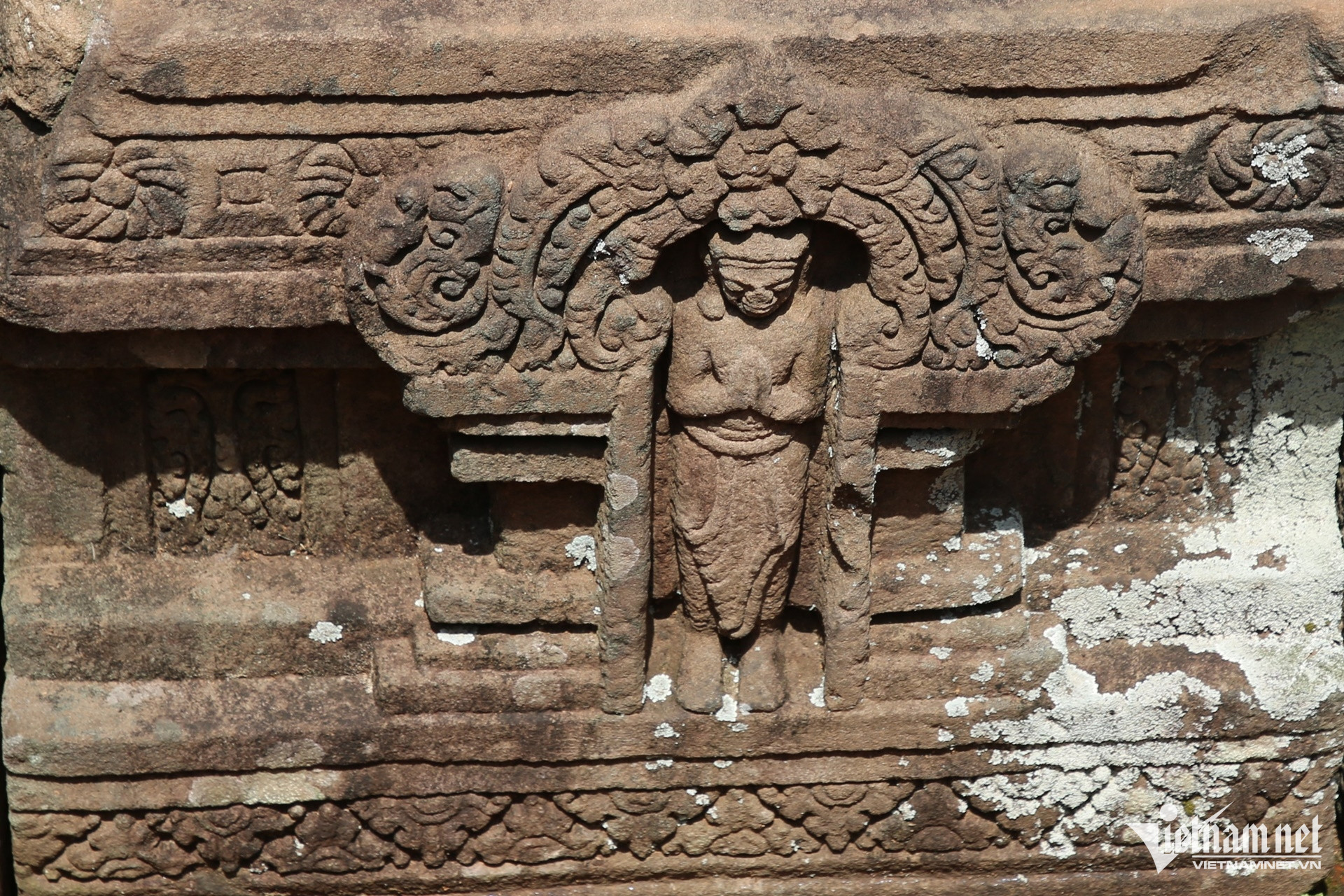
The A10 Altar also preserves evidence of dovetail lead-joint construction techniques, a rare feature in Champa stone architecture.
It is the only surviving representative altar from the Hindu worship space of the Indrapura Dynasty (875-915) of the Champa Kingdom.
At a time when Buddhism was flourishing, the altar demonstrates that Shiva worship continued to play a central role in Champa spiritual life.
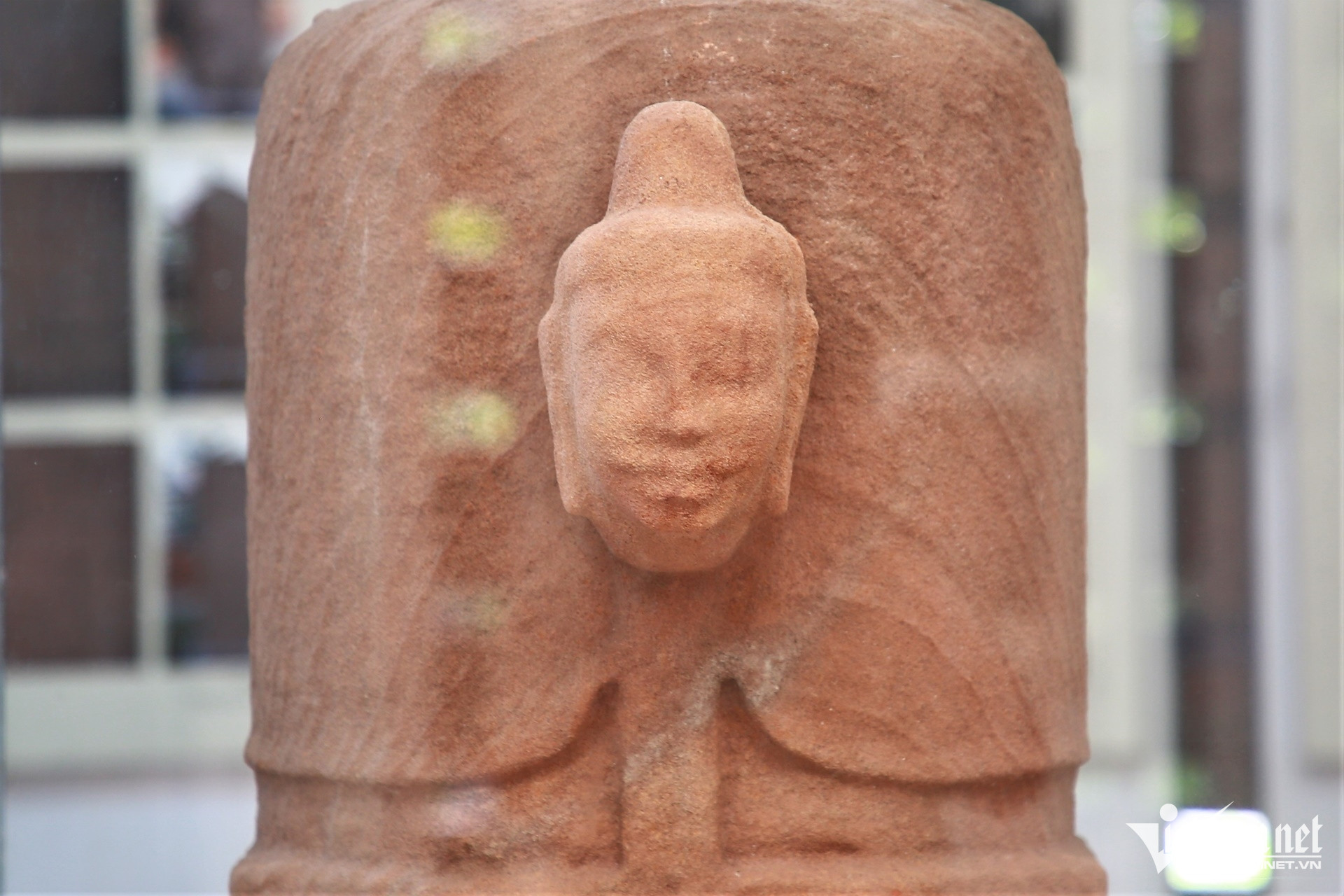
The Mukhalinga, carved from sandstone and measuring 126.5cm in height, is another extraordinary artifact. It was discovered in 2012 following a heavy rainstorm near Tower E4 and was designated a national treasure in 2015.
Almost perfectly preserved, the sculpture is divided into three sections. The square base is associated with Brahma, symbolizing creation. The octagonal middle section represents Vishnu, symbolizing preservation. The cylindrical upper section is linked to Shiva, symbolizing destruction.
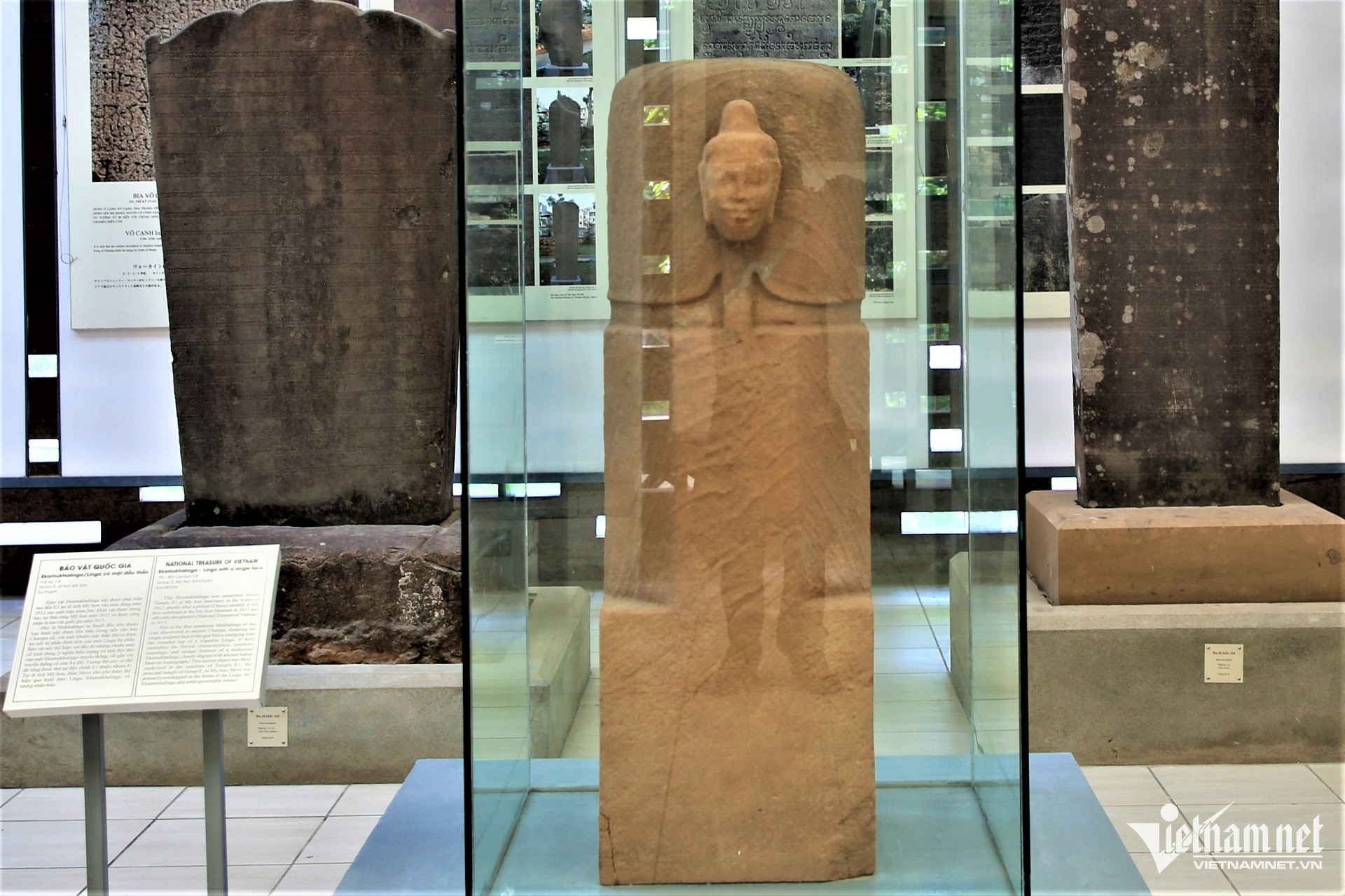
Its uniqueness lies in the sculpted head of Shiva carved directly onto the Linga. The head measures 23cm high and 13.5cm wide, with a topknot rising 5.5cm above the crown.
The fusion of a divine figure with one of Hinduism's most sacred worship symbols makes this the only Mukhalinga ever discovered in Vietnam.
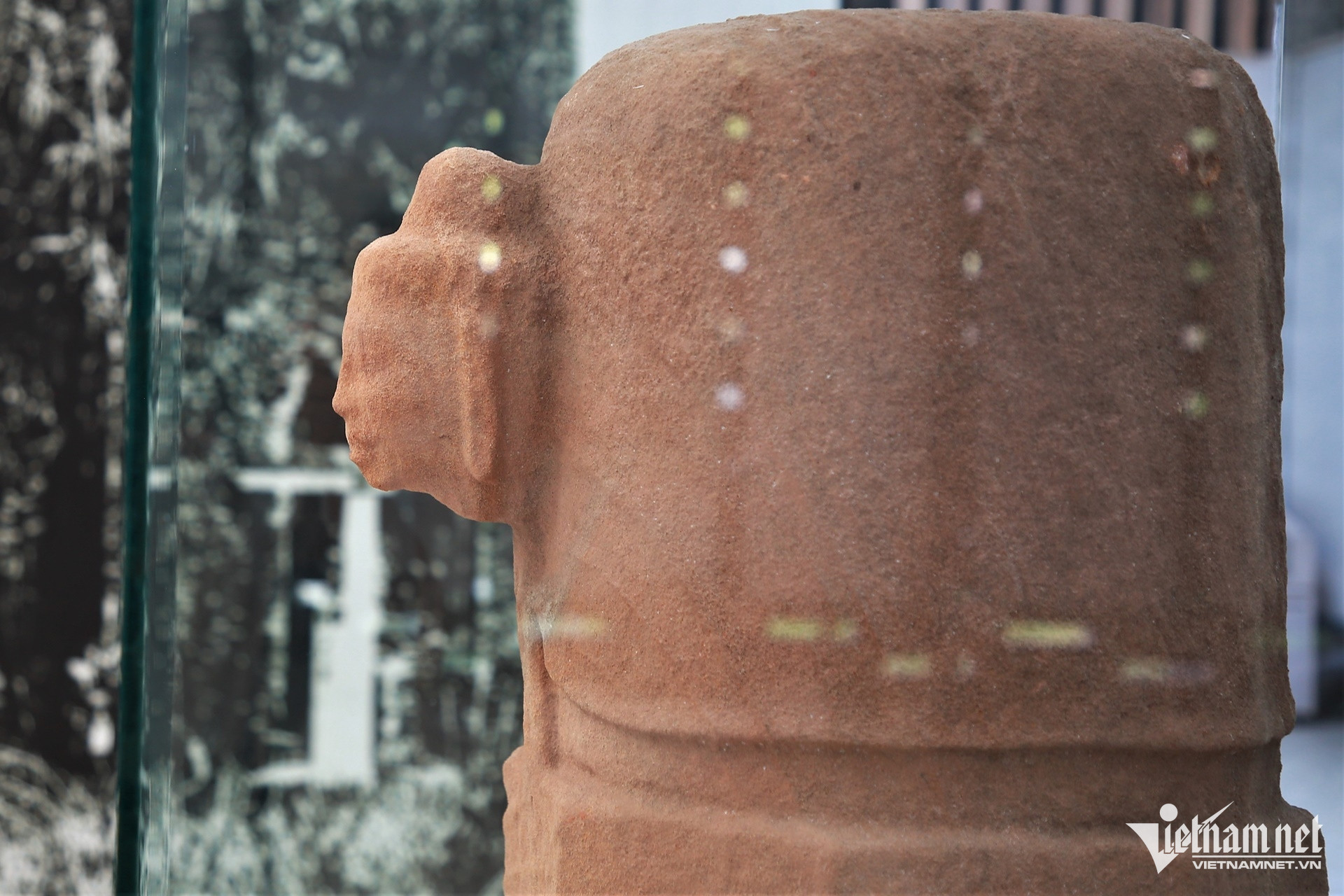
In Champa religious life, Shiva occupied a special position and was commonly worshipped through the Linga symbol. Together with the Yoni, the pair represented fertility, cosmic balance and the perpetual cycle of creation.
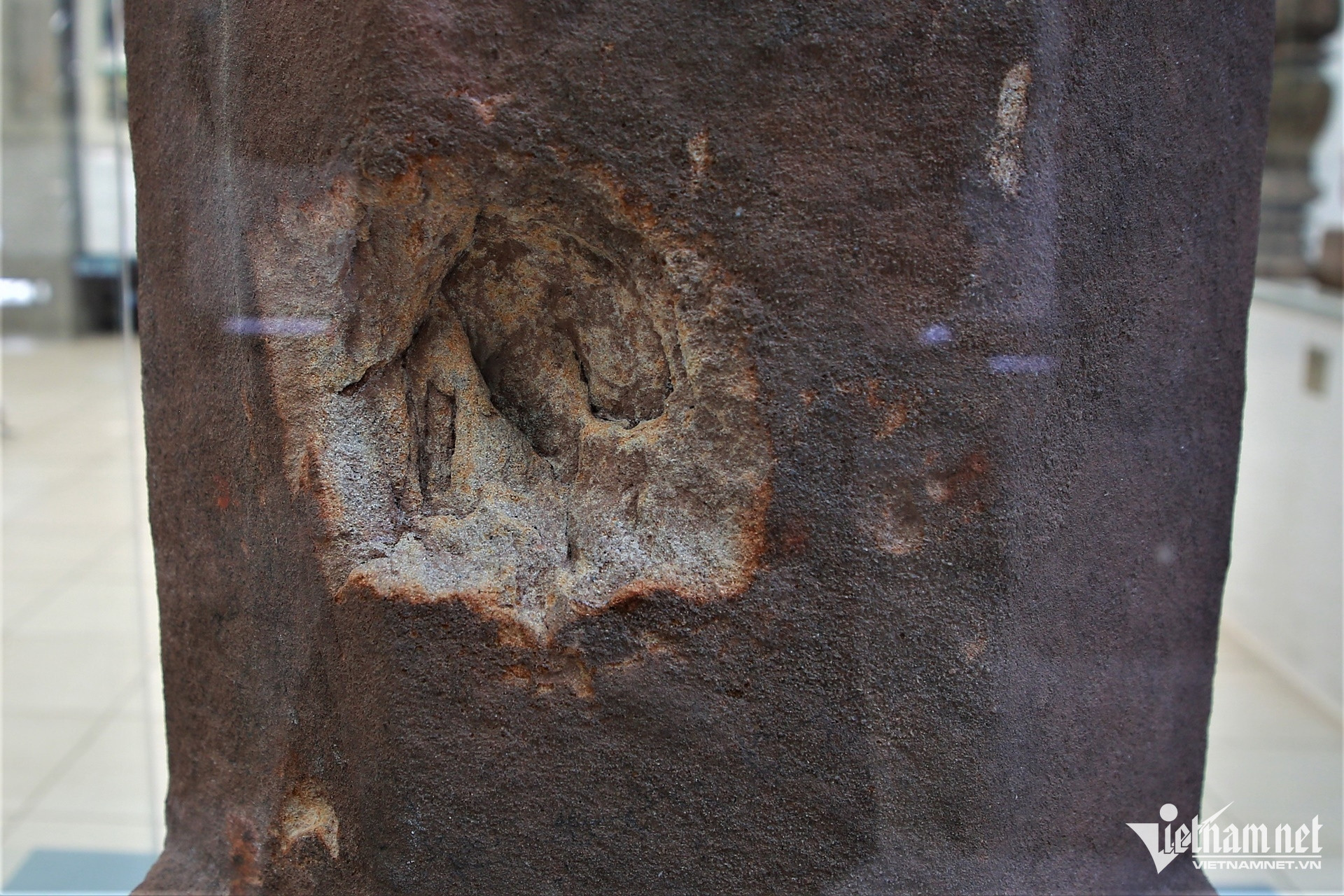
A visible fracture on the rear of the Mukhalinga has led some experts to believe that the artifact may once have stood on the My Son E1 Altar, based on its estimated early eighth-century date.
My Son is also home to four other national treasures: the My Son E1 Altar, the Birth of Brahma Relief, the My Son C1 Shiva Statue and the My Son E5 Ganesha Statue.
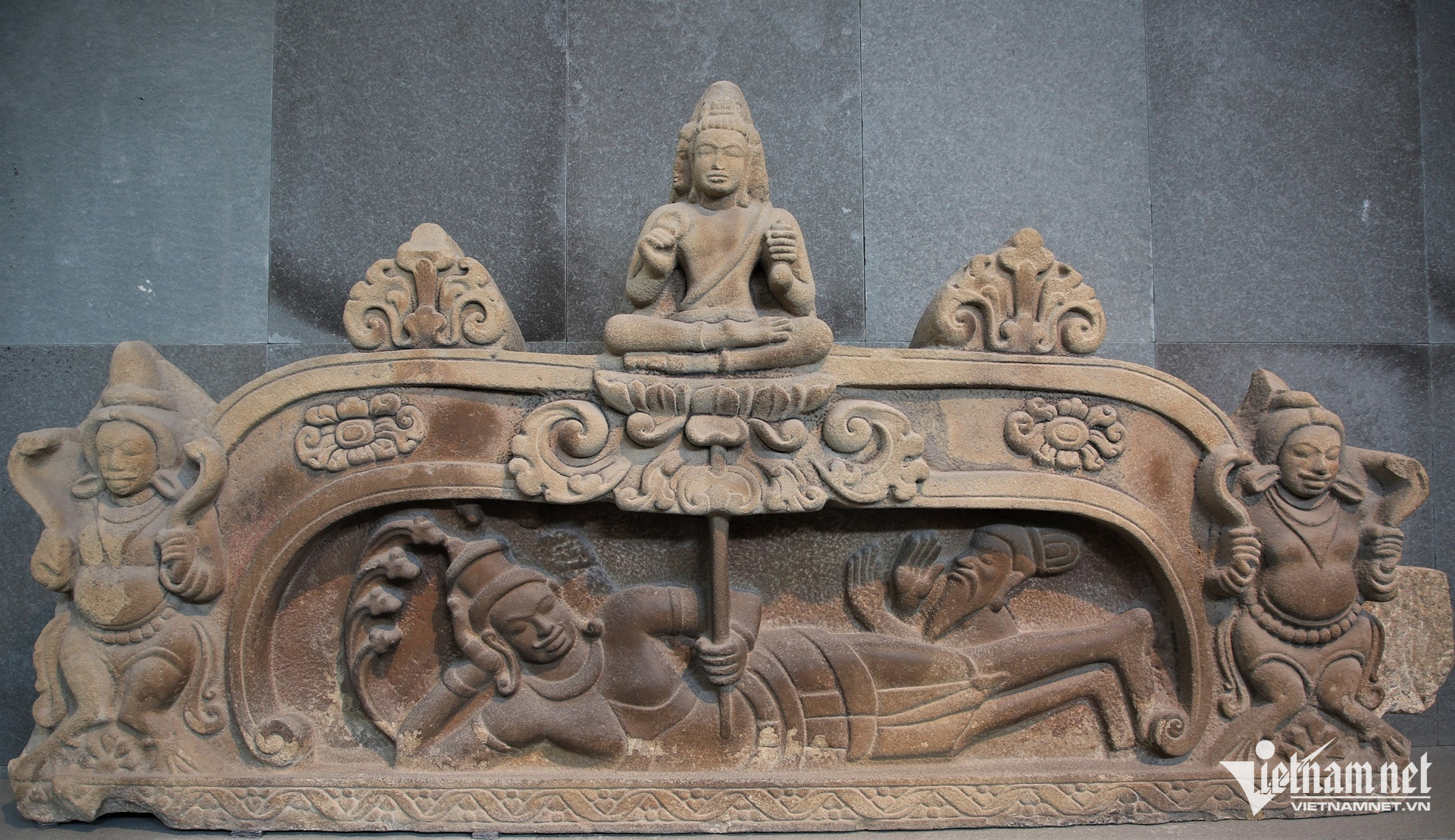
The relief illustrates a key creation story from Hindu mythology.
The Birth of Brahma Relief depicts Vishnu reclining on the cosmic ocean, supported by the serpent Shesha. From Vishnu's navel emerges a lotus flower upon which Brahma is born to create the world according to Hindu mythology.
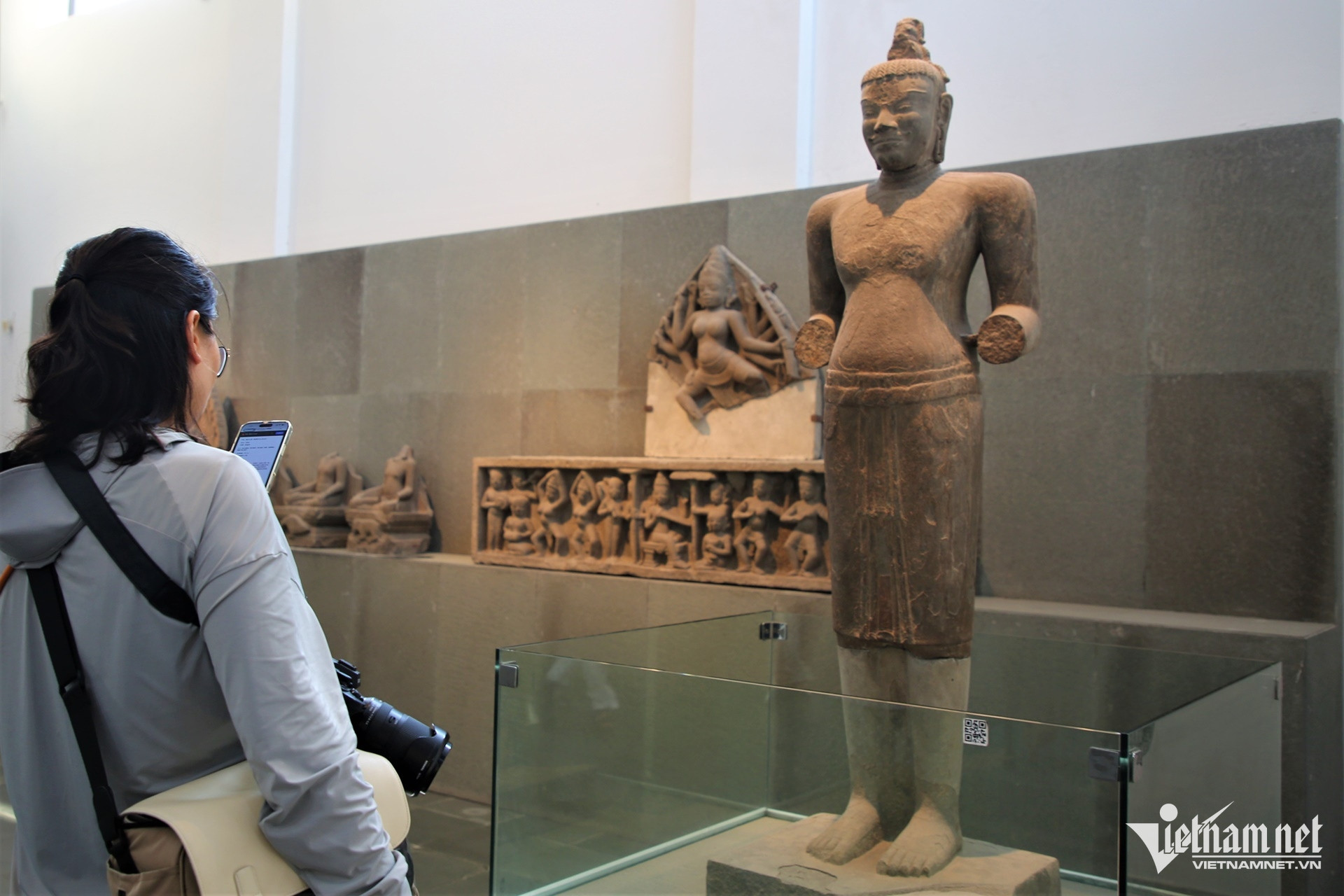
The My Son C1 Shiva Statue, dating to the eighth century, was discovered in 1903 at Tower C1. Although incomplete, it remains notable for pierced earlobes that once held ceremonial ornaments.
Some scholars believe the sculpture portrays Shiva as an ascetic mendicant, while others suggest it represents a deified king within Champa religious traditions.
The My Son E1 Altar, dating to the seventh century, is one of the finest examples of Champa sculpture. Assembled from multiple sandstone blocks, it recreates many architectural features of a Cham tower, including stairways, arches, columns, decorative motifs and sacred creatures.
In Hindu belief, the altar symbolizes Mount Meru, the mythical dwelling place of Shiva.
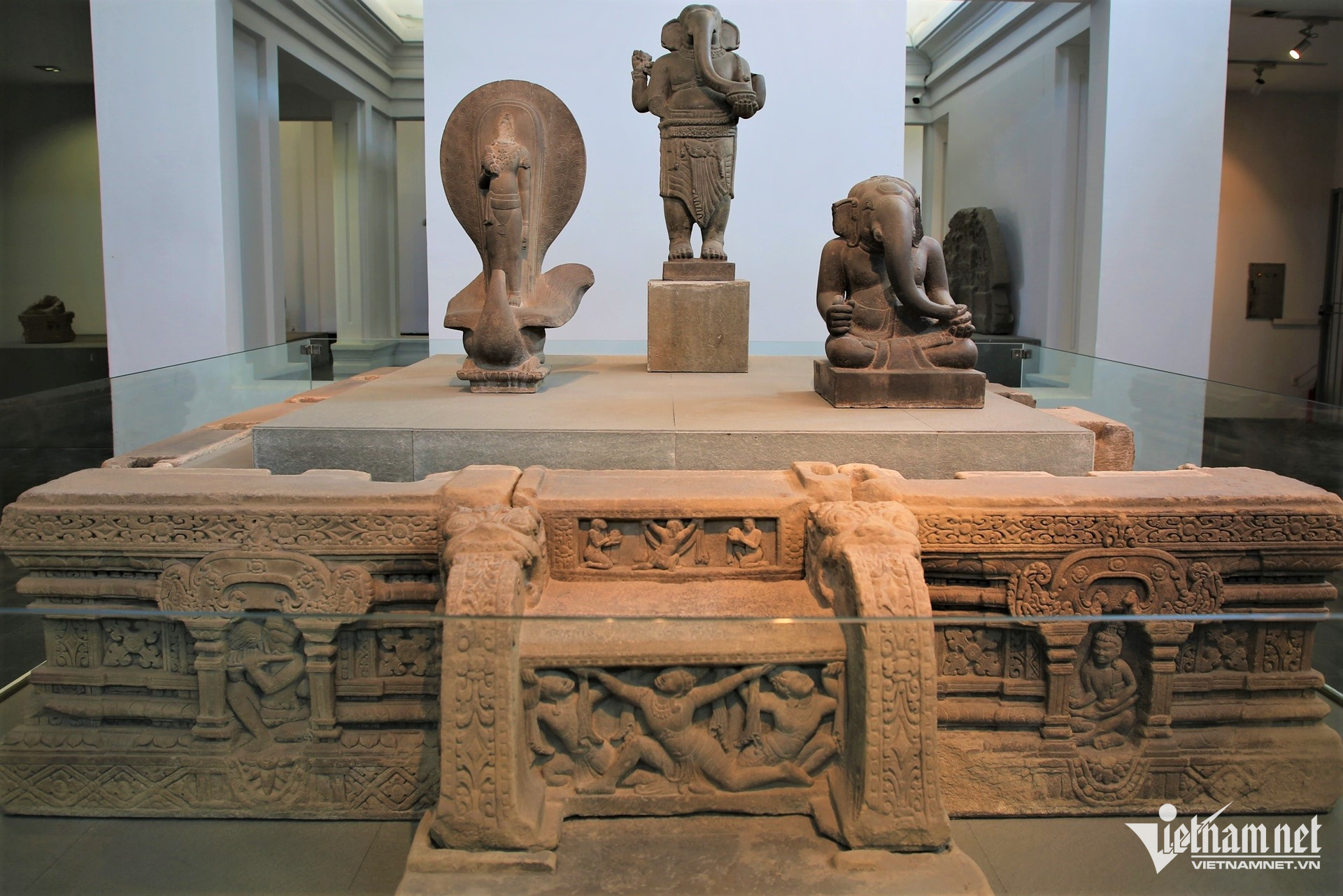
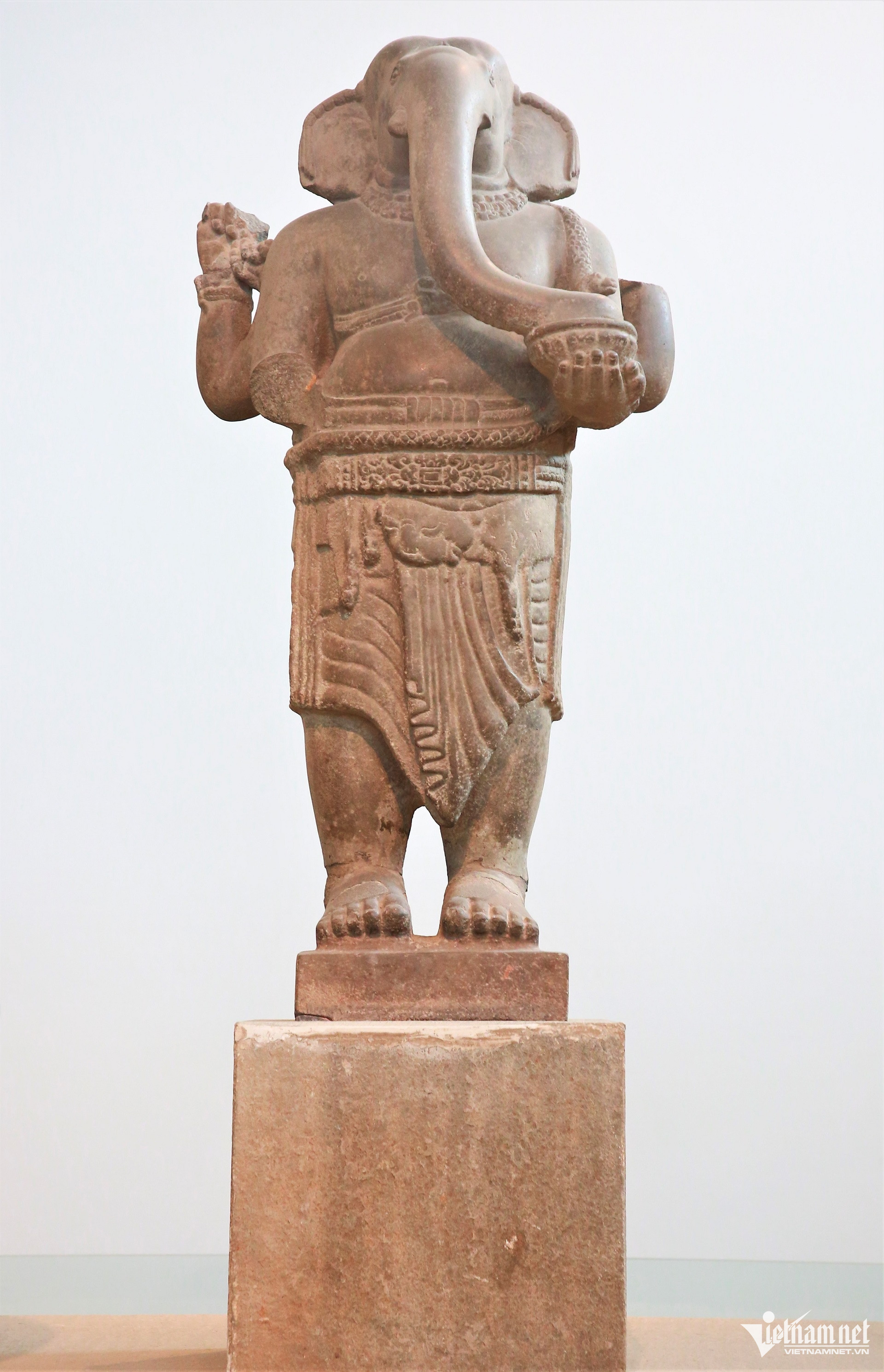
The My Son E5 Ganesha Statue, dating from the seventh century, was also discovered in 1903 and received national treasure status in 2020.
In Hinduism, Ganesha is revered as the god of wisdom, knowledge and good fortune, and is the son of Shiva and Parvati.
Today, My Son remains one of Vietnam's most compelling heritage destinations, attracting visitors eager to explore the surviving traces of Champa civilization within its ancient valley.
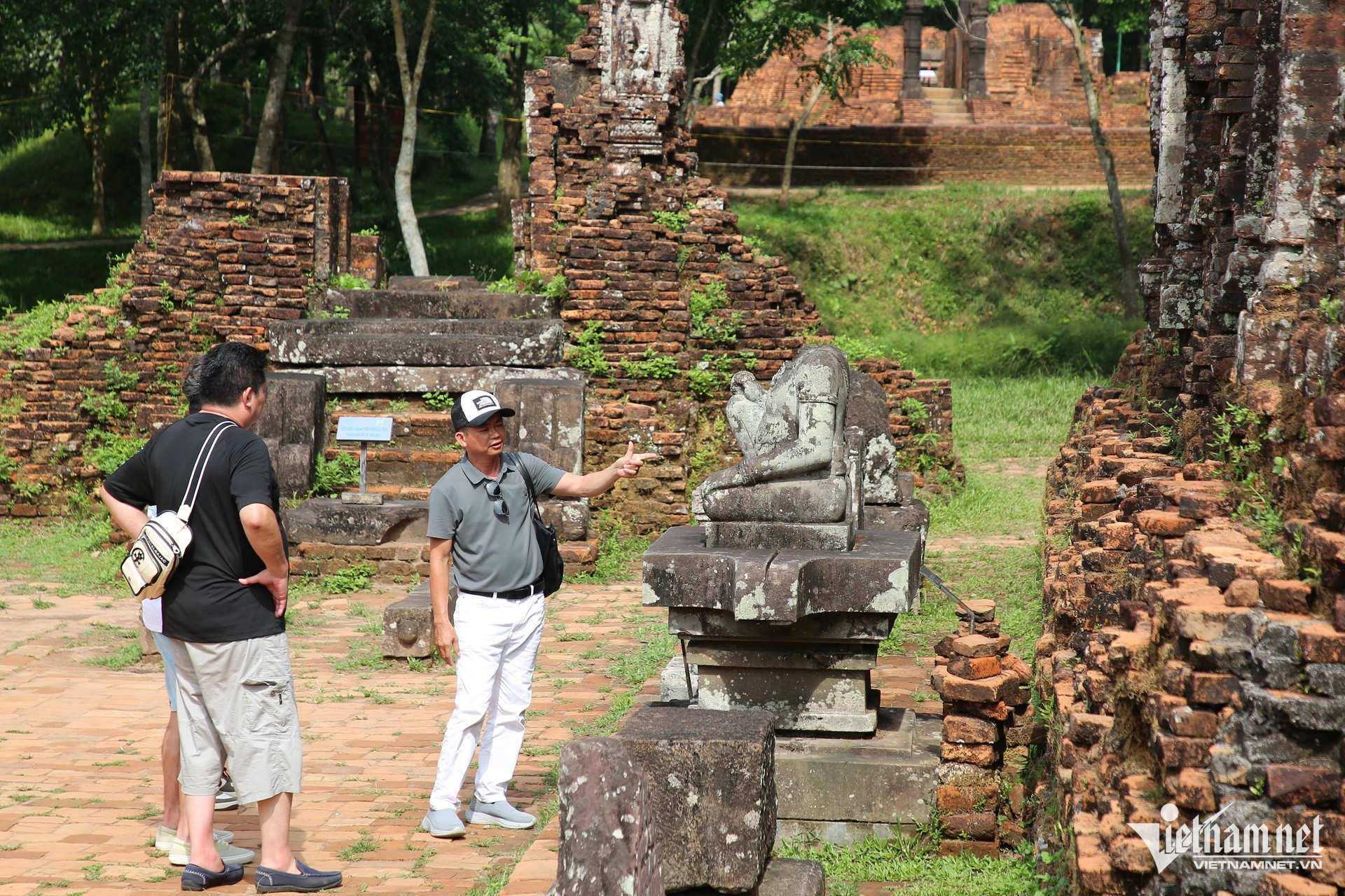
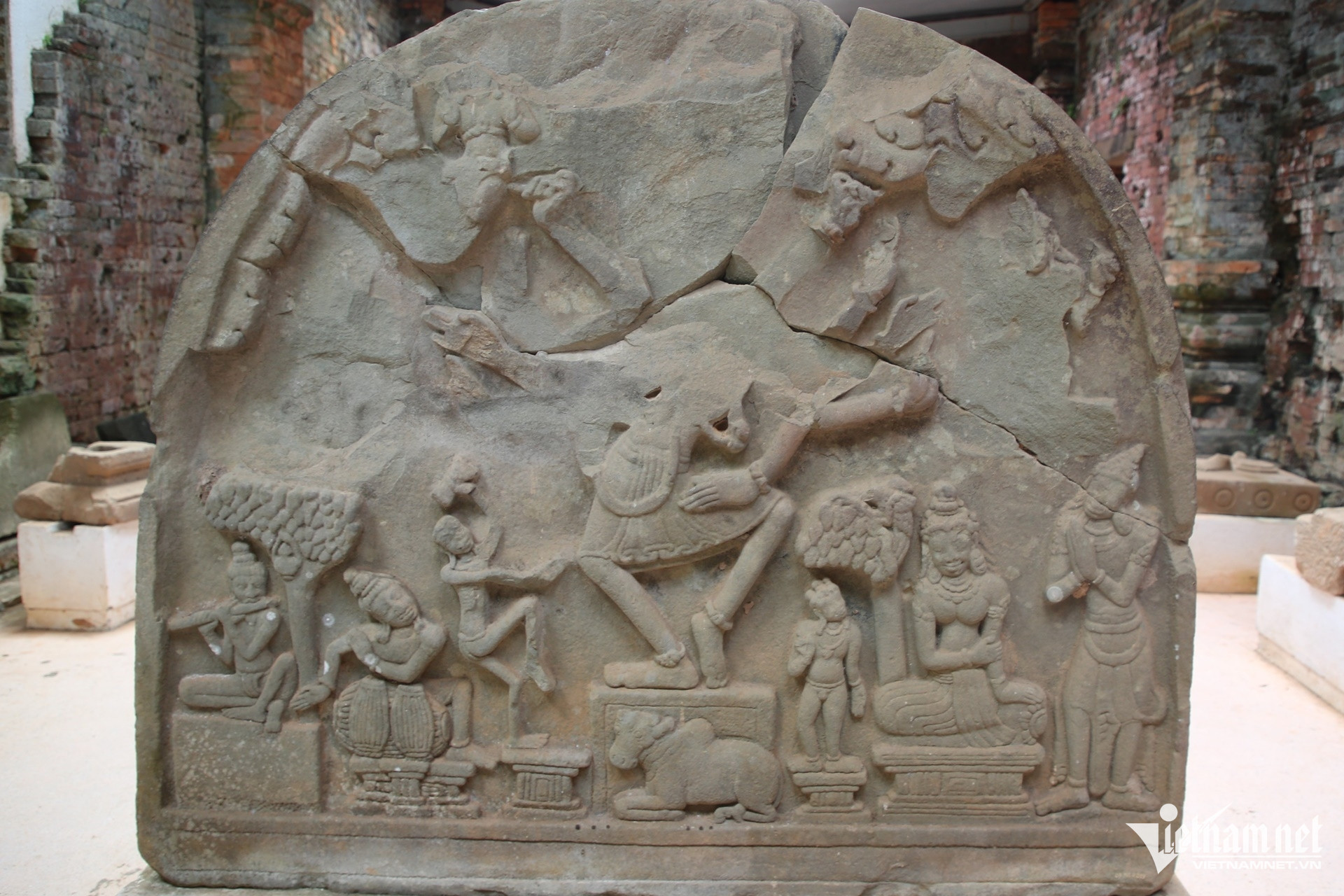
My Son preserves invaluable evidence of Champa religious traditions.
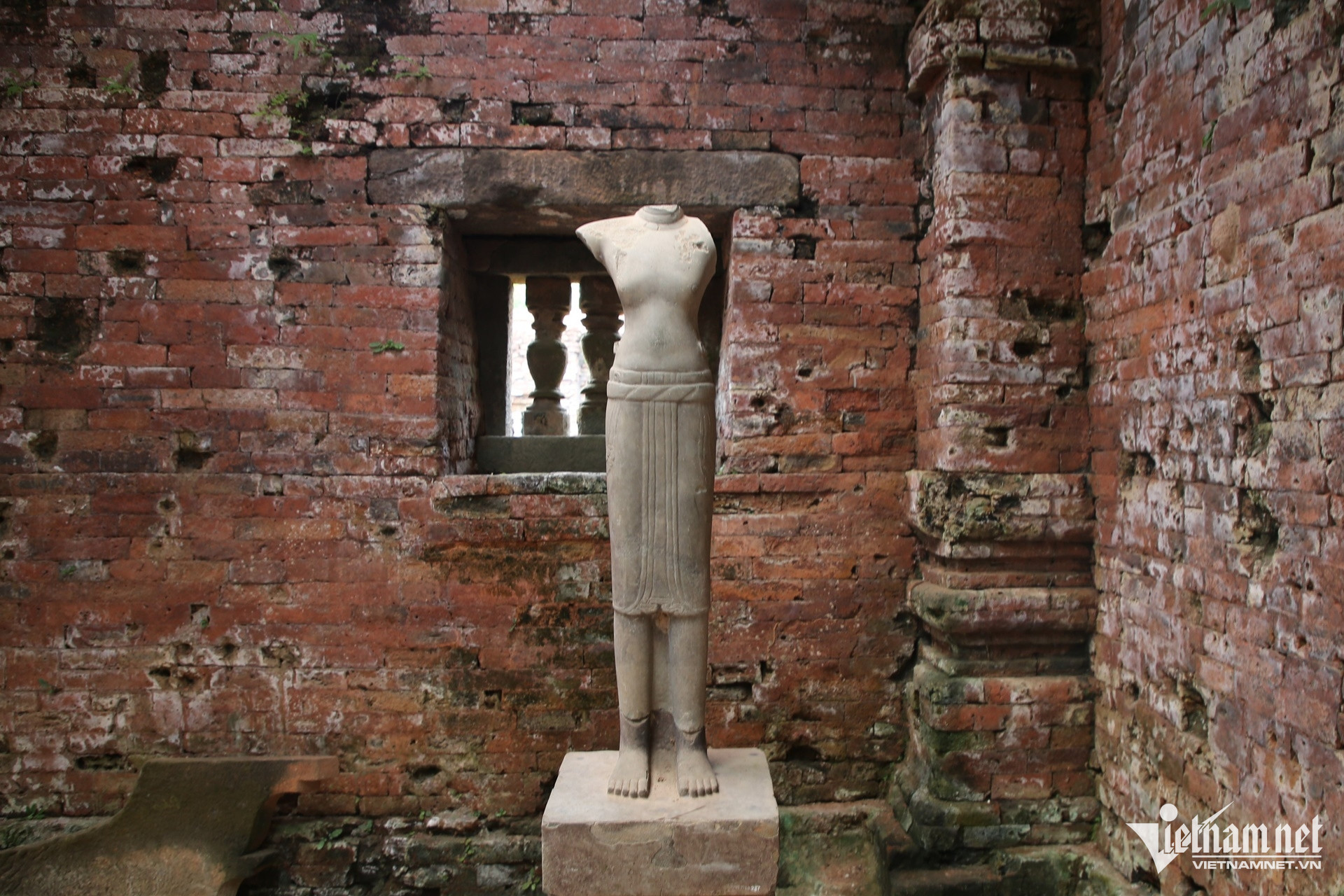
Hundreds of relics are displayed throughout the sanctuary.
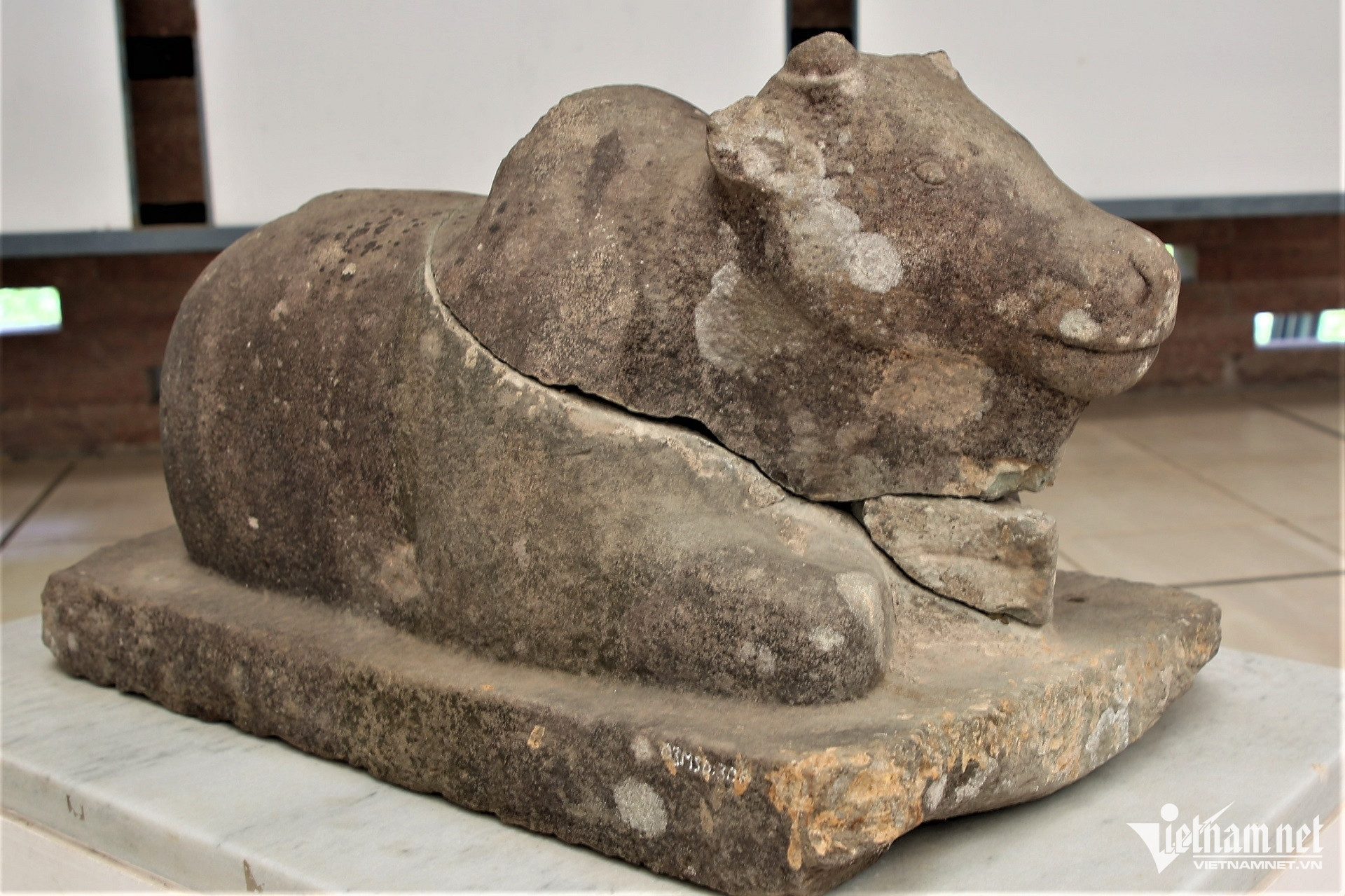
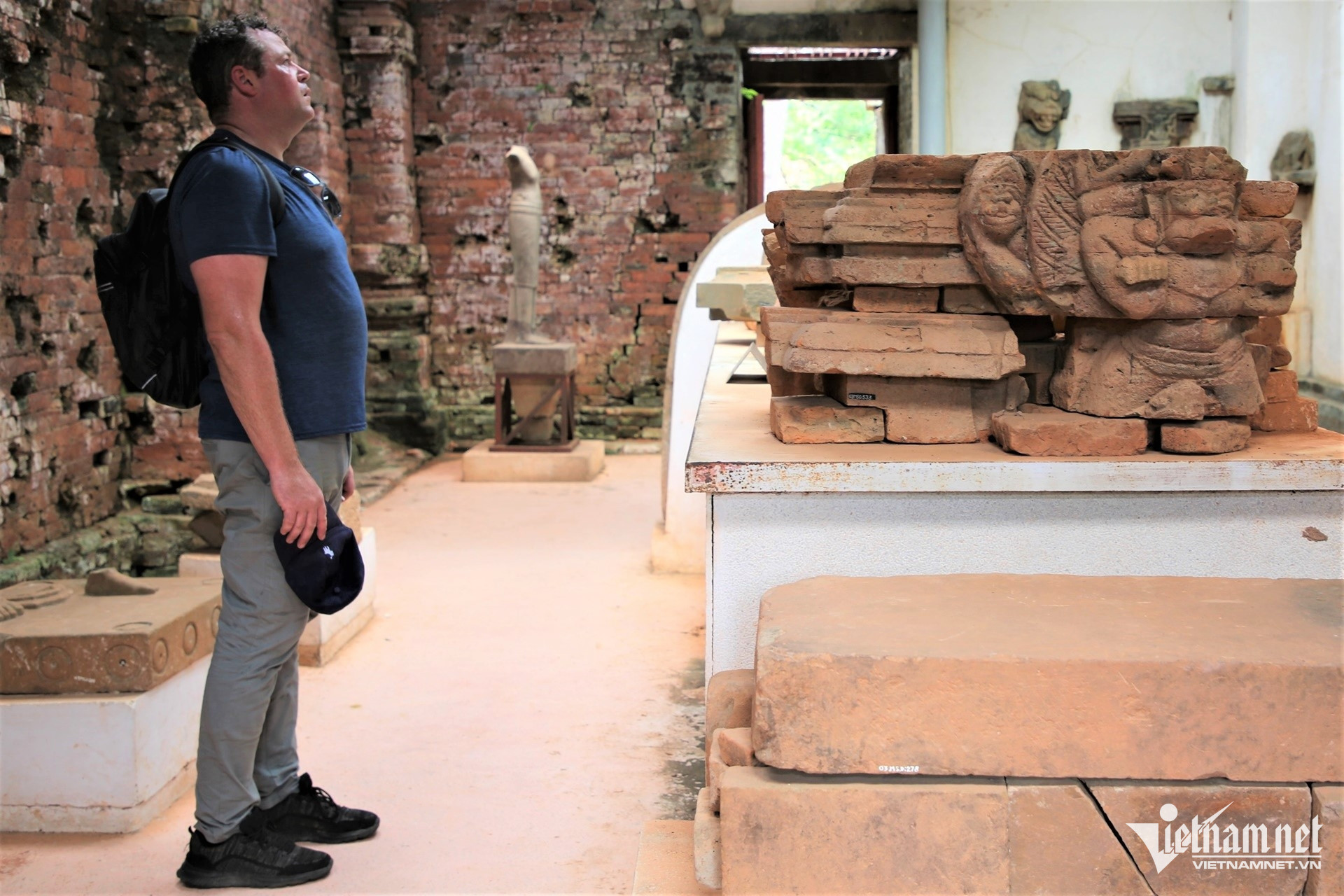
In addition to its national treasures, the thousand-year-old sanctuary displays hundreds of ancient artifacts, including sculptures, reliefs, carved panels and architectural components that offer deeper insight into the religious life, artistic traditions and stoneworking techniques of the Champa people.
Ha Nam
.svg)
