 Vietnamnet.vn

 Podcast



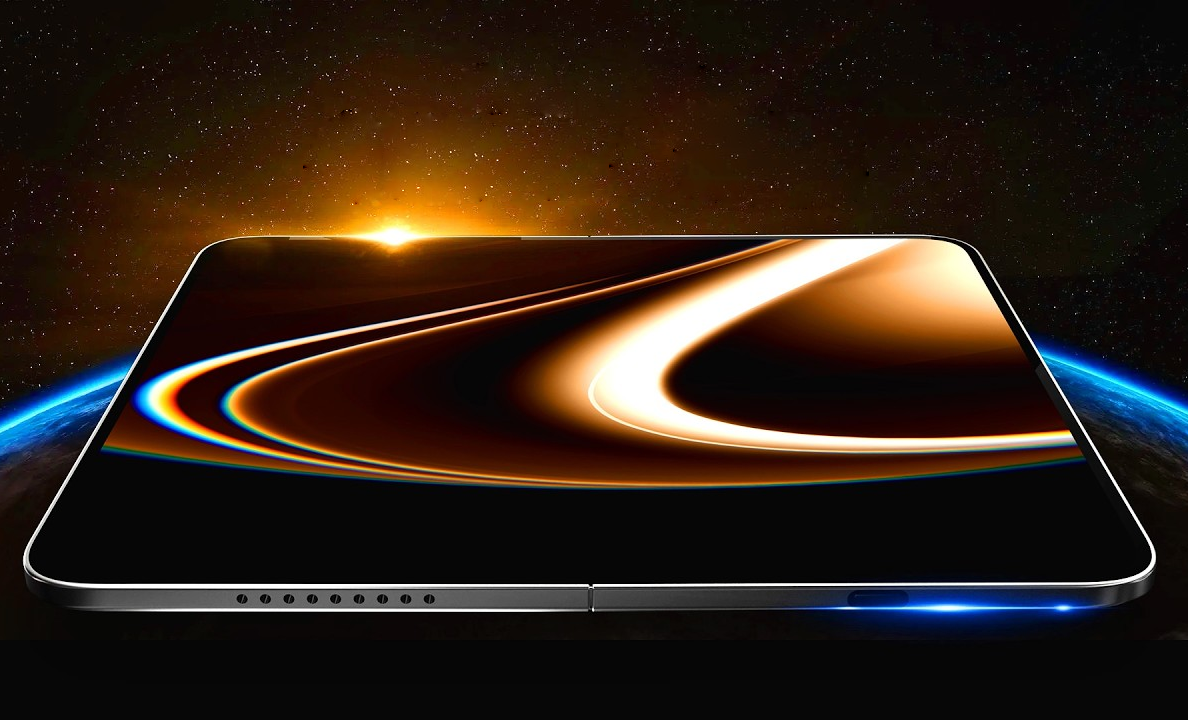
Rumors surrounding Apple’s first foldable product have circulated for years. Now, new information goes beyond design, pointing to how the company may position its entire future lineup.
iPhone Ultra: A new name for the foldable era
Recent reports suggest Apple’s first foldable iPhone could be named iPhone Ultra. If true, the device would join the ranks of the company’s most advanced offerings, such as Apple Watch Ultra and the M1 Ultra chip, both of which represent the pinnacle of performance and pricing within Apple’s ecosystem.
Although it may launch alongside the next generation of iPhones, the iPhone Ultra is unlikely to be considered part of the main lineup. This would mirror Apple’s past approach with distinct product variants.
The device is expected to debut alongside iPhone Pro models but could arrive a few weeks later and in limited quantities - a common strategy for complex, first-generation products.
Earlier, well-known leaker Digital Chat Station mentioned the Ultra branding, predicting that Android manufacturers would quickly adopt the term for large foldable devices to compete in brand perception.
MacBook Ultra: Apple’s first touchscreen laptop?
Beyond the iPhone, Apple is also rumored to be working on a MacBook Ultra - potentially the company’s first laptop with a touchscreen OLED display. Previously considered a variant within the MacBook Pro line, the Ultra label now suggests Apple may be creating an entirely separate category.
The MacBook Ultra is expected to carry a significantly higher price than existing models, along with new features that clearly distinguish it from the traditional Pro lineup. However, its launch could be delayed until the first half of 2027 due to ongoing memory shortages affecting the global tech industry.
Not just iPhone and MacBook: Ultra may expand further
Apple’s Ultra strategy may not stop at these two devices. Some rumors indicate the company is developing a premium version of its AirPods, potentially with integrated cameras - a bold step if realized. In that case, the name AirPods Ultra would align naturally with the branding.
Apple is also believed to have explored foldable iPads for years. This project was reportedly a priority for John Ternus, widely expected to succeed Tim Cook in the near future. If the product materializes, it could also carry the iPad Ultra name, further expanding Apple’s ultra-premium ecosystem.
Meanwhile, on the Android side, the “Ultra” suffix has long been used to denote the best devices in a lineup. Recent examples include Samsung Galaxy S26 Ultra, Oppo Find X9 Ultra and Vivo X300 Ultra - all representing top-tier specifications, leading camera systems and the highest price points from their respective brands.
Does “Ultra” truly deserve the name?
For years, Apple has built its “Pro” lineup around devices designed for professional users, a strategy that aligns well with performance, software and ecosystem integration. However, expanding into “Ultra” raises a critical question: do features like touchscreen laptops or foldable phones truly enhance professional workflows?
A touchscreen laptop may offer convenience in certain situations, but it does not necessarily transform how professionals work. Similarly, foldable phones introduce a new form factor, yet their real-world productivity value remains open to debate.
Of course, Apple’s marketing team is almost certain to position “Ultra” as an aspirational concept, potentially going far beyond what current rumors suggest. But from a product strategy perspective, attaching the Ultra label to changes that are not fundamentally transformative risks diluting its meaning.
Apple’s move to introduce multiple Ultra devices indicates the company is experimenting with a new tier above Pro. This may be a necessary step to sustain growth as the smartphone and laptop markets gradually mature.
Still, the success of this strategy will depend on whether Apple can prove that “Ultra” is more than just a name - that it delivers genuinely superior value. Otherwise, it risks becoming a glossy label without substance in an increasingly competitive and discerning market.
Hai Phong
.svg)
