 Vietnamnet.vn

 Podcast



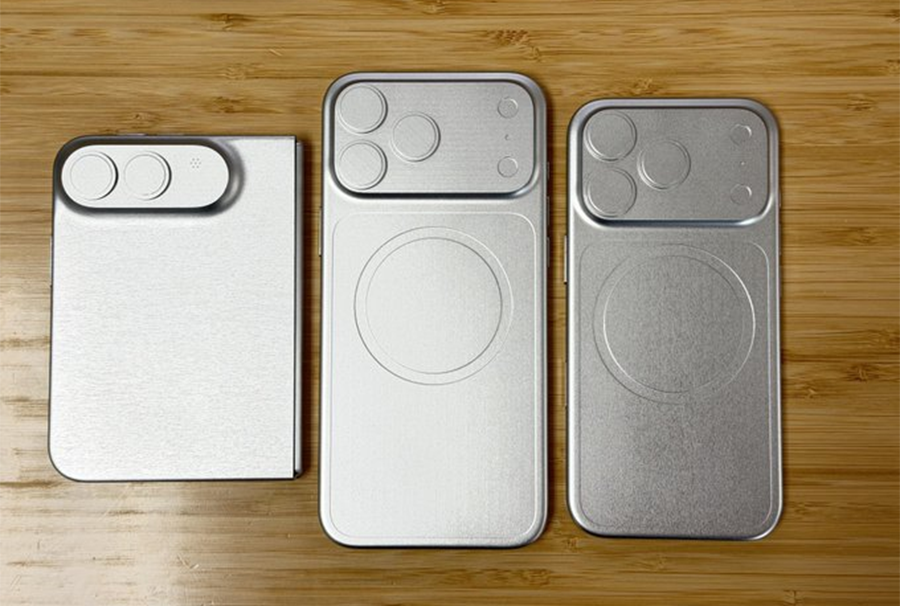
However, history suggests that while Apple’s new products often debut with great fanfare, long-term success depends on far more than initial excitement.
The real challenge for the iPhone Ultra will only become clear after the early hype fades. At that point, the device will have to compete on its intrinsic value rather than brand appeal alone. Apple appears to understand this, investing heavily in creating a product that stands out and targets a broader user base.
Rumors indicate that the iPhone Ultra will not only introduce a completely new form factor but also feature an impressively slim design, measuring around 9.23mm when folded - approaching the thickness of the thinnest foldables on the market, such as Samsung’s Galaxy Z Fold series. Yet even such specifications may not be enough to ensure commercial success.
Lack of variety: Apple’s biggest weakness in the foldable race
Even if the iPhone Ultra achieves the expected level of refinement, it will still represent a single, specific design - something that does not appeal to everyone. Like the iPhone Air concept, Apple’s bold design choices often come at the cost of broader accessibility.
The wide foldable format, while appealing to a niche group of users, has yet to convince the majority. A recent survey suggests that only about one-third of users prefer this design, placing Apple at a disadvantage compared to its competitors.
Samsung currently holds a significant edge with its diverse lineup, ranging from book-style foldables to clamshell designs like the Galaxy Z Flip, and potentially an upcoming wide-format device. This flexibility allows the company to cater to multiple user segments.
In China - Apple’s second most important market - domestic manufacturers such as Huawei have gone even further, offering a rich ecosystem of foldables, from horizontal and tri-fold designs to experimental concepts. With only a single option, Apple may struggle to meet the diverse preferences of users.
Pricing: the biggest barrier for mainstream adoption
The one factor that could give the iPhone Ultra a strong boost is competitive pricing. However, this seems unlikely. Even before recent memory supply concerns, projections suggested that Apple would not position the device at a low price point.
Several sources indicate that the iPhone Ultra could start at around US$1,999, potentially reaching as high as US$2,400. This places it firmly in the ultra-premium segment, even when compared with direct competitors like Samsung. While loyal Apple users may accept such pricing, most mainstream consumers are likely to hesitate.
Meanwhile, the market is seeing an increasing number of more affordable alternatives. Clamshell foldables from Motorola and Samsung offer similar experiences at significantly lower costs, making the iPhone Ultra a premium product with limited accessibility.
Apple can rely on its brand strength and ecosystem to retain users, but this advantage may only hold in the short term. Over time, without expanding its customer base, the company could face difficulties capturing a meaningful share of the still-developing foldable market.
Of course, Apple is known for its ability to surprise. The iPhone Ultra could introduce breakthrough features compelling enough to win over users, or even arrive at a more accessible price than expected.
Still, based on current information, its outlook remains cautious. The device may be elegant, premium and capable of generating significant media attention, but it is far from guaranteed to reshape the market.
Ultimately, the success of the iPhone Ultra will depend not only on hardware or design, but on how Apple addresses product diversity, pricing and real-world user demand. In a fast-evolving and highly competitive market, technological perfection alone is not enough.
Hai Phong
.svg)
