 Vietnamnet.vn

 Podcast



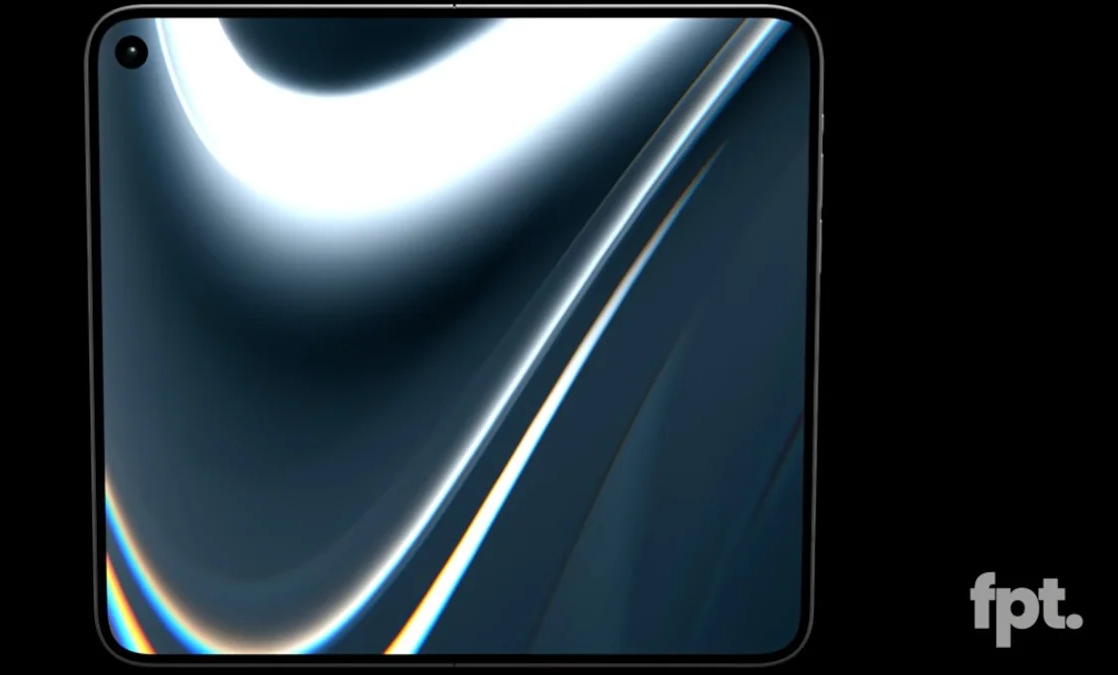
Apple is making bold moves in the foldable phone space with what may be called the iPhone Fold or iPhone Ultra, according to new leaks and reports. The device, still under wraps but increasingly visible through credible renders, suggests Apple is ready to challenge the foldable market with a device that’s as elegant as it is ambitious.
Despite past fears of legal action against tech leakers, veteran tipster Jon Prosser has released some of the most detailed render images of the foldable iPhone to date, indicating that Apple has finalized key decisions around design, configuration, and pricing.
A book-style fold with iPad vibes
Apple is said to have selected a book-style folding design, similar to the Samsung Galaxy Z Fold 6 or Google Pixel 9 Pro Fold, instead of the clamshell flip format.
When unfolded, the device offers a large 7.8-inch display, close to the experience of a small iPad. Folded, users will find a 5.5-inch outer display for everyday tasks.
This design reflects Apple’s philosophy of not merely shrinking a phone, but expanding screen real estate for both work and play - while still being compact enough to fit in a pocket. Some insiders even describe the device as an “iPad mini that fits in your jeans.”
Most impressively, the device is rumored to be only 9mm thick when folded - comparable to today’s iPhone 17 Pro Max at 8.75mm. That would be a remarkable engineering feat, considering the complexity of foldable hinges.
The crease conundrum: Apple’s greatest technical challenge
One of the biggest deterrents to foldable adoption has been the unsightly crease in the middle of the display. Apple is reportedly determined to eliminate this issue.
Rumors suggest Apple is experimenting with specialized metal layers that distribute pressure evenly across the screen, along with a liquid metal hinge mechanism to ensure a smoother fold with no visible dip.
If Apple succeeds in delivering a crease-free foldable screen, it could immediately redefine industry standards - something the entire sector has struggled to achieve for years.
That said, some sources caution that perfectly eliminating the crease may still be out of reach, and refinements are ongoing.
Touch ID returns - for good reason
Perhaps the most surprising twist is Apple’s apparent decision to ditch Face ID in favor of Touch ID embedded in the power button.
While this might seem like a regression, it’s a practical response to the foldable form. Constantly shifting screen angles and orientations make facial recognition less reliable. Meanwhile, fingerprint sensors work consistently, no matter how the phone is held.
Under the hood: A powerhouse of performance
The iPhone Fold is expected to include Apple’s second-generation C2 modem, and a battery between 5,400mAh and 5,800mAh - essential to powering that large inner display through a full day.
Its ultra-thin profile of just 4.5mm when unfolded does raise some concerns about durability under impact, but final specs remain unconfirmed.
A luxury device with a luxury price
The final big question: price.
Insiders project that the iPhone Fold (or Ultra) will start between $2,000 and $2,500 USD - putting it squarely in the luxury tech category, not just as a smartphone but as a statement piece.
Some speculate that Apple might avoid the “Fold” branding altogether, opting instead for the name “iPhone Ultra” to emphasize its premium positioning.
Regardless of what it’s called, this device marks one of Apple’s boldest bets in years. The company may be late to the foldable race, but it’s clearly not here just to participate - it’s here to set a new benchmark.
Whether or not the rumors materialize exactly as leaked, one thing is clear: the wait for Apple’s foldable is nearly over - and for many fans, it may just be worth every dollar.
Hai Phong
.svg)
