 Vietnamnet.vn

 Podcast



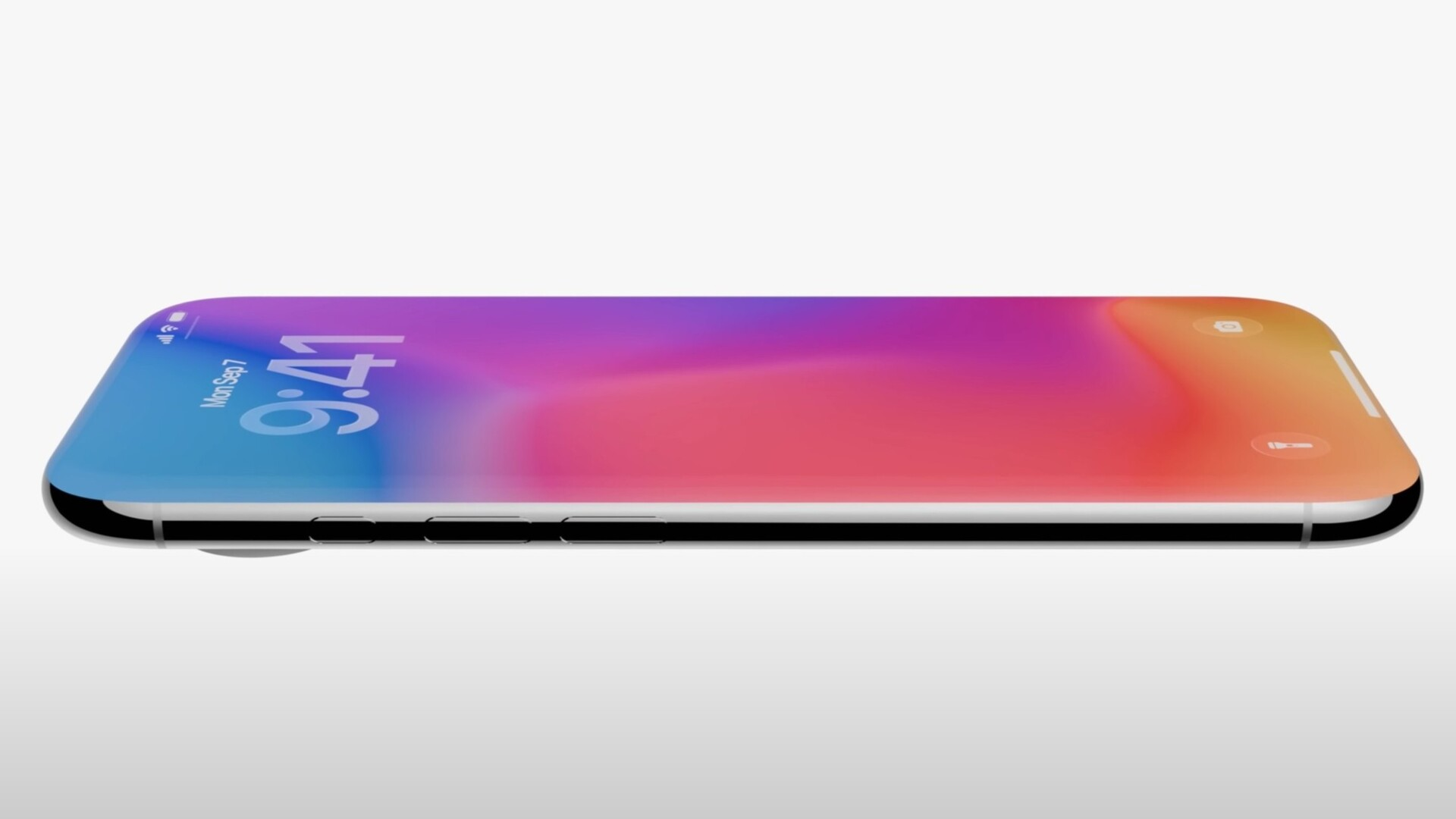
Rather than introducing a truly bezel-less iPhone with radically new hardware, Apple could be leaning into illusion - creating the appearance of a design leap without actually changing the way the iPhone is built.
For months, analysts and Apple enthusiasts have speculated that the company would recreate an “iPhone X moment” to mark two decades since the first iPhone. The iPhone X represented a major shift in design, retiring the iconic home button, introducing Face ID, and debuting an edge-to-edge screen - elements that still define the iPhone today. Naturally, many anticipated a similarly iconic design to arrive in 2027.
The dream of a truly bezel-less iPhone meets technical reality
Earlier rumors suggested that Apple was working on a fully bezel-less iPhone, with a screen that curves across all four edges - appearing like a seamless sheet of glass. Achieving that would require a complex, risk-laden quad-curved OLED display.
However, according to a new leak from @phonefuturist on X, Apple has no plans to use a genuinely curved OLED screen. Instead, the company may place a flat OLED panel beneath a four-sided curved glass layer, creating a “visual trick” that makes the display seem borderless.
The source claims this approach will simulate the look of an all-glass, bezel-free iPhone without the drawbacks of true curved screens. It would also enable better edge-touch control and improved performance for under-display cameras - fitting for a product meant to honor the legacy of the iPhone X.
Why Apple is avoiding real curved screens
The leak includes a conversation with anonymous Apple engineers who explain why the company is steering away from curved OLEDs. The main reason? Curved displays come with serious compromises.
One engineer noted that true edge-curved OLEDs tend to suffer from inconsistent pixel density at the edges, which can lead to uneven visuals. The touch sensitivity in curved zones is also difficult to manage and can create “dead zones” over time, affecting durability.
For a company that prioritizes stability and performance, these imperfections are simply unacceptable.
Another common problem is accidental touches. Curved screens - especially those used by Android competitors like Samsung - have long struggled with palm and edge-touch detection. Accidental triggers can frustrate users, and Apple, known for its seamless user experience, is keen to avoid repeating that mistake.
A safe strategy with a futuristic aesthetic
By curving only the glass layer and keeping the OLED screen flat, Apple could achieve the look of a bezel-less device while maintaining display quality, touch accuracy, and long-term durability.
From certain angles, the curved glass would appear to flow over the edges of the phone, making the screen look like it spills over the sides. Internally, though, everything remains on a stable, flat surface.
This strategy allows Apple to deliver a visually striking product that feels fresh and forward-looking - while sticking to what it does best: building highly reliable devices.
Of course, this remains speculation. With the anniversary iPhone expected in 2027, Apple has around 18 months to change course. For now, the company’s focus appears to be on its upcoming foldable model, the rumored iPhone Fold, which is expected to debut in fall 2026.
Folding future, refined present
While the idea of a seamless glass iPhone is alluring, users should temper their expectations. Apple might deliver a striking design, but it will likely be the result of careful iteration, not reckless innovation.
Former display analyst Ross Young has hinted that the curved-glass strategy could benefit Corning, Apple’s longtime glass supplier - further supporting the theory. And while @phonefuturist isn’t yet a household name in the Apple leaks space, they’ve accurately reported past developments related to Samsung. Given Apple’s ongoing use of Samsung display panels, the source carries some weight.
In many ways, Apple’s reported approach perfectly aligns with its design philosophy: create powerful user experiences, minimize risk, and deliver polish over flash. If a curved-glass illusion can mimic the excitement of an all-new form factor without sacrificing performance, why not take the smarter route?
Hai Phong
.svg)
