 Vietnamnet.vn

 Podcast



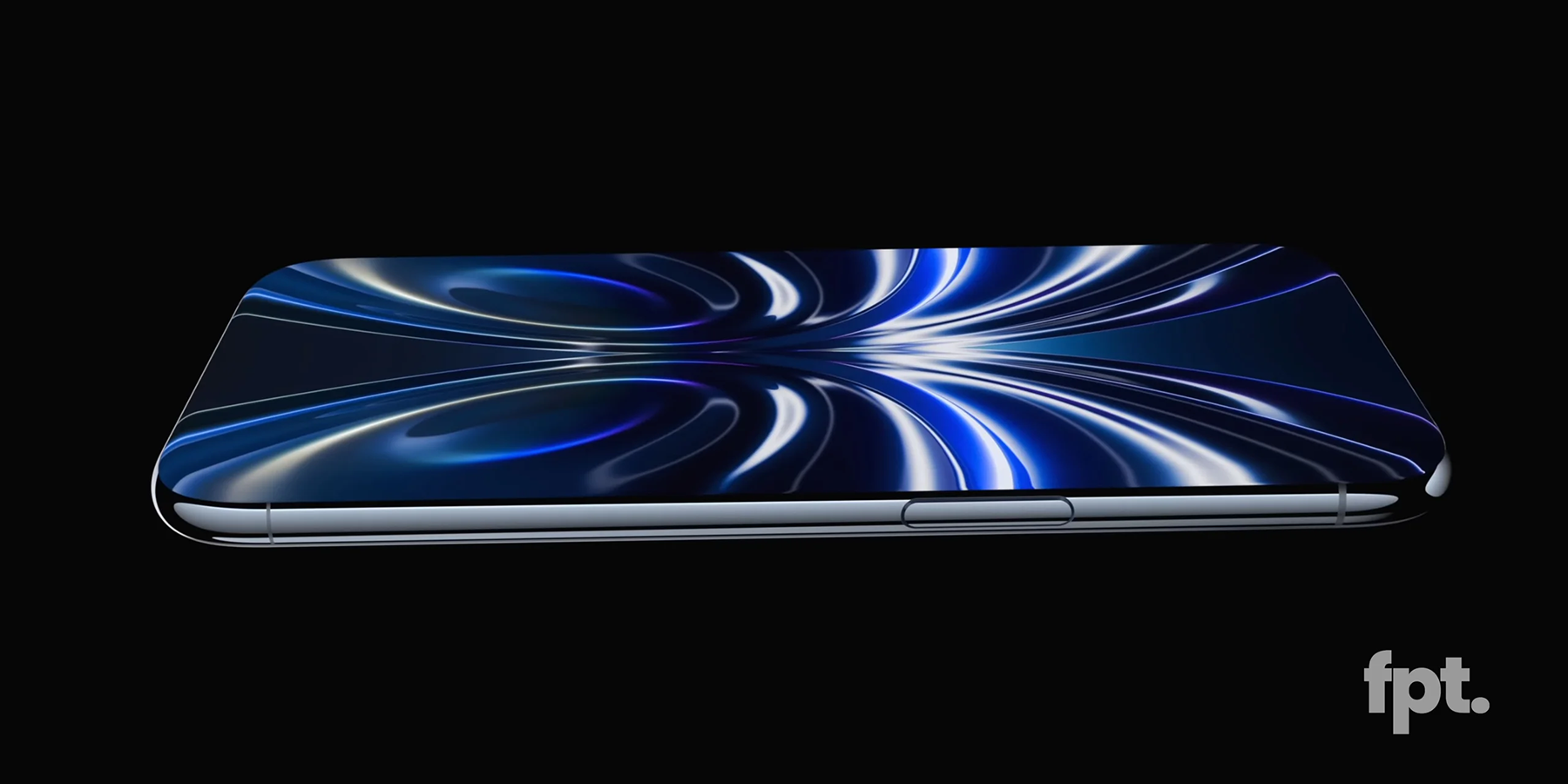
The latest leaks suggest Apple could make major changes to the displays of the iPhone 20 Pro and iPhone 20 Pro Max, potentially setting the two models expected in 2027 apart from today's iPhones.
Most notably, the latest information once again points to a nearly 7-inch display for the Pro Max while revealing further potential changes to screen size and display technology.
If the reports prove accurate, the iPhone 20 generation could deliver one of Apple's biggest advances in iPhone display design in years.
iPhone 20 Pro could move to a 6.4-inch display
According to well-known leaker Digital Chat Station, Apple is developing at least two major display changes for the iPhone 20 Pro and iPhone 20 Pro Max.
The iPhone 20 Pro is reportedly being considered for a 6.4-inch display, slightly larger than the 6.3-inch screen on the iPhone 17 Pro.
An increase of 0.1 inches may not sound significant, but it could still result in a slightly larger overall device.
Notably, Apple is expected to retain the current aspect ratio. This suggests the new display would likely expand proportionally rather than simply becoming taller or wider.
Such an approach could allow Apple to increase usable screen space while preserving the familiar feel of an iPhone.
The trade-off, however, could be a larger body, particularly if Apple is unable to significantly reduce the bezels surrounding the display.
iPhone 20 Pro Max could reach 7 inches
The more striking claim concerns the iPhone 20 Pro Max.
Digital Chat Station has again repeated a rumor that Apple is considering a 7-inch display for its top-end iPhone.
If it materializes, that would represent a significant leap for the Pro Max. Current iPhones are already relatively large, and a 7-inch screen would push the device closer to the boundary between a conventional smartphone and smaller-screen devices such as an iPad.
Like the iPhone 20 Pro, the iPhone 20 Pro Max is expected to retain the current display aspect ratio.
That means reaching 7 inches would not necessarily involve simply making the phone taller. Instead, both its height and width could increase relatively proportionally.
The larger display could provide more room for watching videos, gaming, editing photos or using AI applications.
However, its size would also raise questions about usability, particularly for people who frequently operate their phones with one hand.
Rumors of a bezel-free, four-sided curved display persist
Beyond size, Digital Chat Station has also reinforced earlier rumors that Apple's 20th-anniversary iPhone could feature an almost bezel-free display curved along all four edges.
Reports of such a design began circulating in early 2026 and resurfaced in reports in May.
If Apple ultimately adopts the technology, the iPhone 20 Pro Max could look dramatically different from today's iPhones.
A display curved on all four sides could allow Apple to minimize the bezels and create the impression of the screen flowing toward the edges of the device.
It could also become one of the defining design changes Apple introduces for an iPhone marking 20 years since the original model.
Turning such a concept into a commercial product, however, would require Apple to address several challenges, including durability, impact resistance, display performance along the curved edges and manufacturing costs.
New display chip could improve iPhone 20 Pro Max power efficiency
Apple is also reportedly preparing a significant upgrade to the technology behind the iPhone 20 Pro Max's OLED display, beyond simply increasing its size and changing its design.
An earlier report from ETNews suggested Apple could adopt a new display driver chip responsible for controlling how the screen's pixels operate.
The component plays an important role in both display performance and power consumption.
According to the report, Apple's current display driver chip is manufactured using a 28nm process, while the next generation could move to a 16nm process.
Moving to a smaller manufacturing process could improve efficiency and reduce power consumption.
Combined with other improvements to the OLED panel, this could potentially allow the iPhone 20 Pro Max to offer both a larger display and better energy efficiency.
That could prove particularly important because larger screens generally require more power. If Apple can keep consumption under control, improved display efficiency could partly offset the additional power demands created by the larger panel.
If the current leaks ultimately prove accurate, the iPhone 20 Pro and iPhone 20 Pro Max could bring significant changes in both design and display technology - potentially attracting even more attention than Apple's rumored foldable iPhone.
Hai Phong
.svg)
