 Vietnamnet.vn

 Podcast



Despite bringing Apple's iOS ecosystem into the foldable segment for the first time, the iPhone Duo faces formidable Android competitors from Samsung, OPPO and Motorola, many of which offer major advantages in price, slimmer and lighter designs, cameras and charging technology.
iPhone Duo: Apple's $2,470 challenge
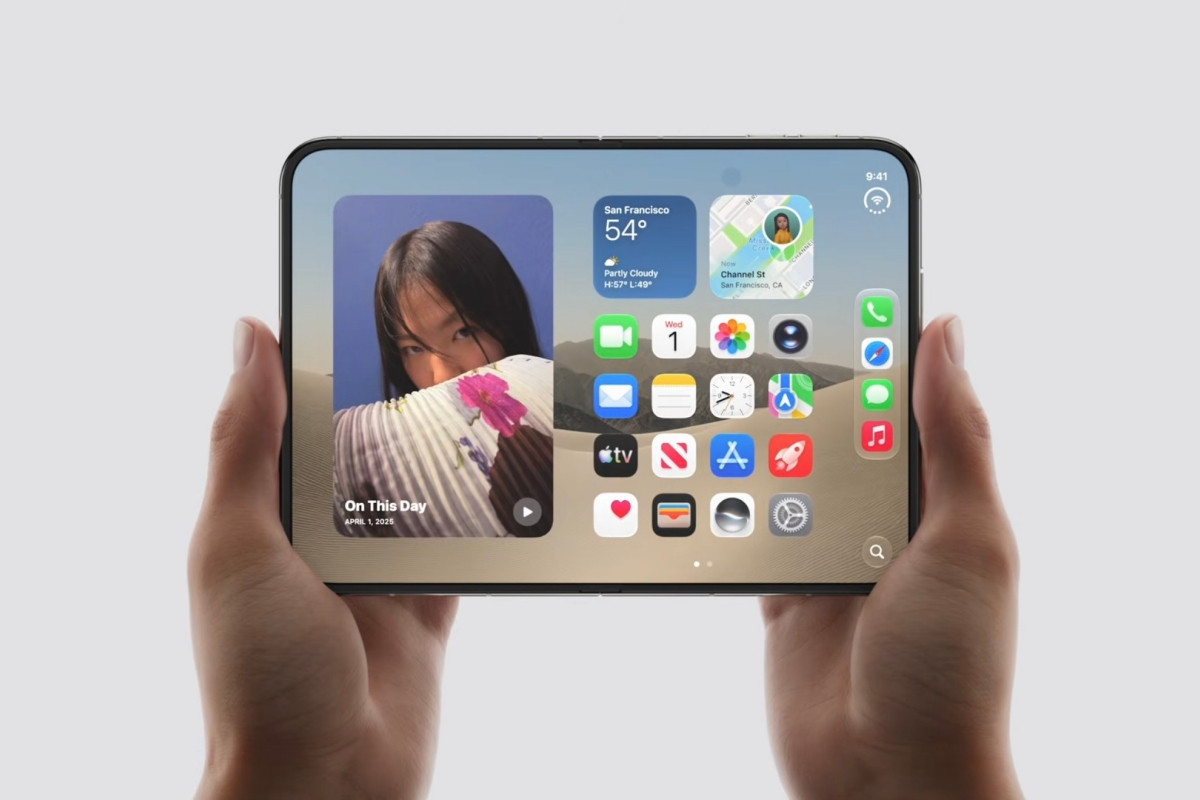
Vietnam is among the first markets where Apple is launching the iPhone Duo, with pre-orders opening on Oct. 16, 2026, followed by deliveries from Oct. 23.
The standard iPhone Duo with 256GB of storage is priced at VND64.99 million, or about $2,470.
The book-style foldable stands out with its premium titanium frame. It measures just 5.2 mm thick when unfolded and 11.3 mm when folded, while weighing 254g.
It features two 120Hz Super Retina XDR ProMotion displays: a 7.6-inch inner screen and a 5.4-inch outer display, with peak outdoor brightness reaching 3,000 nits.
Under the hood, the iPhone Duo is powered by Apple's 2nm A20 Pro processor and a dual-battery system offering up to 44 hours of video playback. It also features a 48MP Dual Fusion dual-camera system and a FaceTime camera hidden beneath the inner display.
The device carries an IP68 dust- and water-resistance rating, uses Touch ID integrated into the side button and eliminates the physical SIM tray entirely in favor of dual eSIM support.
Despite its high-end specifications, the iPhone Duo's nearly VND65 million price tag puts it in direct competition with established Android foldables.
Samsung Galaxy Z Fold8 Ultra - $1,860 for 256GB
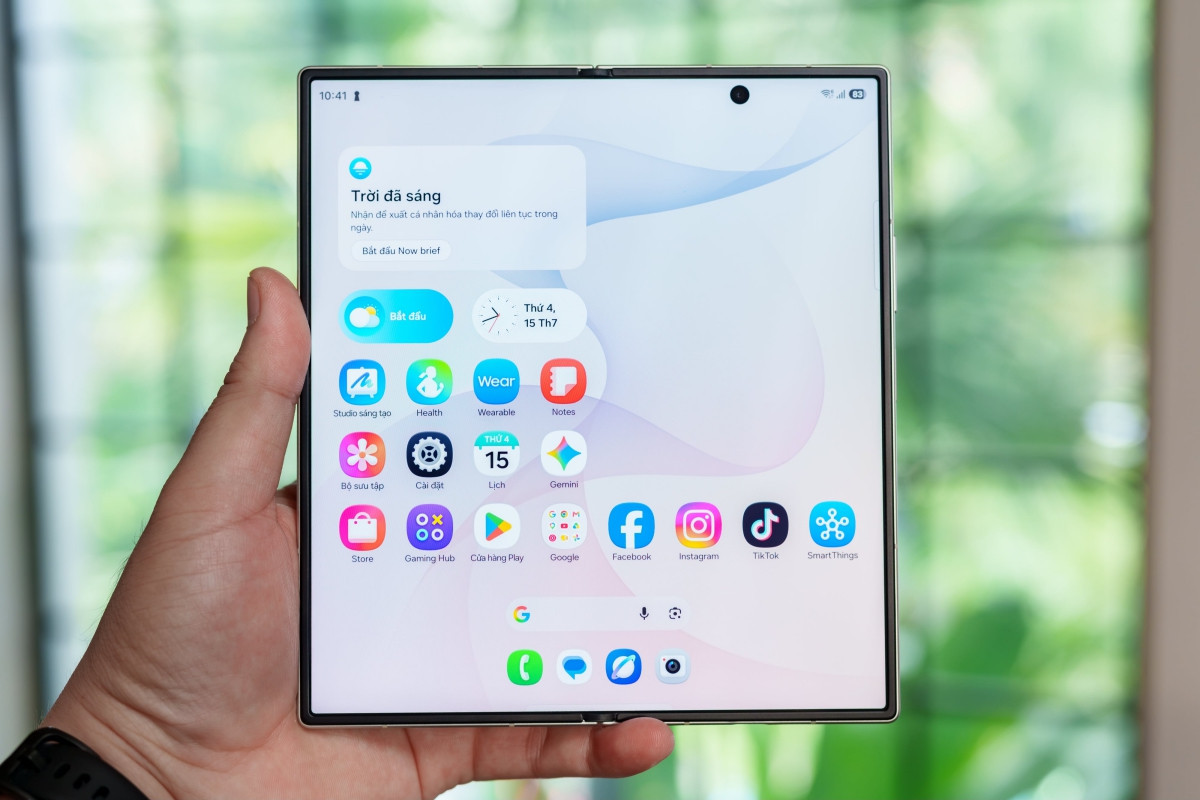
Compared with the iPhone Duo, the Galaxy Z Fold8 Ultra has a clear advantage in portability. It measures just 4.1 mm thick when unfolded and 8.9 mm when folded, while weighing 214g, considerably less than the iPhone Duo's 5.2 mm, 11.3 mm and 254g measurements.
The Samsung foldable also provides more screen space, with an 8-inch Dynamic AMOLED 2X main display and a 6.5-inch cover screen, reaching 3,000 nits of brightness.
Its triple rear-camera system features a 200MP main camera, a 10MP telephoto camera with 3x optical and 30x digital zoom, and a 50MP ultrawide camera. It can record 8K video at 30fps.
The device is powered by the 3nm Snapdragon 8 Elite Gen 5 for Galaxy processor and packs a 5,000mAh silicon-carbon battery with 45W fast charging. It carries an IP48 rating and supports one Nano SIM and one eSIM.
Another major advantage is price: the Galaxy Z Fold8 Ultra costs VND16 million, or about $610, less than the entry-level iPhone Duo.
Its drawback compared with Apple's foldable is its IP48 rating, which falls short of the iPhone Duo's IP68 protection, including water resistance at depths of up to six meters.
As an Android device, the Galaxy Z Fold8 Ultra may also lack the level of app interface optimization and consistency offered by Apple's iPhone Duo and its tightly controlled iOS ecosystem.
Samsung Galaxy Z Fold8 - $1,560 for 256GB
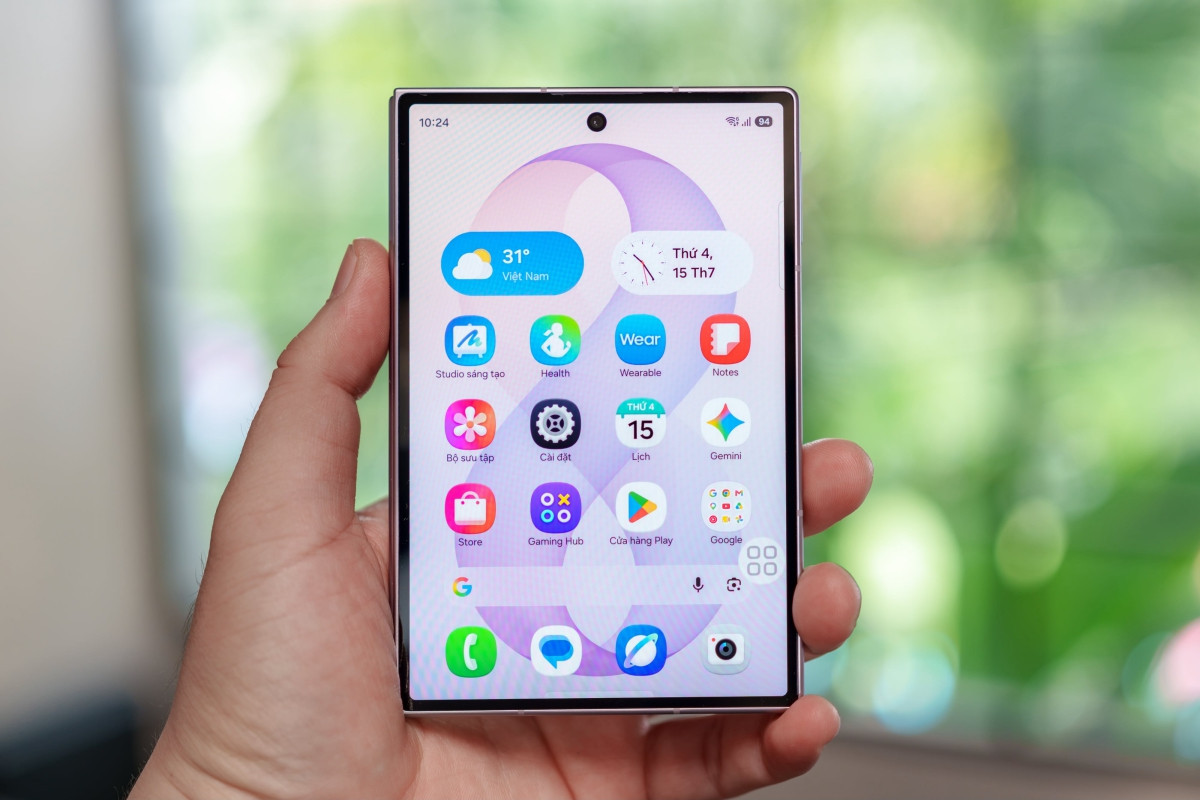
At the same 256GB storage capacity, Samsung's new foldable costs VND24 million, or about $910, less than the iPhone Duo.
The Galaxy Z Fold8 uses a 4:3 display aspect ratio similar to the iPhone Duo, but weighs just 201g and measures 9.7 mm thick when folded. Its 7.6-inch main display provides a relatively square workspace suited to spreadsheets and PDF documents.
The smartphone uses the Snapdragon 8 Elite Gen 5 for Galaxy processor, a dual 50MP camera system and a 4,800mAh battery, and carries an IP48 water-resistance rating.
Compared with Apple's foldable, one drawback is battery endurance. Its 4,800mAh battery provides around 26 hours of video playback, considerably less than the iPhone Duo's dual-battery system, which offers up to 44 hours of video playback using the outer display.
Samsung has also removed the telephoto camera found on the Ultra version, while the device lacks stylus support and is limited to an IP48 rating.
OPPO Find N6: a direct rival
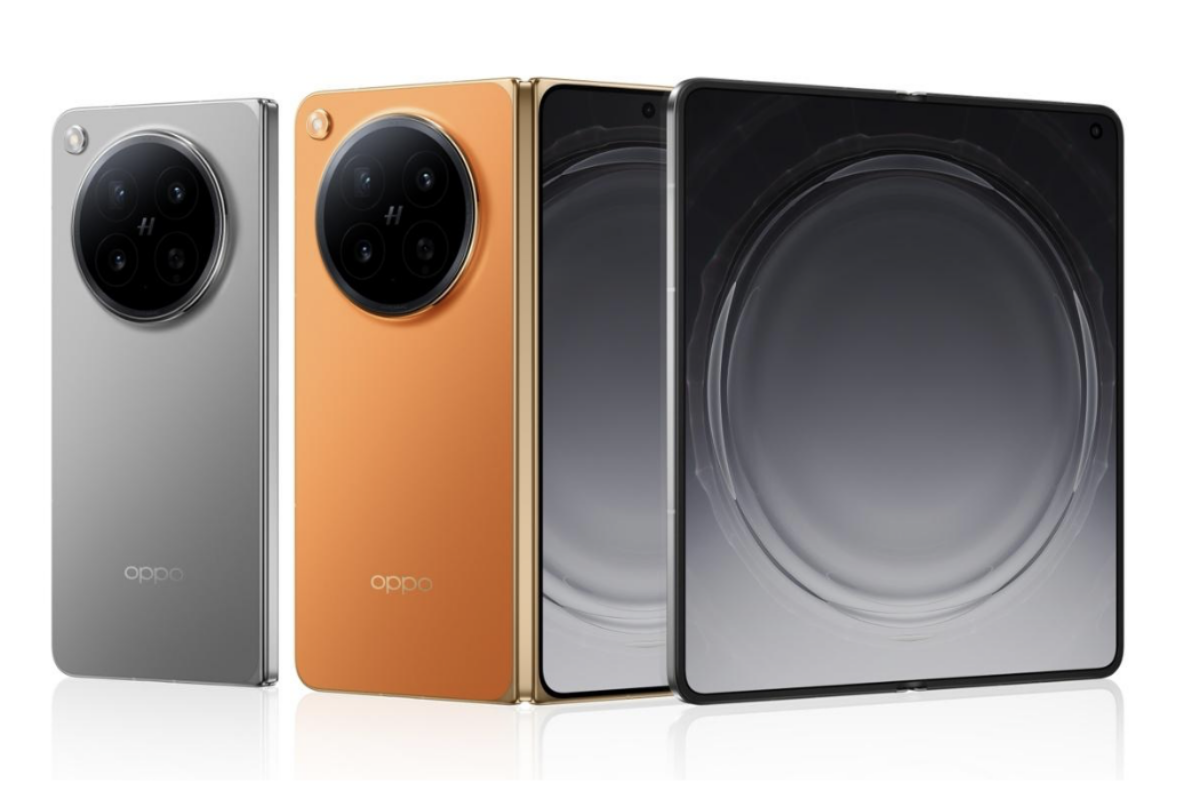
The OPPO Find N6 is arguably the iPhone Duo's most direct competitor in Vietnam in terms of price.
At the same VND64.99 million, or roughly $2,470, the Find N6 offers 16GB of RAM and 512GB of storage, compared with 256GB of storage on the entry-level iPhone Duo.
It measures 4.21 mm thick when unfolded and 8.93 mm when folded, and weighs 225g. It features an 8.12-inch inner AMOLED foldable display and a 6.62-inch outer screen with brightness of up to 1,800 nits.
Its Hasselblad-branded camera system includes a 200MP main camera, a 50MP periscope telephoto camera with optical image stabilization and up to 120x digital zoom, and a 50MP ultrawide camera. The phone supports 4K video recording at 120fps.
The Find N6 packs a 6,000mAh silicon-carbon battery with 80W SUPERVOOC wired charging, which can fully recharge the device in 47 minutes, as well as 50W AIRVOOC wireless charging.
It also offers flexible SIM options, supporting either two Nano SIMs or one Nano SIM plus one eSIM, along with IP56, IP58 and IP59 water-resistance ratings.
One disadvantage compared with the iPhone Duo is the Find N6's outer-display brightness of 1,800 nits, below the iPhone Duo's 3,000-nit outdoor brightness.
Its IP56, IP58 and IP59 certifications also fall short of the iPhone Duo's full IP68 rating.
Motorola Razr Fold 5G: lower price, 6,200-nit display
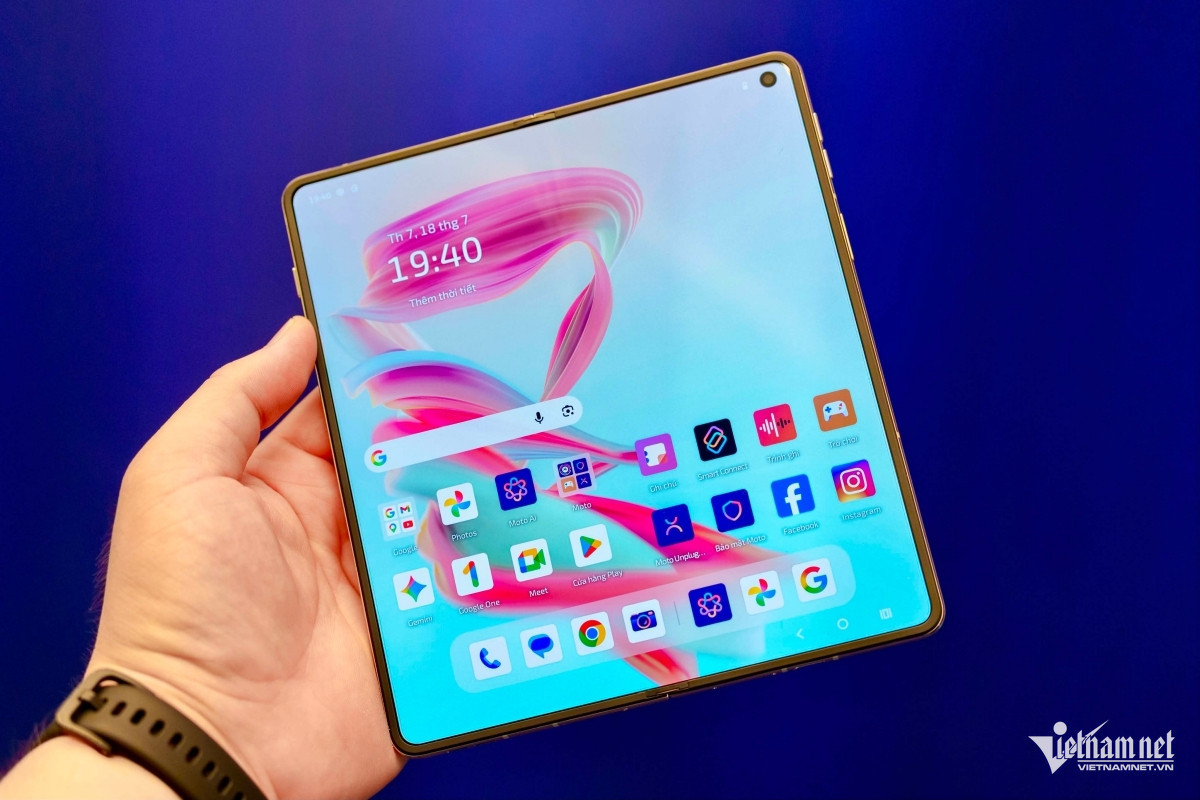
The Motorola Razr Fold 5G is putting significant pressure on the large-screen foldable segment with its highly competitive price.
With a promotional price of VND39.99 million, or about $1,520, for the 256GB version, it costs VND25 million, or roughly $950, less than the iPhone Duo.
Its 8.1-inch 2K LTPO pOLED inner display reaches peak brightness of 6,200 nits. The 6.6-inch outer display offers a refresh rate of up to 165Hz and brightness of 6,000 nits, far exceeding the iPhone Duo's 3,000-nit outdoor brightness.
The rear camera system consists of three 50MP cameras and supports 8K video recording at 30fps.
The phone is powered by the Snapdragon 8 Gen 5 processor, paired with 12GB of RAM and a 6,000mAh silicon-carbon battery. It supports 80W fast charging, with a 90W charger included in the box, and features Sound by BOSE/Dolby Atmos audio along with an IP49 dust- and water-resistance rating.
However, its IP49 protection is substantially weaker than the iPhone Duo's IP68 rating and does not provide the same protection for immersion in water at depths of up to six meters.
The Motorola foldable also uses a metal frame combined with an artificial leather back rather than the iPhone Duo's premium titanium frame.
Le My
.svg)
