 Vietnamnet.vn

 Podcast



A strategic reset for the AI era
For years, Apple has been expected to deliver a breakthrough in AI. But as competition intensified and internal progress lagged, the company seems to have acknowledged a difficult reality: winning the AI race alone may not be feasible.
Rather than doubling down on a struggling strategy, Apple is pivoting toward a model that leverages its core strengths - hardware, ecosystem and user loyalty.
According to Mark Gurman of Bloomberg, Apple is restructuring its AI roadmap ahead of its upcoming developer conference.
At the heart of this shift is a simple idea: let others handle the intelligence, while Apple controls the platform.
Turning Siri into a gateway, not a competitor
The new plan, expected to be unveiled at WWDC on June 8, consists of two major components.
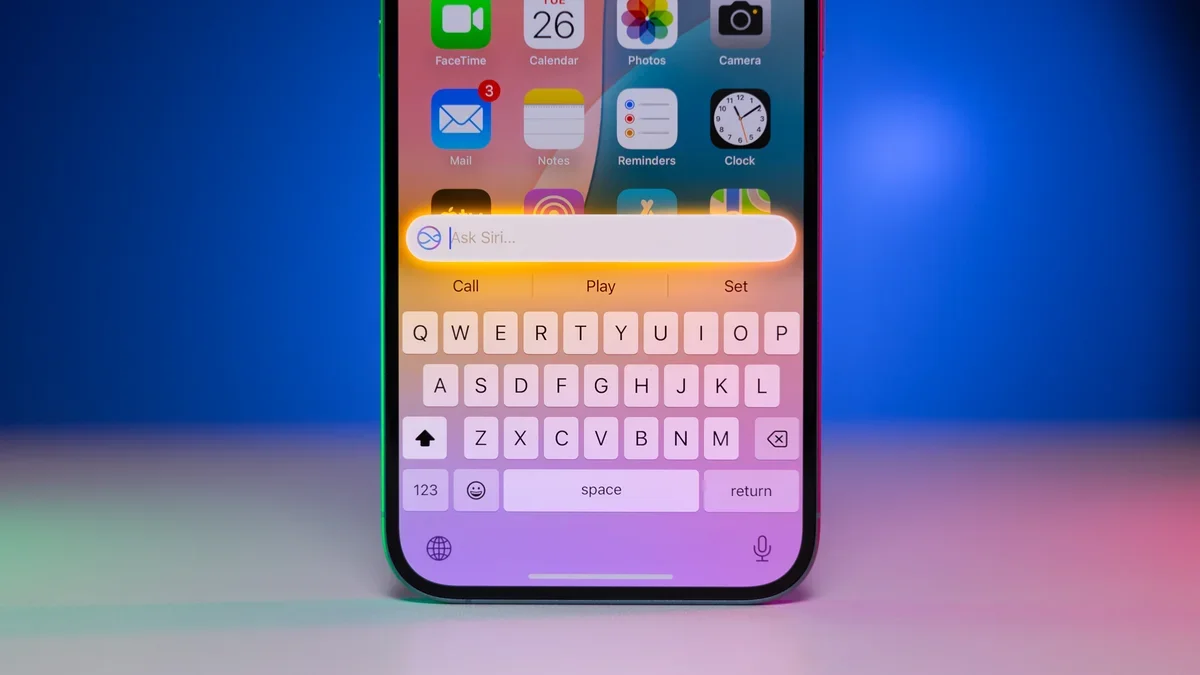
First, Apple is developing an “Extensions” feature for iOS 27, allowing users to install and use AI chatbots such as ChatGPT, Gemini or Claude directly within Siri. This would effectively transform Siri into a gateway for multiple AI services rather than a standalone assistant.
In parallel, Apple is reportedly preparing a dedicated section within the App Store focused on AI tools - an “AI App Store” layered inside the existing ecosystem.
The second component involves rebuilding Siri itself using Gemini’s underlying technology, ensuring that Apple’s default assistant remains functional and competitive from the outset.
A familiar model, applied to a new frontier
The strategy mirrors Apple’s long-standing approach with apps. While the company offers its own services like Mail or Maps, users are free to choose alternatives such as Gmail or Google Maps - all while Apple continues to benefit from its platform.
However, AI represents a deeper shift. Unlike traditional apps, AI is increasingly becoming the next interface layer of computing - something closer to an operating system than a simple tool.
Opening the iPhone to third-party AI, therefore, is not just a feature decision. It is a fundamental redefinition of Apple’s role in the technology stack.
Admitting limits, unlocking new possibilities
Internally, Apple has already undergone significant restructuring after delays and underwhelming progress in its AI initiatives. Features under the “Apple Intelligence” umbrella have yet to meet expectations, and Siri’s long-promised upgrades have repeatedly been postponed.
Seen in this light, the pivot is both pragmatic and strategic.
Recognizing when to change direction is often as important as innovation itself. By shifting to “plan B”, Apple is effectively turning a weakness into an opportunity - allowing top AI developers to compete for presence on iPhone, while the company captures value through its ecosystem, including its standard 30% commission on subscriptions.
The real test lies ahead
The success of this strategy will ultimately depend on user experience.
Will iPhone users feel they are interacting with a powerful, seamless AI system? Or will Apple be perceived merely as an intermediary between users and third-party intelligence?
That question will define whether this pivot marks a quiet retreat - or the beginning of a new kind of dominance in the AI era.
Hai Phong
.svg)
