 Vietnamnet.vn

 Podcast



After years of waiting, the Ta Oi community in Ta Rut commune, Quang Tri province, has revived the Arieu Piing Festival, a sacred traditional ritual rich in cultural meaning and community spirit.
Arieu Piing: Honoring ancestors and remembering one’s roots
In late July, Ta Rut commune in Quang Tri province became a gathering place for Ta Oi people as the Arieu Piing Festival was held again after a hiatus of several years.
In traditional Ta Oi belief, Arieu Piing is a ceremony associated with tombs and the reburial of the deceased, and is considered one of the largest and most important rituals in the community’s spiritual life.
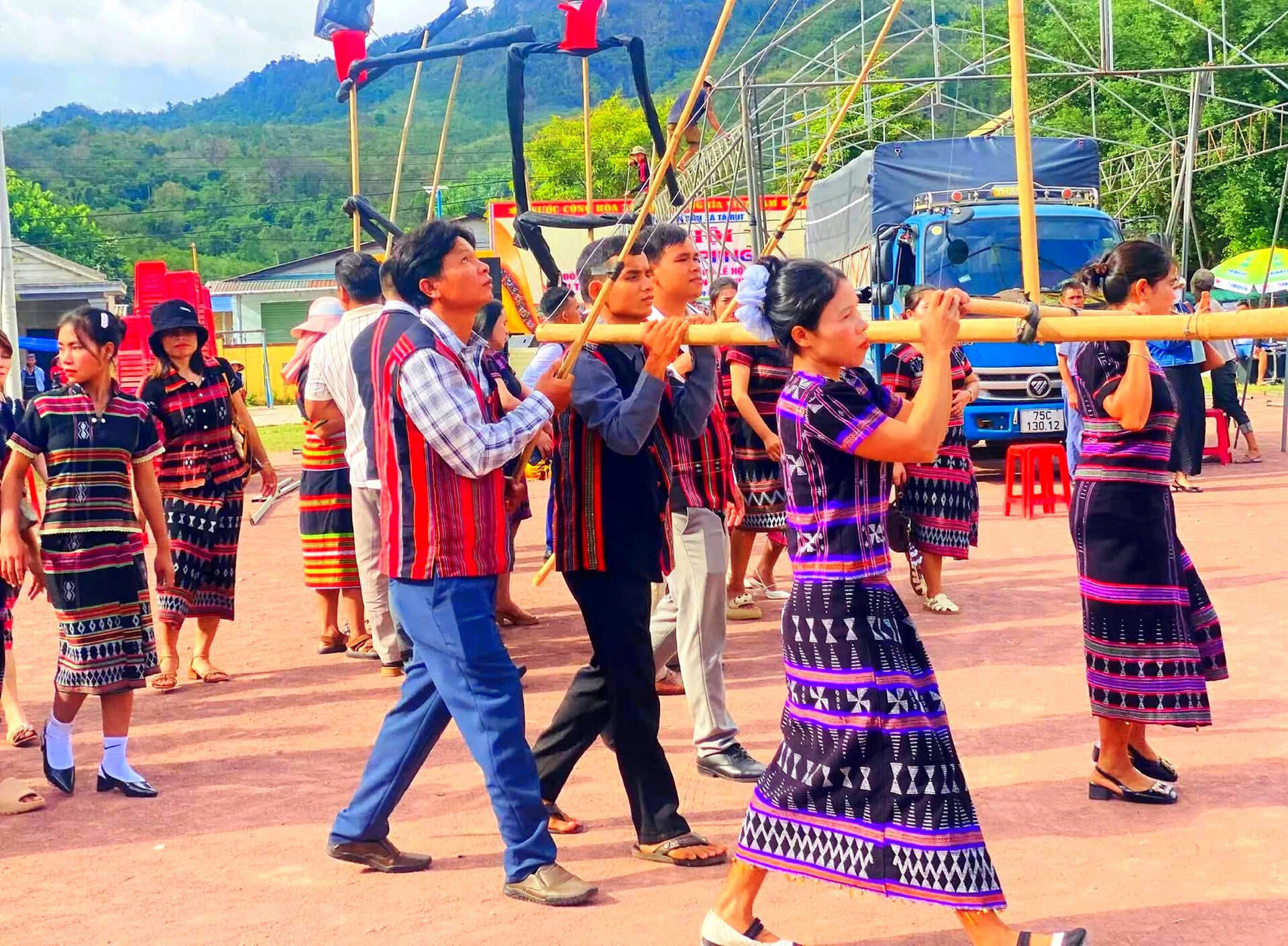
The Ta Oi believe that the deceased inhabit a world of their own. Arieu Piing is an occasion for families and the wider community to move the remains of their relatives from temporary graves and rebury them in permanent, elaborately decorated tomb houses known as An Trap. The ritual expresses reverence for the deceased while conveying hopes for peace and prosperity for their descendants.
The deeper meaning of Arieu Piing lies not only in its spiritual rites but also in the way the community expresses filial devotion, family ties and bonds across generations. For the Ta Oi, it is a time to remember their ancestors, pay tribute to those who have passed away, reunite with relatives and strengthen community relationships.
Kon Keng, a village elder from the A Deng clan in Ta Rut commune, said it had been many years since the Ta Oi had experienced an Arieu Piing season as lively as this one.
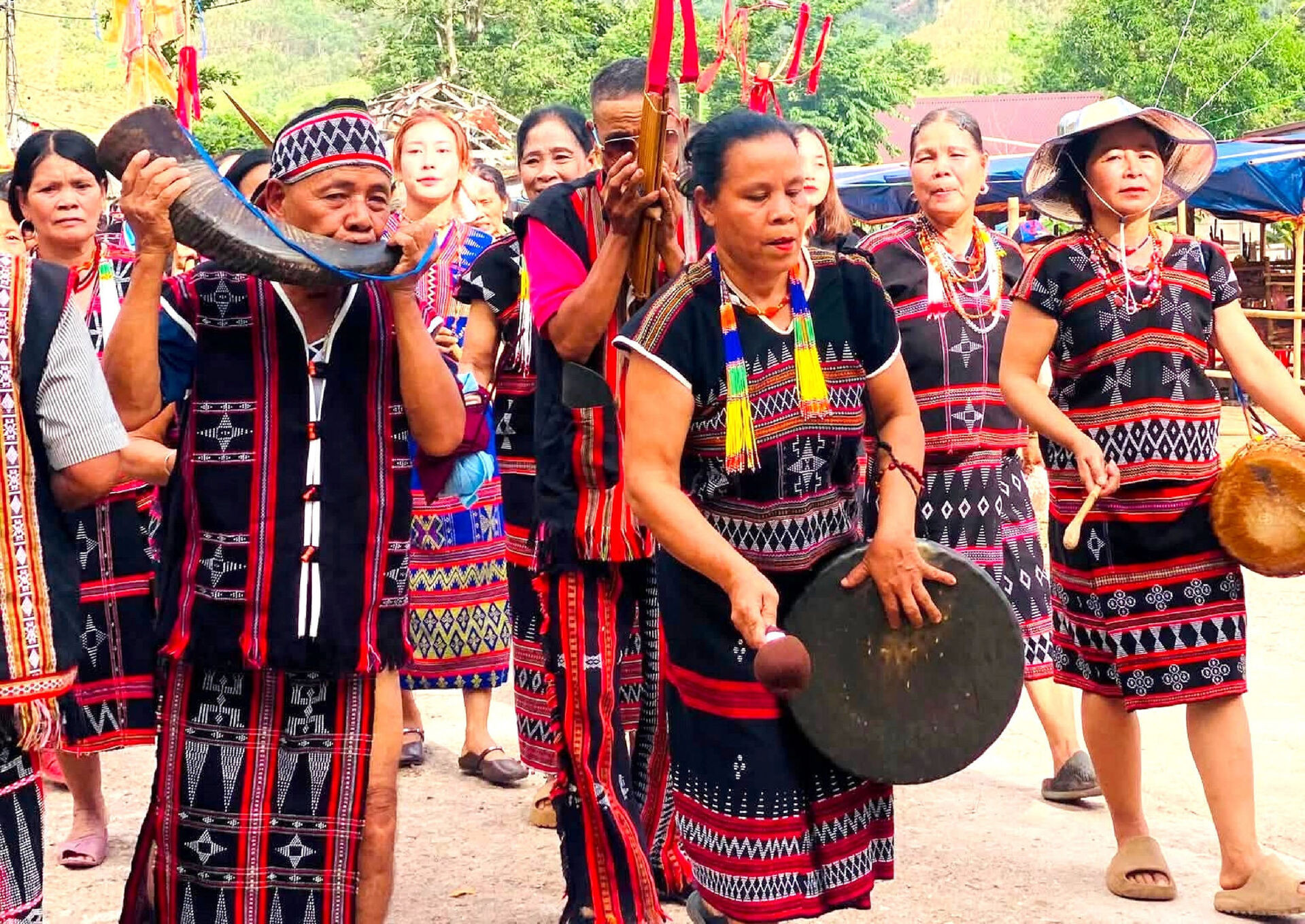
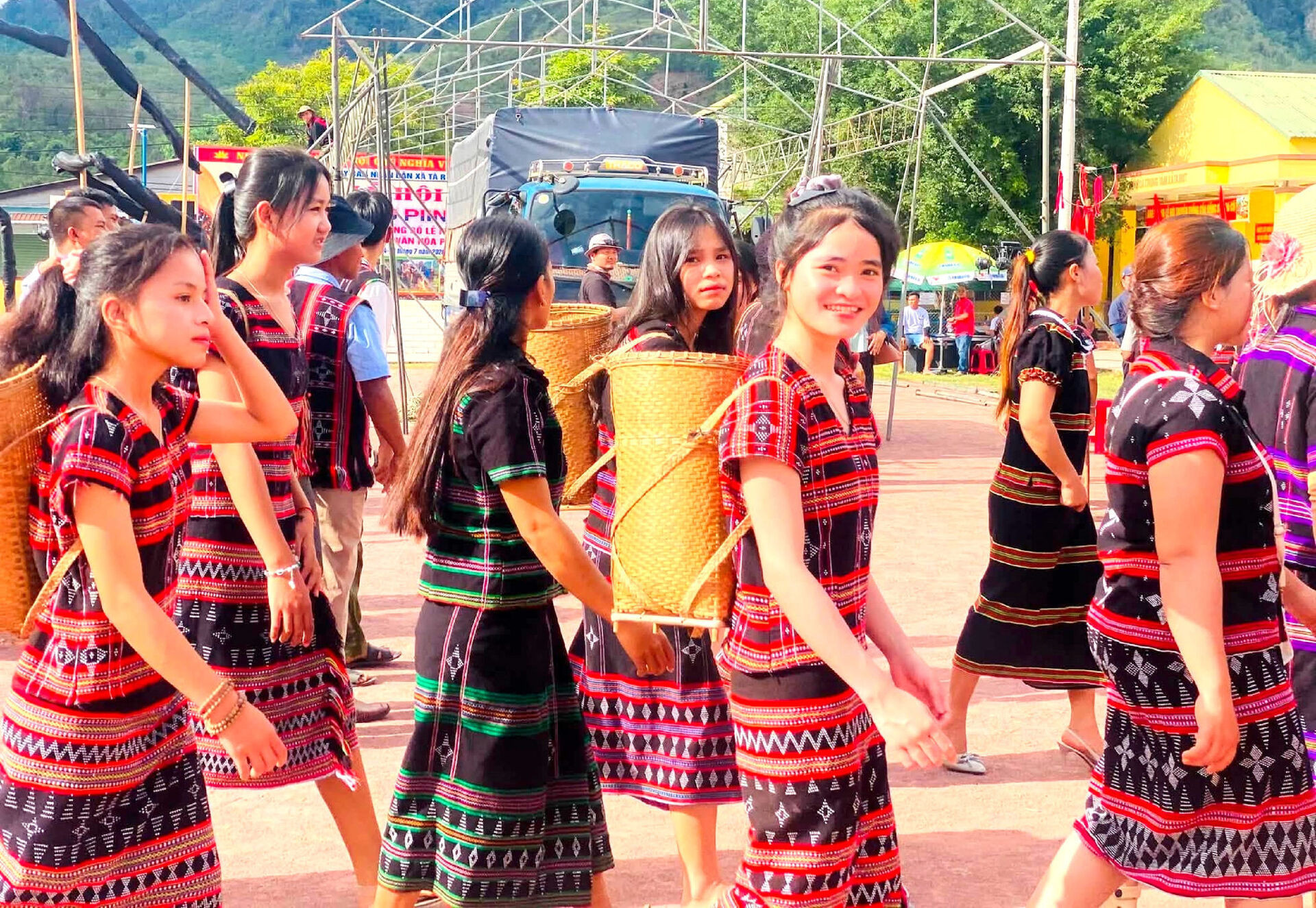
The festival is not held annually. Its timing depends on the circumstances and agreement of each community, meaning several years can pass between celebrations. For many Ta Oi people, attending Arieu Piing can therefore become a particularly cherished memory of a lifetime.
Throughout the festival, the sounds of gongs and drums reverberate across the mountains. Groups dressed in traditional clothing join processions, while Rzook dance circles form around the tomb houses. Young and old, men and women come together to dance and sing traditional folk melodies such as Xieng, Kloi, Cha Chap and Ra Doac. Fires are lit, creating an atmosphere that is at once sacred and exuberant.
Gongs hold a special place in Arieu Piing. In traditional belief, their sound does more than create a festive atmosphere. It serves as a connection between people and the spiritual world, carrying the living’s farewells, gratitude and wishes to those who have passed away.
Ta Oi artisan Kray Suc said villages work together in preparation for the festival, repairing tomb houses, preparing offerings, erecting the Tar tong ceremonial pole and carving wooden statues. Depictions of people, animals and plants adorning the tomb structures not only create their distinctive beauty but also reflect the community’s worldview, its understanding of life and its relationship with nature.
Arieu Piing, therefore, is far more than a ceremony for the dead. Within every gongbeat, drum rhythm, dance and ritual live the community’s memories, its tradition of remembering those who came before, and its deep attachment to its homeland and mountains.
Keeping the heritage alive
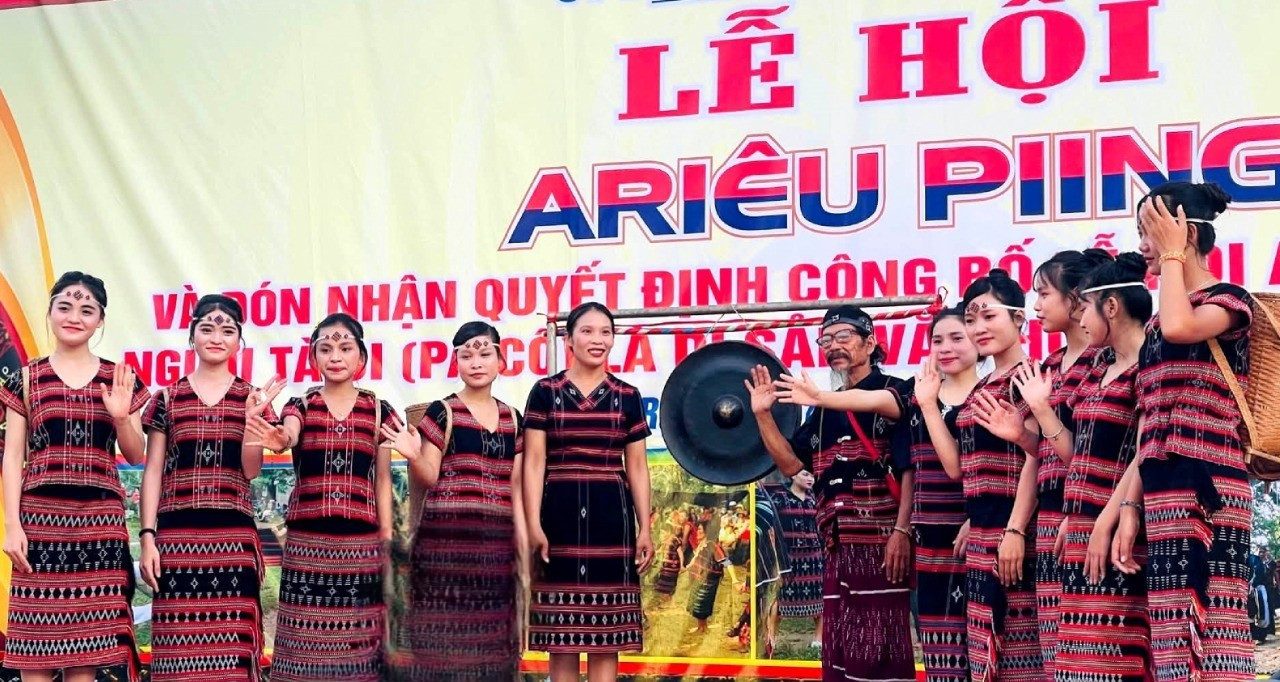
“Preserving Arieu Piing in modern life is not only about safeguarding traditional rituals. We must also ensure that the heritage is passed from one generation to the next,” said Nguyen Sy Huan, Chairman of the Ta Rut Commune People’s Committee, Quang Tri province
The 2026 Arieu Piing Festival drew large numbers of Ta Oi residents, artisans and village elders from Ta Rut, La Lay, A Doi and Lia communes.
A highlight of this year’s festival was the presentation of the decision recognizing the Ta Oi people’s Arieu Piing Festival as part of Vietnam’s national intangible cultural heritage. The occasion marked another milestone in the community’s journey to preserve, transmit and promote its cultural values.
In fact, the Ministry of Culture, Sports and Tourism added the Ta Oi people’s Arieu Piing Festival to the national intangible cultural heritage list in 2023. Holding the festival and formally receiving the recognition in 2026 therefore carried added significance, bringing the heritage title back to the very community that has safeguarded the tradition for generations.
The festival makes clear that heritage does not reside only in artifacts placed on display. It lives within the community itself. From intricately decorated tomb houses to ceremonial poles and wooden statues, and from gongs and drums to folk songs and dances, every element tells a story about the Ta Oi people’s origins and their relationship with nature, their ancestors and one another.
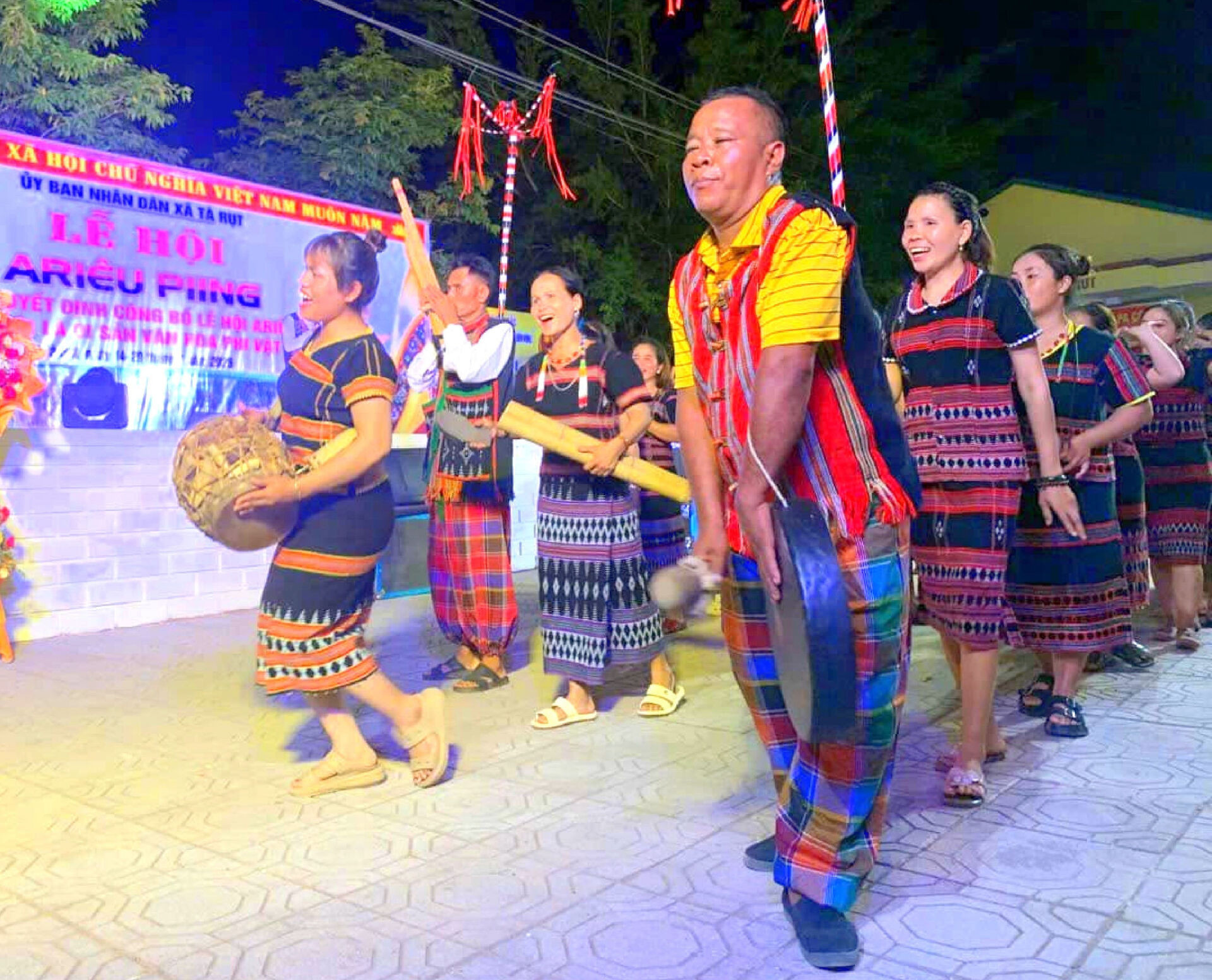
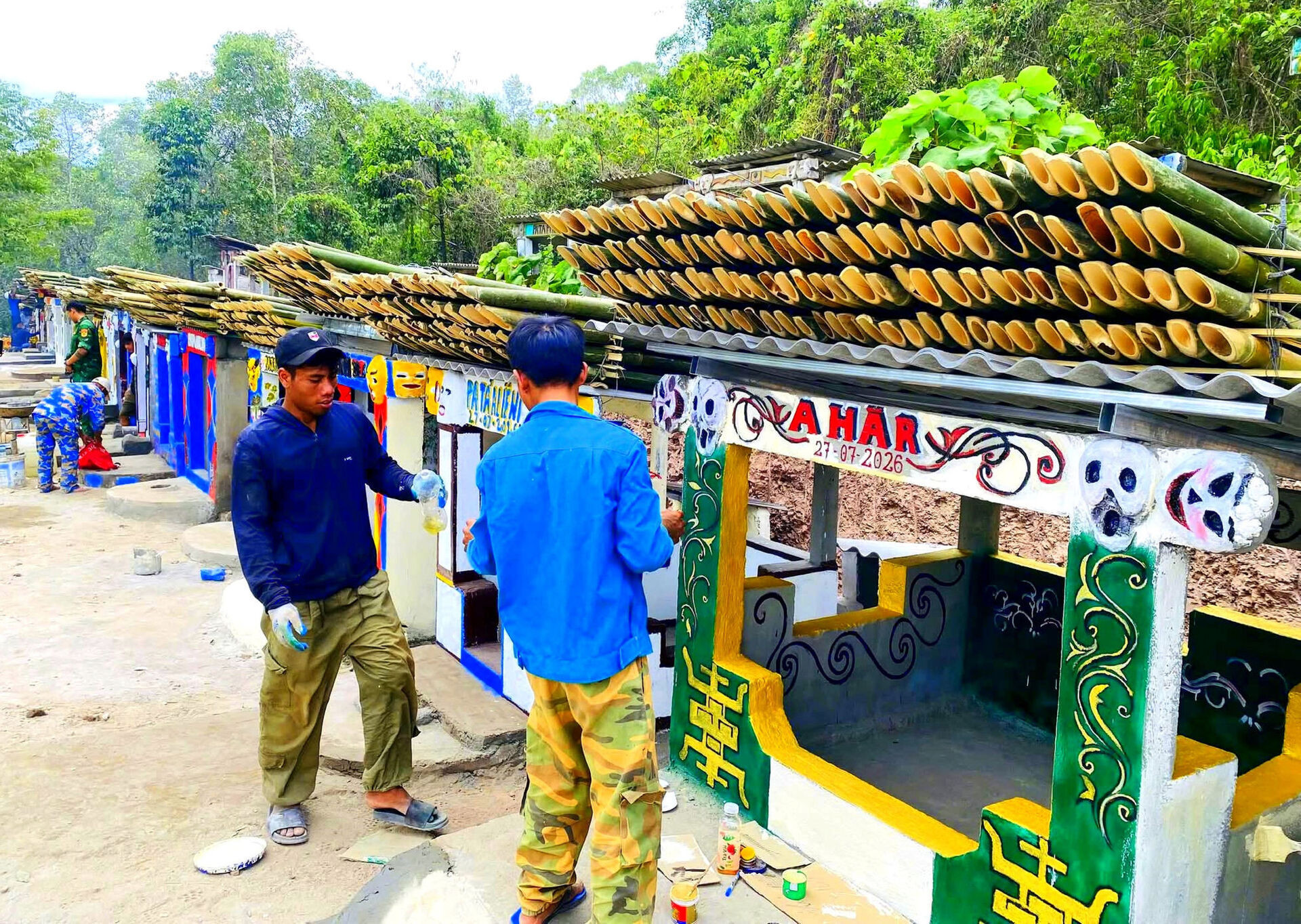
During the nights of ritual, beside the tomb houses, gongbeats shift from urgent to measured rhythms, mingling with conversation and song. Elders recount stories of customs and ancestors while younger generations join the dance circles. Some children fall asleep on their mothers’ backs amid the festivities.
Such scenes show that cultural transmission does not happen only through books. It takes place naturally within the rhythms of community life.
According to Nguyen Sy Huan, Chairman of the Ta Rut Commune People’s Committee, preserving Arieu Piing in modern society means not only maintaining traditional rituals but also ensuring their transmission across generations.
The participation of village elders, artisans and the wider community is therefore vital to keeping the heritage alive, while allowing its cultural value to contribute to cultural promotion and tourism development.
Tieu Dao
.svg)
