 Vietnamnet.vn

 Podcast



“Where Madame Binh appeared, people no longer noticed anyone else... when she spoke, they no longer wished to hear anyone else... she was mysterious and refined.”
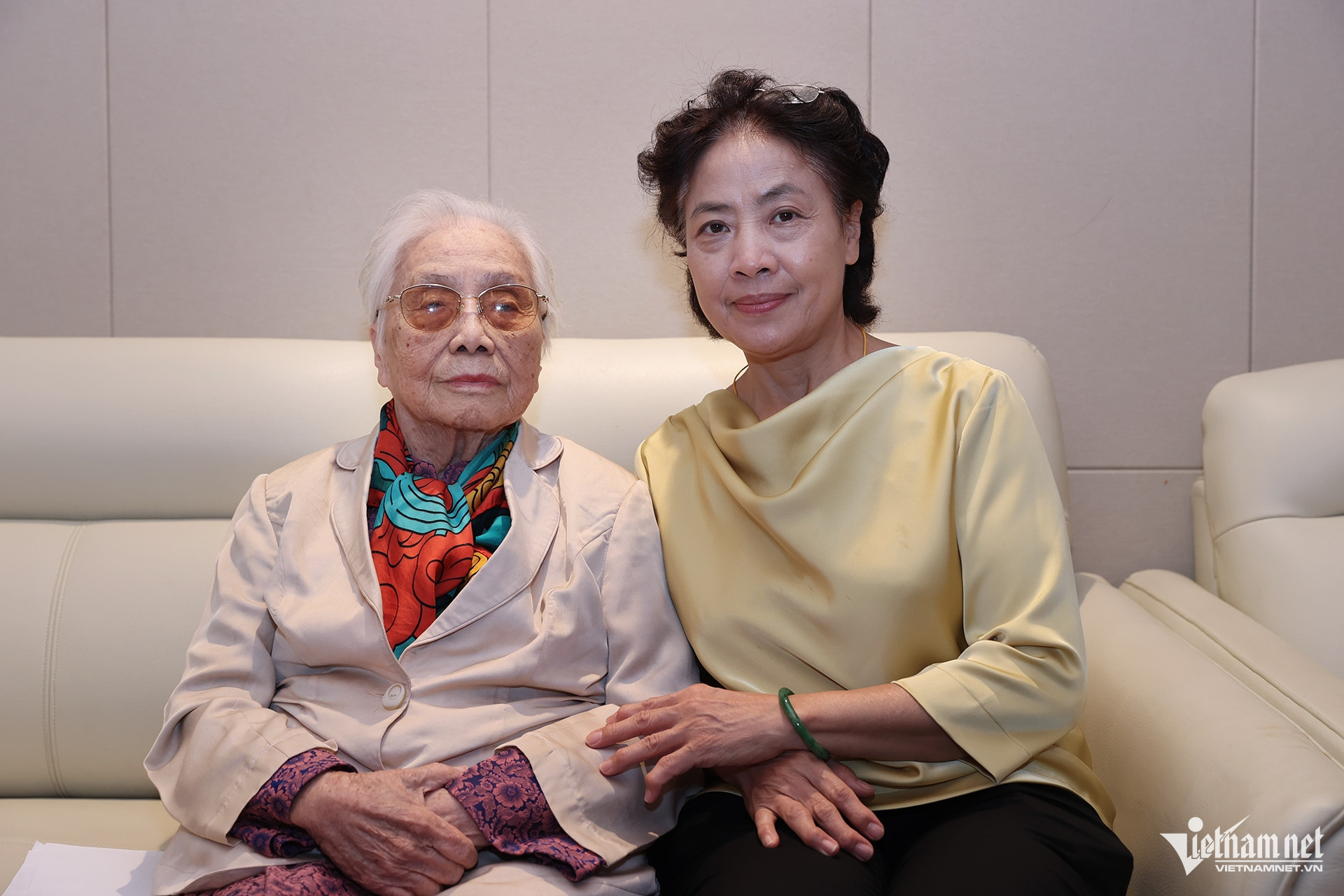
In a sunlit room, former Vice President Nguyen Thi Binh welcomed VietNamNet reporters on her 99th birthday on May 26. Time seems only to have silvered her hair, while her wisdom, gentleness and diplomatic aura remain untouched - the same qualities that once earned the admiration of world leaders and international statesmen.
People once called her “the woman dancing among wolves.” Yet after all the upheavals Vietnam endured, what remains in her is not the cold sharpness of a negotiator, but the serenity of someone who completed a journey guided by justice, carrying within her an unwavering belief in a glorious and proud Vietnam.
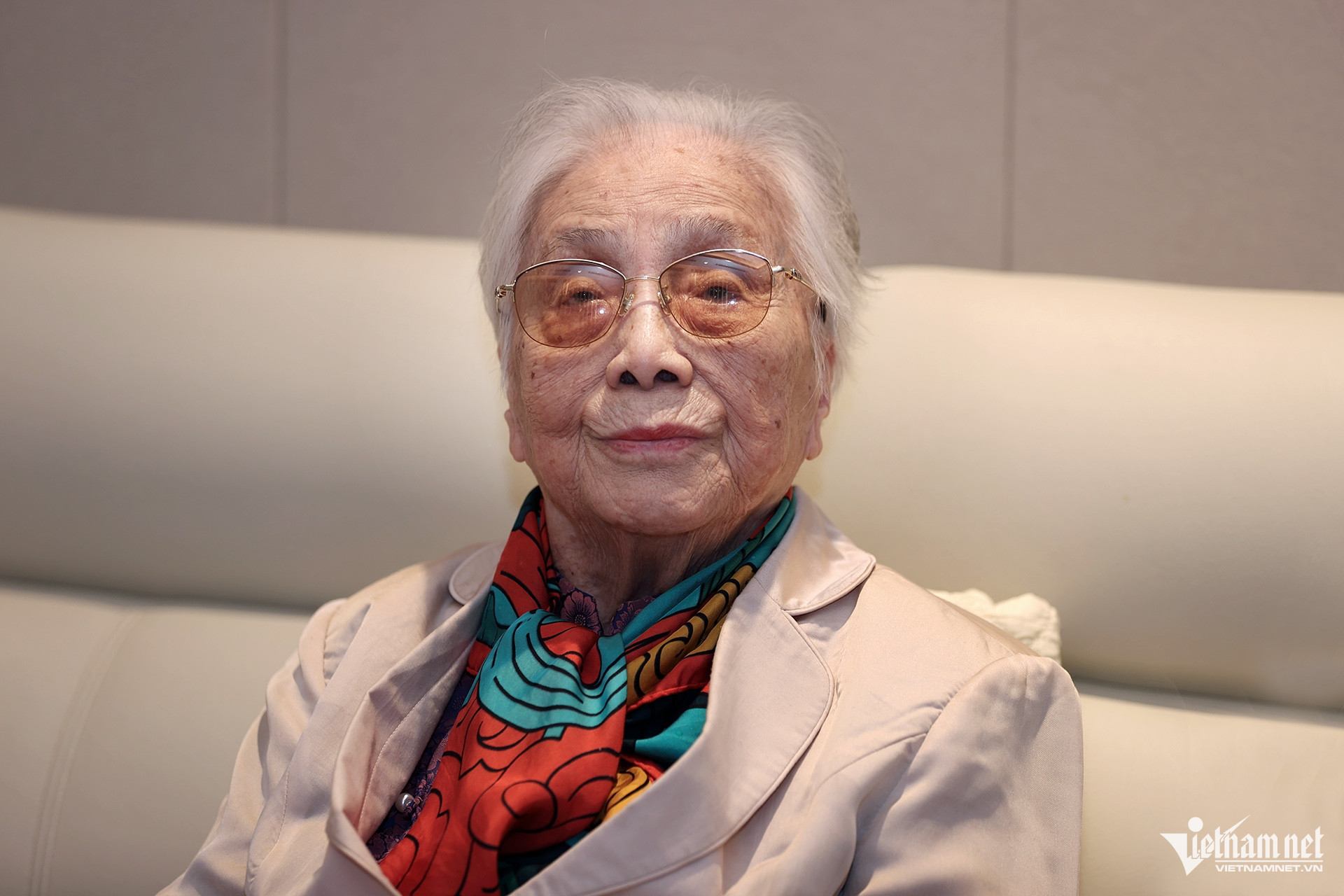
Looking back on nearly a century of life, she speaks little about titles or honors. What she remembers most vividly are the years when the country was engulfed in war.
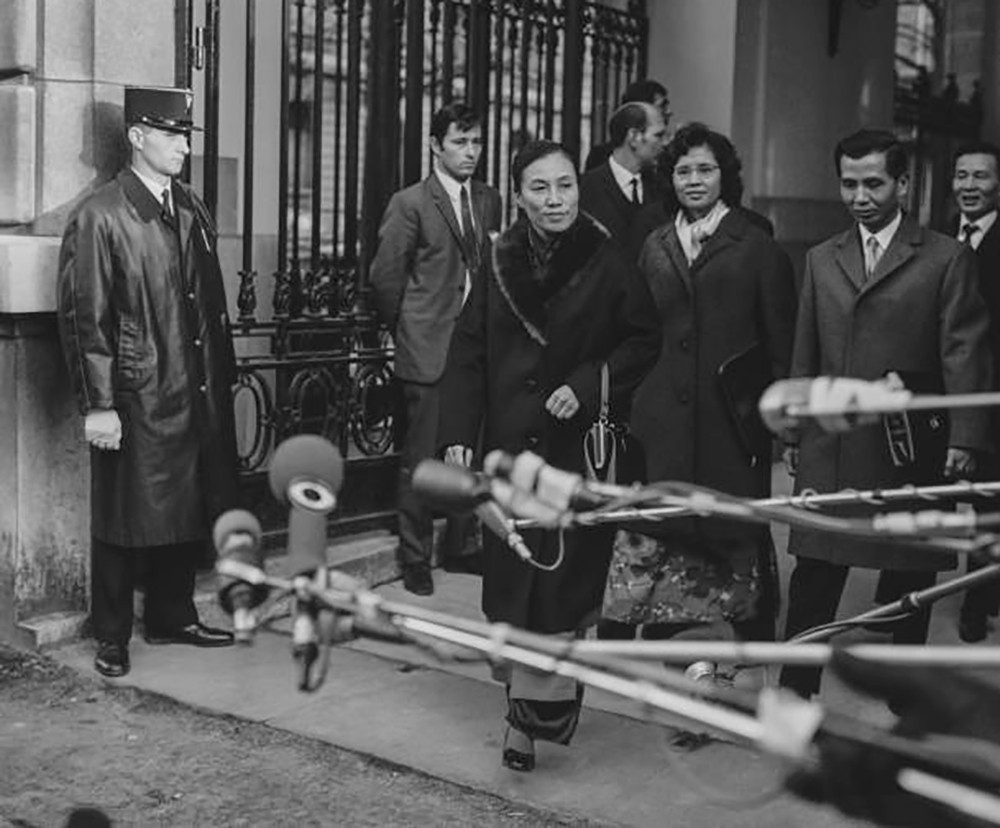
“I joined the revolution at 18. After more than 80 years of service, I have witnessed many major events in the country’s history. But the period that left me with the deepest memories was the resistance war against the United States, especially the negotiations in Paris,” she told VietNamNet slowly, reflecting on the path of her life.
First of all, on behalf of VietNamNet readers, we would like to wish former Vice President Nguyen Thi Binh a happy 99th birthday. Madame Binh, when people think of you, they often think of a woman whose nearly century-long life has been intertwined with the nation’s greatest turning points. At this stage of your life, what occupies your thoughts the most - what has been achieved, or what remains unfinished?
This year I turned 99 and entered my 100th year.
I joined the revolution at 18. Over more than 80 years of activity, I have witnessed and participated in many important moments in the country’s history.
But what left me with the most beautiful memories was the resistance war against the Americans, especially the Paris negotiations.
In the early years, the country faced immense hardship, partly because of the consequences of war and partly because some policies were not yet appropriate. Then in 1986, we launched the Doi Moi reforms. Over the past 40 years, we have achieved many important accomplishments. But the reform process has still not been fully comprehensive or complete, so we need to continue developing policies suited to the country’s new circumstances.
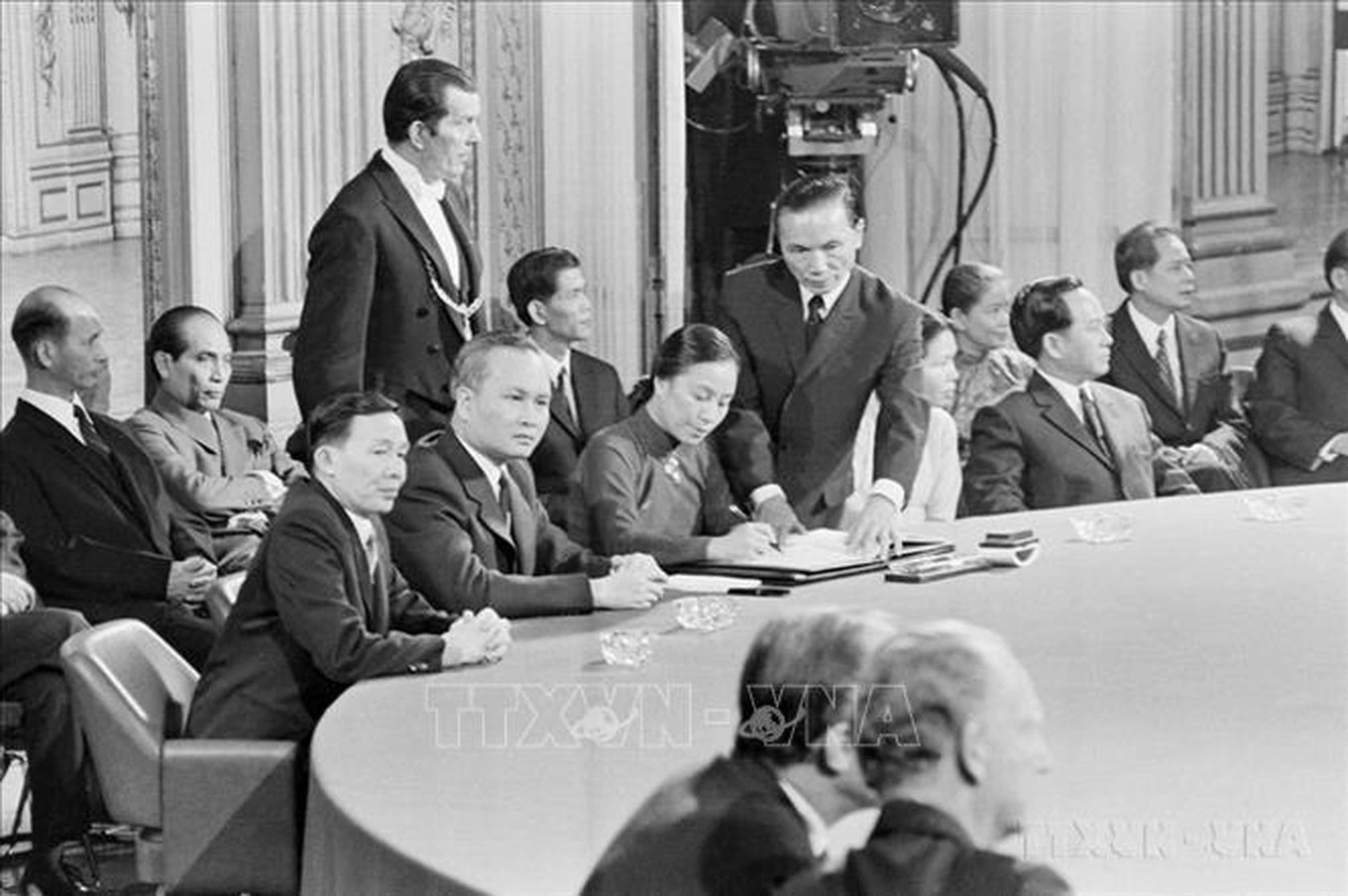
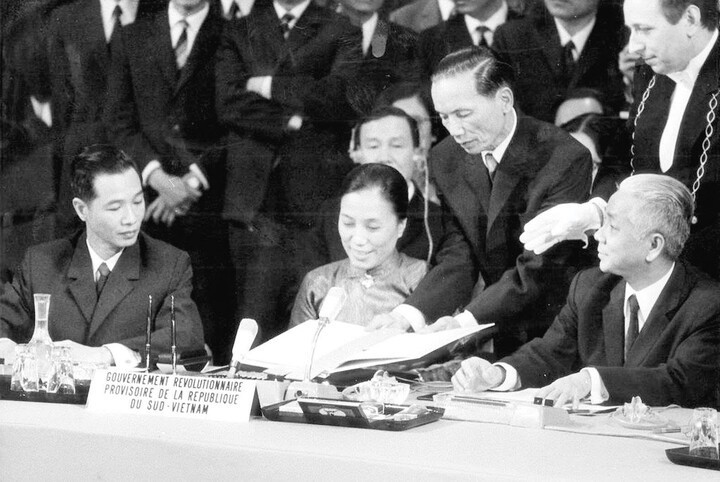
With your calm and confident demeanor, you won the respect of the international community despite not having formal diplomatic training or the material advantages many diplomats enjoyed. What gave you credibility and persuasive power in the eyes of the world?
I had very special teachers. The Party leaders taught us that in diplomacy, the first thing is to stand firm in your principles. But your attitude must always remain gentle and flexible.
My greatest advantage during the Paris negotiations was that I represented a just and heroic struggle by the Vietnamese people. A small nation daring to confront the most powerful empire in the world in order to defend independence and freedom.
From your experiences at the international negotiating table, where do you believe Vietnam’s soft power came from? What enabled such a young nation at that time to persuade the world?
We understood that the struggle at home would determine our position at the negotiating table. The strength of our struggle came from national unity. Our people were profoundly united in the fight for independence and national reunification.
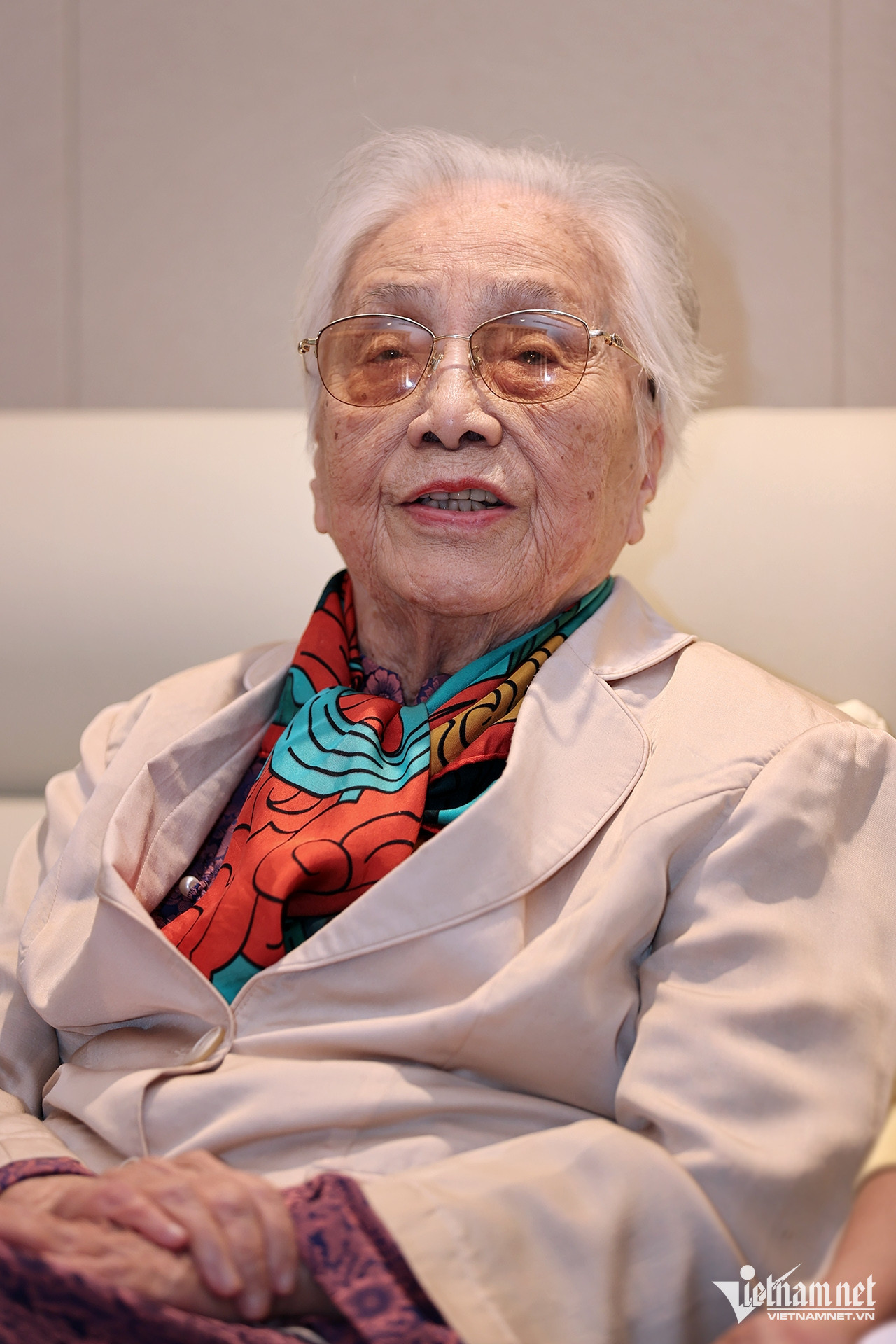
After national reunification, you served 11 years as Minister of Education, five years as Deputy Head of the Party Central Committee’s Commission for External Relations and Chairwoman of the National Assembly’s Foreign Affairs Committee, and 10 years as Vice President. Which role was the most difficult for you?
The Party entrusted me with many important responsibilities. In my view, every task was difficult because each responsibility exceeded my own capabilities. But with determination to fulfill our duties and contribute to the country, we gradually overcame our limitations and became better and better at the work entrusted to us.
In the book “Pham Xuan An - A Name Like a Life,” intelligence general Pham Xuan An recalled his childhood and said he was often compared to “Chau Sa,” a hardworking and well-behaved student. Do you remember those childhood memories?

Nearly a century has passed. Many things now feel like clouds drifting past a window. Honestly, at this point, I no longer remember my relationship with Pham Xuan An’s family very clearly.
But it is true that as a child, I was a diligent student. Besides studying, I spent much of my time caring for my younger siblings because my mother passed away early.
Not only did you have close relationships in Vietnam, but you also formed special friendships abroad. Could you share one of those memories?
I was fortunate to have many international friends, many of them great friends. So it is difficult now to single out just one story.
But if I had to mention one country that left me with the most beautiful memories, it would be Sweden.
To be honest, during the years of resistance against the United States, especially during the Paris Peace Talks, I felt very clearly the affection the Swedish people had for Vietnam. It was not merely diplomatic support, but a deeply human sympathy.
From the government to ordinary citizens, almost everyone expressed affection for Vietnam.
Vietnam’s struggle received support from the Swedish government and its leaders, especially Prime Minister Olof Palme.
At the time, the Swedish government adopted a very special policy: helping young American men who refused military service because they did not want to fight in Vietnam. They were allowed to live in Sweden. To me, that carried great meaning because it encouraged the anti-war movement in the United States.
At that time, Swedish youth deeply admired Vietnam’s struggle. In Sweden, people even spoke of a “Vietnam generation.” A large generation of young people there, and in many other countries, became politically awakened through the Vietnamese people’s resistance. Vietnam gave them a new sense of purpose and motivation.
To me, that was the strength of righteousness and truth - a strength capable of winning people’s hearts. It was the sincere feeling and voluntary action of the people of a truly civilized country with a deep humanitarian tradition. Even now, remembering it still moves me deeply.
One of my closest friends was the great writer Sara Lidman. She once said, “Vietnam’s struggle is the conscience of humanity.” I think perhaps there could be no more beautiful words to describe Vietnam at that time.
At 99, what brings you peace, joy and confidence when you look toward Vietnam’s future?
What gives me peace and happiness at this age is knowing that throughout my life of service, I was entrusted with many responsibilities and tried my best to fulfill every task assigned by the Party.
So I feel that I was able to make worthy contributions to the country.
Although we still have to work hard to achieve the goal of becoming a developed, prosperous and powerful nation, what gives me joy now is seeing the strong determination of our current leaders. We have adopted many important policies for renewal and to achieve what the people hope for. I believe the country will become stronger and the people happier.
Hien Anh - Thanh Hue - Le Anh Dung
.svg)
