 Vietnamnet.vn

 Podcast



Phan Chau Trinh passed away before his granddaughter was born. Yet decades later, his patriotism, reputation and ideas would help save her from a death sentence. That granddaughter is former Vice President Nguyen Thi Binh.
She recounted the remarkable story when reflecting on her grandfather, the renowned patriot Phan Chau Trinh, on the 100th anniversary of his death (March 24, 1926 - March 24, 2026).
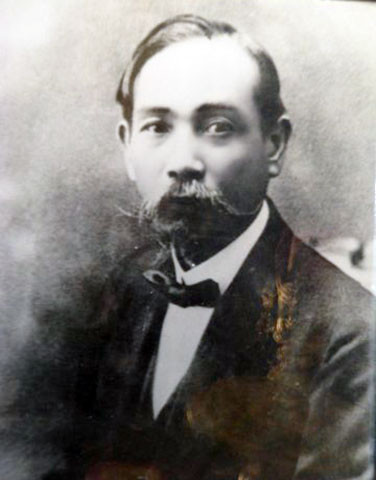
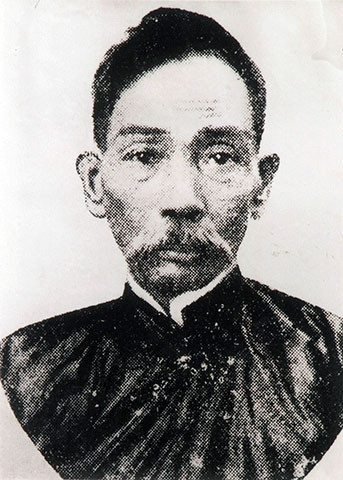
In 1951, a case file had been completed, accompanied by a report signed by Sonnet Albert proposing a sentence that could range from life imprisonment to execution. A 24-year-old woman, Nguyen Chau Sa, had been arrested by the French military police (PSE) on charges of undermining national security.
Inside an interrogation room of the French secret police in Saigon, her fate seemed sealed. But far away, on the other side of the globe, a letter was written. It bore the signature of Senator Marius Moutet, former French Minister of Colonies and the man who had signed the September 14, 1946 preliminary agreement with President Ho Chi Minh.
Within that letter was a detail that forced the colonial system to pause: “This woman is the granddaughter of Phan Chau Trinh, a patriot and national hero.”
The young woman was Nguyen Thi Binh. Her grandfather had passed away a year before she was born, yet what she later called a “blessing” from him helped spare her life.
“I am grateful for my family’s tradition and my grandfather’s ideals”
“My childhood was shaped by the stories my mother told about him. Among them were accounts of his time in France and his close relationship with the young patriot Nguyen Tat Thanh, the son of Nguyen Sinh Sac, who was both his classmate and longtime friend,” Nguyen Thi Binh recalled slowly.
“From early on, I formed a sense that I had to ‘fight the French’ to win independence and freedom for our homeland.”
Growing up in such an atmosphere, she absorbed patriotism almost instinctively. As she described it, national spirit does not emerge suddenly. It develops gradually over time, through everyday encounters.
“Even when I was still in school, I had confrontations with ‘French children’ who discriminated against and looked down on Vietnamese people.”
These small clashes were enough to awaken a sense of dignity, helping a young girl recognize the line between the colonizer and the colonized. As she grew older, she joined student movements, while news of uprisings in the South further fueled her determination.
She later became involved in revolutionary activities, was arrested and imprisoned, and after her release emerged as a key figure in various movements across regions. She also took part in founding the National Liberation Front of South Vietnam and the Provisional Revolutionary Government of the Republic of South Vietnam, traveled to the North to meet President Ho Chi Minh and the Party leadership, and received assignments.
Looking back, she saw how the patriotism instilled in her youth matured over time.
“Love for the country became political awareness, revolutionary spirit - as I myself was shaped and matured through struggle and imprisonment,” she shared.
During the four-party negotiations with the US in Paris, she later tried to locate the families of her grandfather’s acquaintances but was unsuccessful. She believes that Phan Chau Trinh’s powerful patriotism and resilience had deeply moved progressive French figures, which may have contributed to saving her from execution.
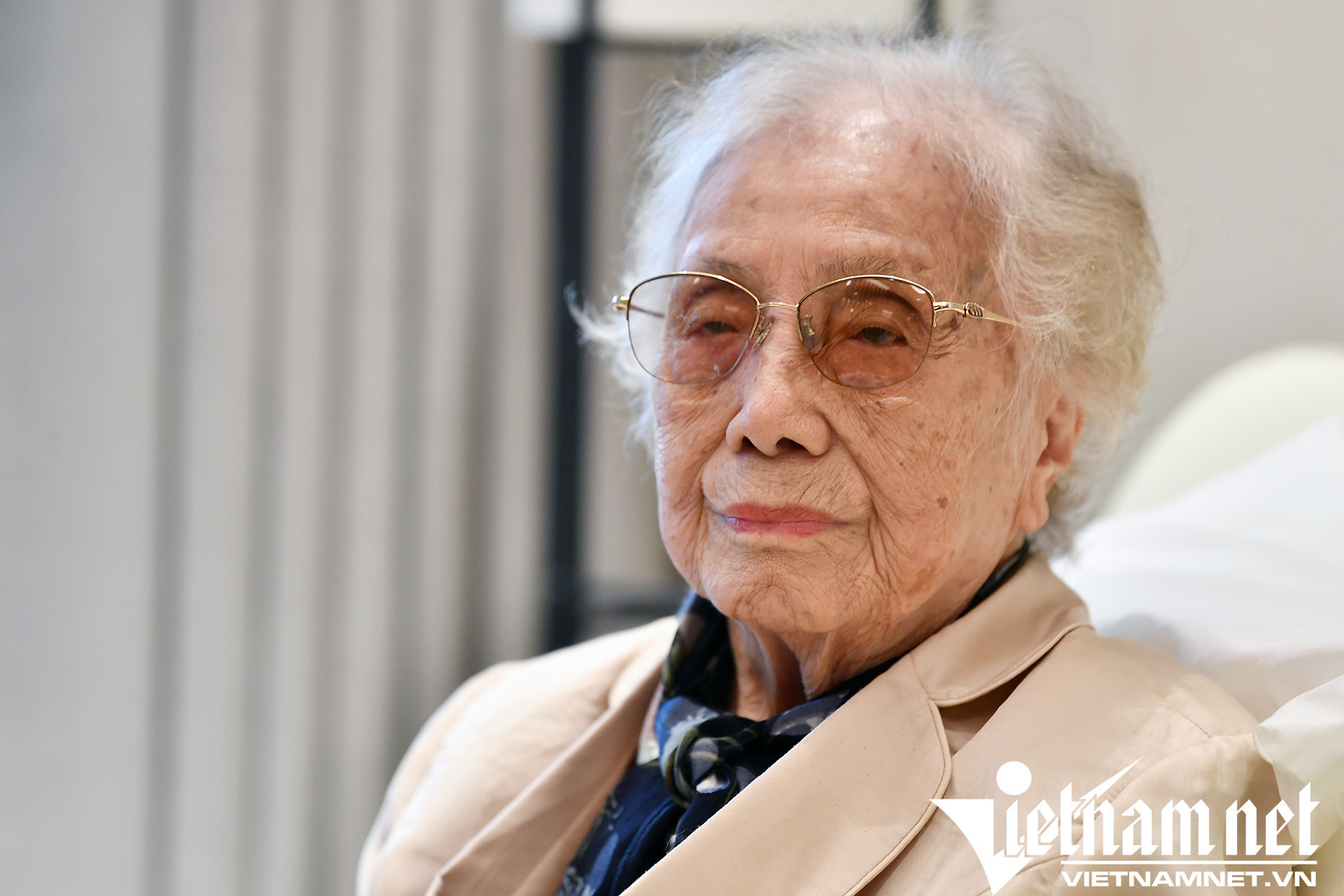
At the age of 99, Nguyen Thi Binh said she feels profoundly fortunate to have lived through a heroic period in the nation’s history and to have contributed, even in a small way, to shaping it.
“I am grateful for my family’s tradition and my grandfather’s ideals, which led me to patriotism and revolution from a very early age, allowing me to live a meaningful life,” she said, her voice filled with emotion.
The bond between her and Phan Chau Trinh goes beyond blood. It is a continuation of ideals. While the grandfather pioneered the path of “enlightening the people, strengthening the national spirit and improving livelihoods,” the granddaughter carried that spirit forward through the struggle for national independence.
The pine of Quang Nam land
When speaking of her grandfather, Nguyen Thi Binh does not merely describe a person, but an entire system of thought. A patriot determined to liberate the nation, Phan Chau Trinh possessed a sharp vision. He understood that to revive the country and restore independence, it was necessary first to strengthen internal capacity and to confront backwardness and shortcomings.
He is often seen as a quintessential figure of Quang Nam’s character: upright, resilient and unyielding.
Scholar Hoang Xuan Han once noted that among intellectuals searching for a path to save the nation in the late 19th and early 20th centuries, Phan Chau Trinh was the first to recognize that one of the root causes of national decline lay in the country’s backward level of development. His solution was clear: “enlighten the people, strengthen the national spirit, improve the people’s livelihoods.”
For this reason, he has been likened to a “pine tree of Quang land” - steadfast and enduring. He was one of the “four great figures” of Quang Nam and a pioneer of the Duy Tan reform movement in the early 20th century.
It was no coincidence that Nguyen Sinh Sac once referred to his friend as “the first to organize the idea of civil rights in Vietnam.”
“Phan Chau Trinh stated very clearly: ‘Better to learn,’” Nguyen Thi Binh recalled. According to her, that idea has not faded with time. It remains deeply relevant today, as the story of national development still begins with people and with knowledge.
A call for reform, education and democracy
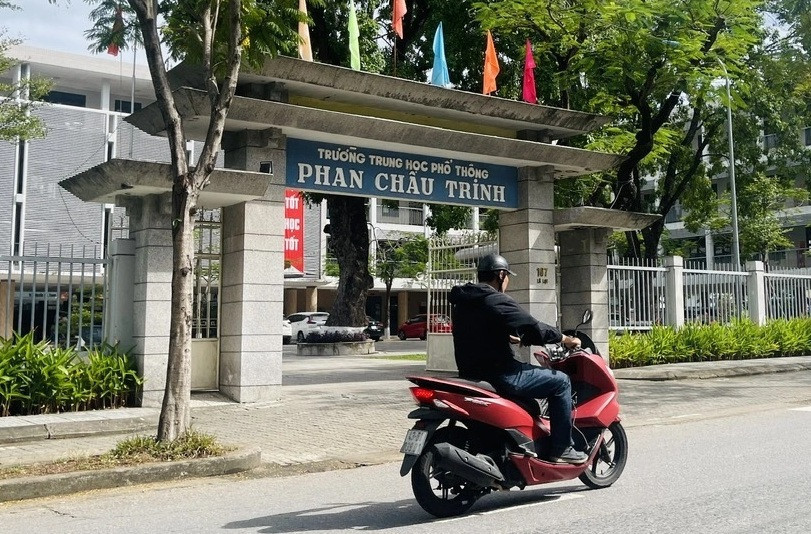
Phan Chau Trinh (1872 - 1926), from Quang Nam, was one of the most prominent patriots of the early 20th century. Although he passed the imperial examinations, he abandoned an official career to dedicate himself to national salvation.
Unlike many contemporaries, he advocated peaceful reform, emphasizing the principles of “enlightening the people, strengthening the national spirit and improving livelihoods,” while calling for modernization, educational development and democracy.
He co-founded the Duy Tan movement, was arrested by the French and exiled to Con Dao, and later continued his activities in France. Through essays and poetry, he spread progressive ideas that helped awaken Vietnamese society.
He passed away in 1926, leaving behind a profound and lasting influence on the nation’s intellectual history.
Hien Anh-Thanh Hue
.svg)
