 Vietnamnet.vn

 Podcast



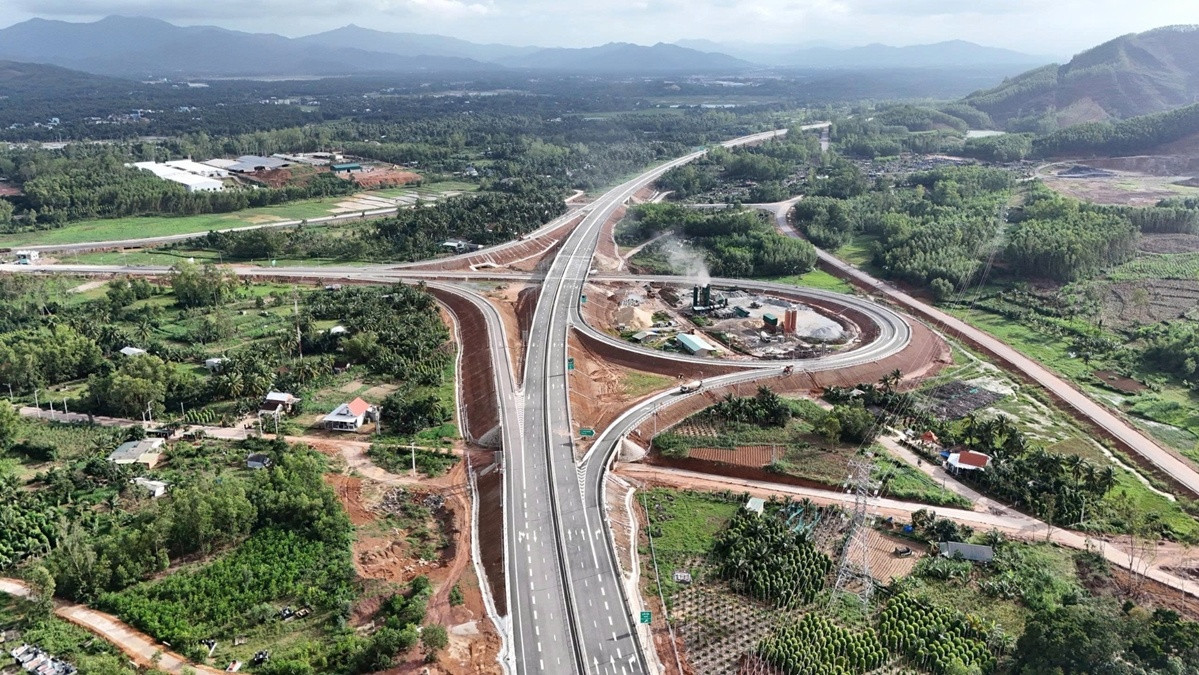
The completion of over 3,000km of expressways by 2025 marks a historic breakthrough in Vietnam’s development strategy, showcasing a bold shift in mindset and laying the groundwork for the next phase of sustainable, high-growth transformation ahead of the 14th National Party Congress.
In just five years, Vietnam has matched the total length of expressways built over the previous decade, pushing the national network beyond 3,000km. This feat not only symbolizes a leap in infrastructure capacity but also reflects a deeper change in development thinking, establishing a crucial foundation for the country's continued growth.
Driven by the 13th National Party Congress's resolutions, the 2021–2030 socio-economic development strategy, and National Assembly directives, Vietnam’s expressway target of 3,000km by 2025 has been realized ahead of schedule - surpassing prior forecasts.
From 2001 to 2010, only 89km of expressways were operational. The following decade added 1,163km. But between 2021 and 2025, the length of new expressways equaled the previous 20 years combined.
By the end of 2025, Vietnam is expected to have completed and opened roughly 3,513km of expressways. The North-South Expressway (Eastern section) will be largely finished, with all 23 sub-projects from the two investment phases entering operation.
This marks the fastest pace of expressway development in Vietnam’s history, significantly advancing a national expressway network that is modern, coherent, and interconnected.
The ‘stress test’ of the term
Deputy Minister of Construction Le Anh Tuan described the 2021–2023 period as the most challenging “stress test” ever faced by national transport infrastructure projects.
The Covid-19 pandemic disrupted supply chains, forcing construction sites to operate under “three-on-the-spot” models. Prolonged storms due to climate change, alongside material shortages and price fluctuations, further complicated construction.
“In such a context, the government’s firm direction and strong public support in land clearance provided critical momentum. Many projects required 24/7 construction efforts, braving five to six rainy seasons to stay on schedule,” Tuan emphasized.
By late 2025, over 3,000km of expressways will be operational. Major strategic routes - such as the Hanoi and Ho Chi Minh City beltways, Trung Luong–My Thuan–Can Tho, Khanh Hoa–Buon Ma Thuot, and Tuyen Quang–Ha Giang - will be opened, establishing a fully connected interregional network.
According to Deputy Minister Tuan, the 3,000km milestone is more than just a number. It represents a transformative shift in infrastructure thinking - where speed, discipline, and efficiency have become new standards.
Science and technology: The catalyst behind the miracle
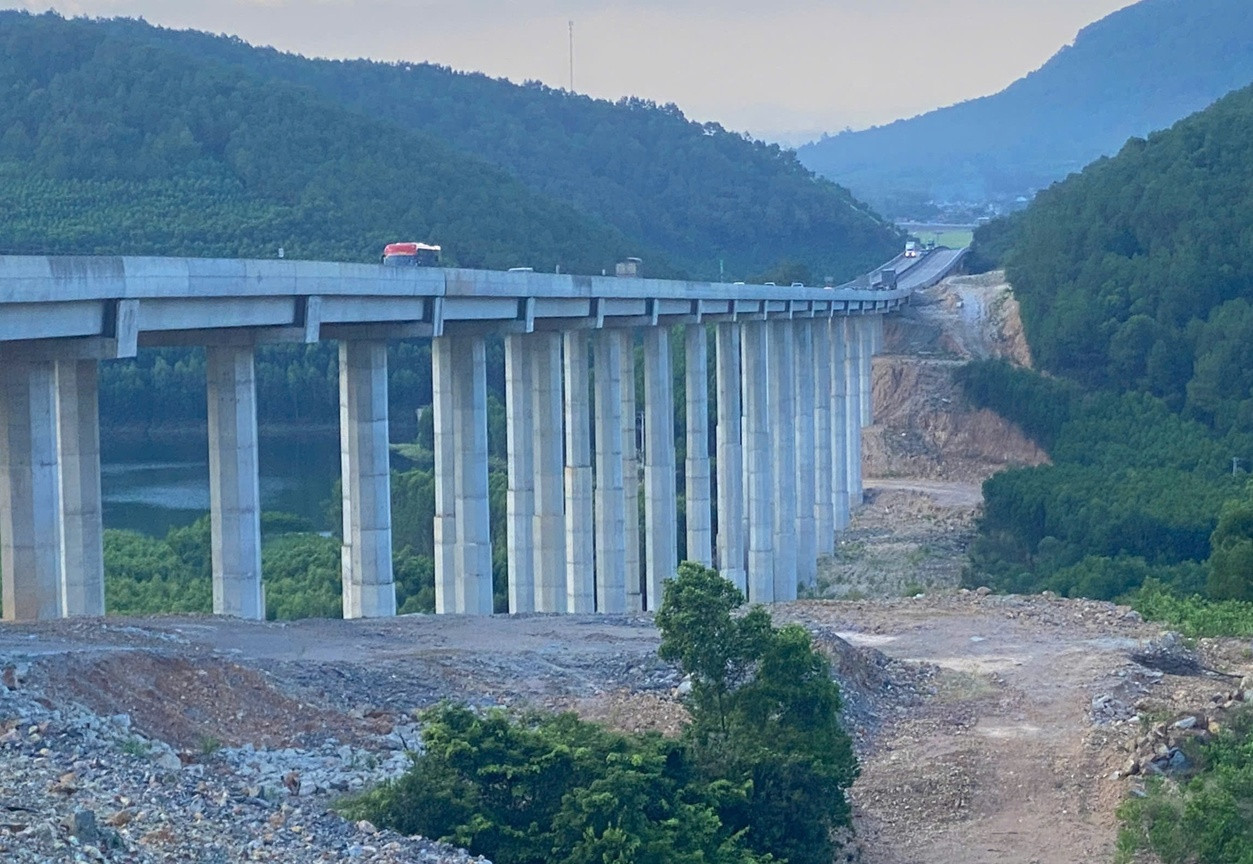
Assoc. Prof. Dr. Tran Chung, Chairman of the Vietnam Road Project Investors Association, believes the strong adoption of science and technology has been key to this extraordinary leap.
Recognizing the opportunities, investors and contractors have invested in modern machinery and construction technologies - replacing outdated methods that had persisted for decades.
“In the past, there were concerns that accelerating progress would compromise quality. But recent experience shows that even under tight deadlines, project quality remains high - thanks to modern technologies and advanced project management,” he emphasized.
Science and technology have had a direct, powerful impact in turning the 3,000km expressway dream into reality - once thought to be out of reach.
Bold decisions, strategic execution
Pham Van Khoi, Chairman and CEO of Phuong Thanh Transport Investment and Construction JSC, highlighted that reaching the 3,000km milestone is not only due to contractors’ efforts, but also a result of visionary direction from the Party, close oversight by the National Assembly, and decisive leadership from the Prime Minister - backed by coordinated efforts from ministries, agencies, and localities.
"Never before have expressways been completed in such a short time frame as in the past five years, especially the Eastern North-South Expressway,” Khoi said.
Unlike past practices, the government made a strategic decision to divide projects into large-scale packages - each worth up to USD 208 million - and select capable, experienced contractors. This was paired with well-structured construction planning, location-specific technologies, shift work, and a shift from manual labor to machine-powered execution.
Thanks to close coordination among contractors, investors, ministries, and localities in resolving site clearance and material supply issues, project timelines were significantly shortened.
These accomplishments in expressway development do more than modernize Vietnam’s infrastructure. They usher in a new era of national progress - where the country asserts its stature and ambitions, aiming for high, sustainable growth.
The 3,000km milestone, achieved within the 13th Party Congress term, stands as a defining landmark - positioning the country for a new journey of transformation, with greater confidence and aspiration than ever before.
Vu Diep
.svg)
