 Vietnamnet.vn

 Podcast



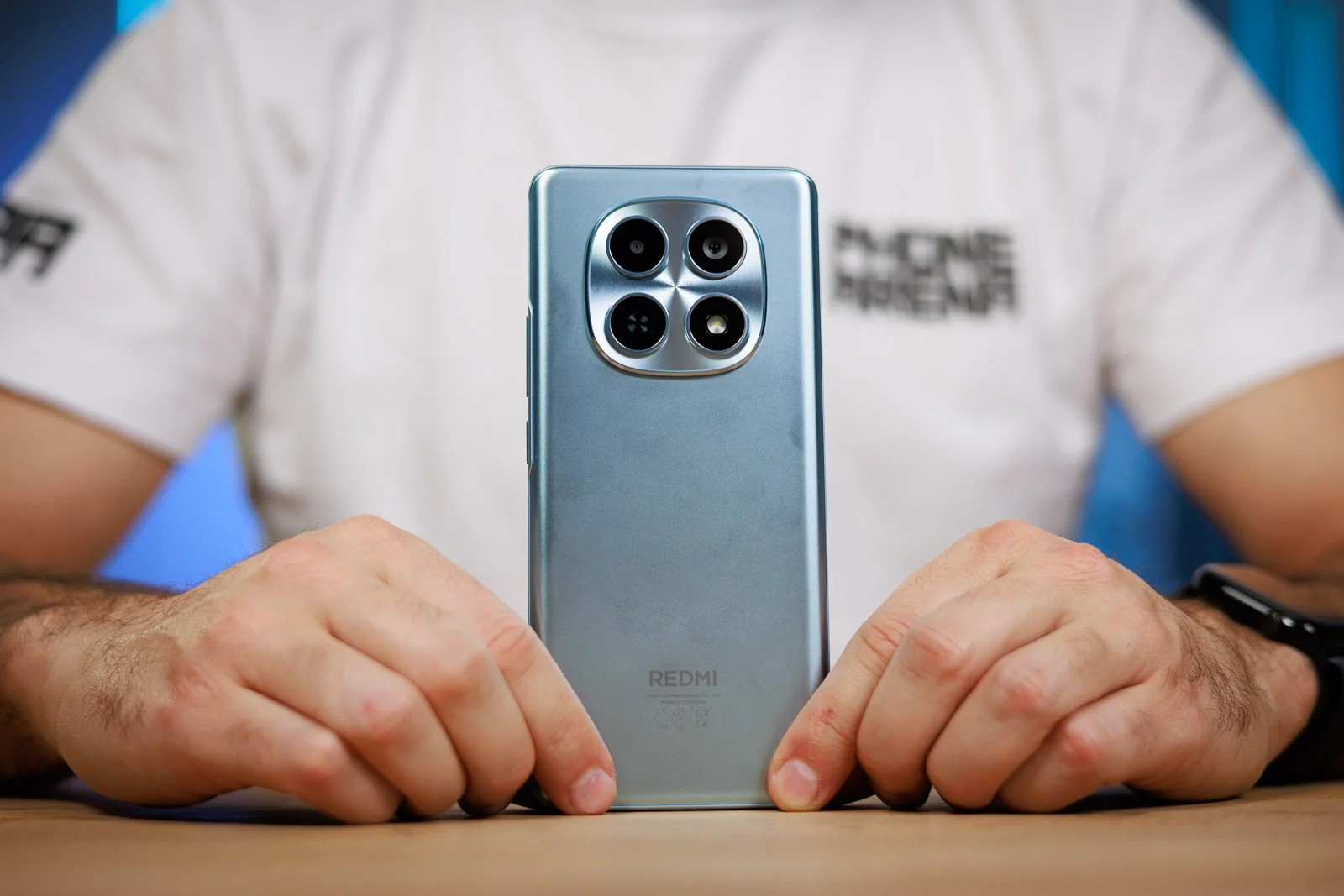
The smartphone market is entering a turbulent phase, and memory prices are not even the most serious concern. Although the shortage has been building for some time, the mounting scarcity of memory is about to ripple across the entire electronics industry, triggering what analysts describe as an unprecedented crisis.
According to forecasts from International Data Corporation (IDC), the global memory shortage will cause smartphone shipments to drop by 12.9 percent in 2026. Only about 1.1 billion devices are expected to be shipped this year, a sharp decline from 1.26 billion units recorded in 2025.
“The tariff crisis and the Covid-19 pandemic now seem almost trivial compared to what we are facing,” said Nabila Popal, Senior Research Director at IDC. “When this crisis ends, the smartphone market will undergo a seismic transformation in terms of scale, average selling prices and the competitive landscape.”
Despite soaring component costs, the core challenge lies in the prolonged nature of the shortage, which is expected to extend into 2027. Cristiano Amon, Chief Executive Officer of Qualcomm, stressed that supply availability is now the industry’s most critical issue. “The availability of memory will ultimately determine the overall size of the mobile device market,” he said.
Android manufacturers are likely to suffer the heaviest blow from rising DRAM and NAND prices. As component costs climb, memory accounts for a far greater share of the bill of materials in mass-market devices produced by companies such as Xiaomi and Oppo. This adds pressure to already thin profit margins, forcing brands to reduce the number of models they bring to market.
By contrast, Apple sits at the opposite end of the spectrum and is better positioned to weather the storm. Thanks to its strong foothold in the premium segment, the iPhone delivers higher margins. Analysts believe this advantage will allow Apple to absorb rising memory costs internally, potentially avoiding price increases for the upcoming iPhone 18 Pro.
Last month, Chief Executive Officer Tim Cook said that memory chip prices had only a minimal impact on the company’s profit margins in the final quarter of calendar year 2025. However, Apple expects the crisis to exert greater pressure on net income in subsequent quarters.
IDC projects that even when memory supply recovers in 2027, smartphone prices are unlikely to return to previous levels. In effect, the overall pricing baseline will rise permanently.
“The era of cheap smartphones is over,” Popal said. “Even after the crisis subsides, we do not expect memory prices to fall back to their 2025 levels.”
The devices hit hardest by this shift will be entry-level models. IDC data show that as many as 170 million smartphones shipped in 2025 were priced below US$100. Maintaining that price tier, however, is no longer economically viable under current conditions.
Du Lam
.svg)
