 Vietnamnet.vn

 Podcast


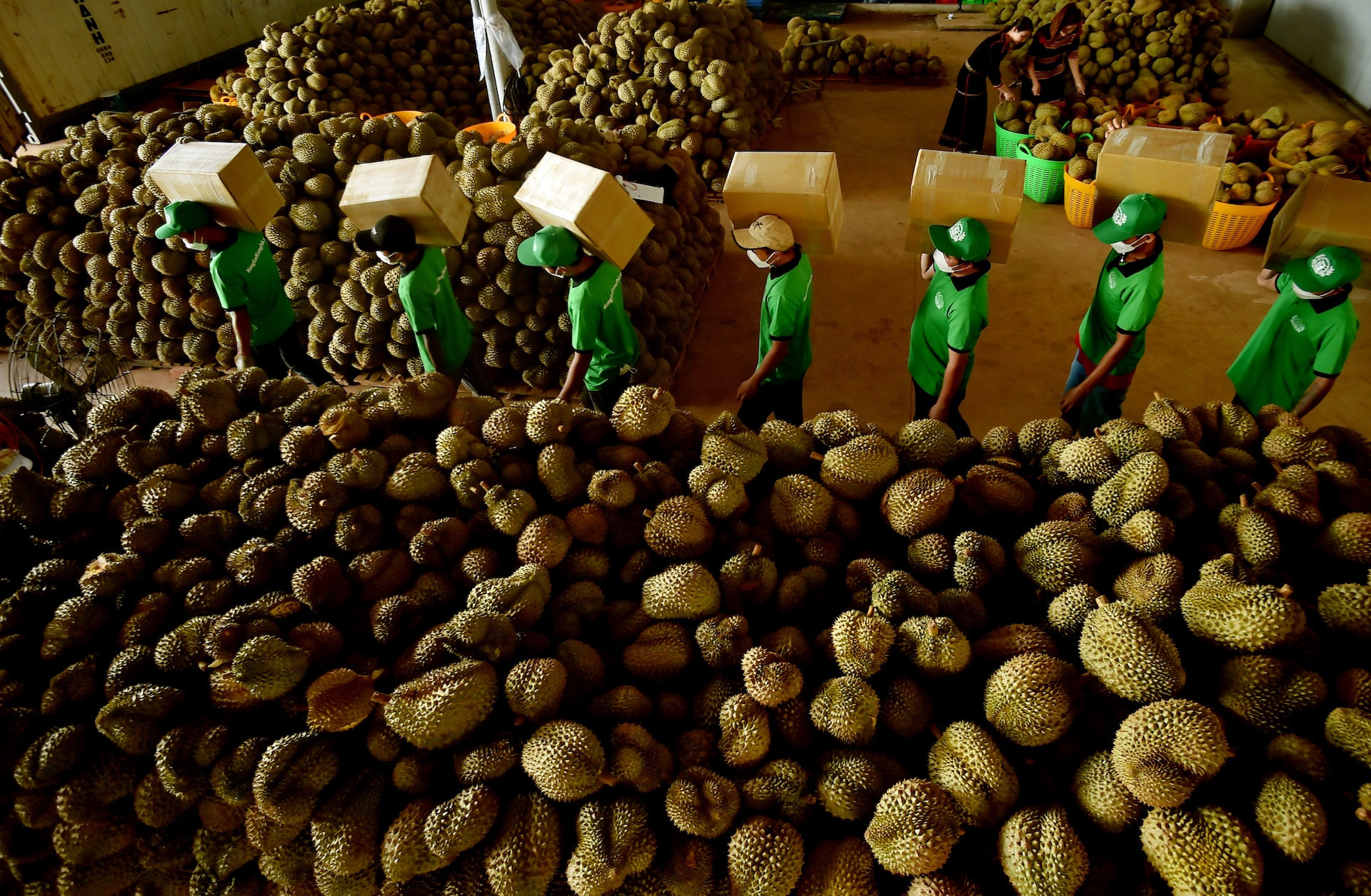
Despite strong growth over the nine-month period, Vietnam's durian exports experienced a significant slowdown in September.
According to VINAFRUIT, export revenue for the month exceeded $729 million, down 23.8% from August and approximately 25% from September 2025.
As a result, Vietnam missed an opportunity to surpass $1 billion in monthly durian exports for the first time, a milestone that many businesses and industry experts had anticipated.
Dang Phuc Nguyen, Secretary General of VINAFRUIT, attributed the slowdown partly to unfavorable weather conditions in the Central Highlands.
He said prolonged heavy rainfall and unpredictable weather patterns in September affected fruit quality, reducing the proportion of durians that met export standards.
The decline in export-grade fruit consequently weighed on shipment values.
Nguyen added that this year's main harvest season also faced challenges from lower average selling prices and quality issues in several growing regions.
In the Mekong Delta, some durian-growing areas encountered problems related to cadmium contamination.
Meanwhile, southeastern Vietnam and the Central Highlands experienced erratic weather, including alternating periods of rain and sunshine, affecting fruit quality, production volumes and selling prices.
Frozen durian exports surge 63.2%
Despite these difficulties, strong growth in frozen and processed durian products helped support overall export revenue during the first nine months of the year.
According to Nguyen, frozen durian exports reached $581.8 million during the period, an increase of 63.2% year on year.
The expansion of frozen and processed durian shipments has become an important contributor to the industry's export performance, helping offset some of the difficulties affecting fresh fruit exports.
However, with China accounting for more than 95% of total export revenue, Vietnam's durian industry remains highly exposed to developments in its largest overseas market.
Based on current trends, Nguyen forecast that Vietnam's total durian export revenue could reach approximately $4.5–4.7 billion in 2026.
This would fall short of the industry's earlier expectation of $5 billion.
Thu Ha

