 Vietnamnet.vn

 Podcast



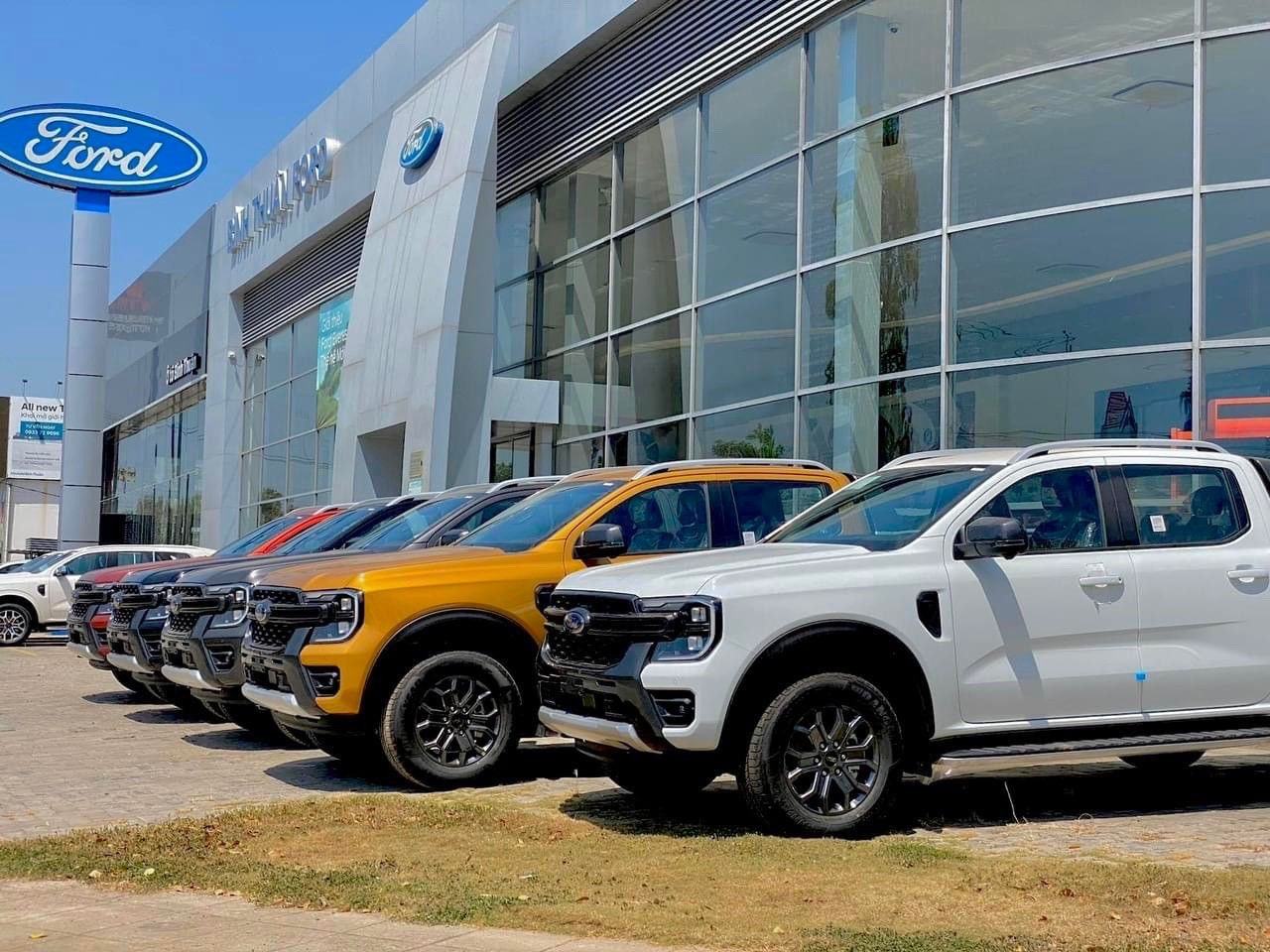
However, whether this type of vehicle deserves to be treated like a truck remains a story still attracting much attention.
The debate over pickup truck management has continued to heat up in recent days. As a "hybrid" line between a truck and a passenger car, pickups have long been in a policy gray area, as the classification and circulation rights have not been unified. When the proposal to tighten management in major cities like Hanoi was raised, the core question is: should they be restricted like trucks, or is a clearer, more balanced approach needed between user obligations and rights?
Associate Professor Dr. Tu Sy Sua, a senior lecturer at the University of Transport, said the classification and management of pickup trucks should be viewed cautiously, pointing to international experience. He said a clear roadmap should be created instead of imitative regulations.
In many countries, pickup trucks are classified within a dual-use vehicle group, situated between passenger cars and trucks. The management method is also more flexible and is not applied as rigidly as pure cargo trucks.
Instead of classifying based on name or the act of "carrying goods or not," management agencies should create criteria regarding size, weight, and the level of impact on urban transport infrastructure to serve as a basis for management.
"Every policy adjustment must follow a clear roadmap. There must be a research step based on data and international regulations suitable for Vietnam's conditions. We should not 'snap' into an immediate ban," Sua said.
He also noted that due to their hybrid nature, pickup trucks have long been subject to “in-between” tax and fee policies.
If functional agencies decide to tighten or ban pickup trucks in the city at some point, the rights of the citizens must be taken into account.
Options could be researched to allow vehicle owners to pay additional money to register as a normal passenger car if they have the need, or to refund citizens the difference in taxes and fees between trucks and pickup trucks already paid.
“All regulations are set by humans; they must suit actual conditions and need a clear roadmap for implementation. Announcing the management orientation early will help people consider before deciding to buy a car, avoiding risks regarding costs and usage needs,” the expert said.
Do pickup trucks burden infrastructure?
Nguyen Minh Dong, automotive technical expert, said restricting pickups in urban areas is not entirely convincing when considering technical standards and real-world usage.
He pointed out that most pickup models today meet emission and safety standards such as Euro 4 and Euro 5, similar to modern passenger cars.
“If a vehicle fails to meet standards and causes pollution, restrictions are justified. But if it meets standards and even offers more safety features than some passenger cars, there is no reason to ban it simply because it can carry goods,” he said.
It is necessary to correctly recognize the role of pickup trucks in life. Not only serving the transport of goods, this type of vehicle also meets the daily travel needs of families, while providing flexibility when needing to transport bulky items.
"When needing to carry a set of table and chairs or a refrigerator, just putting it in the bed of a pickup is done, instead of having to hire a three-wheeler or a tow truck, which is very expensive and lacks safety. This also helps reduce the number of vehicles circulating on the road," the expert cited as an example.
Regarding size, Dong believed the width of popular pickup trucks is about 2 meters, still within lane standards. The length is over 5 meters, not significantly exceeding many 7-seater SUV models, and even more modest compared to large luxury sedan lines.
Therefore, the claim that pickup trucks cause greater infrastructure pressure than passenger car lines lacks sufficient basis.
"Most pickup trucks are even shorter than a Rolls-Royce Phantom or a Cadillac Escalade, so why are those cars allowed to go while pickup trucks are banned from the streets," the expert said.
Dong said the majority of neighboring countries and major cities in the world do not apply a ban on pickup trucks in the inner city.
“In Bangkok, the traffic density is very high but pickup trucks still circulate normally, even being encouraged for use. In Europe, as far as I know, there is also no trend of banning this type of vehicle in the city,” he said.
Vu Diep
.svg)
