 Vietnamnet.vn

 Podcast


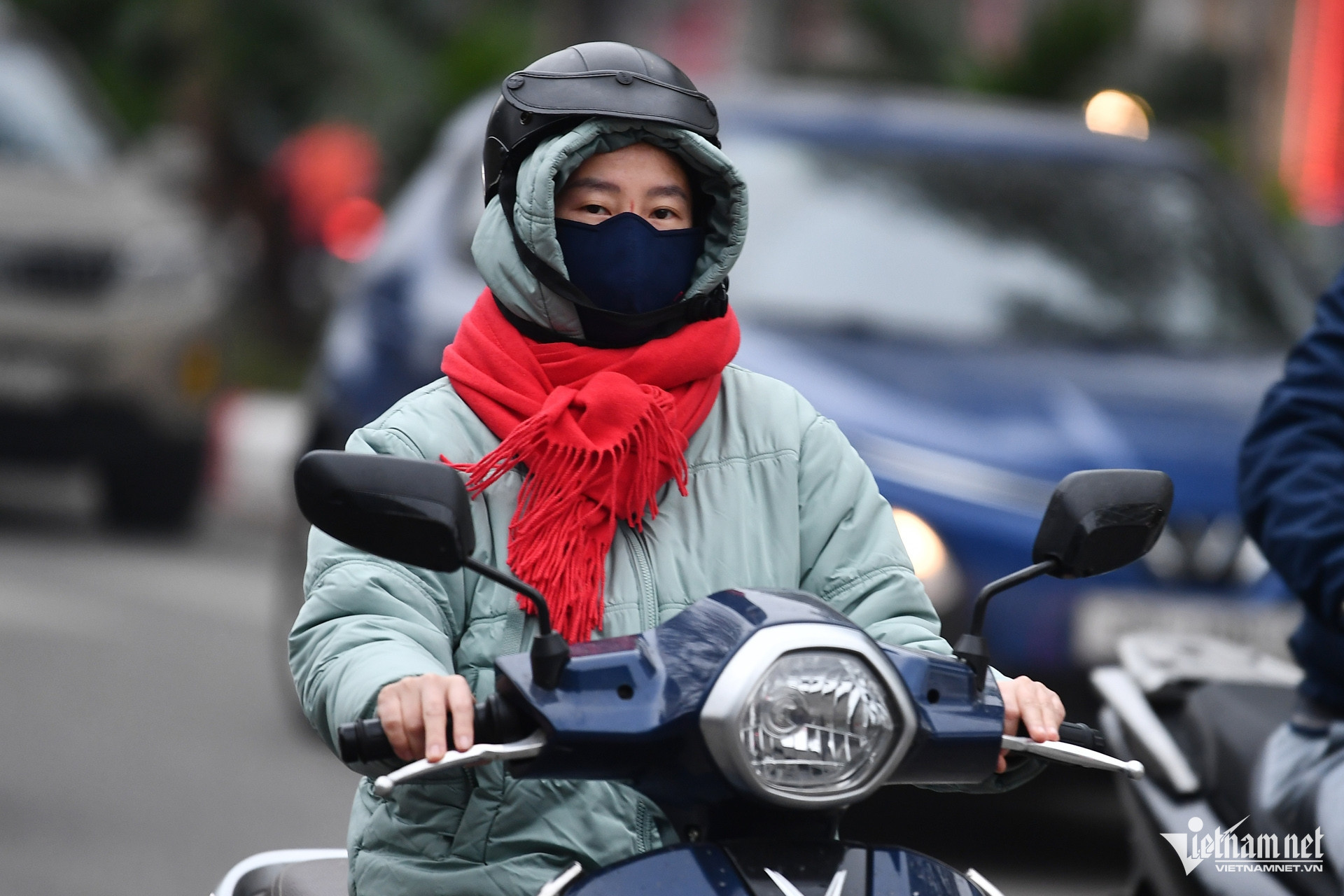
A strengthening cold air mass is moving southward and is expected to reach northern Vietnam on the morning of November 18, bringing widespread rain, strong winds and a sharp drop in temperatures, according to the National Center for Hydro-Meteorological Forecasting.
As of November 17, the cold front was continuing its southward movement. Ahead of its arrival, northern Vietnam experienced sunny conditions, with temperatures ranging from 28°C to 31°C at 1 p.m.
Forecasters expect the cold air to first affect parts of the northern mountainous region on the morning of November 18 before spreading across the rest of northern Vietnam and the north-central region around midday and in the afternoon.
The cold front will subsequently extend into the central region, with another surge of cold air expected on the night of November 19 and during November 20, affecting parts of south-central Vietnam.
Northern Vietnam to turn cold from November 18
On land, winds will shift to the northeast at force 3 on the Beaufort scale, strengthening to force 4–5 in coastal areas, with some locations experiencing force 6 winds and gusts reaching force 7.
From the evening and night of November 18, northern Vietnam will turn cold, with some mountainous areas experiencing particularly low temperatures.
Cold conditions will spread to north-central Vietnam from November 19, while areas from Quang Tri to Hue City will also see temperatures decline.
Minimum temperatures during the cold spell are forecast to range from 12°C to 15°C across northern mountainous and midland areas, with some high-altitude locations dropping below 10°C.
In the northern plains and north-central region, minimum temperatures will generally range between 15°C and 18°C.
In Hanoi, the cold air mass is expected to arrive around midday and in the afternoon of November 18.
The capital will experience rain, showers and scattered thunderstorms throughout the day and night, with locally heavy rainfall possible.
Temperatures in Hanoi are forecast to fall noticeably from the evening and night of November 18 as colder conditions set in.
Central Vietnam braces for rainfall exceeding 250mm
Alongside the cold front, northern and north-central Vietnam are expected to experience rain, moderate rainfall and scattered thunderstorms from November 18 to 19, with heavy downpours in some areas.
During November 18 and the following night, rainfall totals are forecast to reach 20–40mm, with isolated locations receiving more than 100mm.
From the afternoon and night of November 19 through the night of November 21, areas from Quang Tri to Da Nang and eastern Quang Ngai Province are expected to experience moderate to heavy rain and thunderstorms.
Total rainfall during this period is forecast at 100–200mm, with some locations potentially receiving more than 250mm.
Meteorologists have also warned of intense downpours exceeding 80mm within three hours, raising concerns about flooding and other weather-related hazards.
Strong winds and rough seas forecast
The approaching cold front will also bring hazardous conditions to several maritime areas.
From midday and the afternoon of November 18, northeasterly winds in the Gulf of Tonkin are expected to strengthen to force 6, occasionally reaching force 7, with gusts of force 8–9.
Waves are forecast to reach 2–4 metres, creating very rough sea conditions.
In the northern East Sea, including the Hoang Sa (Paracel) archipelago, northeasterly winds will reach force 6–7, with gusts of force 8–9 and waves measuring 3–5 metres.
From the afternoon and night of November 19, the northern waters of the central East Sea and coastal areas from southern Quang Tri to Quang Ngai will experience strengthening northeasterly winds of force 6, gusting to force 7–8.
Wave heights in these areas are forecast at 2–4 metres, with rough seas expected.
The National Center for Hydro-Meteorological Forecasting has warned residents to remain alert to whirlwinds, lightning, hail and strong wind gusts during thunderstorms.
Heavy rainfall could also trigger flash floods in small rivers and streams, landslides on steep slopes and inundation in low-lying areas.
Bao Anh

