 Vietnamnet.vn

 Podcast



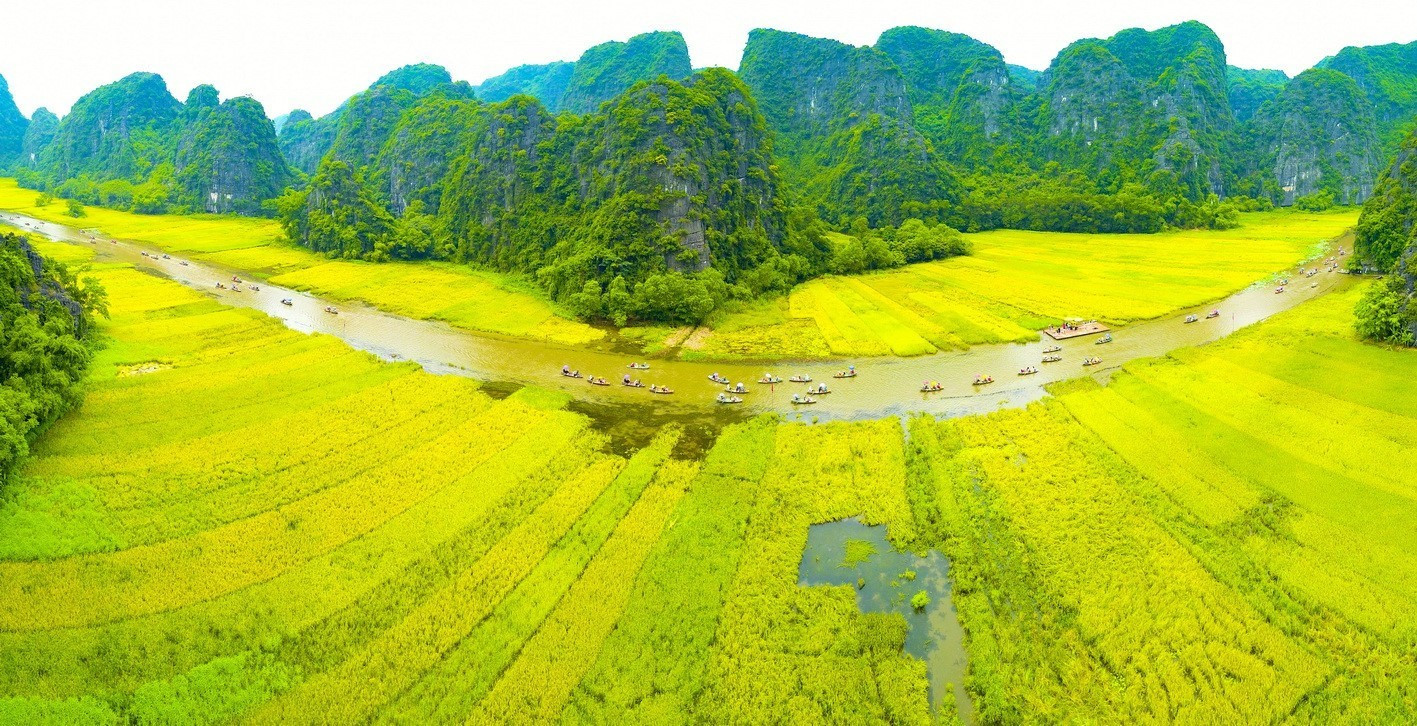
These festivals not only help shape destination branding but also endow each region with a distinctive cultural identity, enhance competitiveness, and generate significant tourism revenue. Yet, a key challenge remains: how to develop modern festivals sustainably while preserving the unique cultural traits of each locality.
A fresh breeze for tourism
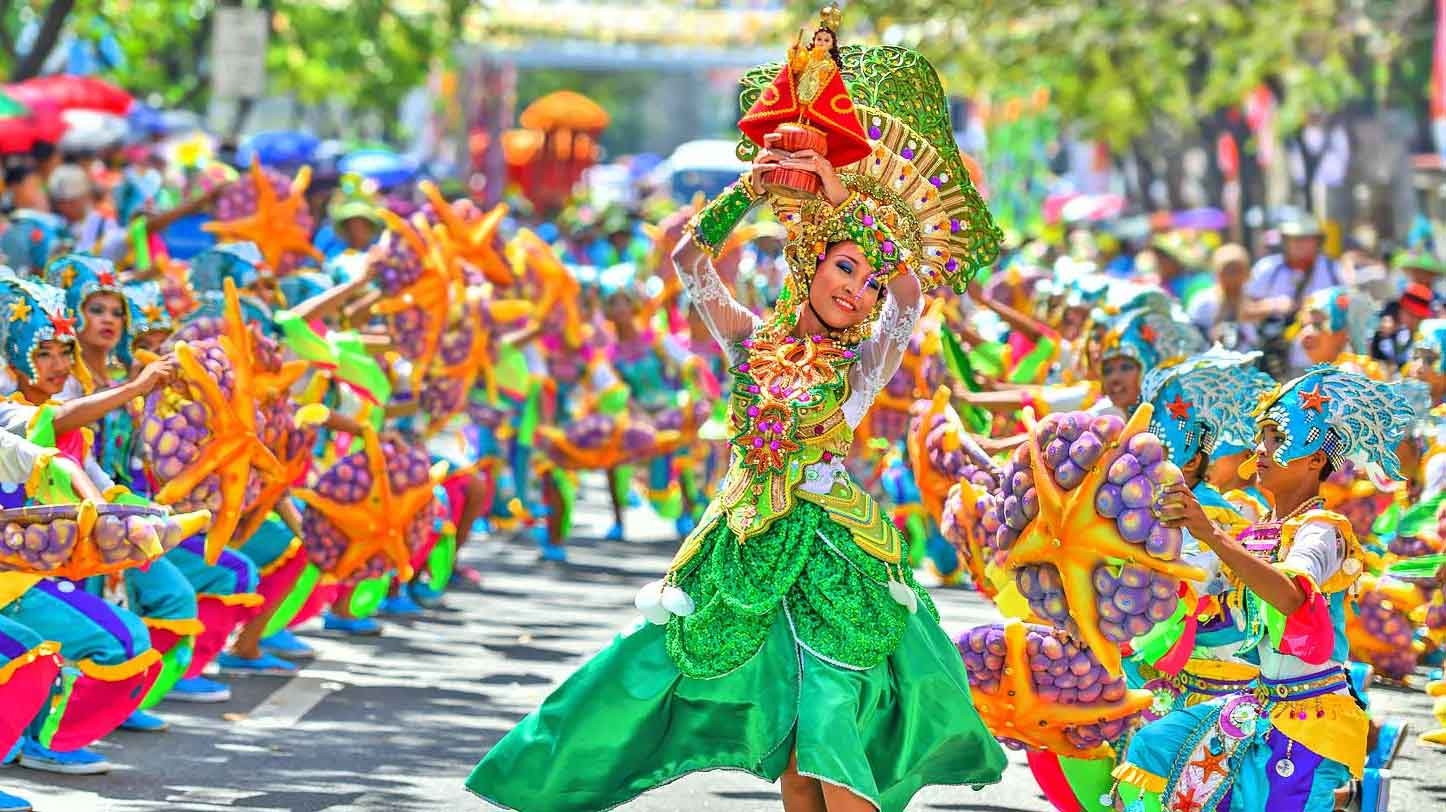
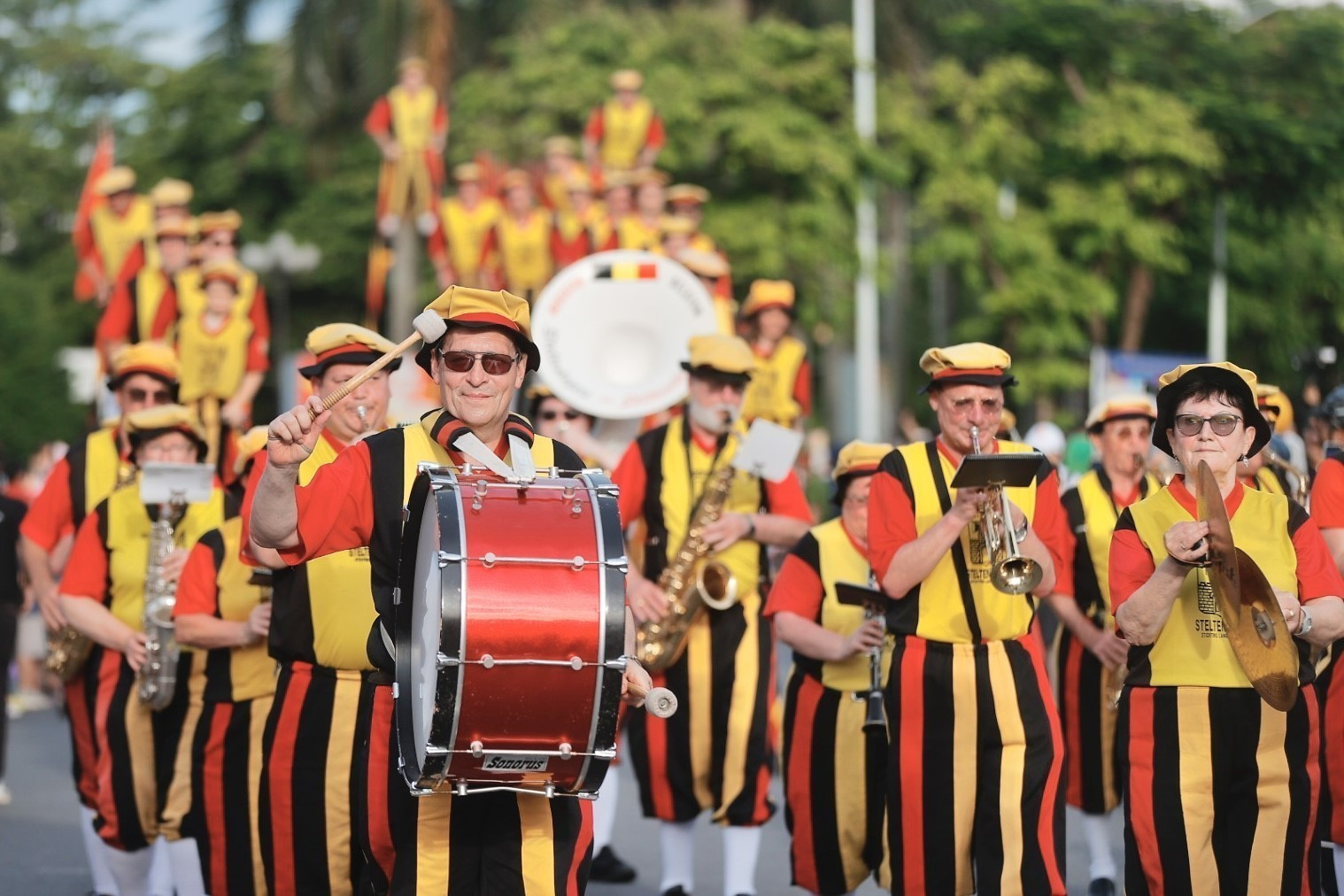
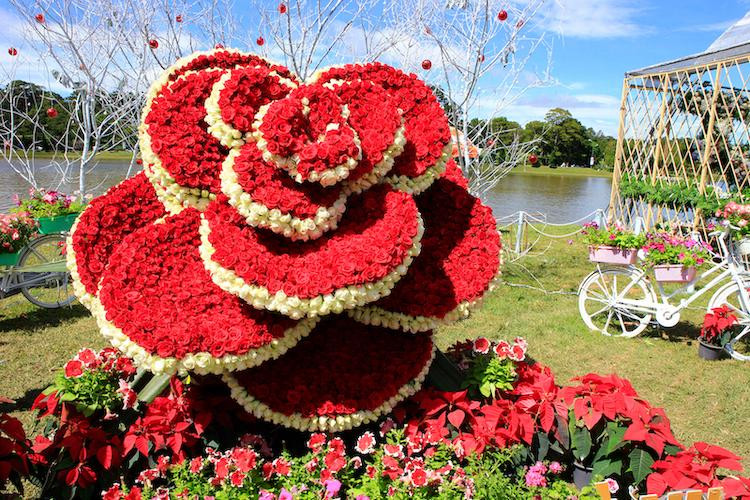
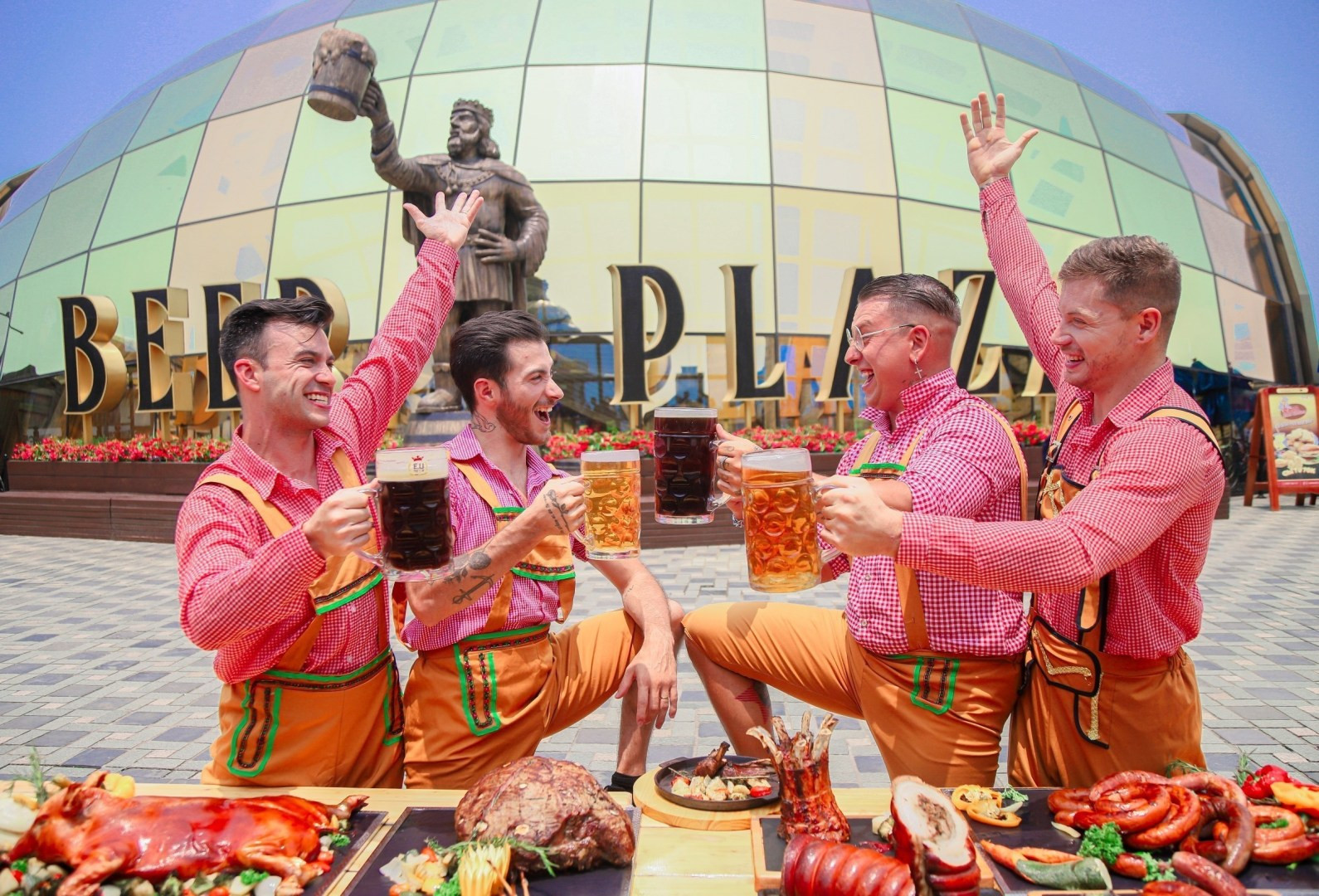
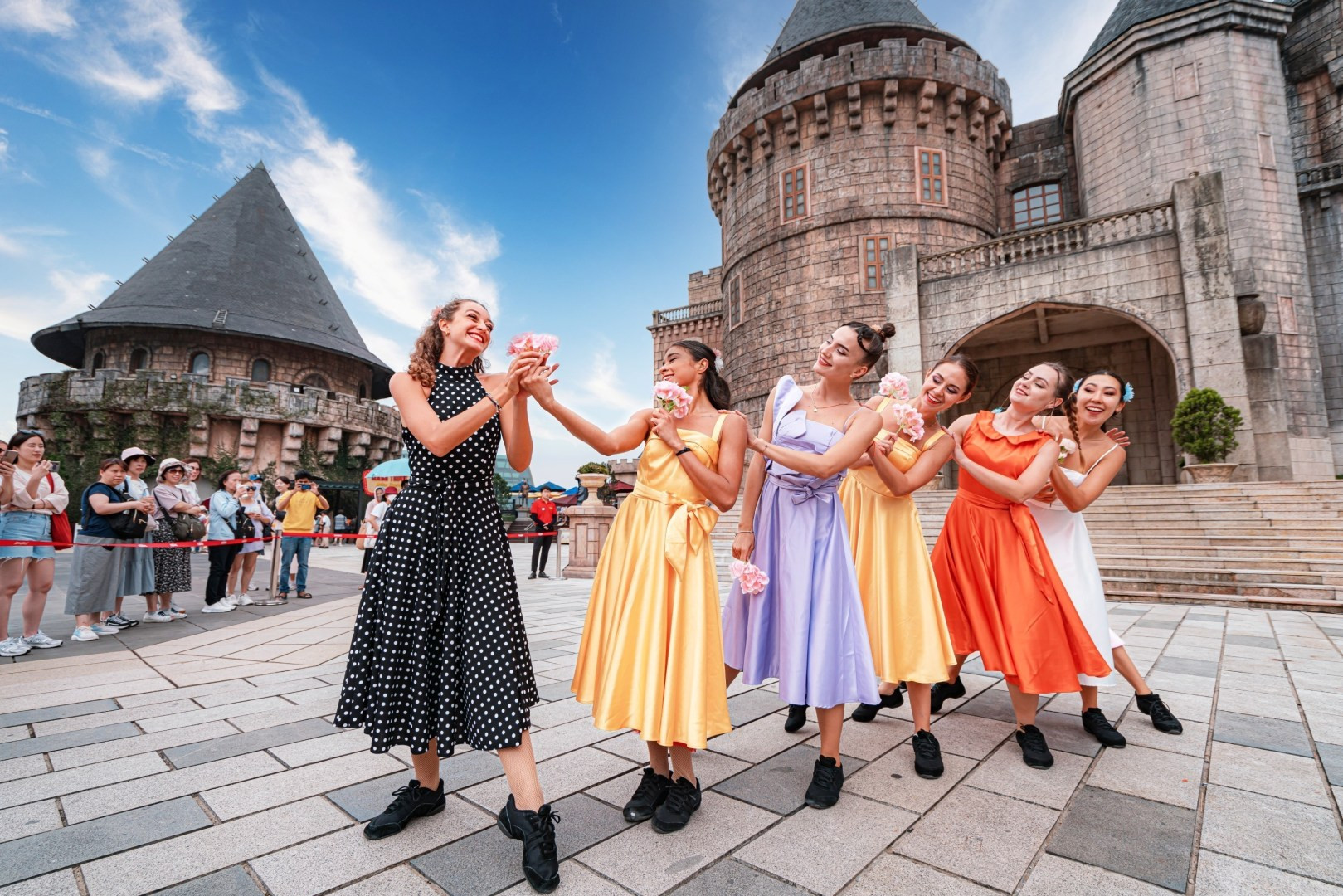
Alongside traditional celebrations, an increasing number of modern festivals and carnivals are infusing fresh energy into Vietnam’s tourism landscape. Events such as the Hue Festival, Da Nang International Fireworks Festival, Da Lat Flower Festival, and Ha Long Carnival have become iconic draws for tourists and major revenue drivers for local economies.
Since the start of the year, numerous large-scale festivals with innovative and engaging concepts have been launched. Marking the beginning of the summer travel season, the Ha Long Carnival—under the theme “Connecting Heritage, Leading the Way to Shine”—drew over 20,000 visitors and contributed to tourism revenues of 1.83 trillion VND (70.22 million USD) during the April 30–May 1 holiday, representing a 156% increase compared to the same period in 2024.
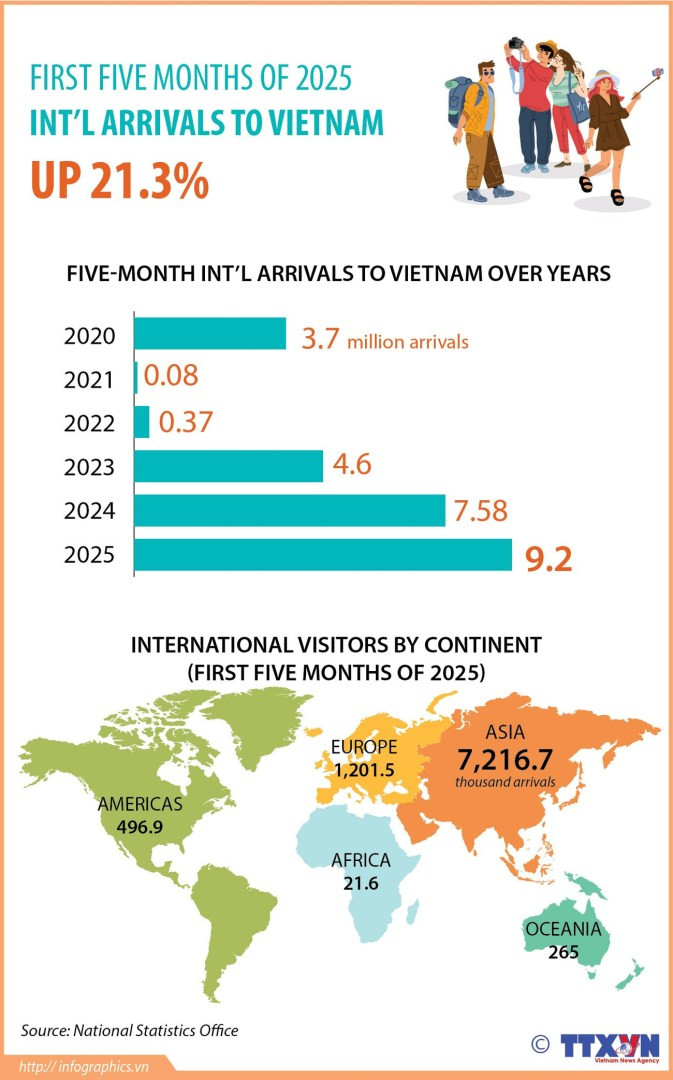
Likewise, Hai Phong’s Red Flamboyant Flower Festival in May, organised to commemorate the 70th anniversary of the northern port city’s liberation, attracted around 11,800 visitors. A standout feature was the debut of the deluxe Red Flamboyant Flower train, which significantly boosted tourist numbers.
In the central city of Hue, hosting the Visit Year 2025, along with the Hue Festival, established the former imperial city as a top destination. To date, Hue has welcomed more than 2 million visitors, a 63% increase year-on-year, including nearly 900,000 international arrivals. Tourism activities in the city generated 2.6 trillion VND in the first quarter of this year.
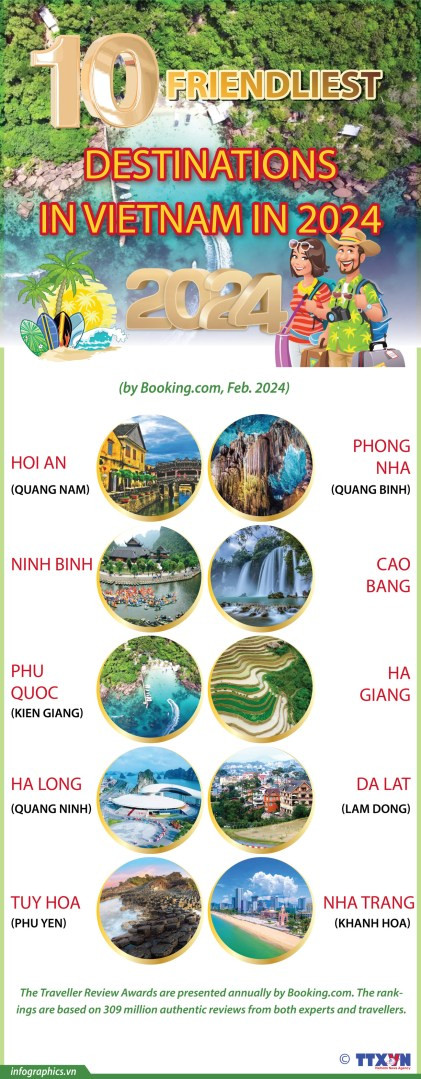
Other destinations are also capitalising on the festival wave. The northern province of Ninh Binh has hosted a series of spring and summer events, including the Trang An Festival (March), Hoa Lu Festival (April), and the Golden Colour of Tam Coc–Trang An Festival (May). Meanwhile, Da Nang is set to hold its Enjoy Da Nang Festival in June.
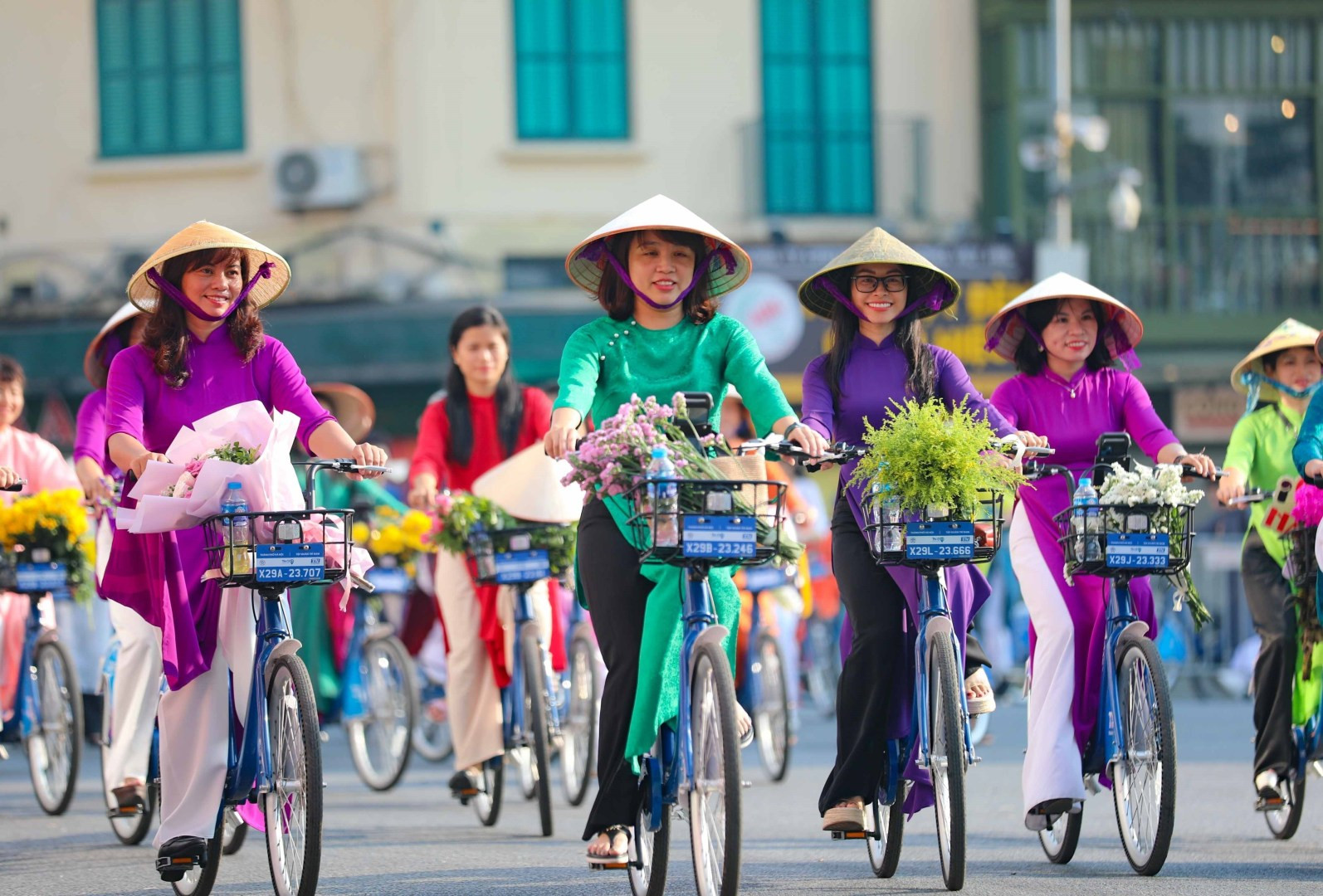
In the capital, Hanoi has planned a full calendar of cultural and tourism festivals throughout 2025. Following the Hanoi Tourism Gift Festival and the Hanoi Culinary Culture Festival, upcoming events include the Hanoi Autumn Festival and the Hanoi Tourism Ao Dai Festival, scheduled for September.
According to Dang Huong Giang, Director of Hanoi’s Department of Tourism, these festivals not only provide creative platforms for artisans and traditional craft villages but also encourage longer visitor stays in the capital.
Engaging the creative community
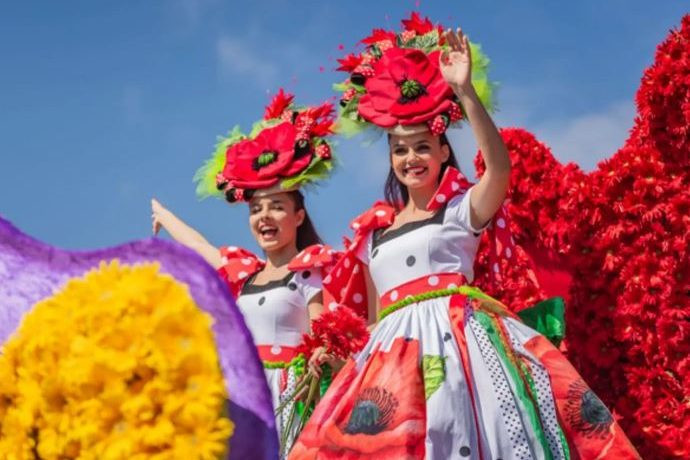
It is undeniable that these new-style festivals are revitalising Vietnam’s tourism sector. Many are refreshed annually, with significant investment aimed at enhancing the visitor experience. Nevertheless, experts note that several festivals remain formulaic in their organisation, leading to a gradual decline in appeal over time.
Pham Hai Quynh, Director of the Asian Tourism Development Institute, emphasised the importance of modern festivals in attracting tourists—a strategy also employed by countries such as the Netherlands (Tulip Festival), France (Festival of Lights), and Japan (Cherry Blossom Festival). While Vietnam has achieved notable success with several creative events, Quynh pointed out that some draw large crowds only on opening day, with declining attendance thereafter. Others offer creative elements but lack a distinctive identity.
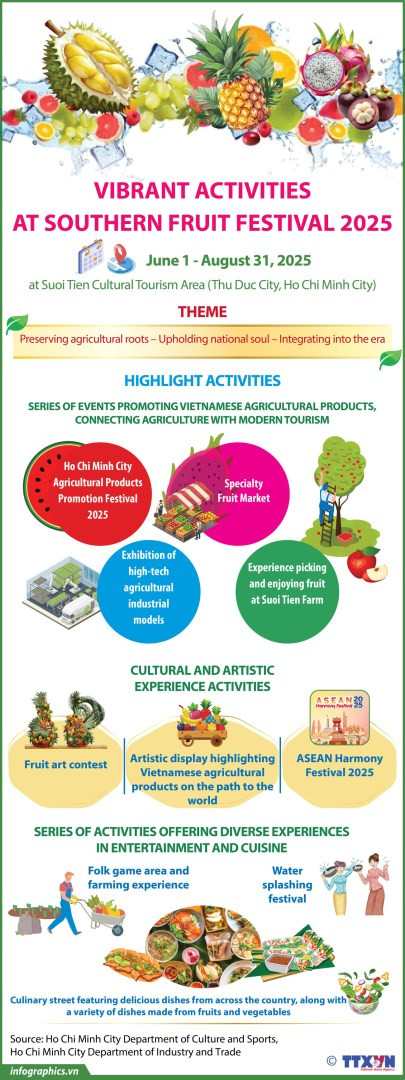
To ensure that modern festivals effectively contribute to tourism development and become a driving force for the cultural industry, Phung Quang Thang, Permanent Vice Chairman of the Vietnam Society of Travel Agents, underscored the need for festivals to reflect local cultural identity and avoid overlapping ideas.
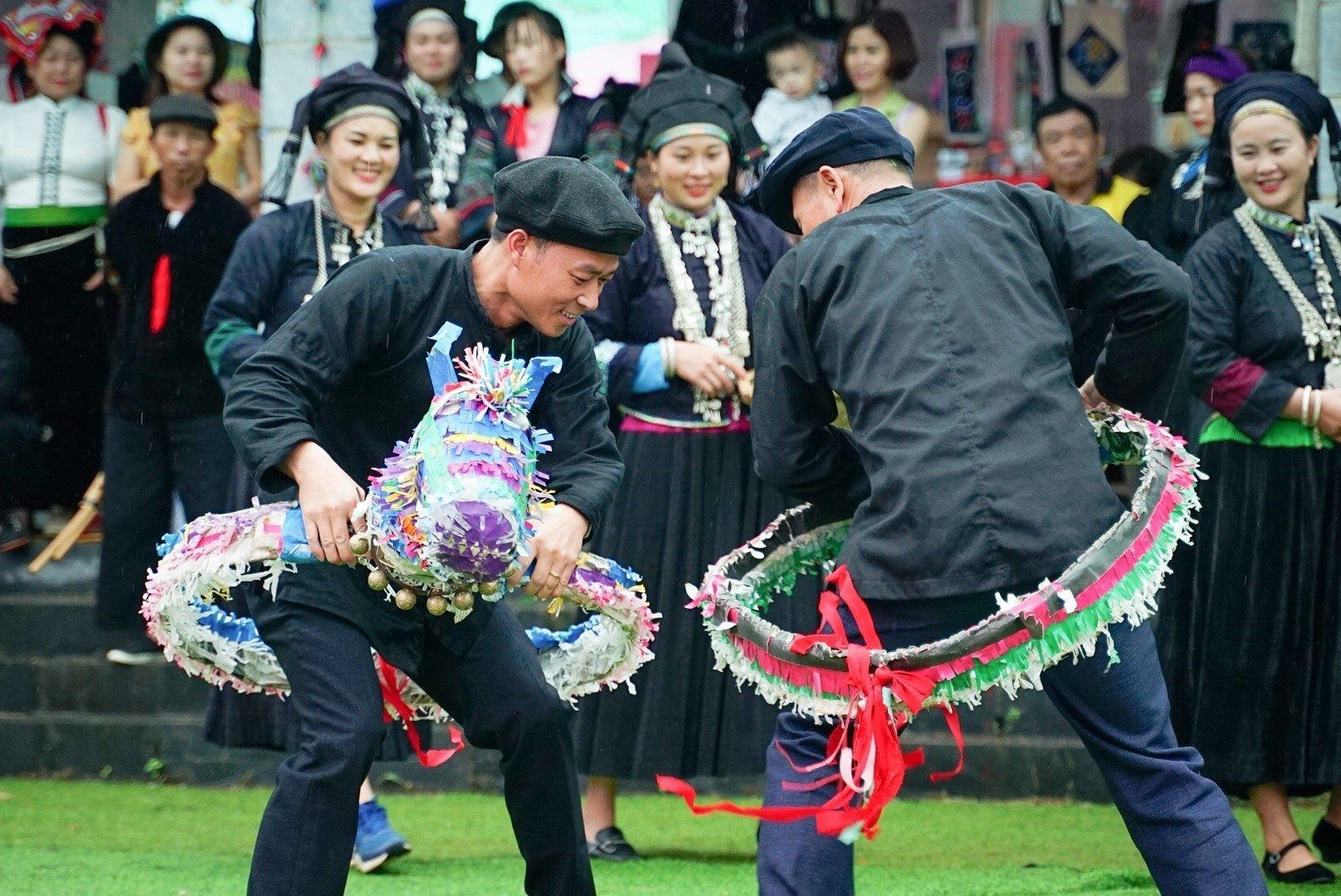
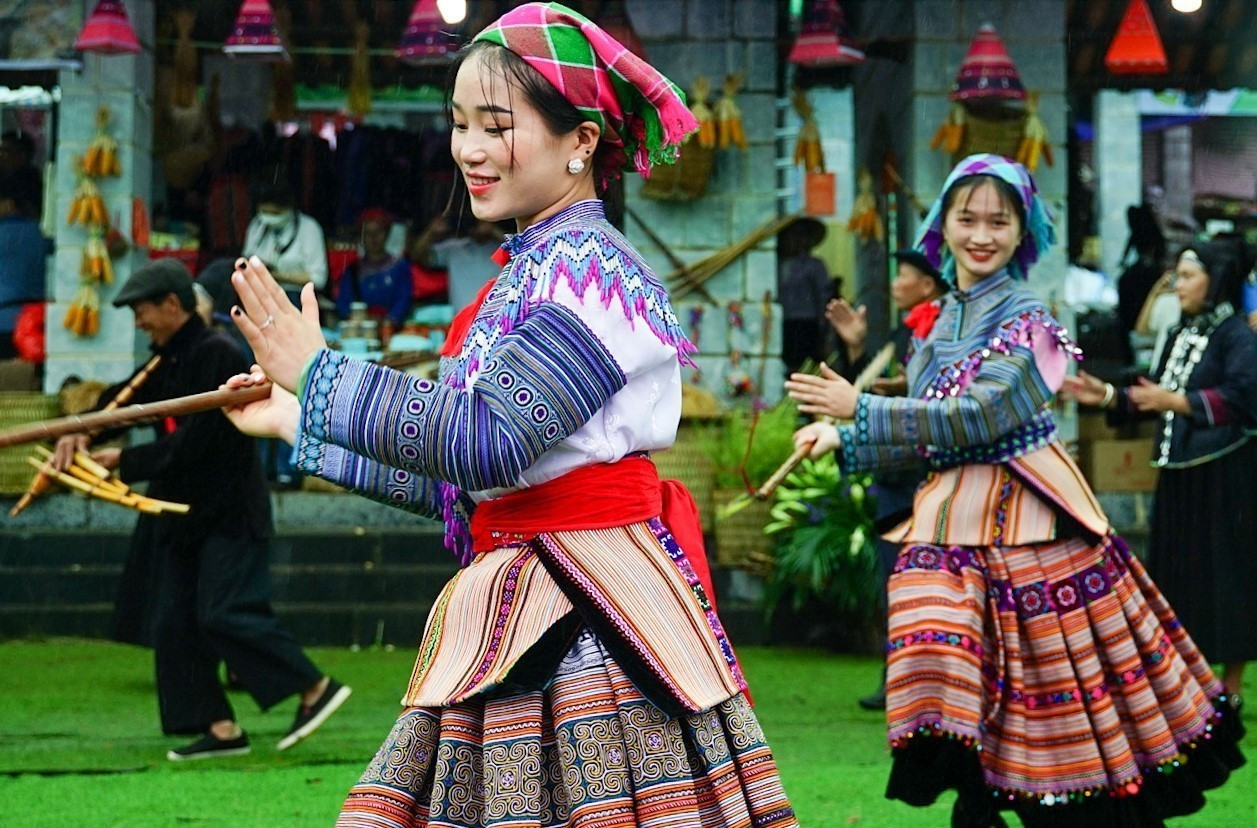
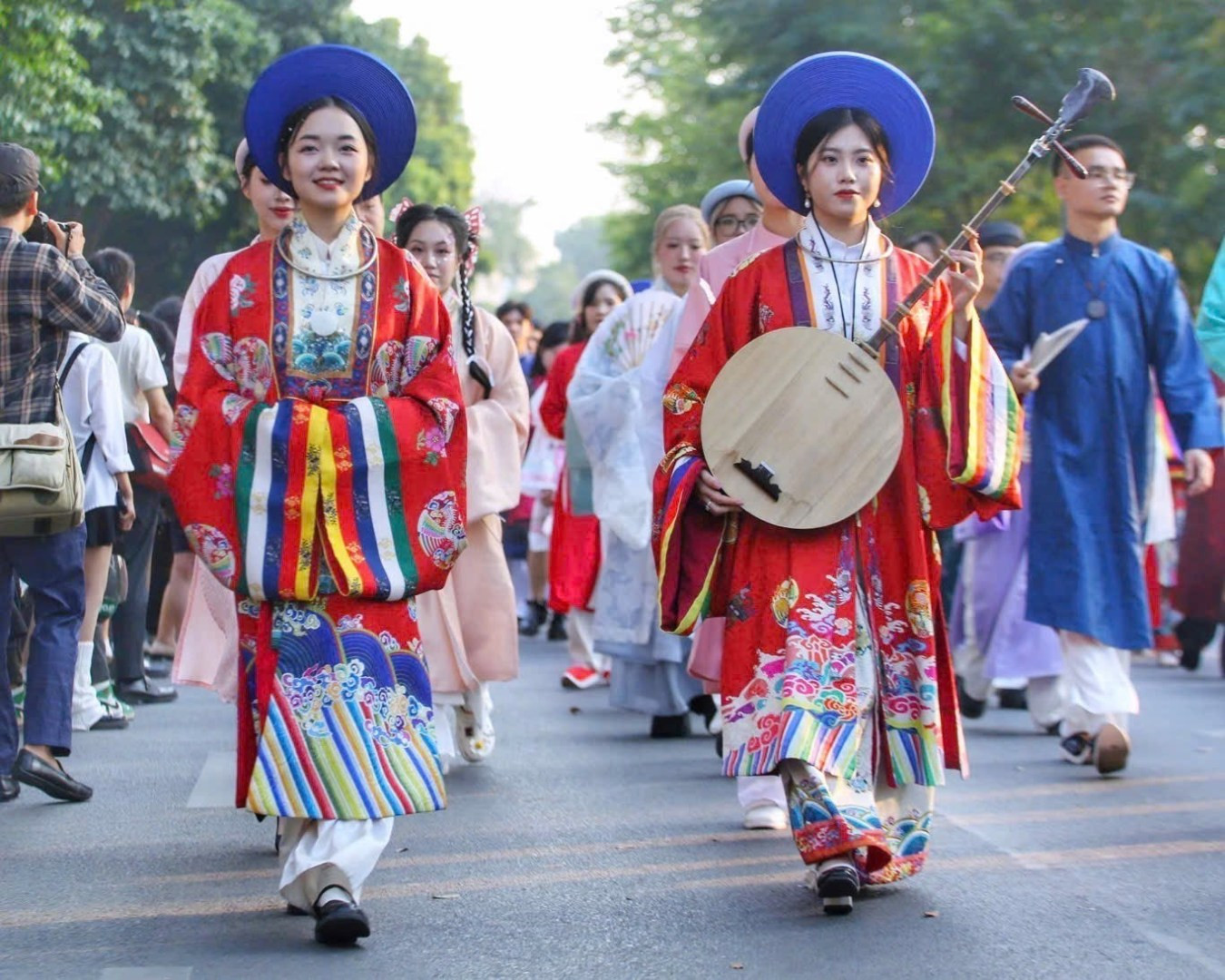
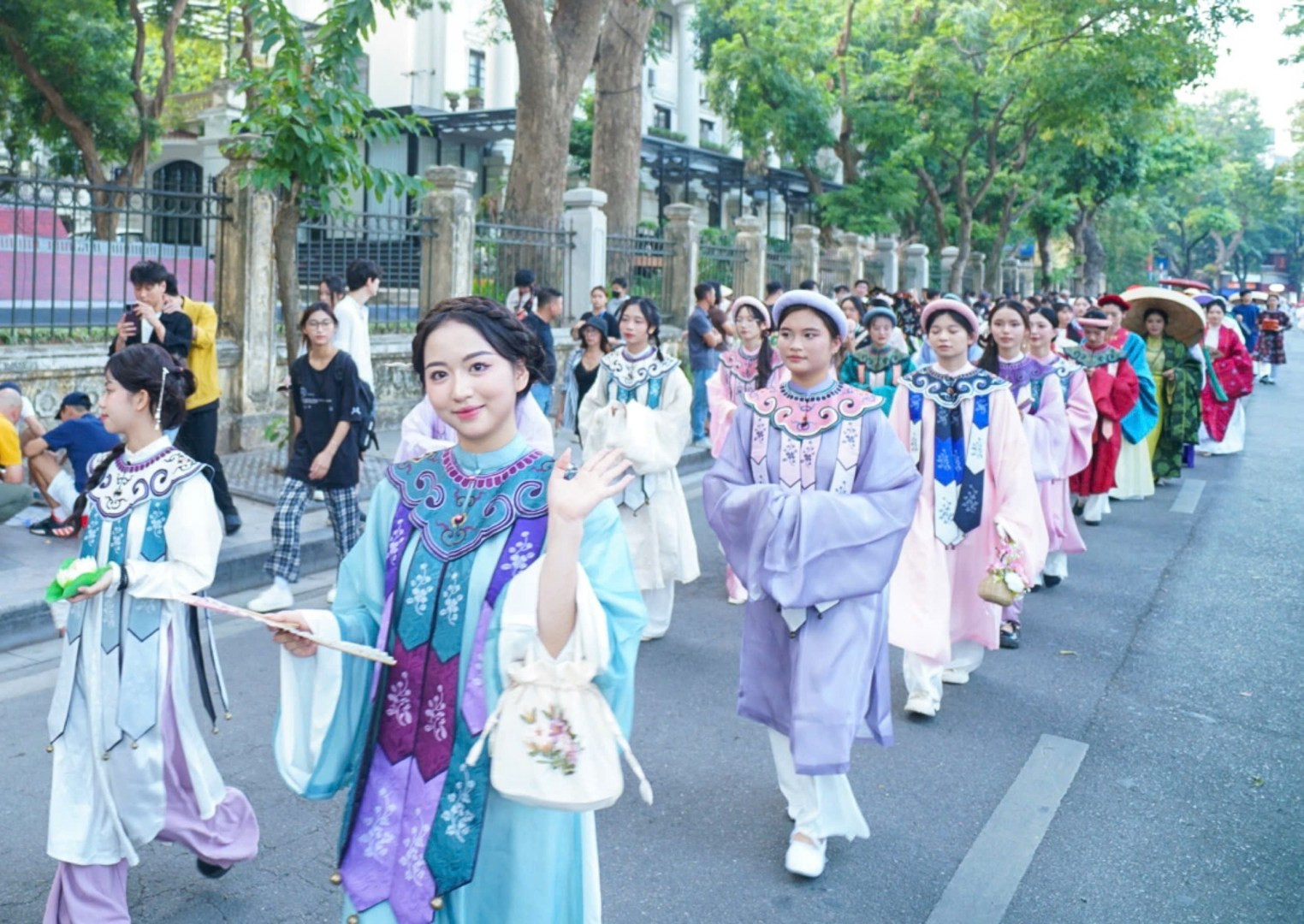
Meanwhile, director Le Quy Duong, Chairman of the Festival and Cooperation Committee of the International Theatre Institute (ITI), called on festival organisers to prioritise the preservation and development of cultural heritage. “Each festival should be carefully planned, studied, and curated to highlight the unique culture, history, and legacy of its locality,” he said.
Festival tourism is emerging as a strategic pathway for many countries, including Vietnam, to enhance tourism competitiveness and foster sustainable growth. Vietnam has already identified cultural tourism as a top priority in its tourism product development strategy through 2025, with a vision to 2030. With the right approach, festival tourism could offer fresh momentum for the Vietnamese tourism industry in the years ahead.
A well-planned communication strategy needed
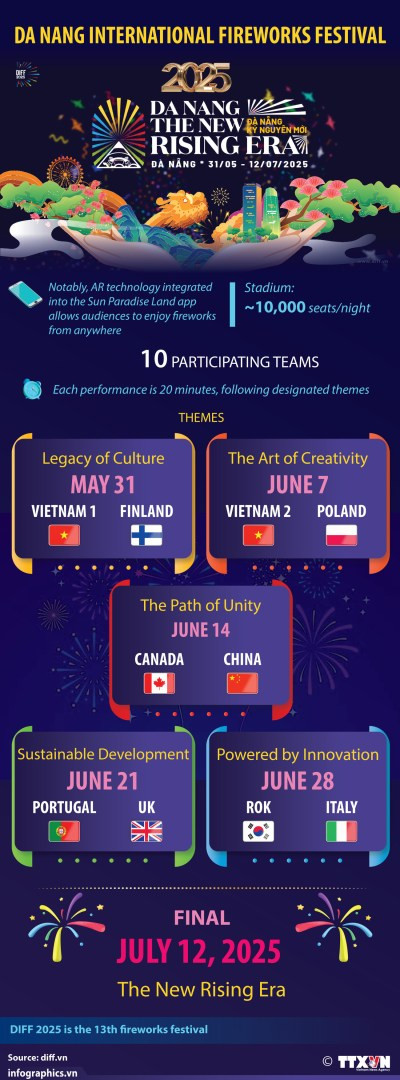
Festival-based tourism is a global trend—and Vietnam is no exception. Both traditional and modern festivals hold strong appeal, especially for international visitors seeking to explore local culture, heritage, and celebrations. Modern festivals often captivate through originality, uniqueness, and well-designed creative spaces. When held regularly, they can become signature tourism products — much like the Ha Long Carnival, Hue Festival, Da Lat Flower Festival, and Da Nang International Fireworks Festival.
Promoting cultural identity of each locality
For many years, localities have organised festivals to attract tourists. In reality, many of these festivals have expanded in scale and gained international reach, becoming annual cultural and tourism highlights for visitors. While tourism festivals are essential, local authorities must ensure their effectiveness by avoiding content duplication and uninspired programming. It is a must to research trends and tourist preferences to tailor festival tourism to each locality’s strengths and resources.


Ensuring infrastructure, service quality
The development of new festivals to attract tourism has proven to bring considerable benefits to many localities. With the upcoming reorganisation of administrative units, provinces and cities should carefully plan new cultural events and festivals tailored to local contexts. The aim is to boost cultural promotion, enhance destination value, and generate greater economic returns.
For festivals to truly support tourism and drive the cultural industry, localities must assess their visitor capacity and ensure infrastructure, facilities, and services are well-prepared, encouraging longer stays and higher spending.
VNA
.svg)
