 Vietnamnet.vn

 Podcast



A wave of controversy has emerged surrounding the Vietnamese ao dai worn during Tet, as several recent designs have incorporated distinctly Chinese elements - such as frog buttons, wide silhouettes, knotted fastenings, tassels, and ornate embroidery. These details have sparked heated discussions across social media and fashion forums.

Some designs even resemble the Chinese qipao or the five-paneled robes of ancient Chinese attire, yet are still labeled as ao dai. This blending has raised cultural concerns among designers and public figures.
Singer Kyo York, an ardent supporter of Vietnamese culture, expressed disappointment at seeing Tet ao dai that borrow so heavily from Hanfu. He views the ao dai as a symbol of Vietnamese heritage and feels disheartened when cultural identity is muddled.
He emphasized that he does not oppose creativity or other East Asian garments. However, he stressed that each culture deserves to be properly named and respectfully presented: “If it’s Hanfu, call it Hanfu. But if it’s Vietnamese ao dai, let’s protect its integrity - from silhouette to even the smallest detail like the buttons.”
Thuan Viet: "The ao dai has been torn apart"
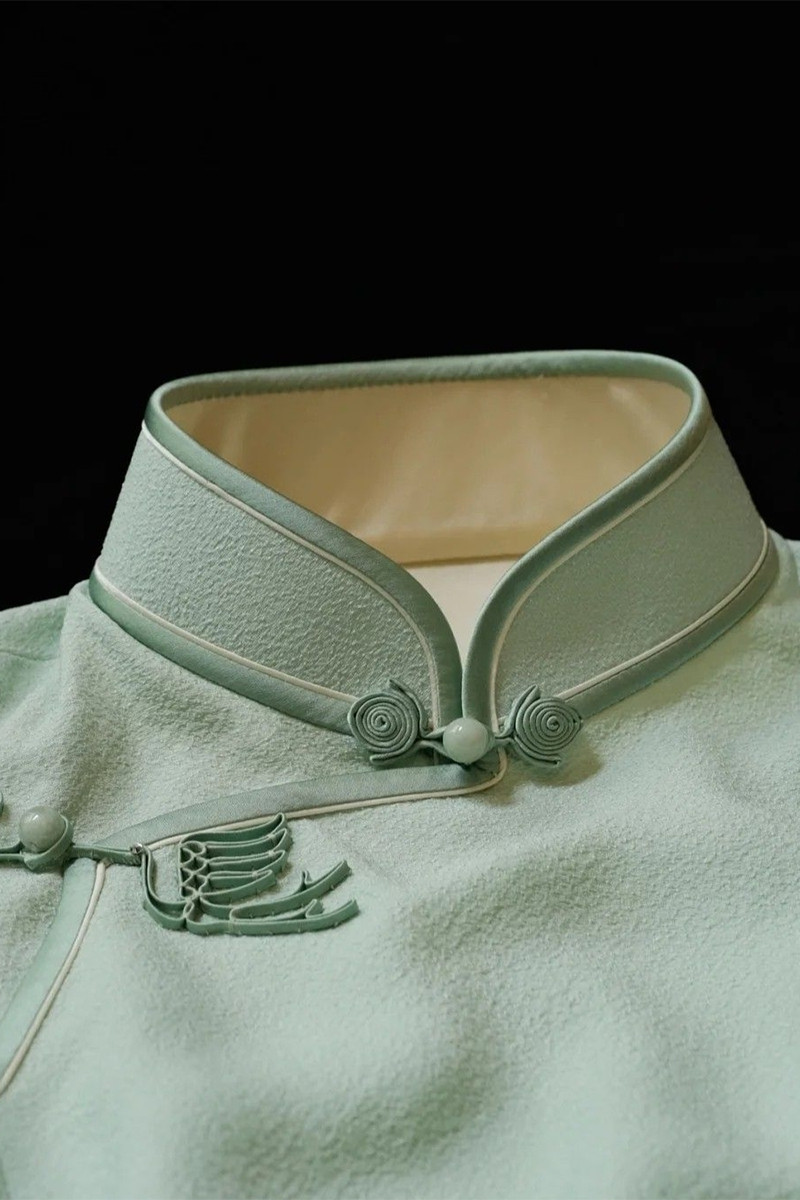

Renowned designer Thuan Viet told VietNamNet that many recent ao dai are made using Chinese-imported fabrics, woven with traditional Chinese patterns, and sewn in exaggeratedly loose forms - evoking fantasy martial arts dramas rather than Vietnamese elegance.
He pointed out that even the props used in photo shoots, such as parasols and fans, mimic Chinese aesthetics and mislead viewers into thinking the garments are Hanfu.
Thuan Viet has never used frog buttons in his designs and acknowledges the historical closeness between Vietnamese and Chinese cultures. Still, he believes designers must exercise care in selecting motifs to avoid unintentional cultural misrepresentation.
He prefers to use Vietnamese-made fabrics like Bao Loc or Ha Dong silk and employs local artisans to hand-embroider designs - ensuring authenticity and cultural fidelity.
He also criticized online shops for chasing cheap trends and said that many young buyers treat the ao dai merely as fashion, ignoring its cultural weight. According to him, this casual attitude has led to an erosion of the ao dai’s original form.
Vu Viet Ha: “Frog buttons don’t belong on ao dai”

Designer Vu Viet Ha acknowledged the natural cultural exchange across Asia but warned against using this as a justification for cultural dilution. While traditional attire from Vietnam to Japan shares structural similarities due to climate and regional history, such overlap should not be mistaken for equivalence.
He argued that the Vietnamese ao dai has unique references, even in subtle details such as collar height - 2, 4, or 6 centimeters - linked to specific regions like the North, Central, or South. These distinctions, though small, form part of the ao dai’s unique identity.
His main concern lies not in regional similarity, but in the active decision of some designers to integrate recognizable foreign elements - then continue to label the product as ao dai.
Recalling his early design years, Vu Viet Ha mentioned Hanoi’s streets like Luong Van Can and Ngo Huyen, which specialized in frog buttons for Shanghai-style dresses. He rejected using them in ao dai, advocating instead for the preservation of traditional Vietnamese form and spirit.
He insisted: “Even with some overlap with qipao or traditional Singaporean attire, Vietnamese ao dai has its own distinct color and place. A proper ao dai must make you say: this is from Vietnam, not anywhere else.”
To him, designers are not just craftspeople - they are cultural custodians. Their creations should educate the public and reinforce national identity through clothing.
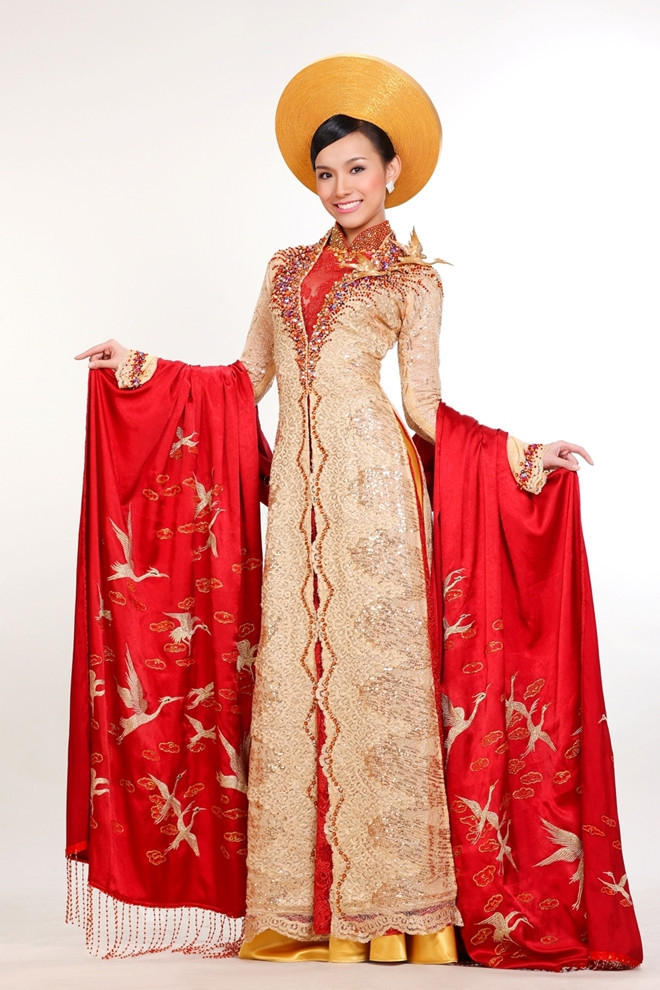
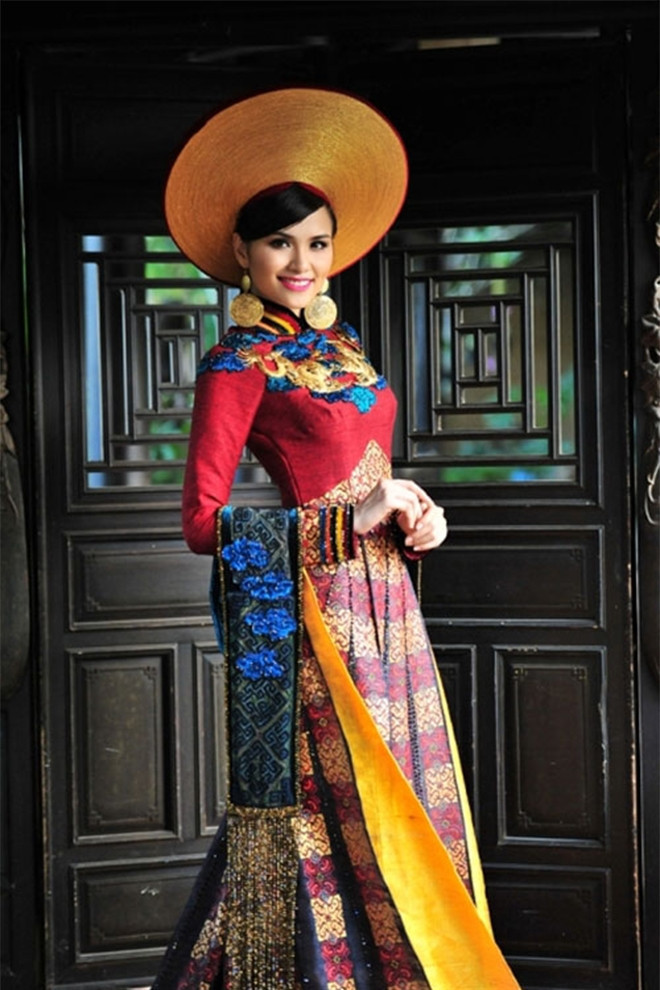


Huynh Bao Toan: “Not every two-panel outfit is an ao dai”

Designer Huynh Bao Toan offered a more moderate perspective. He sees the inclusion of Hanfu-inspired elements as a form of artistic exploration, but one that must be approached with care.
He noted that not all innovations are appropriate, and not all are inappropriate either. Still, with ao dai being a symbol of Vietnamese culture, it deserves to be safeguarded.
To him, the line between innovation and distortion lies in understanding and respecting the core values of the ao dai. “If modernization strips away cultural identity, it’s no longer creativity - it’s misdirection,” he stated.
He believes that the responsibility lies with both designers and consumers. While wearers are free to choose their style, they should also understand that “not every two-panel outfit is a Vietnamese ao dai.”
Ultimately, he called on fashion houses and designers to help the public distinguish ao dai from Hanfu. “Only by working together to protect and promote our heritage can the ao dai remain a proud symbol of Vietnam,” he concluded.


.svg)
