 Vietnamnet.vn

 Podcast



Following its merger with neighboring Quang Nam Province and the rollout of Vietnam's new two-tier local government model, Da Nang has entered a new phase of development with an ambitious target of maintaining average annual gross regional domestic product (GRDP) growth of at least 11% between 2026 and 2030.
To achieve that goal, the city is rolling out a series of sweeping reforms aimed at removing long-standing institutional bottlenecks, unlocking land resources, strengthening the private sector and creating new engines of economic growth.
Unlocking stalled projects
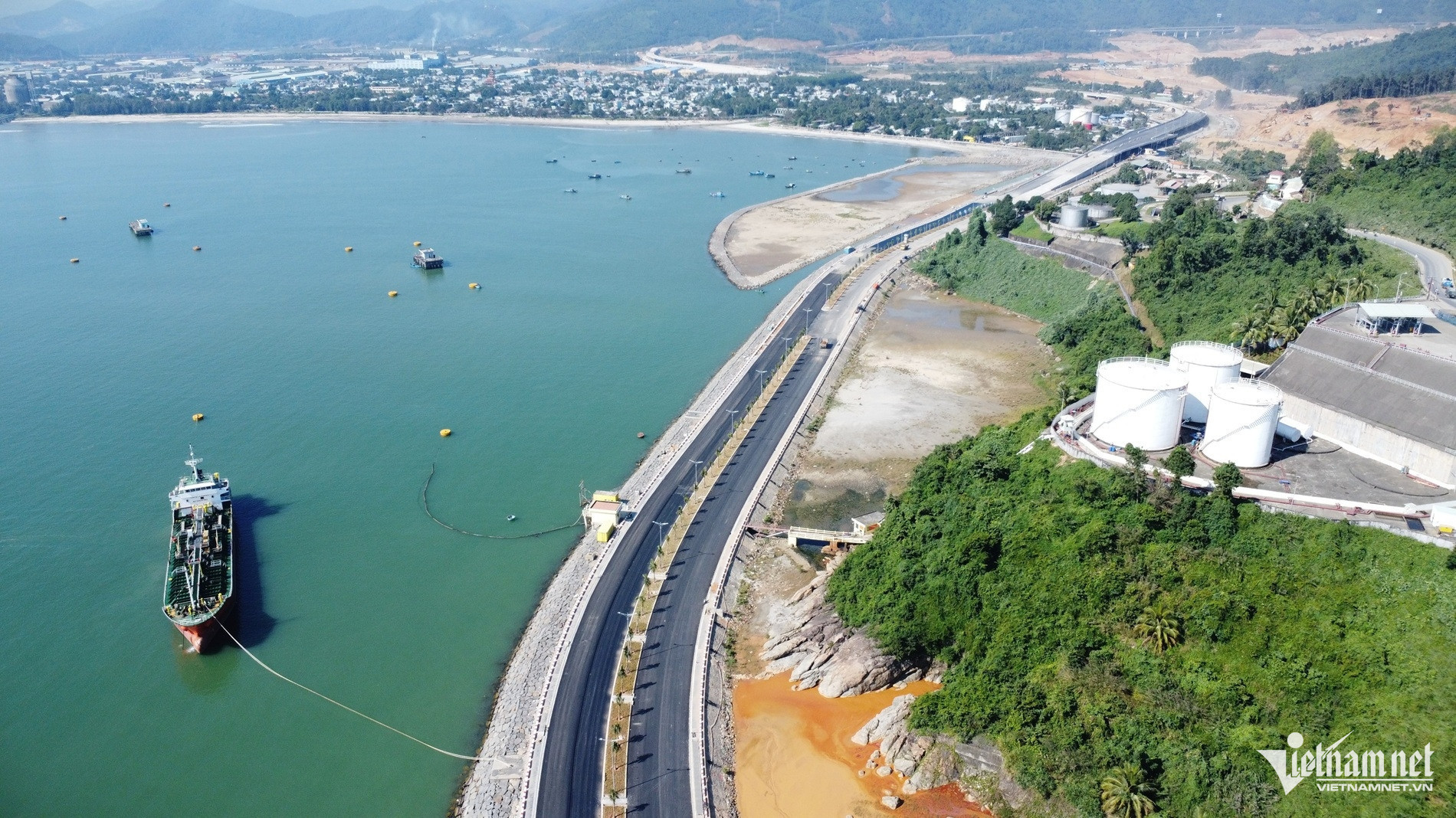
Under the scorching summer sun at the construction site of Lien Chieu Container Port, located at the foot of Hai Van Pass, engineers and construction workers are working around the clock as multiple teams simultaneously carry out different phases of the project.
With a total investment of more than VND45 trillion (US$1.72 billion), Lien Chieu Port is the largest maritime infrastructure project ever undertaken in Da Nang. Once completed, it is expected to become the principal international cargo gateway for central Vietnam, supporting the expansion of the region's marine economy and logistics industry.
Private enterprise has been identified by Vietnam as one of the country's most important economic growth drivers. In response, Da Nang has introduced a broad package of measures to improve the business climate by simplifying administrative procedures and addressing long-standing constraints related to land access, investment procedures and development resources.
Shortly after the Politburo issued Resolution 68 on private sector development, the city adopted its own implementation plan, focusing on improving businesses' access to land, credit, science and technology, digital transformation and streamlined administrative procedures.
According to tax administration data through March 2026, Da Nang is home to more than 43,000 active businesses, the vast majority of which are privately owned. In total, the city now has more than 61,000 registered enterprises, branches and representative offices, along with over 182,000 household businesses.
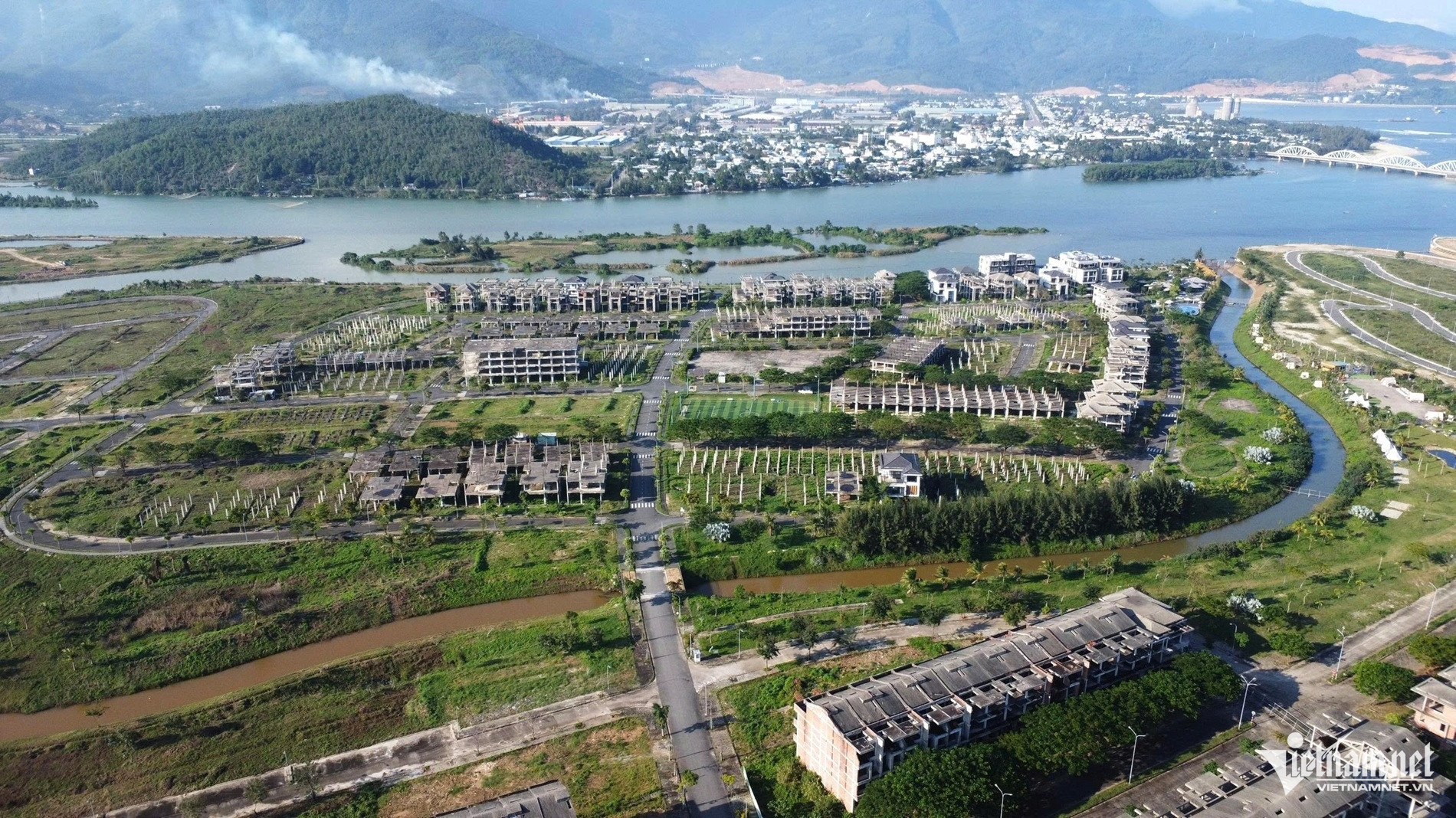
Despite this vibrant business base, many large-scale investment projects have remained stalled for years because of unresolved issues involving land use rights, inspection and audit findings, planning regulations and legal procedures. These obstacles have long been regarded as one of the city's biggest barriers to economic development.
Resolving long-standing obstacles
In line with resolutions passed by Vietnam's National Assembly and conclusions issued by the Politburo to address delayed investment projects, Da Nang has established dedicated task forces responsible for directly handling long-standing legal and administrative issues.
To date, the city has resolved problems affecting more than 1,981 projects and state-owned properties, equivalent to more than 97% of all outstanding cases.
The review process has also generated additional state revenue. By implementing recommendations contained in inspection and audit reports, the city has collected VND1.435 trillion (US$54.8 million), equal to 64% of the amount required under official conclusions.
One of the most significant steps has been the publication of a list of 350 projects and land sites eligible for special policy mechanisms approved under National Assembly resolutions, allowing authorities to address legal complications that have prevented projects from moving forward for years.
Among the latest beneficiaries is Golden Hills City, an eco-urban development led by Trung Nam Group, which has been included under the city's special policy framework. Local officials believe the move will unlock valuable land resources and pave the way for the restart of several major developments.
At the same time, Da Nang is preparing new growth drivers while resolving legacy issues.
Following a comprehensive review, the city has identified 119 surplus public properties, covering more than 135,000 square meters of land and nearly 80,000 square meters of floor space, which will be made available for commercial use through auctions or leasing.
Another strategic initiative is the development of the Da Nang Free Trade Zone (FTZ), covering approximately 1,881 hectares across seven non-contiguous sites.
On June 13, city authorities approved investment policies and issued investment registration certificates for infrastructure projects at FTZ Zones 2, 3 and 4, representing a combined investment of more than VND15.025 trillion (US$573 million).
Authorities are continuing to seek investors for the remaining sites, including FTZ Zones 1, 6 and 7.
The city has also allocated two land plots along Vo Van Kiet Boulevard in An Hai Ward, together with part of Software Park No. 2 in Hai Chau Ward, for the development of the Vietnam International Financial Center in Da Nang.
To accelerate progress, the municipal government has assigned each of its six vice chairpersons responsibility for directly overseeing and removing obstacles affecting more than 300 delayed projects across the city.
Administrative reform is also being intensified.
All administrative procedures managed by municipal departments are now processed regardless of district boundaries, while more than 2,256 public administrative procedures have been fully published through online government platforms.
City leaders believe these coordinated reforms will not only improve the investment environment but also strengthen business confidence and enable the private sector to play a larger role as a driver of economic growth during Da Nang's next phase of development.
Strong economic momentum
The city's efforts to remove institutional bottlenecks and unlock development resources are already translating into stronger economic performance.
During the first half of 2026, Da Nang posted robust gains across a wide range of economic indicators, reinforcing confidence that it can achieve double-digit growth in the coming years.
According to the Da Nang Statistics Office, the city's gross regional domestic product (GRDP) expanded by an estimated 9.52% year-on-year in the first six months of 2026, placing Da Nang among Vietnam's fastest-growing local economies.
The city's economic output reached VND171.267 trillion (US$6.54 billion), an increase of VND21.029 trillion (US$803 million) compared with the same period last year.
The services sector remained the primary engine of growth, contributing an additional VND11.495 trillion (US$439 million) to the economy and reaffirming its position as the backbone of Da Nang's development.
Among Vietnam's newly reorganized 34 provinces and centrally governed cities, Da Nang ranked 13th in GRDP growth while leading the South Central Coast region.
Officials say the figures demonstrate not only sustained economic expansion but also a significant increase in the city's overall economic scale, strengthening Da Nang's role as the commercial, financial and service hub of central Vietnam.
The performance is also expected to enhance the city's competitiveness, attract additional investment and provide a stronger foundation for achieving its long-term development objectives.
Tourism remains a standout performer
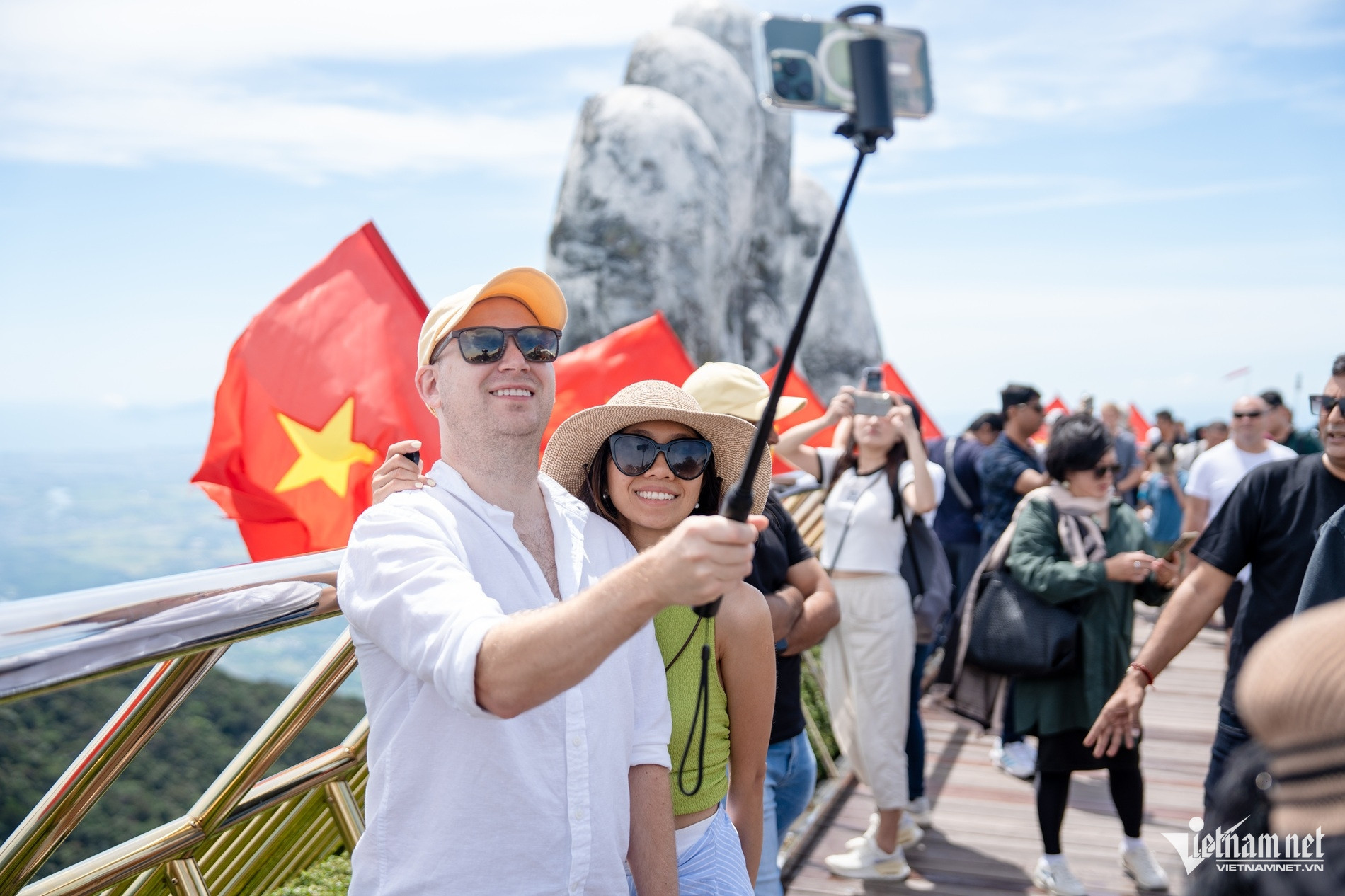
Tourism continued to be one of Da Nang's brightest economic success stories during the first half of the year.
Hotels and other accommodation providers welcomed nearly 9.8 million visitors, up 22.5% from the same period in 2025.
The strong recovery reflects Da Nang's growing appeal following the expansion of its administrative boundaries after the merger with Quang Nam Province. The tourism rebound has also generated positive spillover effects across retail, transportation, hospitality and a wide range of service industries.
Investment attraction has also accelerated sharply.
As of June 20, Da Nang had licensed 66 new foreign direct investment (FDI) projects with combined registered capital of US$283.5 million, representing an increase of 113.5% compared with a year earlier.
Domestic investment also maintained strong momentum, with newly registered and additional capital totaling VND74.794 trillion (US$2.86 billion), up 73.3% year-on-year.
Meanwhile, the industrial and construction sector expanded 11.72%, reflecting a broad recovery in manufacturing activity and construction while providing another pillar for sustainable economic growth.
Business confidence strengthens
The city's improving business environment is also evident in the growing number of newly established companies.
By June 20, approximately 3,900 new enterprises and branch offices had been established in Da Nang, with combined registered capital exceeding VND19.4 trillion (around US$741 million), an increase of 31.3% in the number of newly registered businesses compared with the same period last year.
An additional 1,565 companies and branches resumed operations after periods of suspension, further highlighting improving business confidence.
External trade also maintained steady growth.
Total import and export turnover reached US$4.782 billion during the first six months of 2026, reflecting continued expansion in the city's international trade activities.
Public finances also recorded exceptional performance.
Preliminary figures show that state budget revenue reached VND51.769 trillion (US$1.98 billion) in the first half of the year, representing a 91.4% increase compared with the same period in 2025.
Economists say these results provide early evidence that institutional reforms, efforts to resolve long-standing legal obstacles and measures to unlock investment resources are beginning to produce tangible economic benefits.
The latest growth figures have strengthened confidence that Da Nang is building the foundations needed to achieve its ambitious target of sustaining annual GRDP growth of 11% or higher over the next five years.
Building new engines of growth
Despite the encouraging results, city leaders acknowledge that maintaining double-digit growth will require overcoming significant challenges, including slow public investment disbursement, land clearance delays, growth quality and competitiveness.
According to Tran Thi Thanh Tam, Director of the Da Nang Department of Finance, the city is accelerating the disbursement of public investment by requiring project owners to prepare detailed implementation schedules, particularly for major infrastructure projects. Authorities are also working to resolve outstanding issues involving land acquisition, construction materials and contractor capacity.
Beyond clearing legacy projects, Da Nang is focusing on creating entirely new growth engines.
Foremost among them is the Da Nang Free Trade Zone, which authorities expect to become a major economic hub for central Vietnam, attracting global investors in logistics, international trade, high-tech manufacturing and financial services.
The city is also positioning the planned Vietnam International Financial Center as a strategic initiative to strengthen Da Nang's role within regional and global financial networks.
Betting on institutional innovation
Economist Tran Dinh Thien, former Director of the Vietnam Institute of Economics, believes the development of the Vietnam International Financial Center represents an opportunity for the country to enter "a completely new arena," where success depends on institutions, innovation and competitiveness rather than traditional advantages.
He argued that the foundation of a successful financial center is not iconic buildings or large investment projects, but a modern financial ecosystem supported by internationally recognized legal and regulatory standards.
Drawing lessons from Singapore, Israel, Shanghai and Hong Kong, Thien said the world's most successful financial centers have consistently evolved through institutional reform and strong legal certainty.
Rather than attempting to replicate another country's model, Vietnam should develop a financial center tailored to its own economic conditions and long-term development strategy.
"What attracts investors is not simply incentives, but confidence in the institutional framework," he said.
Thien also suggested that, since the Vietnam International Financial Center will be developed in both Da Nang and Ho Chi Minh City, the two locations should pursue complementary rather than competing strategies.
Each should develop its own distinctive market focus, competitive advantages and operating mechanisms.
For Da Nang, he said, opportunities exist in emerging sectors such as green finance and next-generation financial products, where the city can differentiate itself despite entering the market later than more established financial hubs.
Technology-led development
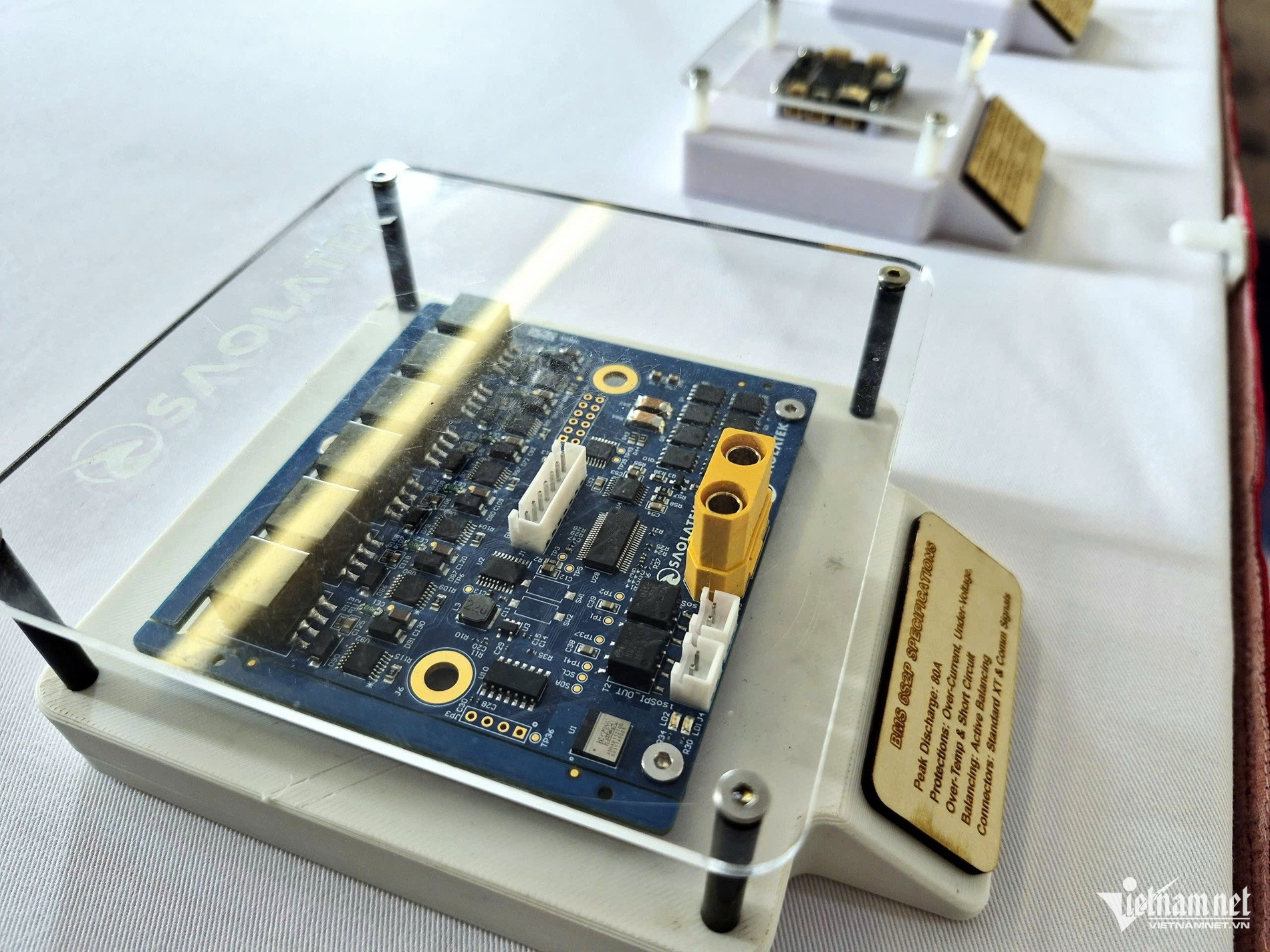
Alongside financial services, Da Nang continues to prioritize investment in high-tech industries, including semiconductors, artificial intelligence, information technology, logistics and supporting industries, while seeking to attract large strategic investors.
The city has identified science and technology, innovation and digital transformation as key drivers of long-term growth.
Authorities are also building a comprehensive innovation ecosystem through policies supporting start-ups, technology companies and the development of a highly skilled workforce.
Municipal Chairman Nguyen Manh Hung said Da Nang would continue removing institutional barriers related to administrative procedures, land management, natural resources and investment.
"Our guiding principle is that no minor administrative obstacle should be allowed to cost businesses - or the city - a major development opportunity," Hung said.
Party Secretary Le Ngoc Quang described sustaining double-digit economic growth throughout the current development period as an ambitious objective that will require continued reforms and fresh thinking.
He said businesses must be treated as partners rather than simply subjects of regulation, with the government committed to reducing unnecessary administrative procedures, resolving delayed projects and eliminating obstacles that prevent productive use of land and other resources.
Roadmap to 2030
To achieve average annual GRDP growth of at least 11% during 2026–2030, the Da Nang Party Committee has adopted a comprehensive action program dedicated to double-digit growth.
The plan includes 36 policy programs and development initiatives, 35 public investment projects, 26 privately funded projects, and 15 public-private partnership (PPP) projects.
Authorities have identified five strategic priorities: improving planning, institutions and the investment environment; promoting science, technology, innovation and digital transformation; pursuing sustainable economic growth; integrating socio-economic development with national defense and security; and strengthening international cooperation while improving social welfare and cultural development.
As Da Nang enters a new chapter following its administrative expansion, city leaders believe that institutional reform, infrastructure investment and technology-driven development will determine whether Vietnam's largest city in the central region can transform its ambitious growth targets into lasting economic success.
Nguyen Hien - Ho Giap
.svg)
