 Vietnamnet.vn

 Podcast



Editor's note: Nestled among the rugged mountains of Vietnam's northeastern frontier, Quang Ninh's Dao communities have long been an integral part of the province's social and cultural fabric.
Their story is not defined by dramatic change, but by countless everyday efforts - a woman embroidering traditional patterns on her porch, villagers gathering to discuss building a new road, border patrols alongside frontier guards, or families launching small businesses rooted in local traditions.
Together, these stories illustrate how solidarity has become more than a policy objective. It is a way of life, enabling ethnic communities to preserve their heritage while contributing to local development and safeguarding Vietnam's border regions.
This series, "The Dao People of Quang Ninh – Unity and strength from mountain villages," explores that journey through culture, economic transformation and community life.
Part 1: Embroidery and new roads unite Dao communities in Quang Ninh
Part 2: Keeping Dao culture alive beyond museums in Quang Ninh
Changing the way people think
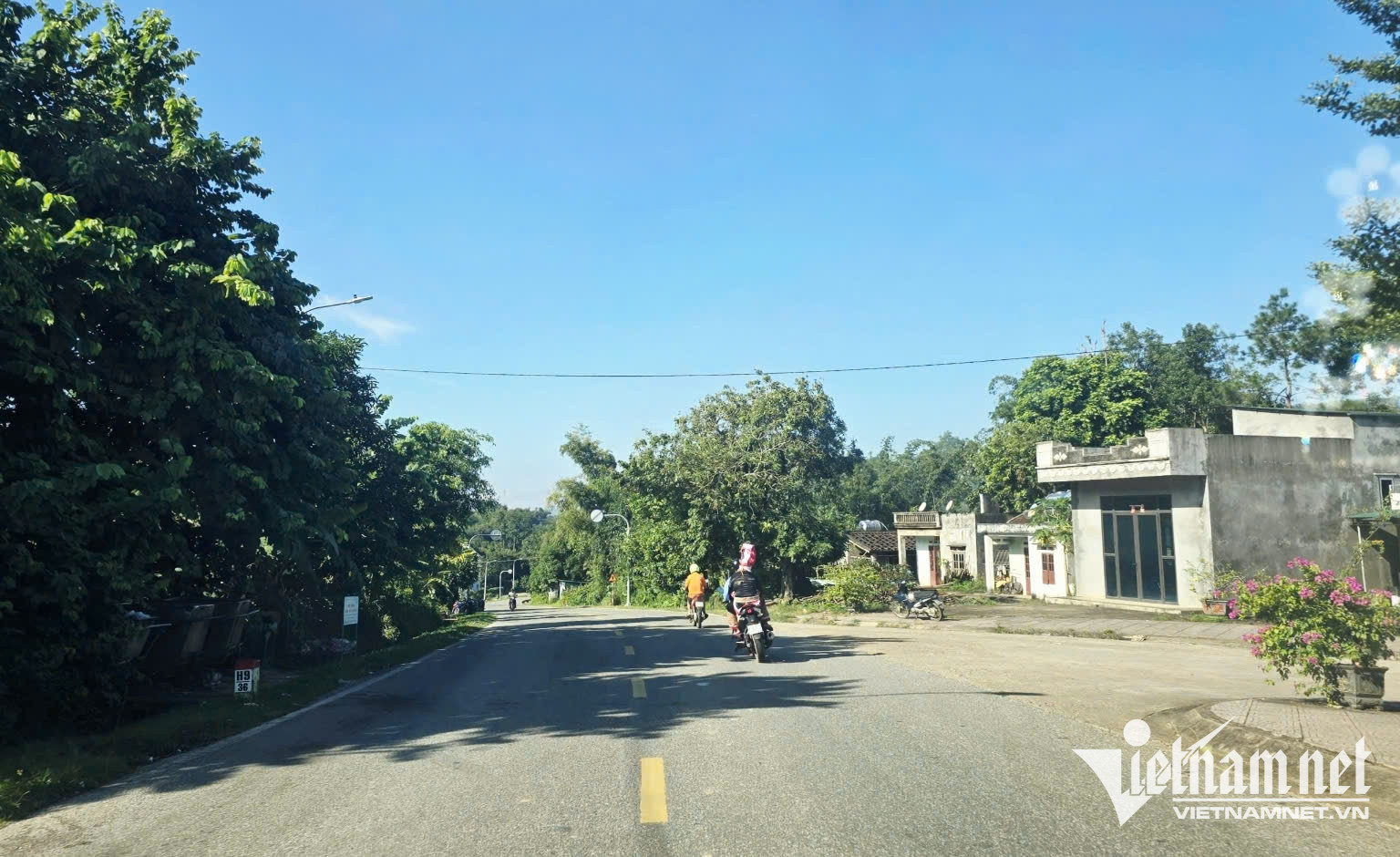
Only a decade ago, the rainy season brought months of isolation to many Dao villages in districts such as Ba Che, Binh Lieu and Quang Duc. Dirt roads turned into deep mud, making it difficult to transport agricultural products or for children to travel to school.
Today, concrete roads reach even remote hamlets, improving access to markets, education and public services while opening new opportunities for economic development.
The infrastructure has also encouraged a broader shift in mindset.
Where many households once relied heavily on government assistance, increasing numbers are now investing in new businesses, diversifying production and seeking opportunities on their own land.
Much of this transformation has been supported by coordinated government policies targeting ethnic minority, mountainous, border and island communities.
Among the most significant is Resolution No. 06-NQ/TU, adopted by the Quang Ninh Provincial Party Committee in May 2021, which promotes sustainable socio-economic development alongside national defense and security across ethnic minority and border areas through 2025, with a vision toward 2030.
The initiative has mobilized billions of Vietnamese dong for infrastructure, livelihood support and production development, helping local communities strengthen their own capacity for long-term growth.
Combined with broader poverty reduction programs, these investments have improved living standards for many Dao families through forestry, medicinal herb cultivation, community tourism and other sustainable livelihoods.
Young entrepreneurs lead the way
The changing mindset is perhaps most visible among younger Dao entrepreneurs willing to experiment with new ideas.
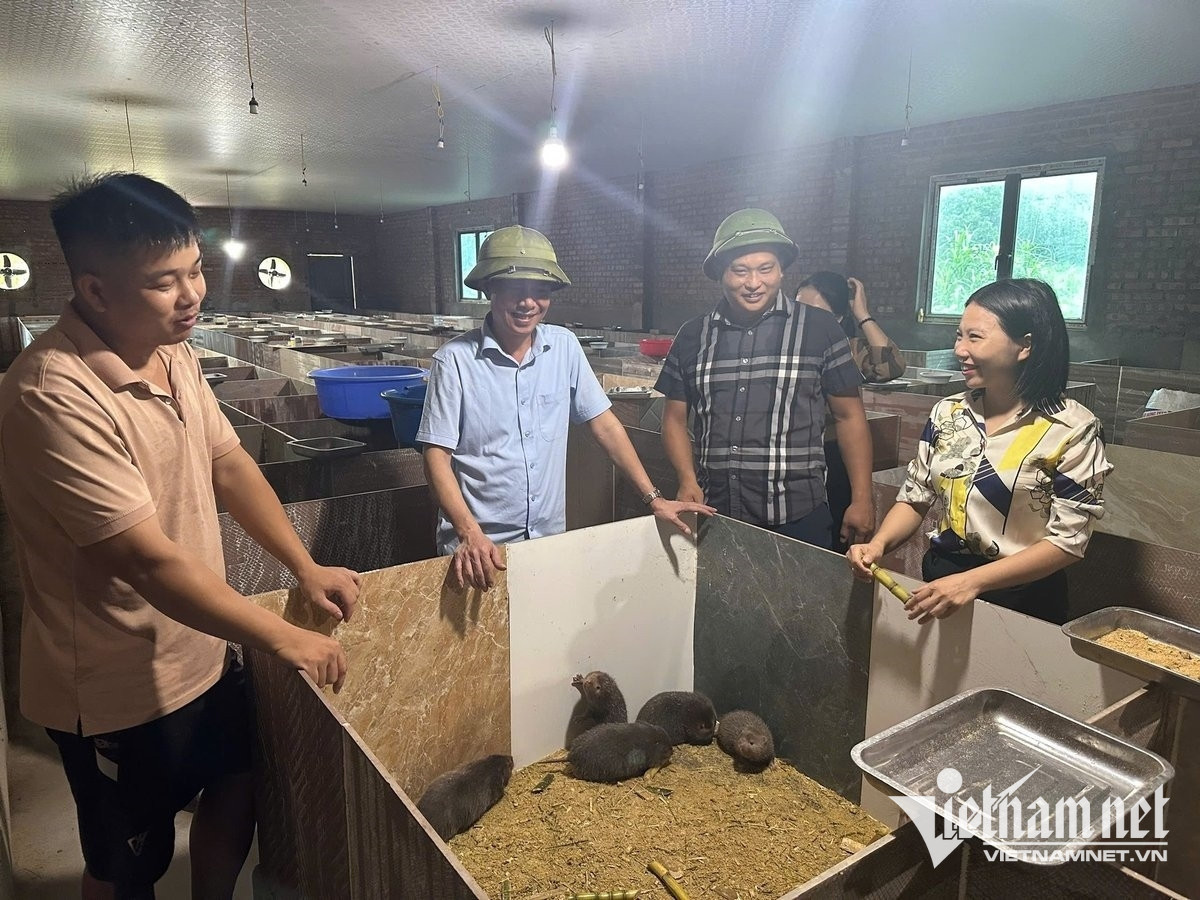
In the mountainous commune of Quang Duc, Truong A Si, a 35-year-old member of the Dao community, borrowed more than VND800 million (US$30,600) to establish a bamboo rat breeding farm.
The early years were challenging. Limited experience, technical difficulties and uncertain market demand tested his determination.
With support from local authorities - including technical guidance, study visits to successful farms and assistance connecting with buyers - he gradually built a closed production system.
After more than two years, the farm now raises hundreds of breeding and commercial bamboo rats, generating annual income of around VND300–400 million (US$11,500–15,300).
"My hope is that more families will join us. When people's livelihoods become more stable, our communities and our hometown will continue to develop," Si said.
His success has encouraged other households to visit the farm and explore similar business opportunities.
Policies that encourage self-reliance
Experiences across Quang Ninh's mountain districts suggest that when communities receive timely support and appropriate policies, they are fully capable of driving their own economic development.
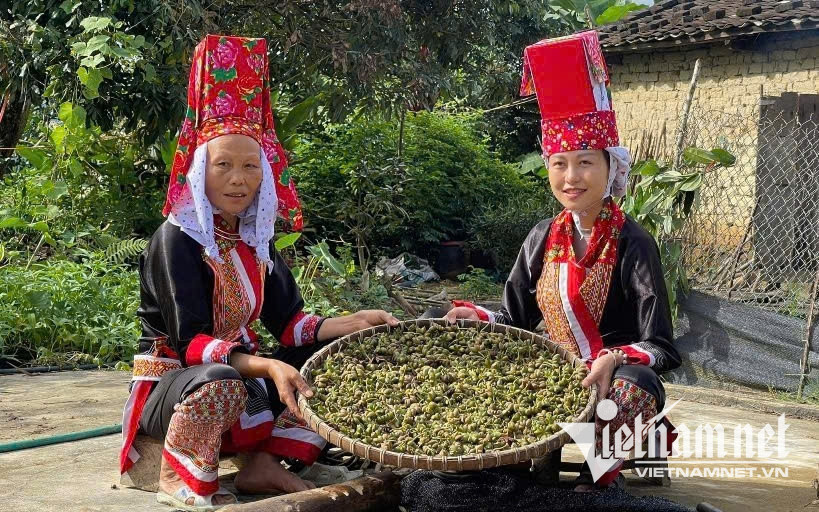
In Ba Che, many Dao households have embraced sustainable forestry, combining timber production with medicinal plants grown beneath forest canopies to generate stable incomes while protecting natural ecosystems.
Meanwhile, in Binh Lieu, cultural preservation initiatives under Project 6 of Vietnam's National Target Program 1719 have helped expand community-based tourism, creating jobs while showcasing Dao traditions.
Increasing numbers of young Dao residents are returning home to establish homestays, develop OCOP-certified products, practice organic farming and launch local businesses.
Many are also using digital platforms to reach wider markets.
One example is Chiu Thi Hien, 28, from the Dao Thanh Phan community in Luc Hon Commune.
After studying agriculture and forestry, she returned to her hometown to create a TikTok channel introducing Dao Thanh Phan culture, daily life and traditional herbal medicine while marketing her family's herbal products online.
She also participated in free government-sponsored training courses on digital transformation, livestreaming and online marketing.
"I want more people to learn about Dao Thanh Phan culture and our traditional herbal medicine," Hien said. "Social media not only helps our products reach more customers, but also allows us to introduce our cultural heritage. When our culture gains greater recognition, local people also gain more economic opportunities."
Development led by the community
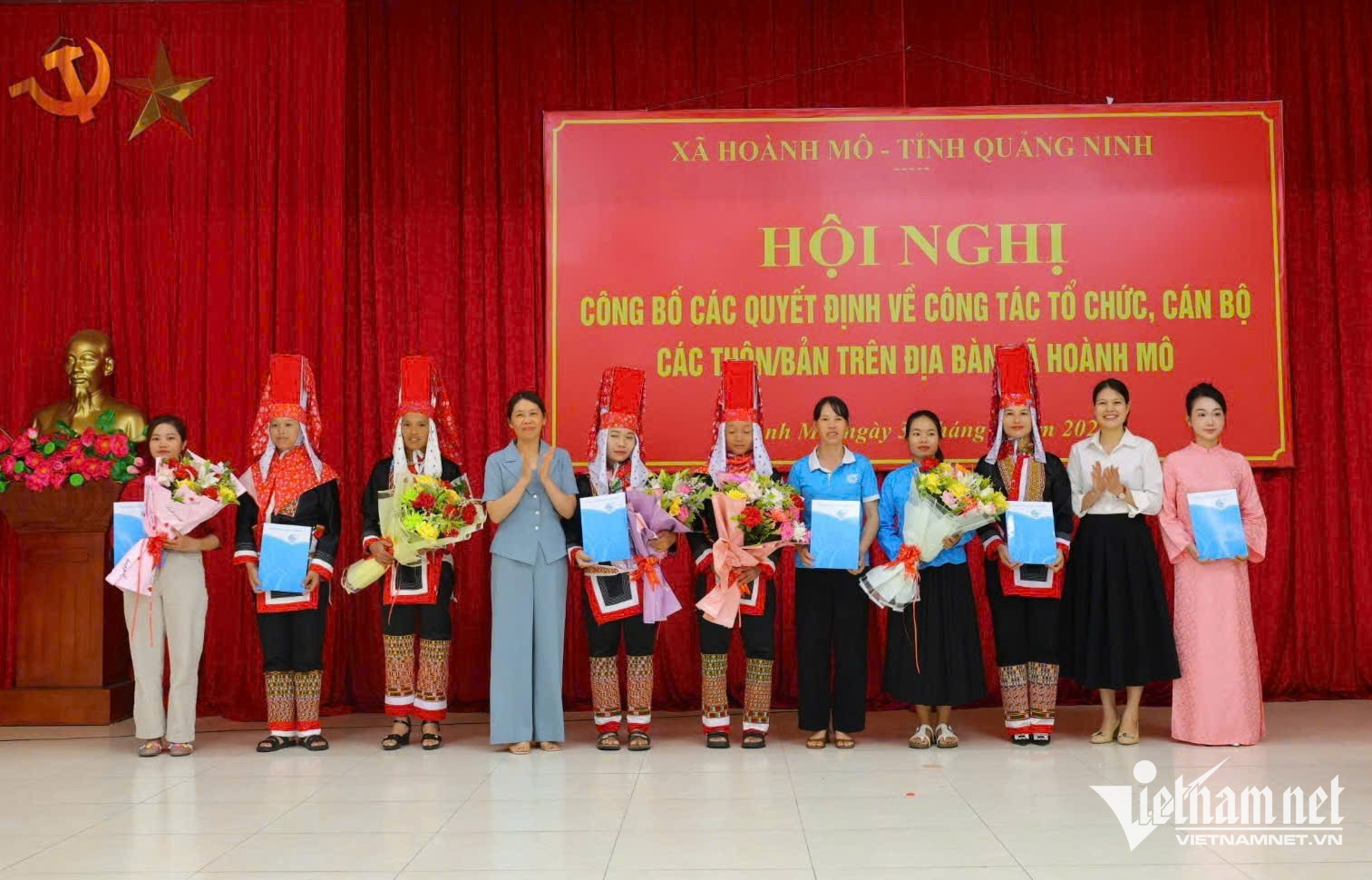
The shift toward self-reliance is also reflected in growing local leadership.
More Dao officials now serve in key positions within commune administrations, acting as bridges between government and local communities. They not only help implement policies but also ensure that development programs reflect local realities and community needs.
The improved roads, new businesses and better housing now visible across many villages are not simply the result of public investment.
They also reflect growing confidence among local residents, stronger community cooperation and a willingness to shape their own future.
As families build sustainable livelihoods close to home, they are strengthening not only household incomes but also social cohesion - working together to develop their villages, maintain public security and help safeguard Vietnam's northeastern border.
My Dung
.svg)
