 Vietnamnet.vn

 Podcast



Editor's note:
In Vietnam's northeastern border province of Quang Ninh, where mountain ranges stretch across the horizon and villages nestle along forested slopes, the Dao community remains an integral part of the region's social and cultural fabric.
Their story is not told through grand monuments but through everyday moments: an embroidery frame on a family porch, a village meeting to discuss new roads, a border patrol alongside frontier guards, or a small community business built from local traditions.
Together, these seemingly ordinary activities reveal a deeper reality: national solidarity is not merely a policy objective but a way of life, woven into the daily experiences of Vietnam's diverse ethnic communities.
This series, "The Dao People of Quang Ninh – Unity and strength from mountain villages," explores how one community is preserving its cultural identity while embracing economic development and helping safeguard Vietnam's border regions.
Part 1: Embroidery and new roads unite Dao communities in Quang Ninh
Bringing heritage into everyday life
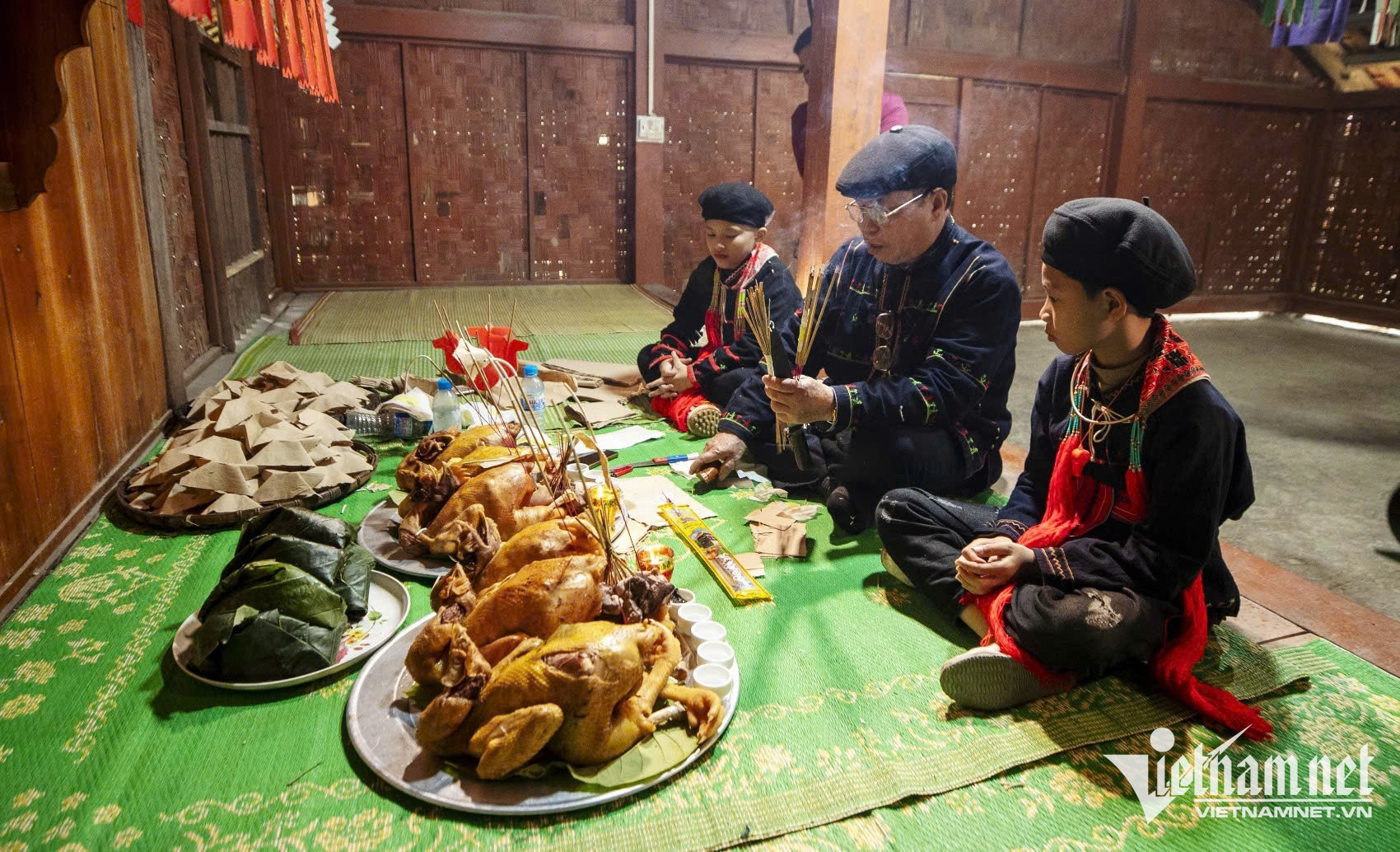
The Dao are one of the ethnic minority groups with the richest cultural traditions in Quang Ninh Province.
Their language, writing system, traditional costumes, Cap Sac coming-of-age ceremony, folk songs, folk dances and extensive body of indigenous knowledge together form a vibrant cultural heritage.
In recent years, local authorities have launched numerous initiatives to preserve and promote traditional culture.
Among the best-known is the Dao Thanh Y Cultural Preservation Center in Quang La Commune, which houses artifacts reflecting the community's daily life, farming practices and ceremonial traditions.
Cultural experts, however, believe that heritage reaches its full value only when it continues to be practiced rather than simply preserved.
That philosophy is increasingly visible across Quang Ninh.
Traditional Dao clothing is worn not only during festivals but also at important family and village events. Folk songs and dances remain central to cultural festivals, Great National Unity celebrations and community-based tourism activities.
Culture becomes a livelihood
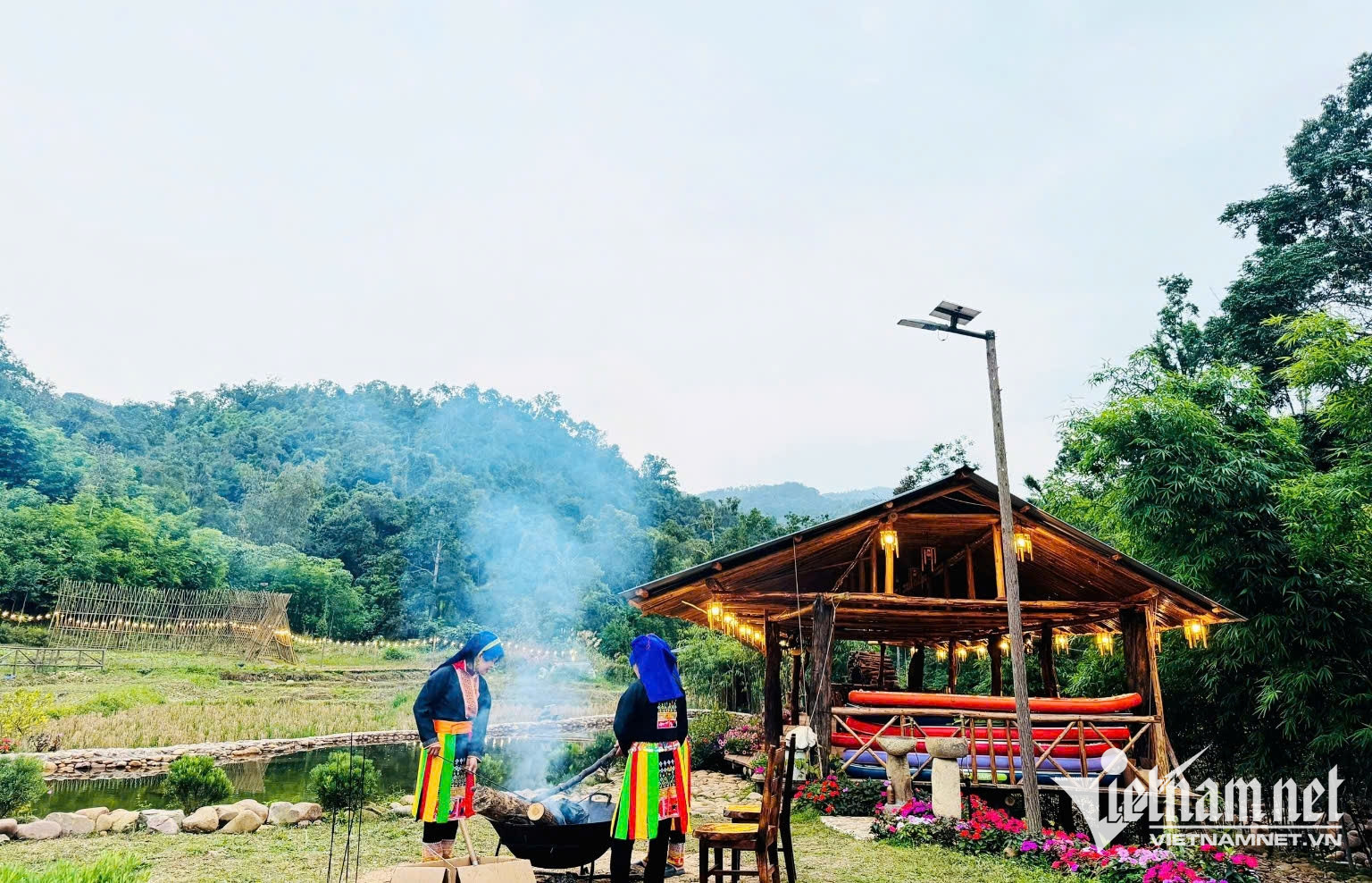
The village of Ky Son, in Ky Thuong Commune, where 99% of residents belong to the Dao Thanh Phan subgroup, was once a remote community whose economy depended largely on forestry and livestock farming.
For many years, limited transport infrastructure isolated the village from surrounding areas.
As roads improved, however, not only did living conditions change, but local people also began rethinking how to develop their community.
A turning point came in 2021, when Ban Van Vy opened a traditional stilt-house homestay.
That initiative marked the beginning of a broader transformation - from depending on the forest for survival to building livelihoods around cultural heritage.
The village has gradually developed into a community tourism destination offering visitors experiences rooted in Dao traditions, including bamboo forests, Hanh Phuc Lake, traditional bell dances and brocade embroidery.
"The Dao Thanh Phan community here has preserved many unique cultural traditions," Vy said. "Working together with local residents, we've developed community tourism that not only creates stable jobs but also helps families renovate their homes to welcome visitors."
As night falls over Ky Son, campfires flicker beneath traditional stilt houses while the sound of ceremonial bell dances echoes through the mountains.
Women continue to embroider intricate brocade textiles on their porches, explaining the meaning behind each traditional pattern to visitors.
Many young villagers now work as local guides, introducing tourists to Dao customs and daily life.
Through these experiences, culture is no longer something remembered only in stories - it has become an active source of community development.
Young people embrace their heritage
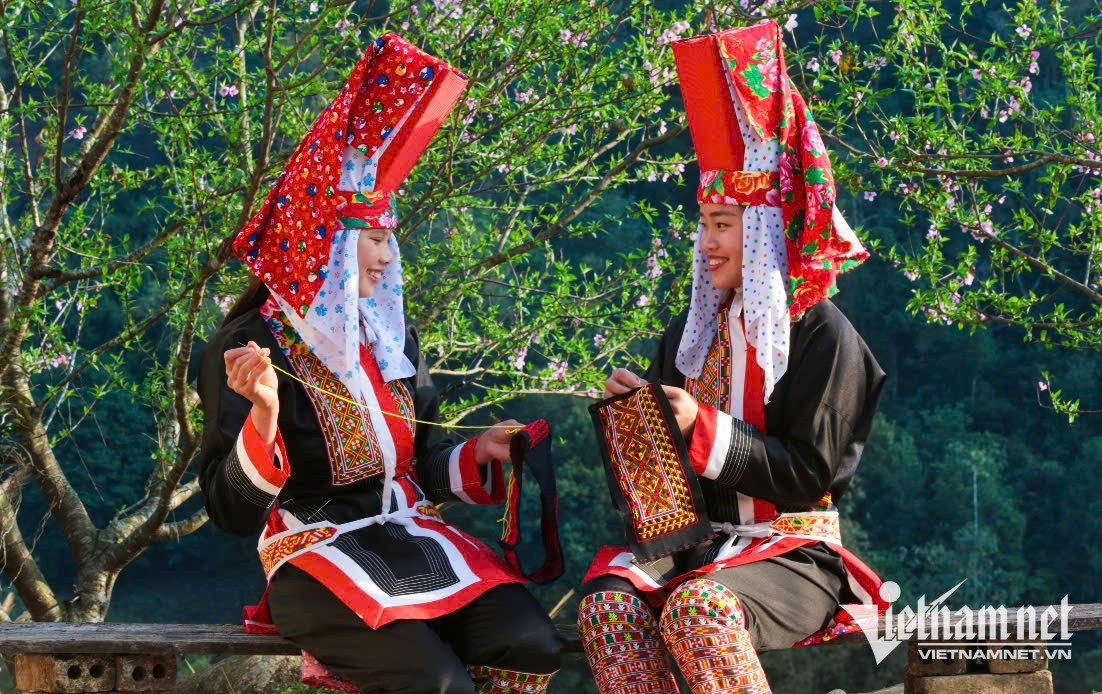
Across Quang Ninh's upland communities, preserving culture is no longer simply about protecting the past.
It is increasingly about ensuring that tradition remains relevant in contemporary life.
There was once concern that traditional clothing, folk songs and ceremonial practices might gradually disappear as younger generations embraced modern lifestyles.
Instead, many encouraging signs have emerged.
More Dao youth are joining folk culture clubs, learning traditional embroidery, performing folk music and dance, and using social media to introduce their cultural heritage to wider audiences.
For many, traditional culture has become a source of pride rather than something left behind.
In Tan Son Village, Ba Che Commune, Ly Thi Thanh, 25, is among the young people helping sustain those traditions.
Outside her daily work, she learns brocade embroidery from her mother and elderly artisans while introducing Dao clothing, embroidery techniques and traditional customs to visitors.
"Every pattern embroidered onto a piece of brocade tells a story about our people," Thanh said. "I want to learn these skills to preserve my ancestors' craft and help visitors better understand Dao culture."
Stories like Thanh's illustrate how cultural heritage is becoming a living legacy rather than simply a memory of older generations.
Each time a young Dao person proudly wears traditional clothing during a festival or explains the meaning of the Cap Sac ceremony, folk songs or community traditions, another link is forged between past and future.
A culture that continues to evolve
According to An Thi Thin, Deputy Director of Quang Ninh's Department of Ethnic and Religious Affairs, the Dao community has preserved an unusually complete range of traditional cultural values, including its language, clothing and indigenous knowledge related to daily life and agricultural production.
"These traditions are not only the cultural assets of the Dao people themselves," she said. "They are also valuable resources for cultural development, tourism and strengthening solidarity among the province's ethnic communities."
Quang Ninh's long-term strategy extends beyond restoring or preserving traditional culture.
Instead, local authorities aim to ensure that cultural practices continue to be lived within the community itself.
Areas with large Dao populations are encouraging the establishment of folk culture clubs, teaching embroidery, folk songs and dances to younger generations, while integrating indigenous cultural values into community tourism and One Commune One Product (OCOP) initiatives that create new sources of income.
Researchers also note that Dao traditional knowledge - including handicrafts, herbal medicine, farming methods, forest stewardship and community governance - has become increasingly valuable beyond village life.
Many of these practices now contribute to ecotourism, environmental conservation and sustainable rural development.
As long as these traditions continue to be practiced, adapted and passed from one generation to the next, Dao culture will remain more than a preserved heritage.
It will continue to serve as a living cultural resource, enriching the identity of Quang Ninh while supporting the province's future development.
Ultimately, whether that heritage continues to flourish depends on the people themselves - and on creating the conditions that allow both traditional culture and its custodians to remain active participants in modern community life.
Across Quang Ninh's mountain villages today, change is being driven not only by public investment, but also by Dao families taking ownership of their own future.
My Dung
.svg)
