 Vietnamnet.vn

 Podcast



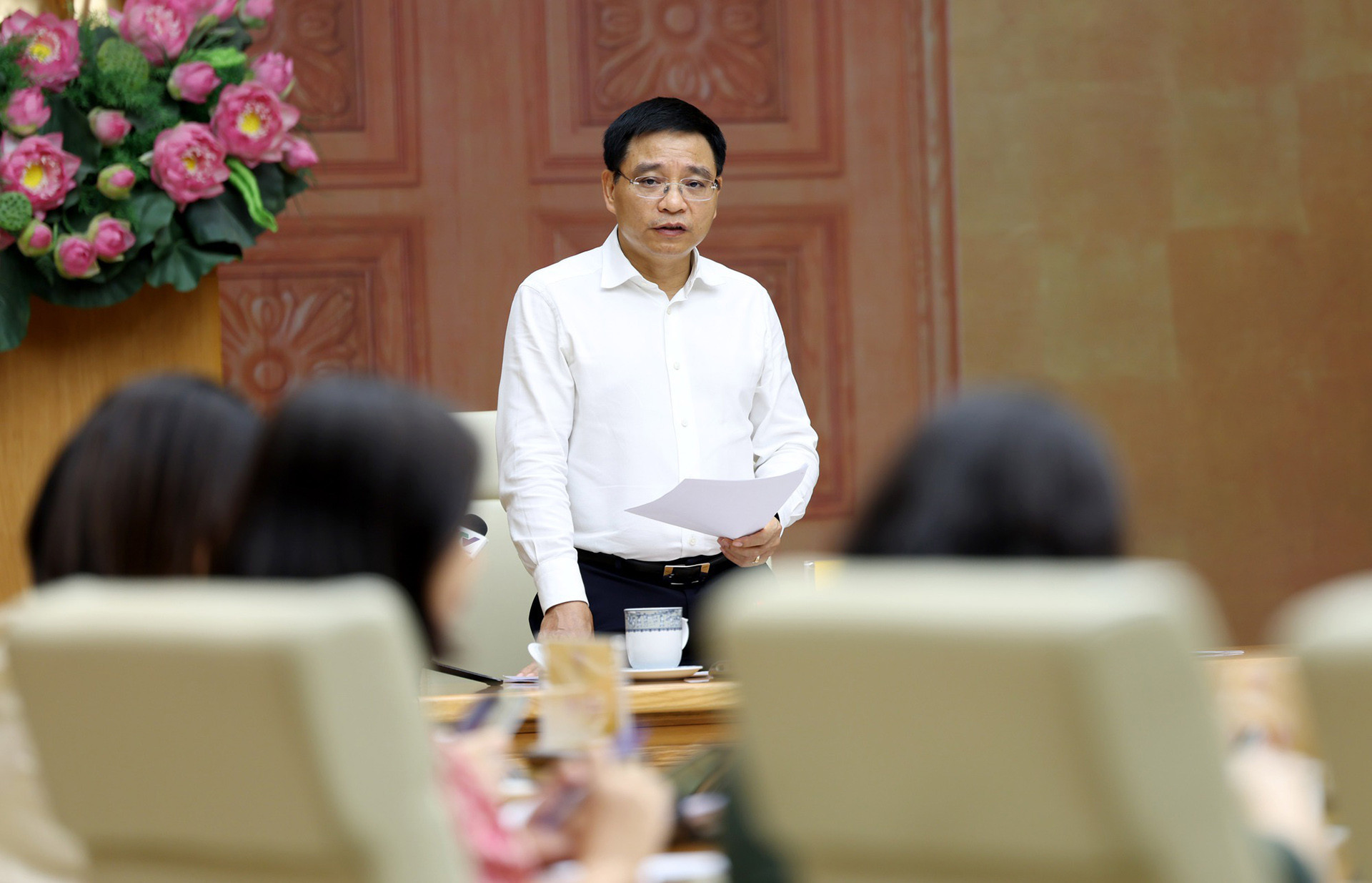
Finance Minister Ngo Van Tuan has been appointed deputy head of the committee.
Other members include Le Tan Can, Deputy Minister of Finance; Nguyen Sinh Nhat Tan, Deputy Minister of Industry and Trade; Le Duc Luan, Deputy Minister of Health; Le Quan, Deputy Minister of Education and Training; Vo Van Hung, Deputy Minister of Agriculture and Environment; Nguyen Manh Khuong, Deputy Minister of Home Affairs; Nguyen Xuan Sang, Deputy Minister of Construction; Pham Duc Long, Deputy Minister of Science and Technology; Pham Thanh Ha, Deputy Governor of the State Bank of Vietnam; and Mai Thi Thu Van, Deputy Minister-Chairperson of the Government Office.
The committee is responsible for advising the Prime Minister on approving or deciding major policies and strategic directions for price management during different periods. It is also tasked with coordinating price policies for key and essential goods and services, deciding specific price management measures where necessary, and implementing price stabilization measures for essential commodities and services.
In addition, the committee assists the Prime Minister in directing ministries, government agencies and provincial authorities to carry out state price management in line with the government's objectives of containing inflation and maintaining macroeconomic stability. It is also responsible for handling other issues related to the pricing of important goods and services when assigned by the Prime Minister.
At the committee's meeting on June 26, the Ministry of Finance presented three inflation scenarios for 2026, projecting annual inflation at approximately 4.5%, 5% and 5.5%.
The State Bank of Vietnam forecast average inflation in 2026 at between 4.8% and 5.5%, remaining within the government's target range of 5% ± 0.5 percentage points. International organizations projected Vietnam's average inflation at between 3.8% and 5.2%.
Deputy Prime Minister Nguyen Van Thang noted that there is very limited room for inflation management, requiring strong efforts to achieve both growth and inflation targets.
He called for stronger forecasting capacity and earlier warnings of inflationary pressures, while continuing to implement prudent and effective fiscal policies alongside stricter budget discipline and spending efficiency.
Regarding healthcare and education, the Deputy Prime Minister instructed authorities to review the timetable and pricing structure for public services. Planned price increases should be carefully assessed to determine which adjustments are essential and which can be postponed. The scope and scale of any price adjustments should also be reviewed.
The Ministry of Industry and Trade was instructed to direct fuel wholesalers to ensure adequate gasoline supplies for production, business activities and consumer demand, preventing supply disruptions or stockpiling in anticipation of higher prices.
The Deputy Prime Minister also assigned the Ministry of Construction to strengthen inspections of transport and logistics companies to ensure compliance with pricing regulations, including price declarations, price listings and freight charges.
The ministry was instructed to require transport operators to reduce freight rates when fuel costs decline and to take strict action against businesses that exploit fuel price fluctuations to impose unreasonable fare increases or delay reducing transport charges after fuel prices fall.
For the Ministry of Health, the Deputy Prime Minister said any roadmap for adjusting healthcare service prices must be aligned with inflation control objectives and the public's ability to pay.
Tran Thuong
.svg)
