 Vietnamnet.vn

 Podcast



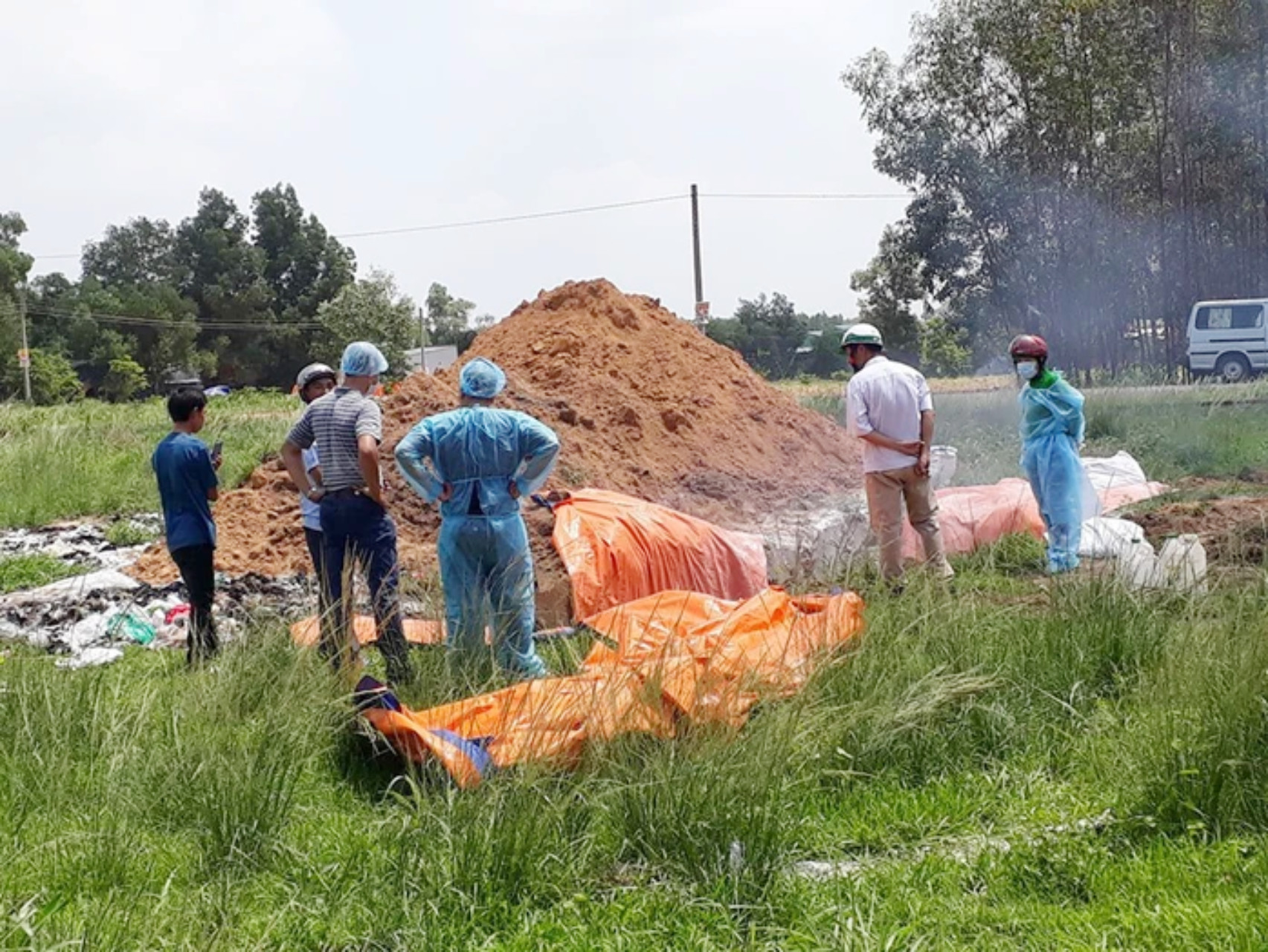
All pigs at the farm have since been destroyed in accordance with disease control regulations.
Preliminary investigations by veterinary authorities suggest that one potential risk factor may have been the farm's open housing system, which allowed exposure to insects such as flies and mosquitoes that can contribute to disease transmission.
At the meeting, Nguyen Van Thang, Deputy Director of the Dong Nai Department of Agriculture and Environment, warned that the disease situation could remain complicated in the coming months.
He urged Tan Phu Ward authorities to promptly complete reports on outbreak locations, response measures and disease prevention efforts.
Areas affected by the outbreak have been instructed to carry out strict sanitation and disinfection procedures using lime powder and chemical disinfectants in animal housing facilities and surrounding areas.
Owners of farms with infected, suspected or culled animals must conduct thorough decontamination measures to prevent pathogens from spreading into the environment.
The department also instructed local authorities to closely monitor burial sites used for infected pigs and inspect water sources near disposal areas to ensure environmental safety.
At the same time, local governments were urged to strengthen oversight of livestock farming, slaughtering, transportation and trading activities involving animal products of unknown origin.
The Department's Livestock Production and Fisheries Sub-Department has been tasked with working alongside local authorities to review the number of farming households, commercial farms and total livestock populations for inclusion in the province's livestock database, while preventing unauthorized and unregulated farming operations.
Hoang Anh
.svg)
