 Vietnamnet.vn

 Podcast



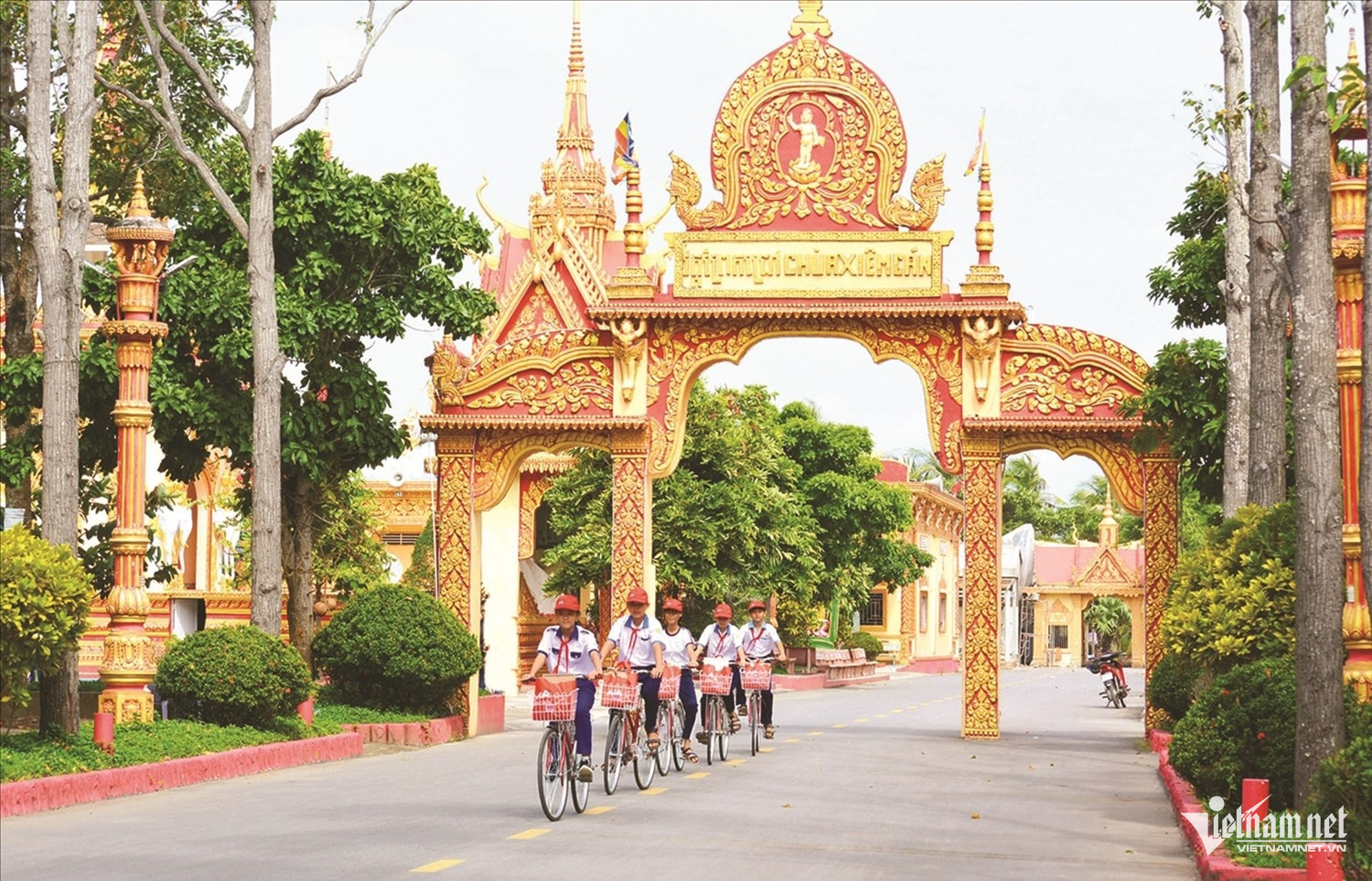
With the guiding principle that “the effectiveness of ethnic and religious policy must ultimately be measured by people’s trust and their improved living standards,” the sector is expected to fulfill broader, deeper and more substantive responsibilities.
Development in ethnic minority and mountainous regions is no longer seen simply as an economic growth challenge. It is also a long-term journey aimed at improving quality of life, strengthening public confidence, maintaining social stability and reinforcing the great national unity of Vietnam.
From major policy direction to practical requirements
More than two decades of implementing Resolution No. 24-NQ/TW on ethnic affairs have confirmed the consistency and correctness of the Party’s approach: to care for and create favorable conditions so that ethnic minority communities can develop comprehensively, equally and in solidarity with the rest of society.
However, new development conditions marked by rapid and complex socio-economic changes, administrative restructuring toward a two-tier local government model, the strong impact of digital transformation, climate change and international integration are creating new demands for deeper reform in ethnic and religious policies.
Policy reform must first begin with a change in mindset and approach.
Instead of issuing numerous fragmented programs and policies, the focus should shift toward integrated, synchronized and comprehensive designs that combine poverty reduction, rural development and socio-economic growth programs in ethnic minority regions.
Support must move away from small-scale assistance toward sustainable development, from input-based management toward results-based governance, and from short-term objectives toward a long-term vision for an entire generation.
At the same time, governance should shift from a purely administrative model to a service-oriented and enabling role. Rather than simply managing, the State should actively create favorable conditions for ethnic communities and religious groups to thrive.
The establishment of the Ministry of Ethnic and Religious Affairs in 2025 marks a historic milestone, consolidating and elevating the management structure in order to harmonize policies, reduce overlaps and concentrate resources more effectively.
At the center of this approach are the people themselves. Citizens are not merely beneficiaries but also the key actors in implementing and supervising policies, following the principle: “People know, people discuss, people act, people inspect, people supervise and people benefit.”
Measuring success through people’s well-being
Development in ethnic minority and mountainous regions in the coming period is guided by three pillars: comprehensive, rapid and sustainable growth.
Comprehensive development means ensuring balanced progress across economic, cultural and social dimensions while strengthening national defense, security and social order.
Rapid development requires breakthroughs in key bottlenecks involving institutions, policies and resources, particularly in infrastructure, livelihoods, employment, education and grassroots healthcare.
Sustainability focuses on reducing multidimensional poverty at its roots, strengthening people’s ability to improve their own lives, adapting to climate change and using resources efficiently.
One of the top priorities is narrowing the development gap between ethnic minority regions and more developed economic areas.
Efforts will focus on removing infrastructure and livelihood bottlenecks. This includes prioritizing investments in transport, electricity, telecommunications and infrastructure supporting production and distribution, while aligning these investments with regional and interregional development planning.
Equally important is promoting sustainable livelihoods and increasing incomes through value chains and stable employment. Cooperation between enterprises, cooperatives and households should be encouraged, along with the development of industries suited to local conditions and vocational training linked to labor market demand.
Social welfare and poverty reduction must also evolve from short-term support toward a comprehensive and long-term social security ecosystem, including safe housing, preventive healthcare, quality education and climate-resilient livelihoods.
Policies must reach every household and every village, particularly poor households, women and children from ethnic minority communities.
Preserving and promoting traditional cultural values while developing community-based tourism will allow ethnic groups to protect their identities while improving their living standards.
At the same time, greater attention must be given to developing local human resources, especially training ethnic minority officials and preserving ethnic languages and writing systems.
Respect for and protection of freedom of belief and religion are considered legitimate spiritual needs of the people.
Harnessing human potential and national unity
In every policy, people remain both the center and the ultimate objective.
Recognizing the role of village elders, community leaders, reputable figures and religious dignitaries is essential, as they represent important “soft resources” that help policies reach communities more effectively.
In an environment of increasingly diverse information flows, strengthening dialogue, providing timely official information and countering misinformation are also ongoing responsibilities.
Strengthening national unity among ethnic groups can be understood as building a strong “people’s foundation.” In this context, policy is not merely about material investment but also about respect, listening and close partnership with citizens.
Digital transformation is opening new opportunities to enhance the effectiveness of ethnic and religious affairs.
Building shared databases that are accurate, complete, clean and constantly updated will allow authorities to manage, forecast and formulate policies more effectively, while ensuring more efficient allocation of resources.
As online public services reach villages and remote communities, the “road to the village” will no longer be only a concrete road. It will also become a digital pathway that allows ethnic communities to access the country’s development achievements on equal terms.
Above all, the success of these policies must be measured by tangible results: sustainable reductions in multidimensional poverty, improved quality of public services, stronger public trust, greater satisfaction among citizens and a clearly narrowed development gap between mountainous and lowland regions.
These outcomes are both the most objective indicators and the highest goals of reform in ethnic and religious policies in the new era.
With the new strategic decisions of the 14th National Party Congress, there is growing confidence in Vietnam’s future as an independent, resilient, innovative and prosperous nation - one where all ethnic groups and religious communities have opportunities to develop, cultural identities are preserved and the great national unity becomes a powerful driving force for the country’s integration and advancement.
Hoang Van Tuyen
.svg)
